Yecid Ortega – författare
Visar alla böcker från författaren Yecid Ortega. Handla med fri frakt och snabb leverans.
4 produkter
4 produkter
Inbunden, Engelska, 2026
3 415 kr
Kommande
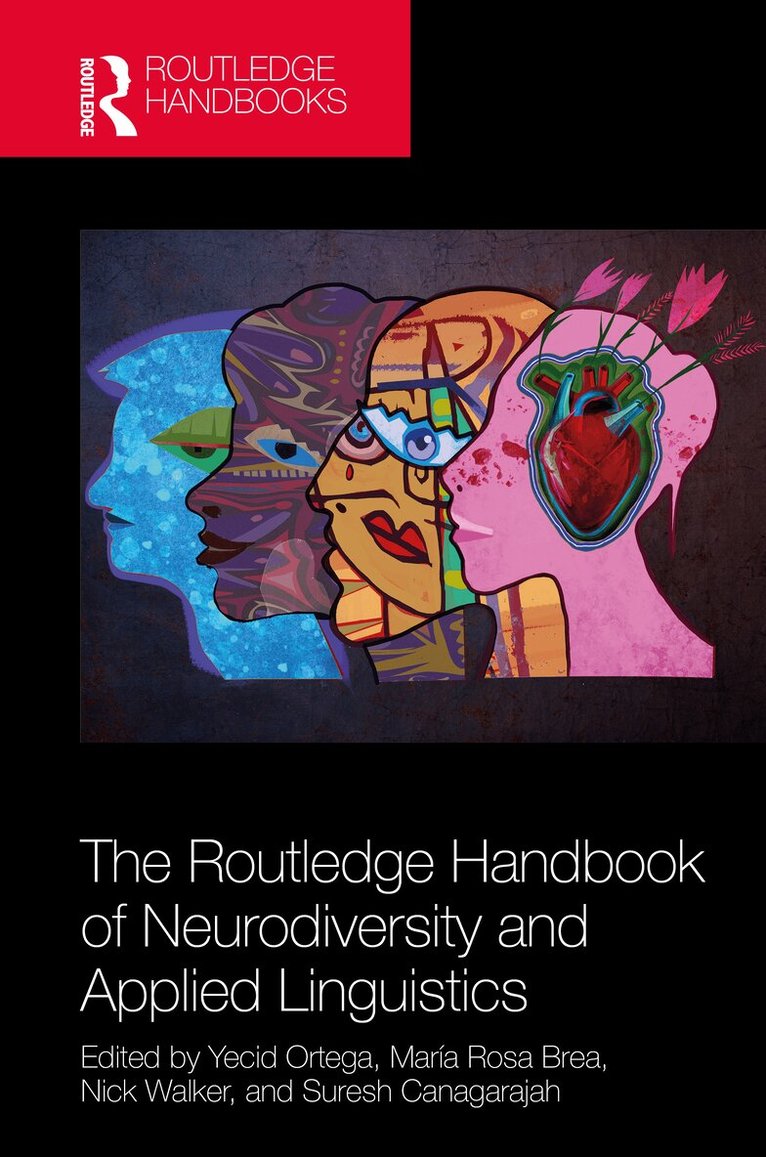
This handbook is an innovative and comprehensive survey of the emerging body of thought at the intersection of neurodiversity studies and applied linguistics. The book brings together thinkers and researchers from a range of fields to offer a nuanced exploration of how neurodiversity theory can inform and enhance applied linguistics. The volume is divided into five sections, each examining a different dimension of this intersection of research areas:• Personal experience• Theoretical foundations• Pedagogical considerations• Empirical advances• CreativityTaken as a whole, the handbook offers a dynamic research agenda for neurodiversity studies and applied linguistics, incorporating research findings, practical insights, evidence-based strategies for fostering inclusive language practices, and directions for future interdisciplinary research. This volume is a valuable resource for students and scholars in applied linguistics, as well as related fields such as psychology, education, and speech-language therapy.
Inbunden, Engelska, 2025
1 587 kr
Skickas inom 10-15 vardagar
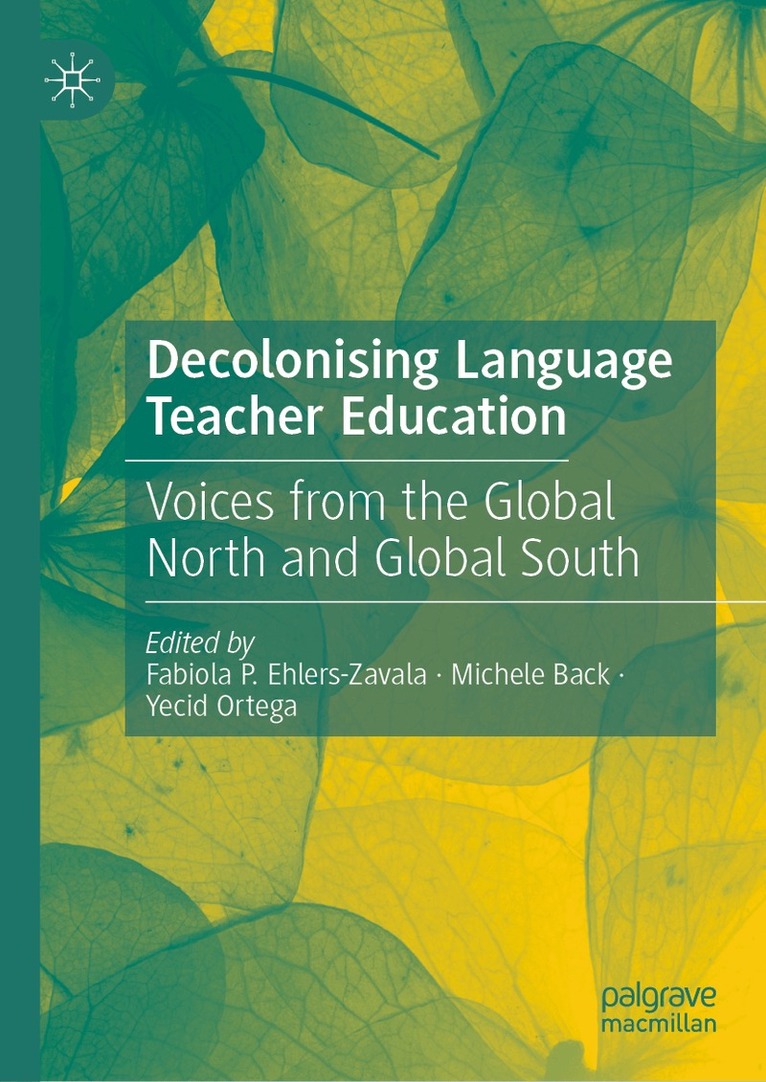
This edited book examines decolonization in applied linguistics, focusing on language teacher preparation across the Global North and South. It brings together diverse voices to challenge colonial legacies and promote more just, inclusive, and locally grounded approaches to education. Organized into three sections—challenges, programs, and strategies—the volume first explores systemic barriers that continue to shape language education. It then highlights successful models from varied global contexts, including Southeast Asia, Europe, and the Americas, that reimagine language teacher preparation through critical pedagogy, translanguaging, and community collaboration. The final section offers practical strategies for future action, such as the ethical use of technology to empower marginalized voices in the classroom.With key themes of decolonization, applied linguistics, language teacher education, social justice, and Global North–Global South collaboration, this collection provides essential insights for educators, researchers, and policymakers seeking to reshape language teaching in more equitable and culturally responsive ways.
E-bok
Engelska, 20251 977 kr
Läs direkt efter köp
This edited book examines decolonization in applied linguistics, focusing on language teacher preparation across the Global North and South. It brings together diverse voices to challenge colonial legacies and promote more just, inclusive, and locally grounded approaches to education. Organized into three sections—challenges, programs, and strategies—the volume first explores systemic barriers that continue to shape language education. It then highlights successful models from varied global contexts, including Southeast Asia, Europe, and the Americas, that reimagine language teacher preparation through critical pedagogy, translanguaging, and community collaboration. The final section offers practical strategies for future action, such as the ethical use of technology to empower marginalized voices in the classroom.With key themes of decolonization, applied linguistics, language teacher education, social justice, and Global North–Global South collaboration, this collection provides essential insights for educators, researchers, and policymakers seeking to reshape language teaching in more equitable and culturally responsive ways.
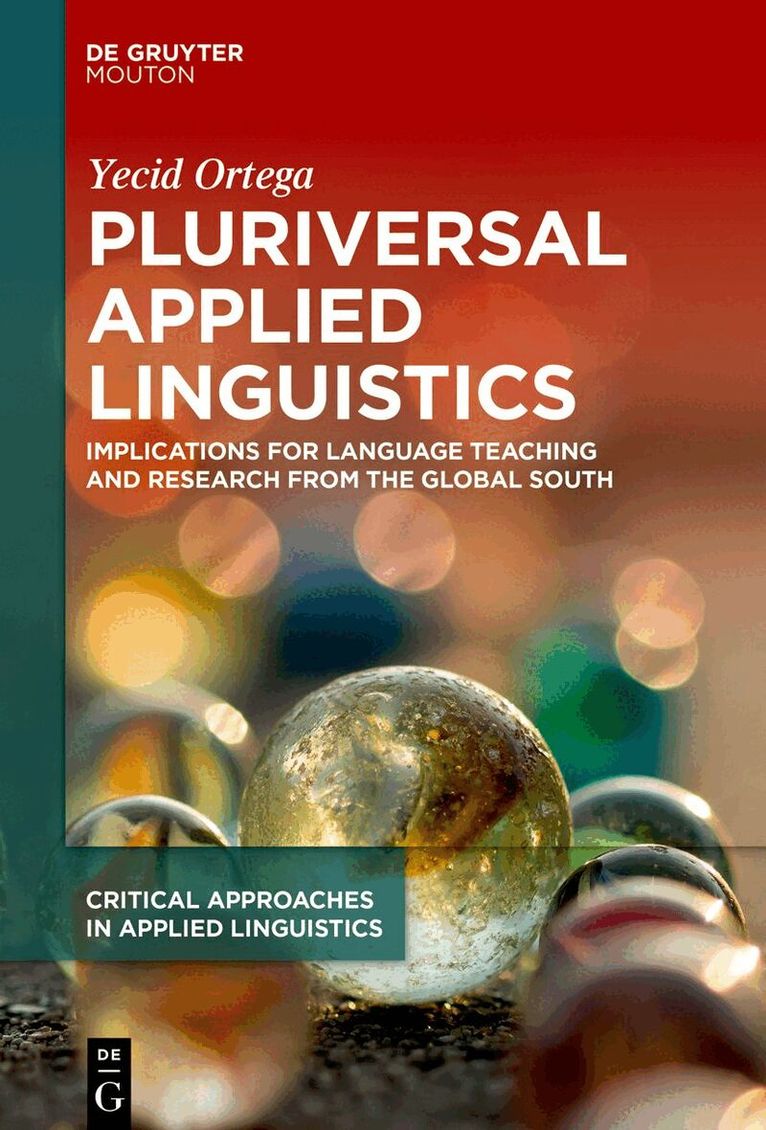
Pluriversal Applied Linguistics
Implications for Language Teaching and Research from the Global South
Inbunden, Engelska, 2025
1 638 kr
Skickas inom 5-8 vardagar
Drawing on extensive research in a marginalized community in Bogotá, Colombia, and informed by engagements with diverse communities from diverse contexts, this book offers a groundbreaking perspective on pluriversal applied linguistics for language teaching and research. Through critical ethnography and decolonial praxis, it challenges binary views of language, advocating for a more inclusive and relational approach to linguistic education. By embracing epistemologies from the Global South, this book unlocks new possibilities for language learning, teaching, and research, fostering a more equitable and socially just future in education.