Yoichi Matsubayashi – författare
Visar alla böcker från författaren Yoichi Matsubayashi. Handla med fri frakt och snabb leverans.
11 produkter
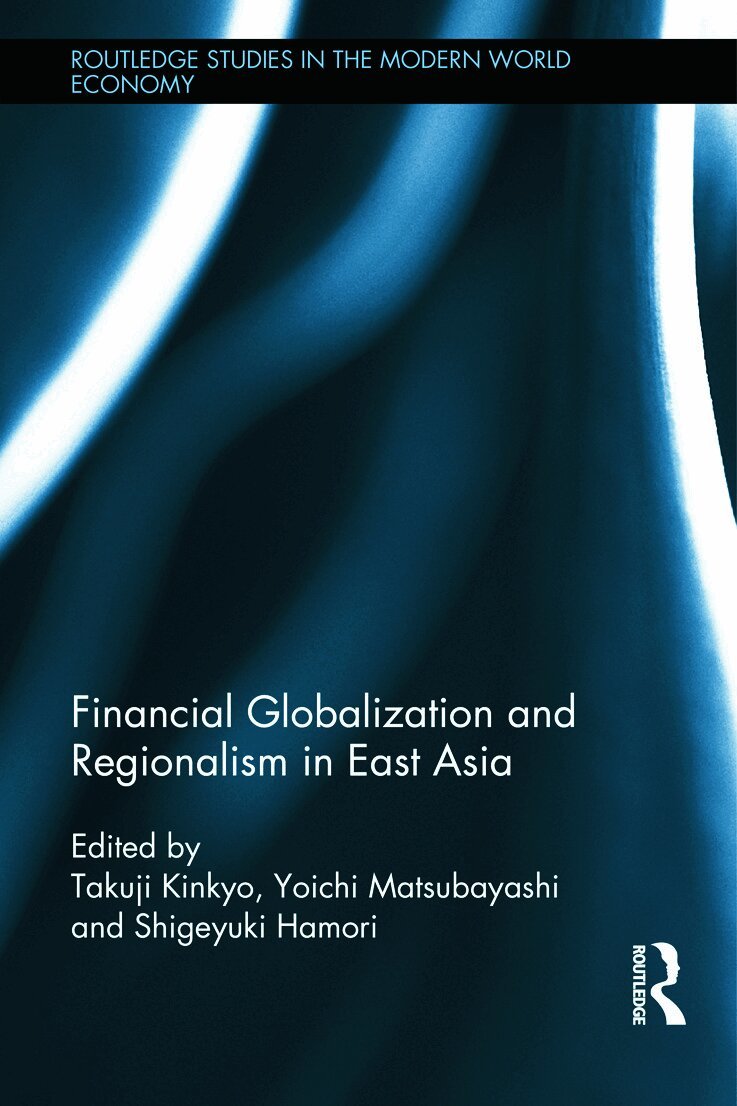
Financial Globalization and Regionalism in East Asia
Av Takuji Kinkyo, Yoichi Matsubayashi m. fl.
Inbunden, 2013
1521 kr
Lägg i varukorg
With increased resilience in the financial systems, emerging Asian economies were less affected by the recent global financial crisis, recovering more quickly from the crisis than major advanced economies. Yet, Asian financial systems remain underdeveloped. More open and efficient financial systems …
Financial Globalization and Regionalism in East Asia
Av Takuji Kinkyo, Yoichi Matsubayashi m. fl.
Häftad, 2016
502 kr
Lägg i varukorg
With increased resilience in the financial systems, emerging Asian economies were less affected by the recent global financial crisis, recovering more quickly from the crisis than major advanced economies. Yet, Asian financial systems remain underdeveloped. More open and efficient financial systems …
Financial Globalization and Regionalism in East Asia
Av Shigeyuki Hamori, Yoichi Matsubayashi m. fl.
E-bok, 2013
589 kr
Lägg i varukorg
With increased resilience in the financial systems, emerging Asian economies were less affected by the recent global financial crisis, recovering more quickly from the crisis than major advanced economies. Yet, Asian financial systems remain underdeveloped. More open and efficient financial systems …
Financial Globalization and Regionalism in East Asia
Av Shigeyuki Hamori, Yoichi Matsubayashi m. fl.
E-bok, 2013
576 kr
Lägg i varukorg
With increased resilience in the financial systems, emerging Asian economies were less affected by the recent global financial crisis, recovering more quickly from the crisis than major advanced economies. Yet, Asian financial systems remain underdeveloped. More open and efficient financial systems …
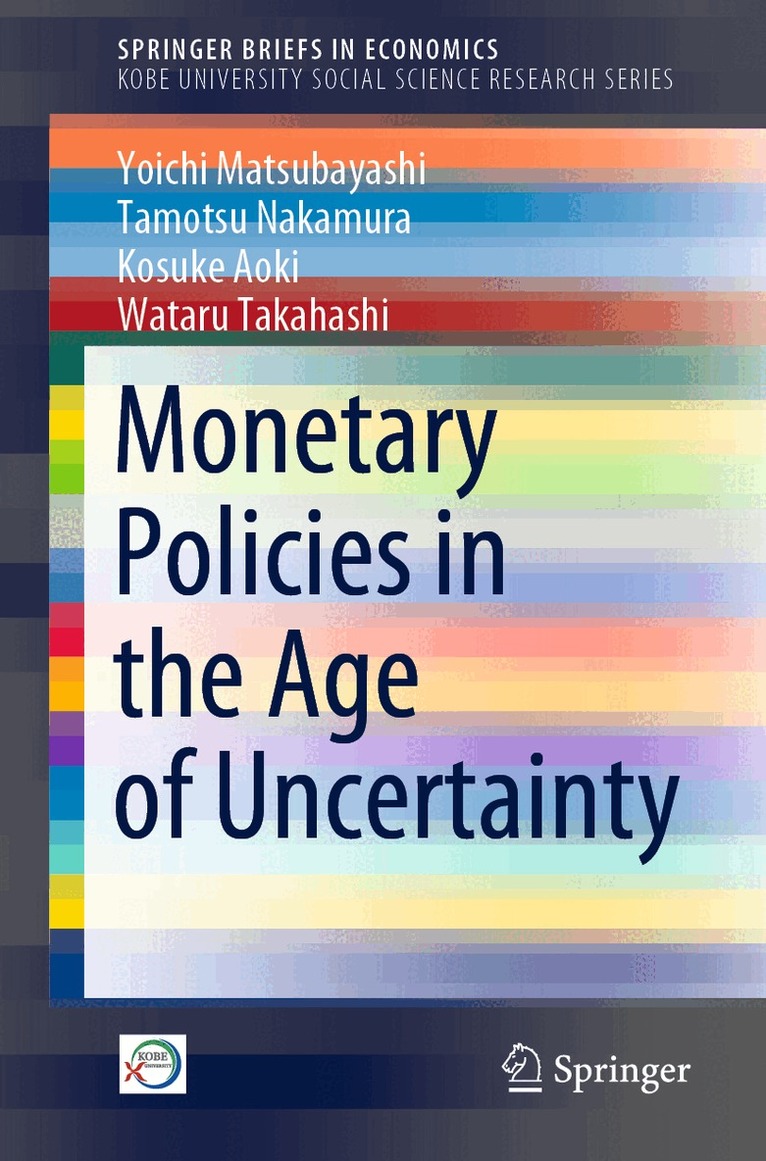
Monetary Policies in the Age of Uncertainty
Av Yoichi Matsubayashi, Tamotsu Nakamura m. fl.
Häftad, 2021
558 kr
Lägg i varukorg
This book provides an interesting review of Japanese monetary policies after the bubble economy. The Bank of Japan was the first central bank in advanced economies to implement the unconventional monetary policies during the period. After the Lehman shock, most advanced economies also carried out …
Monetary Policies in the Age of Uncertainty
Av Wataru Takahashi, Kosuke Aoki m. fl.
E-bok, 2021
750 kr
Lägg i varukorg
This book provides an interesting review of Japanese monetary policies after the bubble economy. The Bank of Japan was the first central bank in advanced economies to implement the unconventional monetary policies during the period. After the Lehman shock, most advanced economies also carried out …
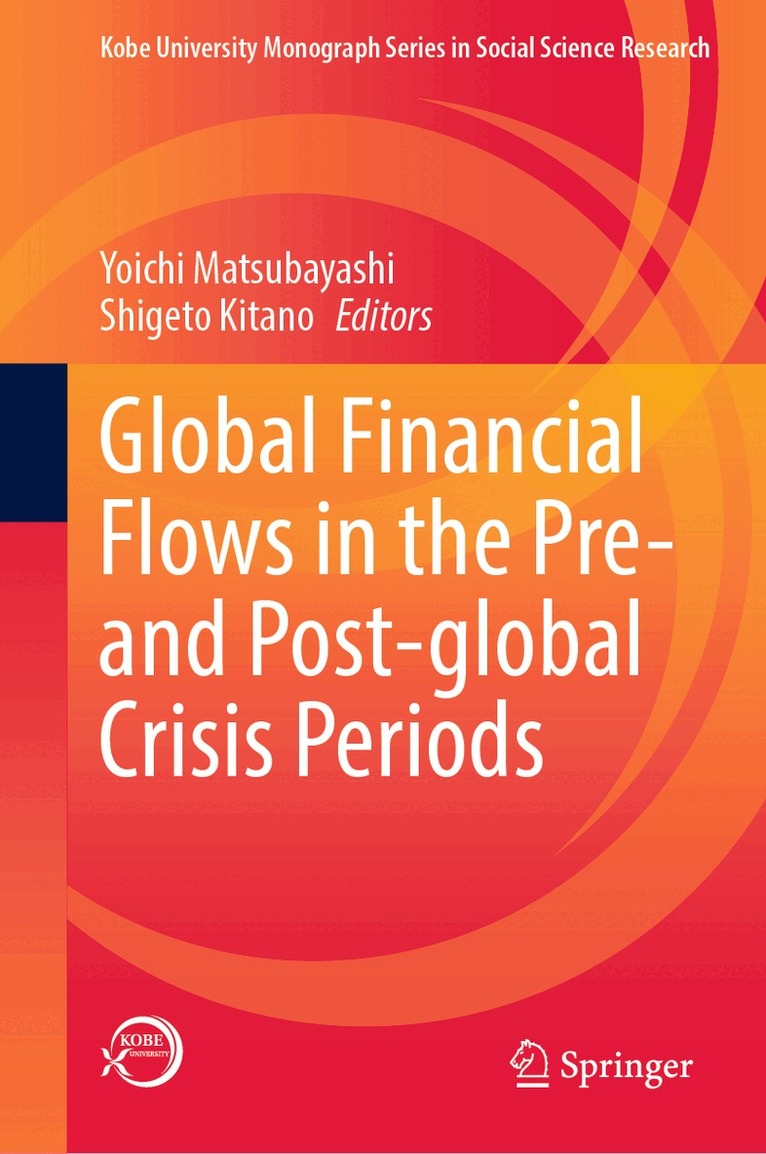
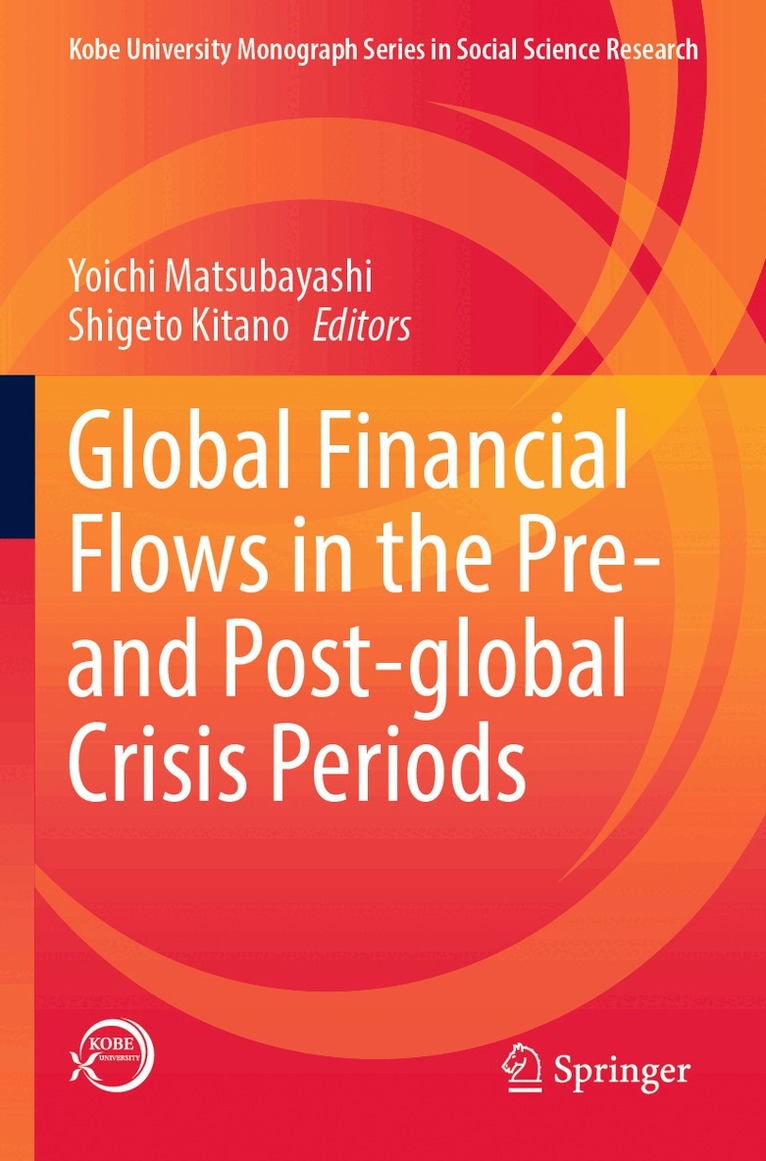
Global Financial Flows in the Pre- and Post-global Crisis Periods
Av Yoichi Matsubayashi, Shigeto Kitano
Inbunden, 2022
1129 kr
Lägg i varukorg
This book covers many aspects of excessive expansion of cross-border capital flows underlying the global financial crises that occurred in succession in the form of the subprime mortgage crisis, the collapse of Lehman Brothers, and the European debt crisis. Obtaining a broader picture of financial …
Global Financial Flows in the Pre- and Post-global Crisis Periods
Av Shigeto Kitano, Yoichi Matsubayashi
E-bok, 2022
1502 kr
Lägg i varukorg
This book covers many aspects of excessive expansion of cross-border capital flows underlying the global financial crises that occurred in succession in the form of the subprime mortgage crisis, the collapse of Lehman Brothers, and the European debt crisis. Obtaining a broader picture of financial …
Global Financial Flows in the Pre- and Post-global Crisis Periods
Av Yoichi Matsubayashi, Shigeto Kitano
Häftad, 2023
1129 kr
Lägg i varukorg
This book covers many aspects of excessive expansion of cross-border capital flows underlying the global financial crises that occurred in succession in the form of the subprime mortgage crisis, the collapse of Lehman Brothers, and the European debt crisis. Obtaining a broader picture of financial …
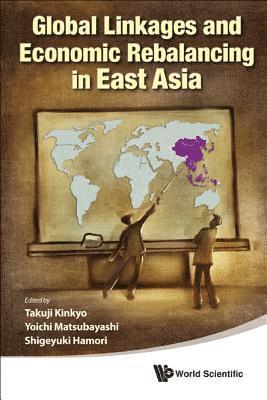
GLOBAL LINKAGES AND ECONOMIC REBALANCING IN EAST ASIA
Av Kinkyo Takuji, Takuji Kinkyo m. fl.
Häftad, 2013
871 kr
Lägg i varukorg
In the wake of the global financial crisis, leading industrialized countries have managed to show only a gradual recovery, while East Asian economies have surged ahead. In particular, China achieved growth in excess of 10% in 2010 and is expected to continue growing at a rapid pace. It appears that …
GLOBAL LINKAGES AND ECONOMIC REBALANCING IN EAST ASIA
Av Kinkyo Takuji, Takuji Kinkyo m. fl.
Inbunden, 2013
1375 kr
Lägg i varukorg
In the wake of the global financial crisis, leading industrialized countries have managed to show only a gradual recovery, while East Asian economies have surged ahead. In particular, China achieved growth in excess of 10% in 2010 and is expected to continue growing at a rapid pace. It appears that …