Yonatan Reshef – författare
Visar alla böcker från författaren . Handla med fri frakt och snabb leverans.
5 produkter
5 produkter
Inbunden, Engelska, 2003
1 403 kr
Skickas inom 3-6 vardagar
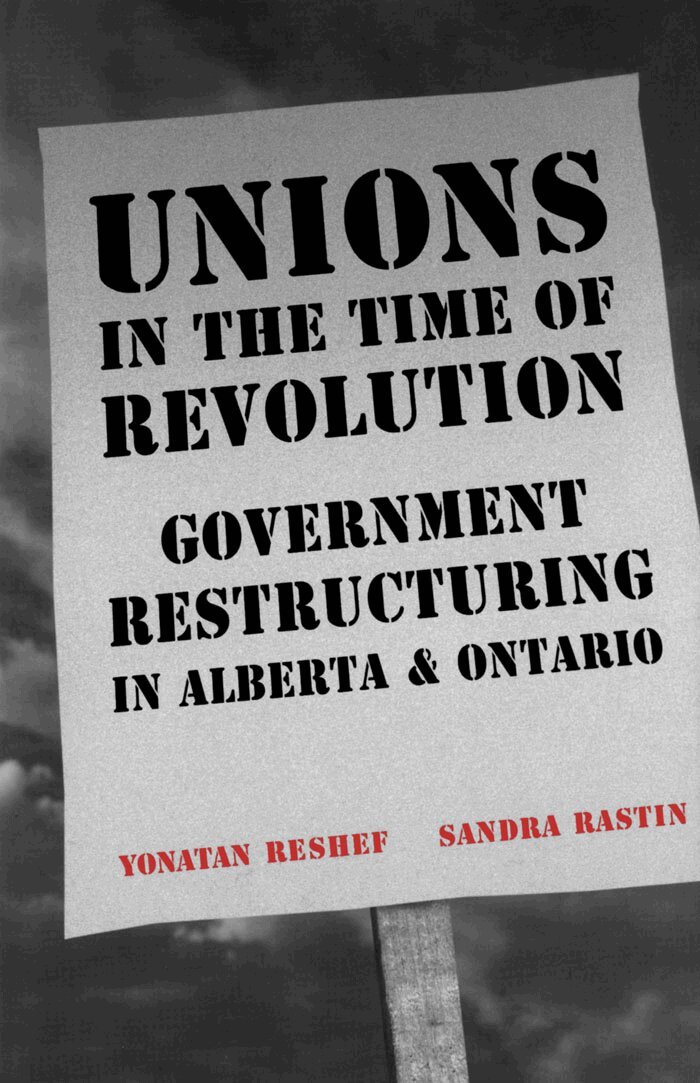
The election of neo-conservative governments in Alberta and Ontario in the early 1990s brought dramatic changes to provincial public policy; both the Ralph Klein Revolution and Mike Harris' Common Sense Revolution emphasized fundamental changes in the role of government, balanced budgets, and the elimination of provincial debts. While public sector unions were forced to react, the response of the Alberta and Ontario unions differed significantly. The reasons, outcome, and long-term impact of the difference is the focus of Yonatan Reshef and Sandra Rastin's careful and revealing analysis.The authors' argument concentrates on union responses to the neo-conservative transformation in the two affected provinces, but the scope of the discussion expands to cover such issues as the differences between the two regimes, the damage to the Ontario labour movement dealt by the labour-oriented NDP government, the limits of inter-union cooperation, and the role of modern unions in politics.Lively and timely, Unions in the Time of Revolution places Canada's unions in the full context of the neo-conservative trend in provincial politics, and demonstrates the importance of individual union responses in times of such significant change.
E-bok
PDF, Engelska, 2014829 kr
Läs direkt efter köp
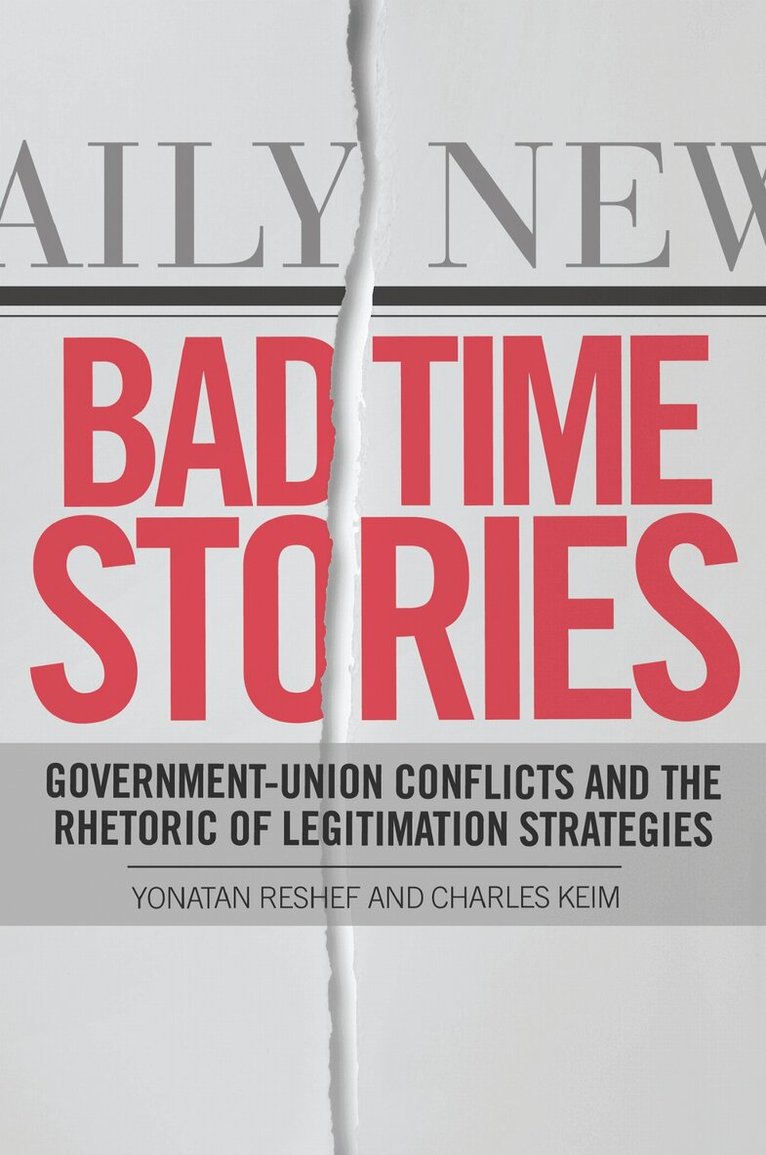
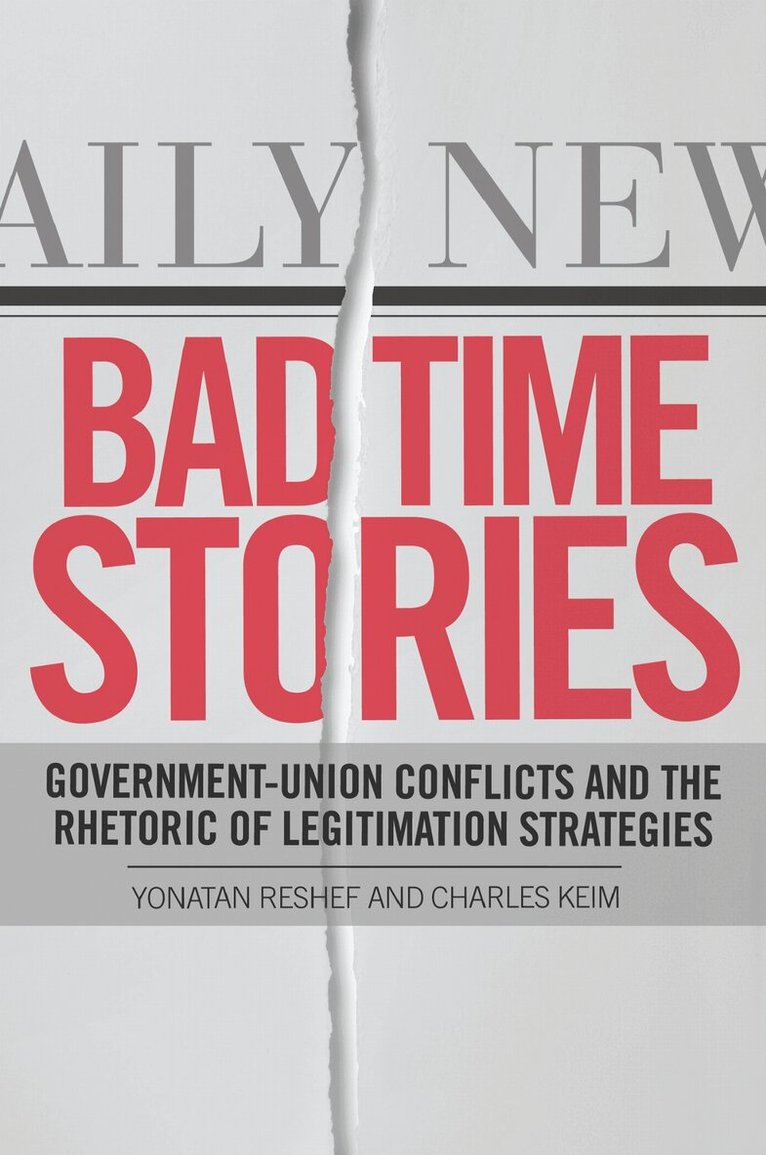
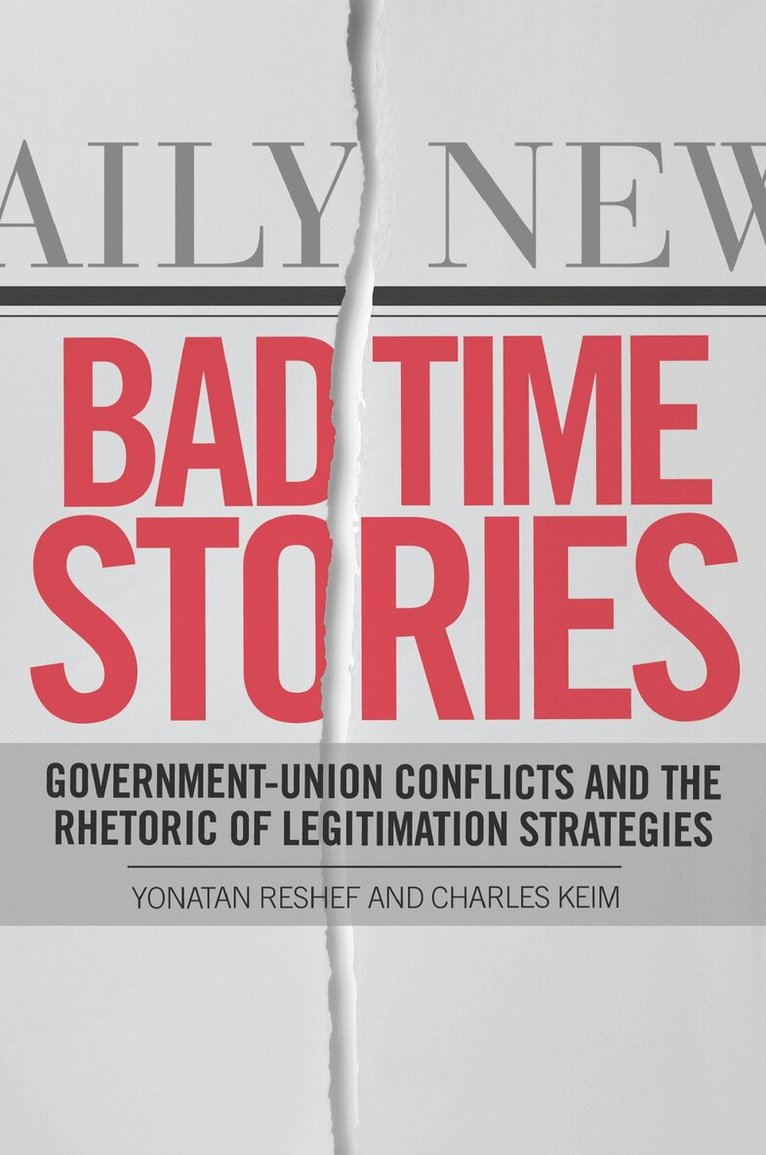
The 1990s and 2000s were especially difficult decades for government–public sector union relations in Canada. Rising costs and growing debts meant that governments were on the lookout for savings, and public sector unions and employees were easy targets for government actions. Bitter conflicts between unions and governments erupted and each labour dispute involved numerous rounds of public rhetoric in which both sides attempted to justify their actions and stigmatize their opponents.In Bad Time Stories, Yonatan Reshef and Charles Keim analyse the language of both parties in order to identify the legitimation strategies at work during government-union conflict. The authors use evidence drawn from newspapers, speeches, parliamentary transcripts, and legal statements in presenting a new framework for understanding the discursive strategies employed by governments and unions in labour disputes.Using a case study and linguistic approach, Bad Time Stories offers a unique perspective on industrial relations and will be of interest to scholars in the areas of business, public policy, and communications, as well to those directly involved in union-management negotiations.
E-bok
Engelska, 2014779 kr
Läs direkt efter köp
The 1990s and 2000s were especially difficult decades for government–public sector union relations in Canada. Rising costs and growing debts meant that governments were on the lookout for savings, and public sector unions and employees were easy targets for government actions. Bitter conflicts between unions and governments erupted and each labour dispute involved numerous rounds of public rhetoric in which both sides attempted to justify their actions and stigmatize their opponents.In Bad Time Stories, Yonatan Reshef and Charles Keim analyse the language of both parties in order to identify the legitimation strategies at work during government-union conflict. The authors use evidence drawn from newspapers, speeches, parliamentary transcripts, and legal statements in presenting a new framework for understanding the discursive strategies employed by governments and unions in labour disputes.Using a case study and linguistic approach, Bad Time Stories offers a unique perspective on industrial relations and will be of interest to scholars in the areas of business, public policy, and communications, as well to those directly involved in union-management negotiations.
Inbunden, Engelska, 2014
628 kr
Skickas inom 5-8 vardagar
The 1990s and 2000s were especially difficult decades for government–public sector union relations in Canada. Rising costs and growing debts meant that governments were on the lookout for savings, and public sector unions and employees were easy targets for government actions. Bitter conflicts between unions and governments erupted and each labour dispute involved numerous rounds of public rhetoric in which both sides attempted to justify their actions and stigmatize their opponents.In Bad Time Stories, Yonatan Reshef and Charles Keim analyse the language of both parties in order to identify the legitimation strategies at work during government-union conflict. The authors use evidence drawn from newspapers, speeches, parliamentary transcripts, and legal statements in presenting a new framework for understanding the discursive strategies employed by governments and unions in labour disputes.Using a case study and linguistic approach, Bad Time Stories offers a unique perspective on industrial relations and will be of interest to scholars in the areas of business, public policy, and communications, as well to those directly involved in union-management negotiations.
E-bok
PDF, Engelska, 20031 124 kr
Läs direkt efter köp
The election of neo-conservative governments in Alberta and Ontario in the early 1990s brought dramatic changes to provincial public policy; both the Ralph Klein Revolution and Mike Harris' Common Sense Revolution emphasized fundamental changes in the role of government, balanced budgets, and the elimination of provincial debts. While public sector unions were forced to react, the response of the Alberta and Ontario unions differed significantly. The reasons, outcome, and long-term impact of the difference is the focus of Yonatan Reshef and Sandra Rastin's careful and revealing analysis.The authors' argument concentrates on union responses to the neo-conservative transformation in the two affected provinces, but the scope of the discussion expands to cover such issues as the differences between the two regimes, the damage to the Ontario labour movement dealt by the labour-oriented NDP government, the limits of inter-union cooperation, and the role of modern unions in politics.Lively and timely, Unions in the Time of Revolution places Canada's unions in the full context of the neo-conservative trend in provincial politics, and demonstrates the importance of individual union responses in times of such significant change.