Yordanka Dimcheva – författare
Visar alla böcker från författaren Yordanka Dimcheva. Handla med fri frakt och snabb leverans.
3 produkter
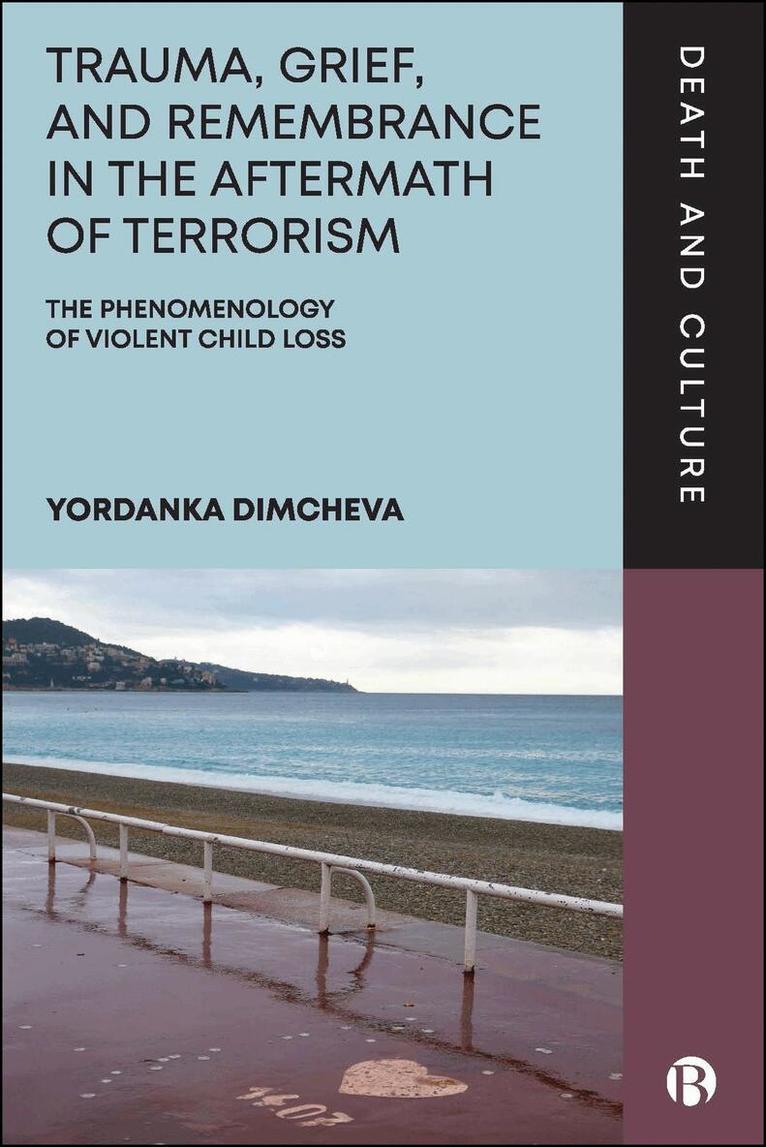
Trauma, Grief, and Remembrance in the Aftermath of Terrorism
The Phenomenology of Violent Child Loss
Inbunden, 2026
1236 kr
Lägg i varukorg
What does it mean to grieve a child lost to an act of terrorism? This book offers a powerful and deeply human exploration of traumatic bereavement, grounded in parents’ first-hand accounts of losing a child to political violence. Drawing on research in France, the book explores how such loss …
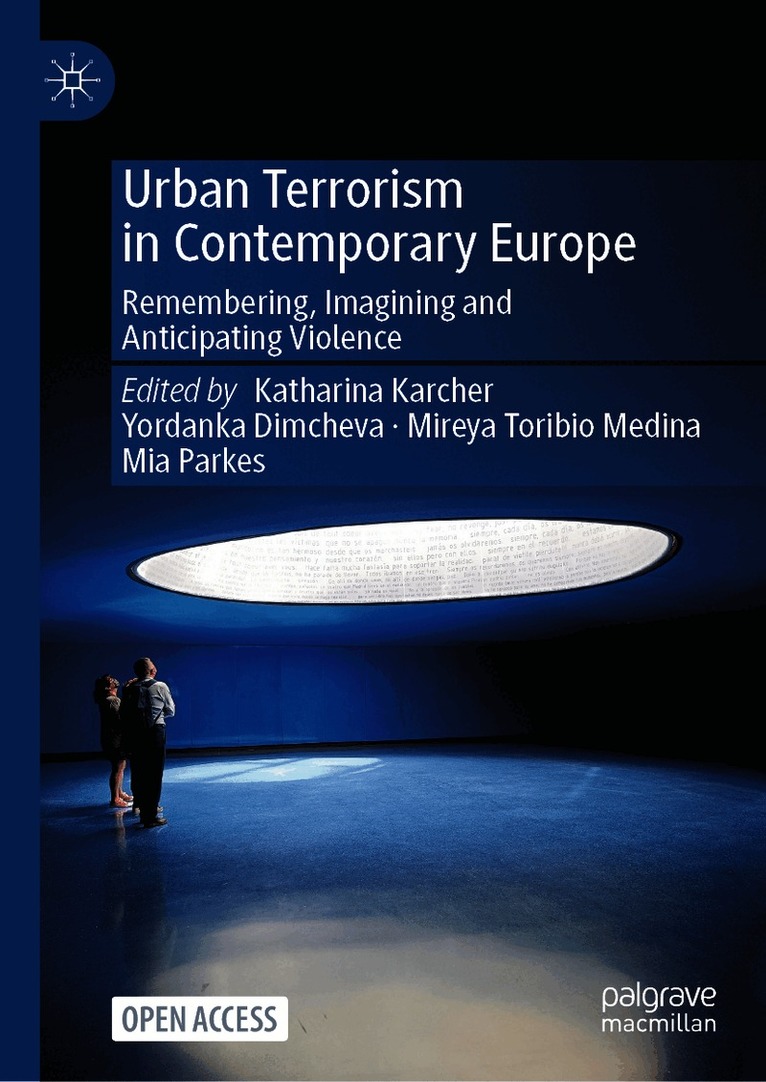
Urban Terrorism in Contemporary Europe
Remembering, Imagining and Anticipating Violence
Av Katharina Karcher, Yordanka Dimcheva m. fl.
Inbunden, 2024
571 kr
Lägg i varukorg
This open access book sheds light on collective practices of remembering, imagining and anticipating in relation to recent acts of urban terrorism in Europe. Analysing a range of personal and collective responses to urban terrorism in contemporary Europe, this book shows that current debates on …
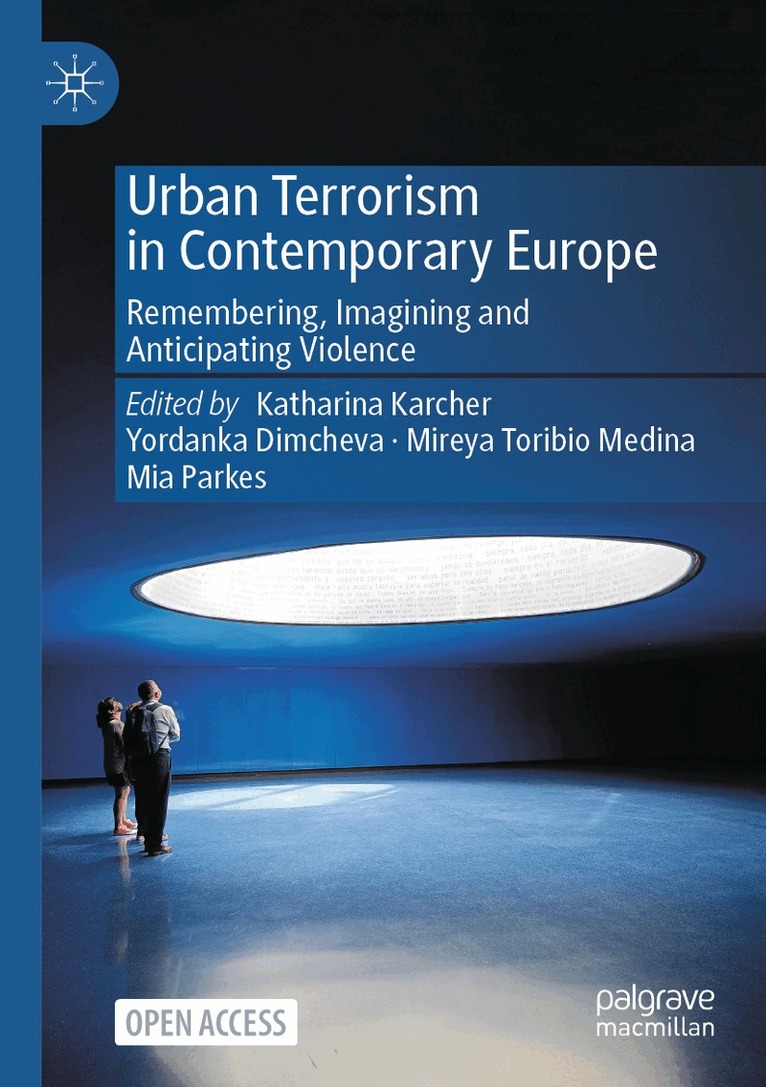
Urban Terrorism in Contemporary Europe
Remembering, Imagining and Anticipating Violence
Av Katharina Karcher, Yordanka Dimcheva m. fl.
Häftad, 2025
458 kr
Lägg i varukorg
This open access book sheds light on collective practices of remembering, imagining and anticipating in relation to recent acts of urban terrorism in Europe. Analysing a range of personal and collective responses to urban terrorism in contemporary Europe, this book shows that current debates on …