Yuliya Minets – författare
Visar alla böcker från författaren Yuliya Minets. Handla med fri frakt och snabb leverans.
7 produkter
Languages and Linguistic Diversity in Late Antique Mediterranean Religions
Häftad, 2026
317 kr
Lägg i varukorg
This Element is a study in cultural history, focusing on ancient Mediterranean religious traditions during the second to the early seventh centuries CE and their attempts to provide theologically sound explanations for the existence of multiple languages. The goal is to deliver a concise but …
Languages and Linguistic Diversity in Late Antique Mediterranean Religions
Inbunden, 2026
938 kr
Lägg i varukorg
This Element is a study in cultural history, focusing on ancient Mediterranean religious traditions during the second to the early seventh centuries CE and their attempts to provide theologically sound explanations for the existence of multiple languages. The goal is to deliver a concise but …
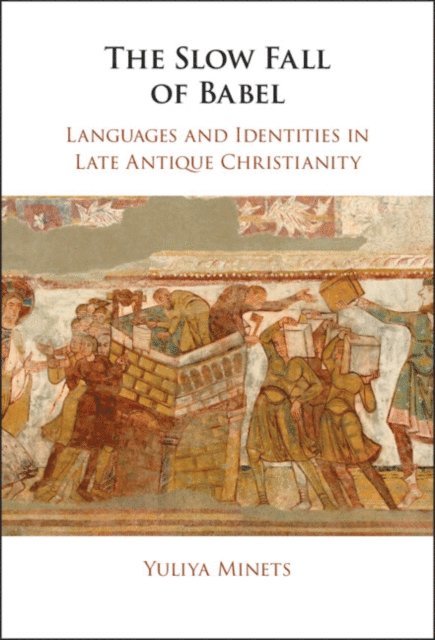
The Slow Fall of Babel
Languages and Identities in Late Antique Christianity
Inbunden, 2021
1677 kr
Lägg i varukorg
This is the story of the transformation of the ways in which the increasingly Christianized elites of the late antique Mediterranean experienced and conceptualized linguistic differences. The metaphor of Babel stands for the magnificent edifice of classical culture that was about to reach the sky, …
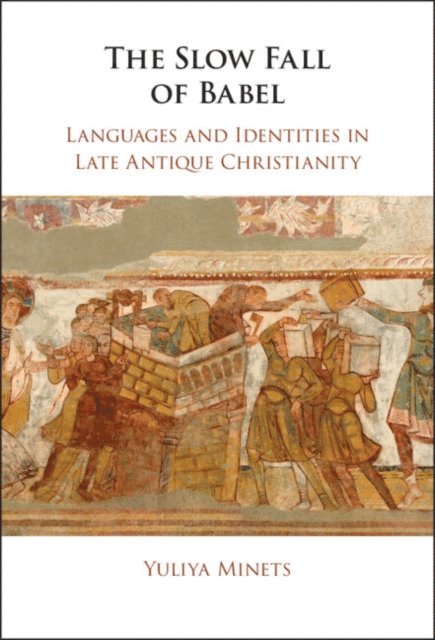
The Slow Fall of Babel
Languages and Identities in Late Antique Christianity
Häftad, 2023
519 kr
Lägg i varukorg
This is the story of the transformation of the ways in which the increasingly Christianized elites of the late antique Mediterranean experienced and conceptualized linguistic differences. The metaphor of Babel stands for the magnificent edifice of classical culture that was about to reach the sky, …
Slow Fall of Babel
Languages and Identities in Late Antique Christianity
E-bok, 2021
504 kr
Lägg i varukorg
This is the story of the transformation of the ways in which the increasingly Christianized elites of the late antique Mediterranean experienced and conceptualized linguistic differences. The metaphor of Babel stands for the magnificent edifice of classical culture that was about to reach the sky, …
Slow Fall of Babel
Languages and Identities in Late Antique Christianity
E-bok, 2021
493 kr
Lägg i varukorg
This is the story of the transformation of the ways in which the increasingly Christianized elites of the late antique Mediterranean experienced and conceptualized linguistic differences. The metaphor of Babel stands for the magnificent edifice of classical culture that was about to reach the sky, …
Shaping Letters, Shaping Communities: Multilingualism and Linguistic Practice in the Late Antique Near East and Egypt
Inbunden, 2023
2221 kr
Lägg i varukorg
The volume explores linguistic practices and choices in the late antique Eastern Mediterranean. It investigates how linguistic diversity and change influenced the social dimension of human interaction, affected group dynamics, the expression and negotiation of various communal identities, such as …