Yuri Tynianov – författare
Visar alla böcker från författaren Yuri Tynianov. Handla med fri frakt och snabb leverans.
13 produkter
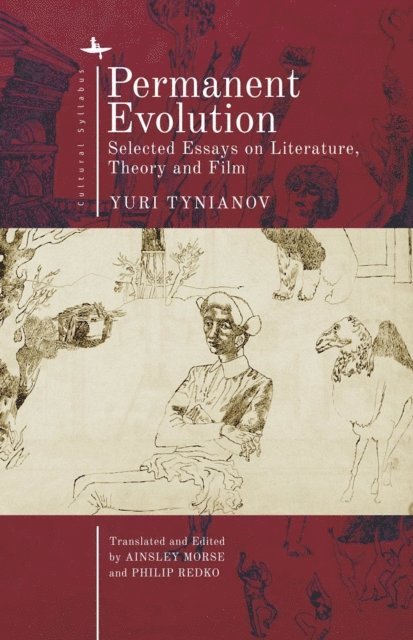
Permanent Evolution
Selected Essays on Literature, Theory and Film
Av Yuri Tynianov, Ainsley Morse
Häftad, 2019
648 kr
Lägg i varukorg
Yuri Tynianov was a key figure of Russian Formalism, an intellectual movement in early 20th century Russia that also included Viktor Shklovsky and Roman Jakobson. Tynianov developed a groundbreaking conceptualization of literature as a system within—and in constant interaction with—other cultural …
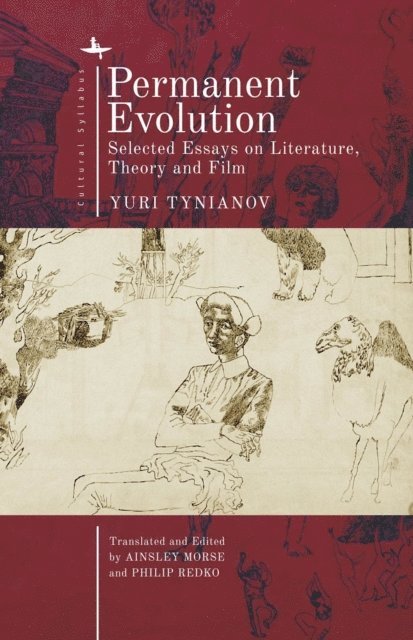
Permanent Evolution
Selected Essays on Literature, Theory and Film
Av Yuri Tynianov, Ainsley Morse
Inbunden, 2019
1832 kr
Lägg i varukorg
Yuri Tynianov was a key figure of Russian Formalism, an intellectual movement in early 20th century Russia that also included Viktor Shklovsky and Roman Jakobson. Tynianov developed a groundbreaking conceptualization of literature as a system within—and in constant interaction with—other cultural …
Permanent Evolution
Selected Essays on Literature, Theory and Film
E-bok, 2019
3982 kr
Lägg i varukorg
Yuri Tynianov was a key figure of Russian Formalism, an intellectual movement in early 20th century Russia that also included Viktor Shklovsky and Roman Jakobson. Tynianov developed a groundbreaking conceptualization of literature as a system within—and in constant interaction with—other cultural …
Permanent Evolution
Selected Essays on Literature, Theory and Film
E-bok, 2019
896 kr
Lägg i varukorg
Yuri Tynianov was a key figure of Russian Formalism, an intellectual movement in early 20th century Russia that also included Viktor Shklovsky and Roman Jakobson. Tynianov developed a groundbreaking conceptualization of literature as a system within—and in constant interaction with—other cultural …
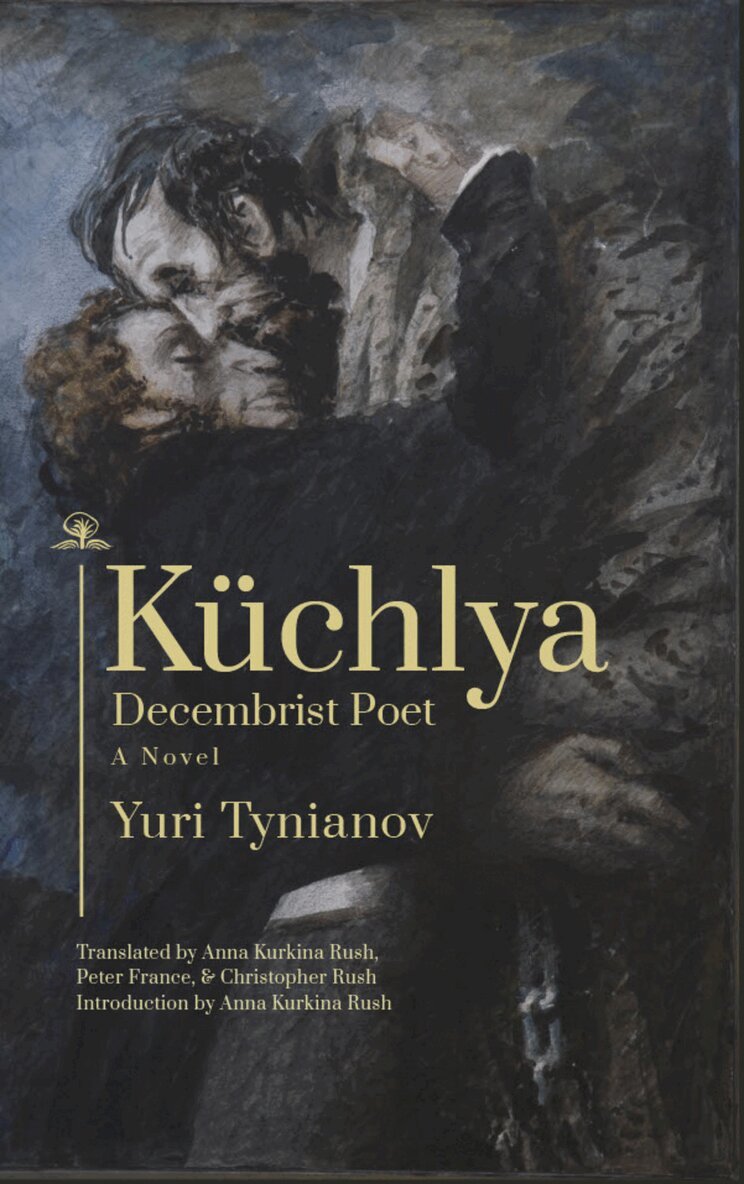
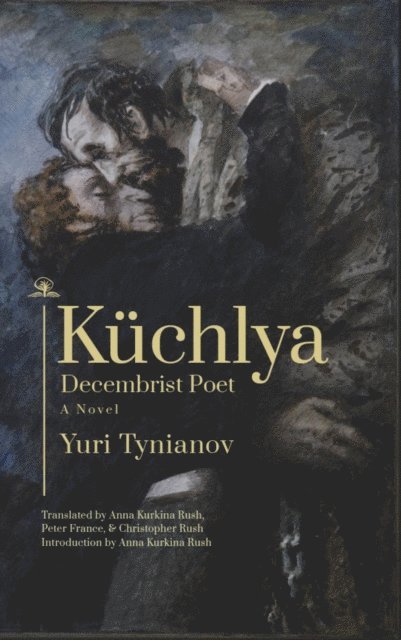
Küchlya
Decembrist Poet. A Novel
Inbunden, 2021
1515 kr
Lägg i varukorg
The poet Wilhelm Küchelbecker, Pushkin’s school-friend, suffered twenty years of imprisonment and Siberian exile for his part in the ill-fated Decembrist rising of 1825 against the Russian autocracy. His largely forgotten life and work are vividly recreated in Küchlya (1925), a pioneering …
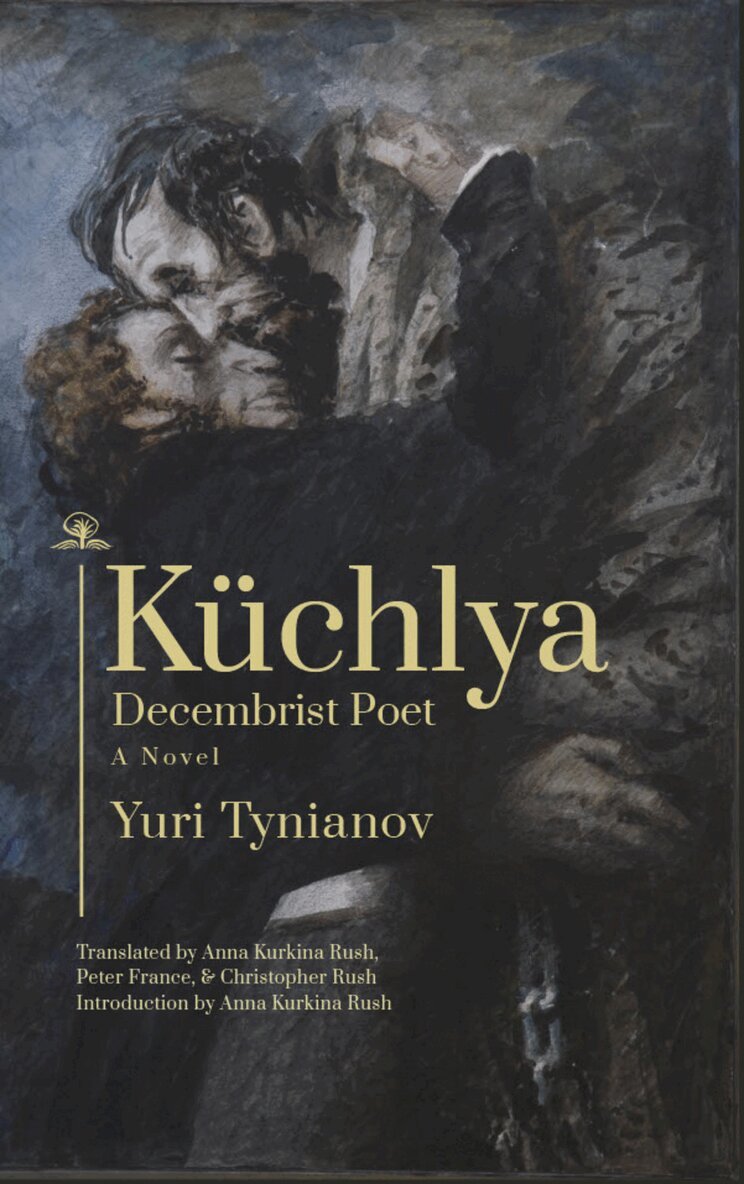
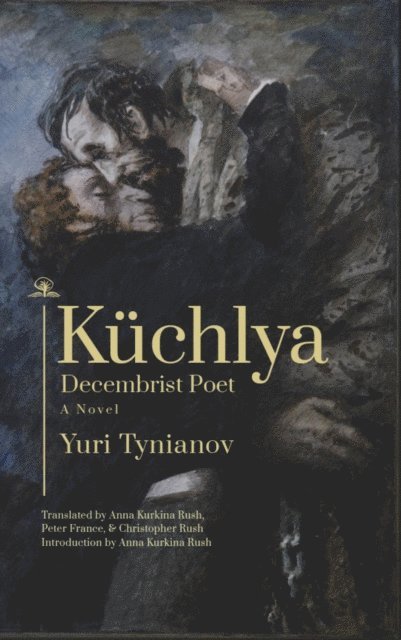
Küchlya
Decembrist Poet. A Novel
Häftad, 2021
347 kr
Lägg i varukorg
The poet Wilhelm Küchelbecker, Pushkin’s school-friend, suffered twenty years of imprisonment and Siberian exile for his part in the ill-fated Decembrist rising of 1825 against the Russian autocracy. His largely forgotten life and work are vividly recreated in Küchlya (1925), a pioneering …
Kuchlya
Decembrist Poet. A Novel
E-bok, 2021
3186 kr
Lägg i varukorg
The poet Wilhelm Küchelbecker, Pushkin’s school-friend, suffered twenty years of imprisonment and Siberian exile for his part in the ill-fated Decembrist rising of 1825 against the Russian autocracy. His largely forgotten life and work are vividly recreated in Küchlya (1925), a pioneering …
Kuchlya
Decembrist Poet. A Novel
E-bok, 2021
538 kr
Lägg i varukorg
The poet Wilhelm Küchelbecker, Pushkin’s school-friend, suffered twenty years of imprisonment and Siberian exile for his part in the ill-fated Decembrist rising of 1825 against the Russian autocracy. His largely forgotten life and work are vividly recreated in Küchlya (1925), a pioneering …
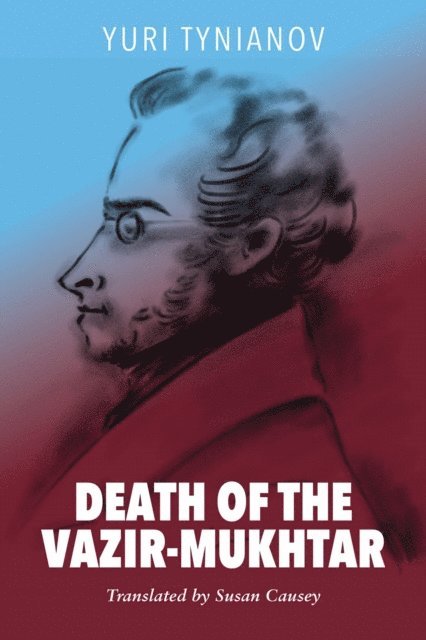
Death of the Vazir-Mukhtar
Av Yuri Tynianov, Vera Tsareva-Brauner
E-bok, 2018
149 kr
Lägg i varukorg
The Plot Death of the Vazir-Mukhtar tells the story of the last year in the life of Alexander Griboyedov, a diplomat and playwright in the Russia of Tsar Nicholas I. The novel takes him from being feted in St Petersburg in March 1828, as the successful negotiator of a peace treaty with Persia, …
Lieutenant Kizhe
E-bok, 2021
94 kr
Lägg i varukorg
A young clerk makes a mistake, the Tsar of Russia falls into a rage, and Lieutenant Kizhe is created from nothing. That''s how this savage, funny satire begins. Set in the Russia of Pavel I, son of Catherine the Great, its mockery of authoritarian rule is a tale for all ages. Yuri Tynianov was a …
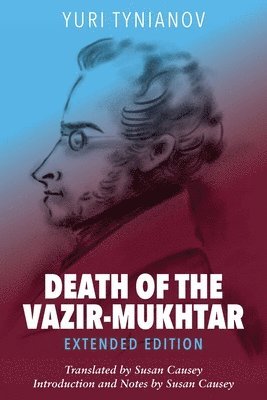
Death of the Vazir-Mukhtar Extended Edition
Av Yuri Tynianov, Vera Tsareva-Brauner
Häftad, 2019
370 kr
Tillfälligt slut