Yuta Izumi – författare
Visar alla böcker från författaren Yuta Izumi. Handla med fri frakt och snabb leverans.
8 produkter
Airborne Circularly Polarized SAR
Theory, System Design, Hardware Implementation, and Applications
Av Yuta Izumi, Cahya Edi Santosa m. fl.
E-bok, 2023
849 kr
Lägg i varukorg
A comprehensive resource on airborne synthetic aperture radar (SAR) systems, Airborne Circularly Polarized SAR explains the theory, system design, hardware and software, and applications of airborne circularly polarized SAR in environmental monitoring and other uses. Readers learn how to build the …
Airborne Circularly Polarized SAR
Theory, System Design, Hardware Implementation, and Applications
Av Yuta Izumi, Cahya Edi Santosa m. fl.
E-bok, 2023
849 kr
Lägg i varukorg
A comprehensive resource on airborne synthetic aperture radar (SAR) systems, Airborne Circularly Polarized SAR explains the theory, system design, hardware and software, and applications of airborne circularly polarized SAR in environmental monitoring and other uses. Readers learn how to build the …
Airborne Circularly Polarized SAR
Theory, System Design, Hardware Implementation, and Applications
Av Josaphat Tetuko Sri Sumantyo, Ming Yam Chua m. fl.
Inbunden, 2023
2510 kr
Lägg i varukorg
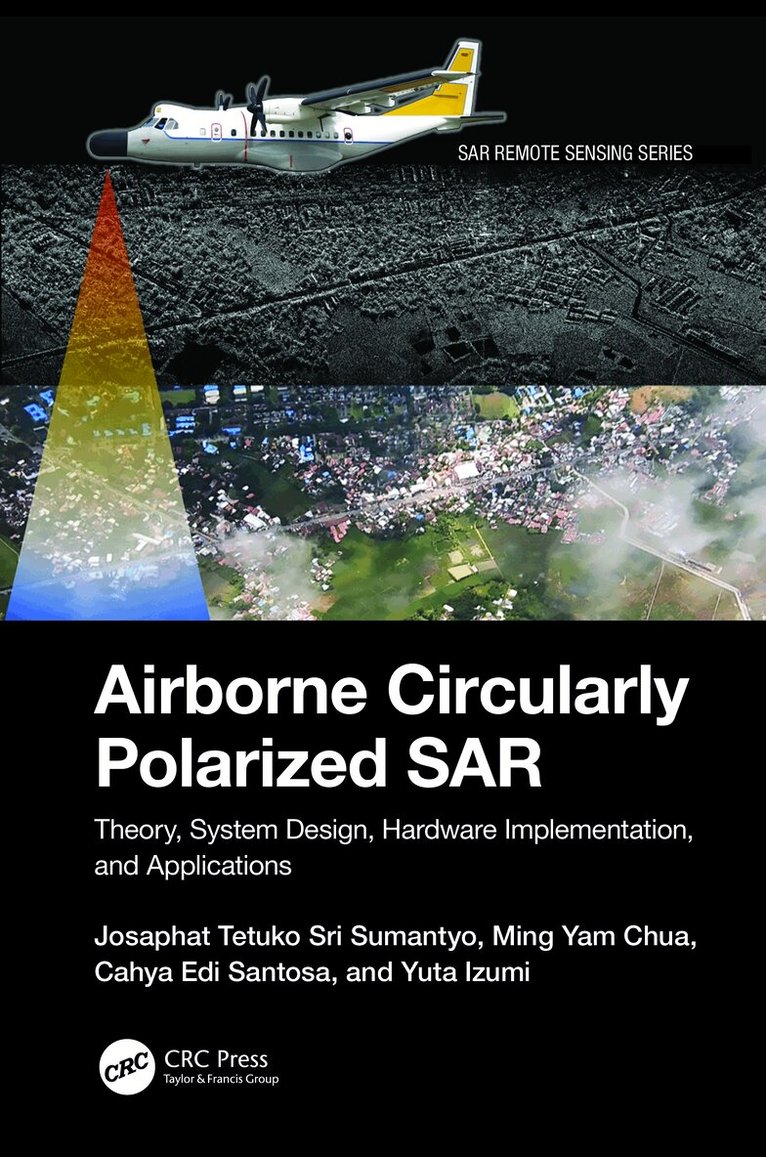
A comprehensive resource on airborne synthetic aperture radar (SAR) systems, Airborne Circularly Polarized SAR explains the theory, system design, hardware and software, and applications of airborne circularly polarized SAR in environmental monitoring and other uses. Readers learn how to build the …
Airborne Circularly Polarized SAR
Theory, System Design, Hardware Implementation, and Applications
Av Josaphat Tetuko Sri Sumantyo, Ming Yam Chua m. fl.
Häftad, 2024
807 kr
Lägg i varukorg
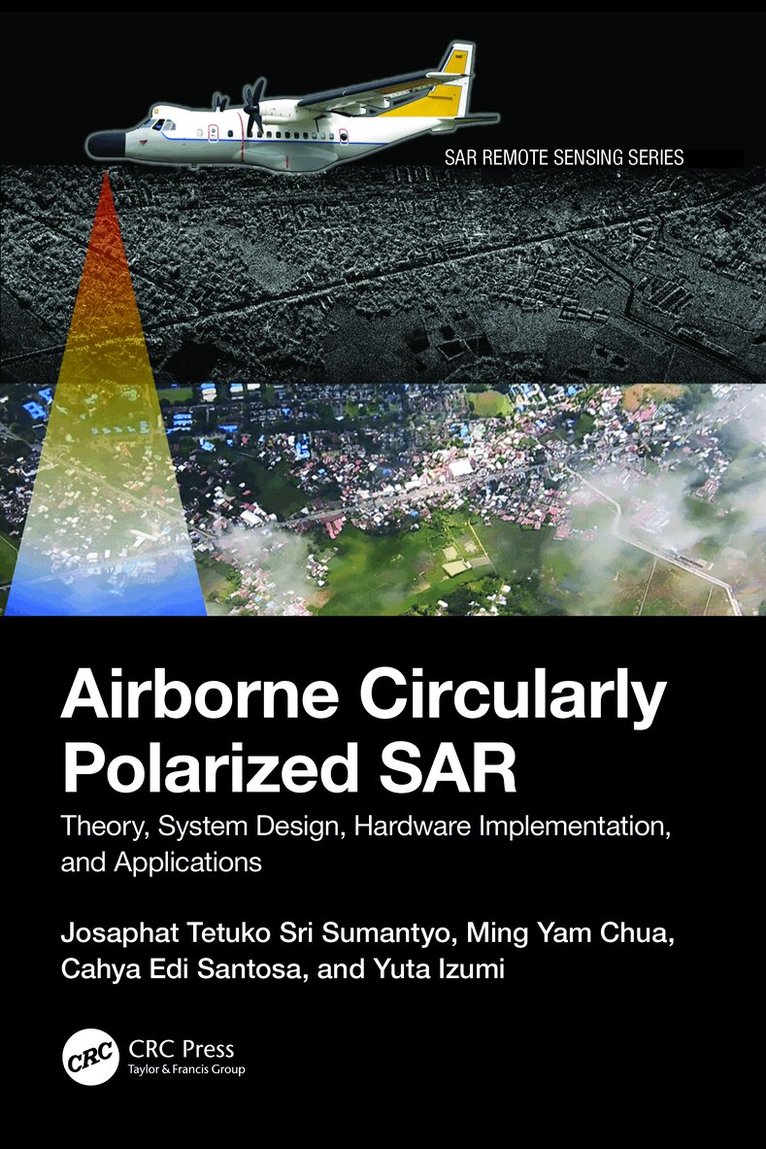
A comprehensive resource on airborne synthetic aperture radar (SAR) systems, Airborne Circularly Polarized SAR explains the theory, system design, hardware and software, and applications of airborne circularly polarized SAR in environmental monitoring and other uses. Readers learn how to build the …
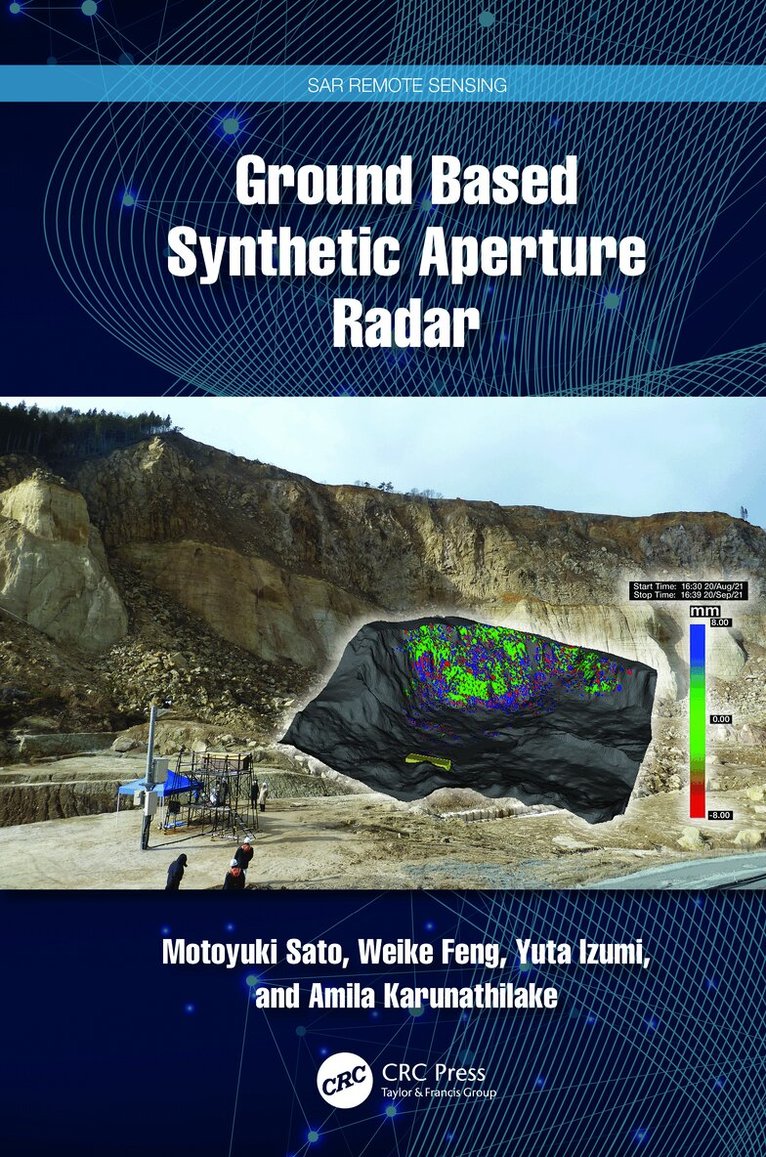
Ground Based Synthetic Aperture Radar
Av Motoyuki Sato, Weike Feng m. fl.
Inbunden, 2024
2131 kr
Lägg i varukorg
Ground based synthetic aperture radar (GB-SAR) is used to effectively mitigate natural disasters and monitor social infrastructure such as bridges, dams, and airport pavement surfaces. This book explains the fundamentals of radar technology, the principles of synthetic aperture radar (SAR) image …
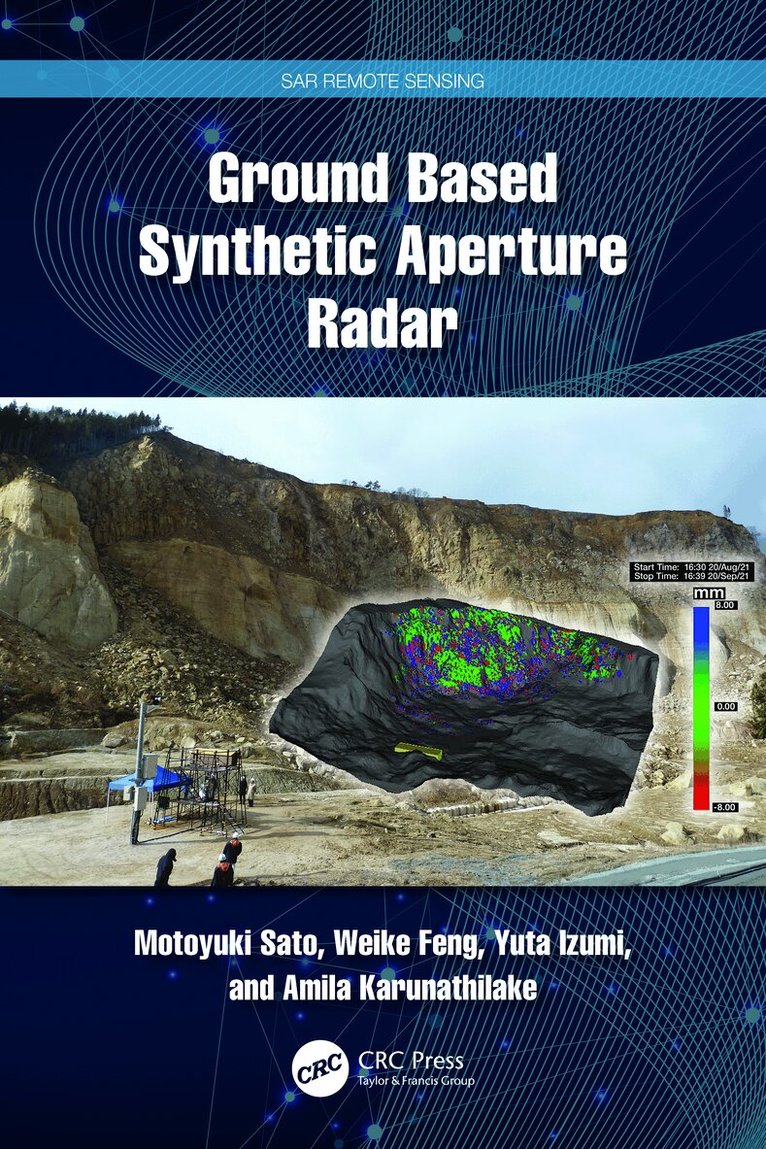
Ground Based Synthetic Aperture Radar
Av Motoyuki Sato, Weike Feng m. fl.
Häftad, 2026
822 kr
Lägg i varukorg
Ground based synthetic aperture radar (GB-SAR) is used to effectively mitigate natural disasters and monitor social infrastructure such as bridges, dams, and airport pavement surfaces. This book explains the fundamentals of radar technology, the principles of synthetic aperture radar (SAR) image …
Ground Based Synthetic Aperture Radar
Av Amila Karunathilake, Yuta Izumi m. fl.
E-bok, 2024
1849 kr
Lägg i varukorg
Ground based synthetic aperture radar (GB-SAR) is used to effectively mitigate natural disasters and monitor social infrastructure such as bridges, dams, and airport pavement surfaces. This book explains the fundamentals of radar technology, the principles of synthetic aperture radar (SAR) image …
Ground Based Synthetic Aperture Radar
Av Amila Karunathilake, Yuta Izumi m. fl.
E-bok, 2024
1905 kr
Lägg i varukorg
Ground based synthetic aperture radar (GB-SAR) is used to effectively mitigate natural disasters and monitor social infrastructure such as bridges, dams, and airport pavement surfaces. This book explains the fundamentals of radar technology, the principles of synthetic aperture radar (SAR) image …