Zaad Mahmood – författare
Visar alla böcker från författaren Zaad Mahmood. Handla med fri frakt och snabb leverans.
5 produkter
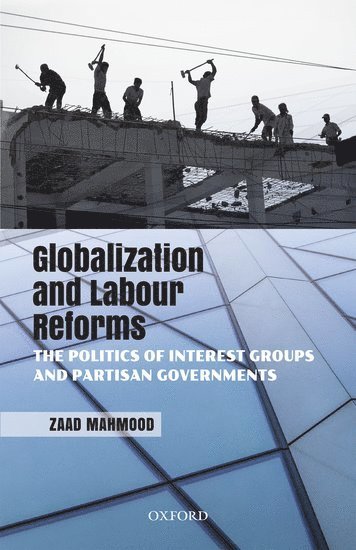
Globalization and Labour Reforms
The Politics of Interest Groups and Partisan Governments
Av Zaad Mahmood
Inbunden, 2017
736 kr
Lägg i varukorg
Globalization, as commonly understood, limits policy choices of a nation by creating structural-institutional constraints. This leads to an important question: are political actors still relevant in shaping policy in the interest of domestic socio-economic concerns? This book draws attention to the …
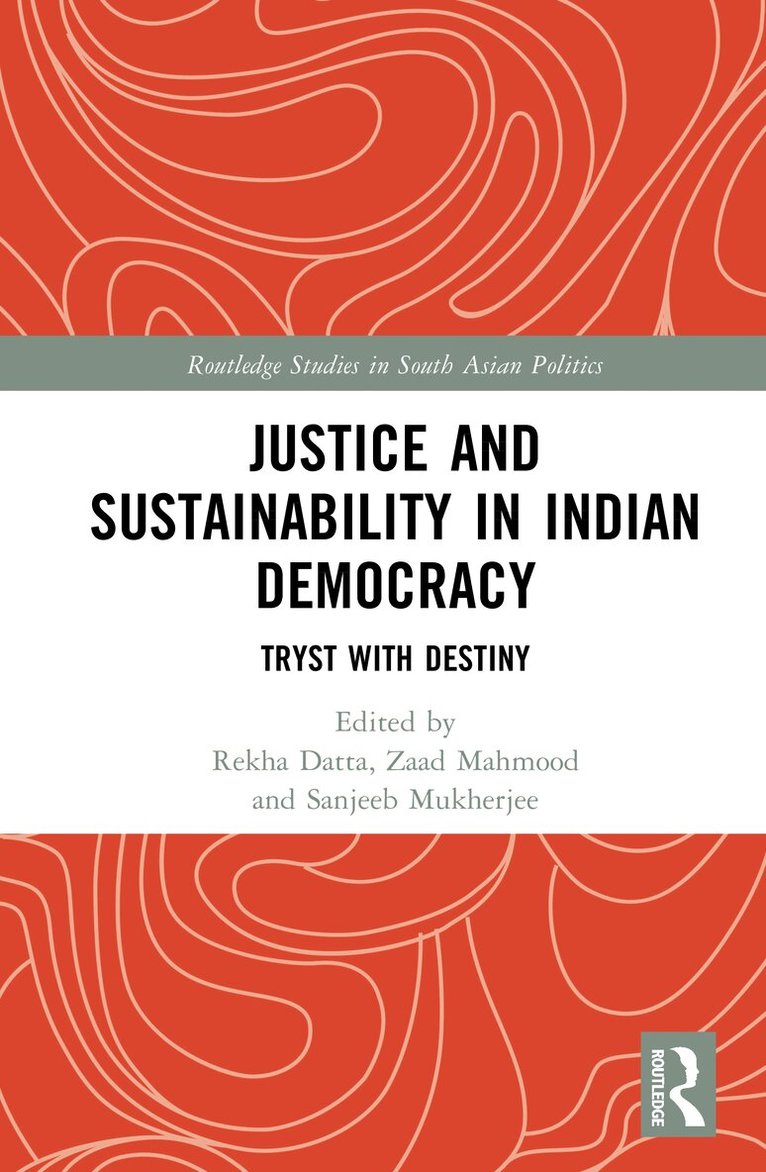
Justice and Sustainability in Indian Democracy
Tryst with Destiny
Av Rekha Datta, Zaad Mahmood m. fl.
Inbunden, 2026
2478 kr
Kommande
Offering a unique examination of India’s democratic political system by using the dual premises of justice and sustainability, this book argues that India's democratic trajectory – and the sustainability of democratic governance – depends on its capacity to deliver social, economic, and ecological …
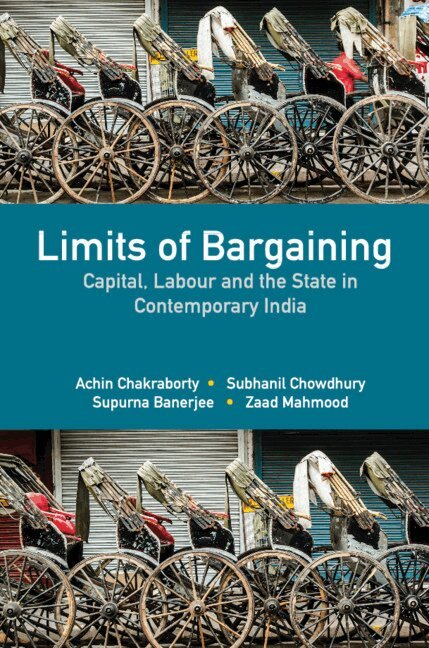
Limits of Bargaining
Capital, Labour and the State in Contemporary India
Av Achin Chakraborty, Subhanil Chowdhury m. fl.
Inbunden, 2019
1391 kr
Lägg i varukorg
Limits of Bargaining is an original addition to the political economy analysis of capital-labour relations in the organised industrial sector in the context of economic liberalisation in India. It analyses the dynamics of the capital-labour bargaining process in the context of the changing nature …
Limits of Bargaining
Capital, Labour and the State in Contemporary India
Av Zaad Mahmood, Supurna Banerjee m. fl.
E-bok, 2019
1377 kr
Lägg i varukorg
Limits of Bargaining is an original addition to the political economy analysis of capital-labour relations in the organised industrial sector in the context of economic liberalisation in India. It analyses the dynamics of the capital-labour bargaining process in the context of the changing nature …
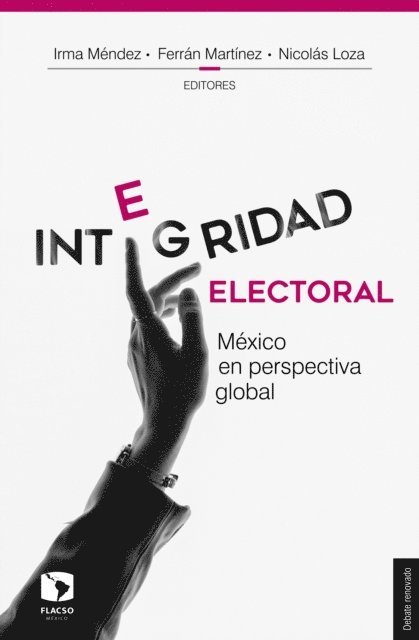
Integridad electoral
México en perspectiva global
Av Catalina Uribe Burcher, Brenda Santamaria m. fl.
E-bok, 2021
100 kr
Lägg i varukorg
La distancia que hay entre la incorporación de los requisitos formales para que unas elecciones sean consideradas libres, justas y equitativas, y la persistencia de las malas prácticas electorales, ha dado lugar a propuestas muy diversas que brindan herramientas para el análisis exhaustivo de las …