Zhang Cheng – författare
Visar alla böcker från författaren . Handla med fri frakt och snabb leverans.
5 produkter
5 produkter
Inbunden, Engelska, 2022
640 kr
Skickas inom 5-8 vardagar
E-bok
Kinesiska, 2021363 kr
Läs direkt efter köp
This book travels through the tunnel of time and uncovers the mystery of the Southern Song Dynasty. The light songs and dances by the West Lake pool, the ingenious and exquisite treasures, the three stacks of Song lyrics and songs, the heroes and talents who shine like stars... What's more exciting is the things in the book: in the face of external military threats, how should the Southern Song Dynasty people realize the nightmare of restoring their country? Why did the emperors of the Southern Song Dynasty who were determined to do things end up being mediocre and become the "e;Supreme Emperor"e; who didn't care about the world? Why was the highly prosperous material culture of the Southern Song Dynasty unable to resist the iron hoof of Mongolia and quietly broken. The book shows not only the luxury of the Southern Song Dynasty, but also her struggle, blood and backbone.
Inbunden, Engelska, 2021
1 403 kr
Skickas inom 10-15 vardagar
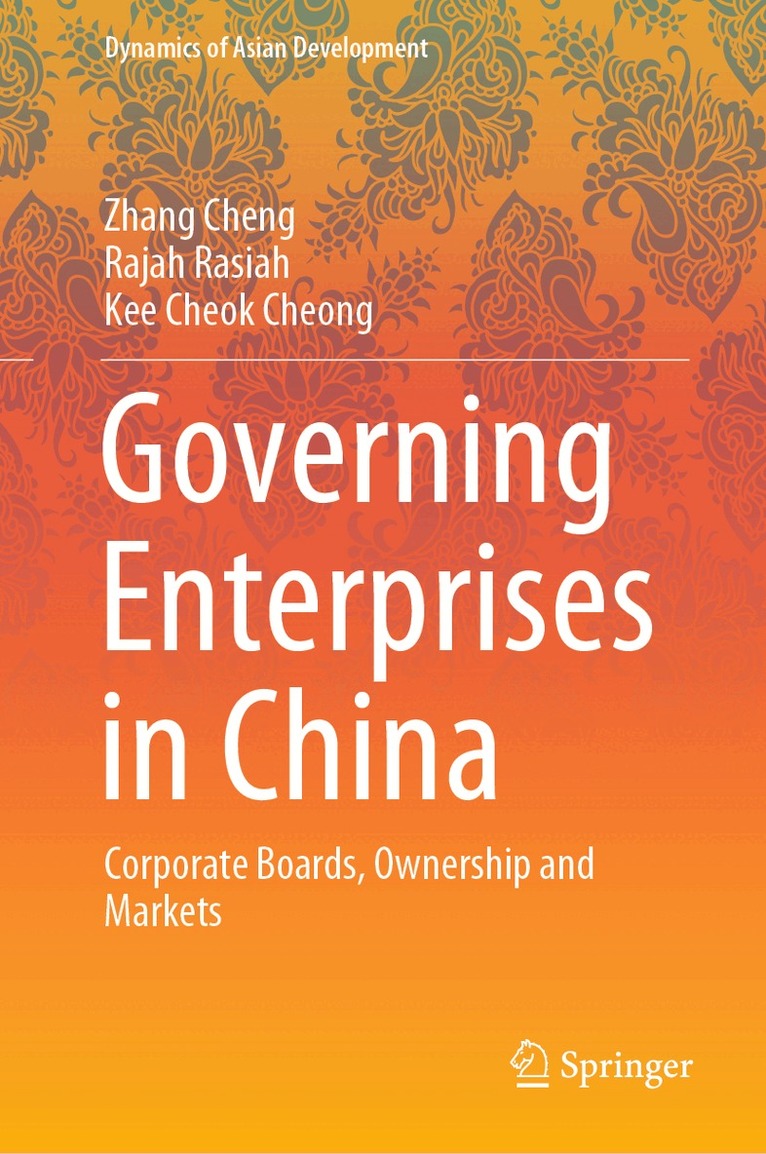
This book examines the nature of the marketization of corporate boards following the introduction of the split share reform, corporate board and shareholder relations, corporate performance, and risk-taking conduct in China. The chapters cover topics such as determinants of corporate board size and independence, corporate risk-taking conduct under different controlling shareholder types. The book deepens our understanding of corporate governance mechanisms as most previous studies have limited their findings using mainstream perspectives grounded on neoclassical theory. It outlines that China’s corporate board composition is determined by the board’s scope of operation, monitoring, bargaining power, and other governance mechanisms and regulations. It also offers a comparison between China’s experience with other economies in general and other transition economies in particular. As such, the book represents an essential overview of thecurrent concerns regarding corporate governance in China. It is of great interest to legal researchers, policymakers, and legal practitioners working with business investments in China.
E-bok
Engelska, 20211 687 kr
Läs direkt efter köp
This book examines the nature of the marketization of corporate boards following the introduction of the split share reform, corporate board and shareholder relations, corporate performance, and risk-taking conduct in China. The chapters cover topics such as determinants of corporate board size and independence, corporate risk-taking conduct under different controlling shareholder types. The book deepens our understanding of corporate governance mechanisms as most previous studies have limited their findings using mainstream perspectives grounded on neoclassical theory. It outlines that China’s corporate board composition is determined by the board’s scope of operation, monitoring, bargaining power, and other governance mechanisms and regulations. It also offers a comparison between China’s experience with other economies in general and other transition economies in particular. As such, the book represents an essential overview of thecurrent concerns regarding corporate governance in China. It is of great interest to legal researchers, policymakers, and legal practitioners working with business investments in China.
Häftad, Engelska, 2022
1 403 kr
Skickas inom 10-15 vardagar
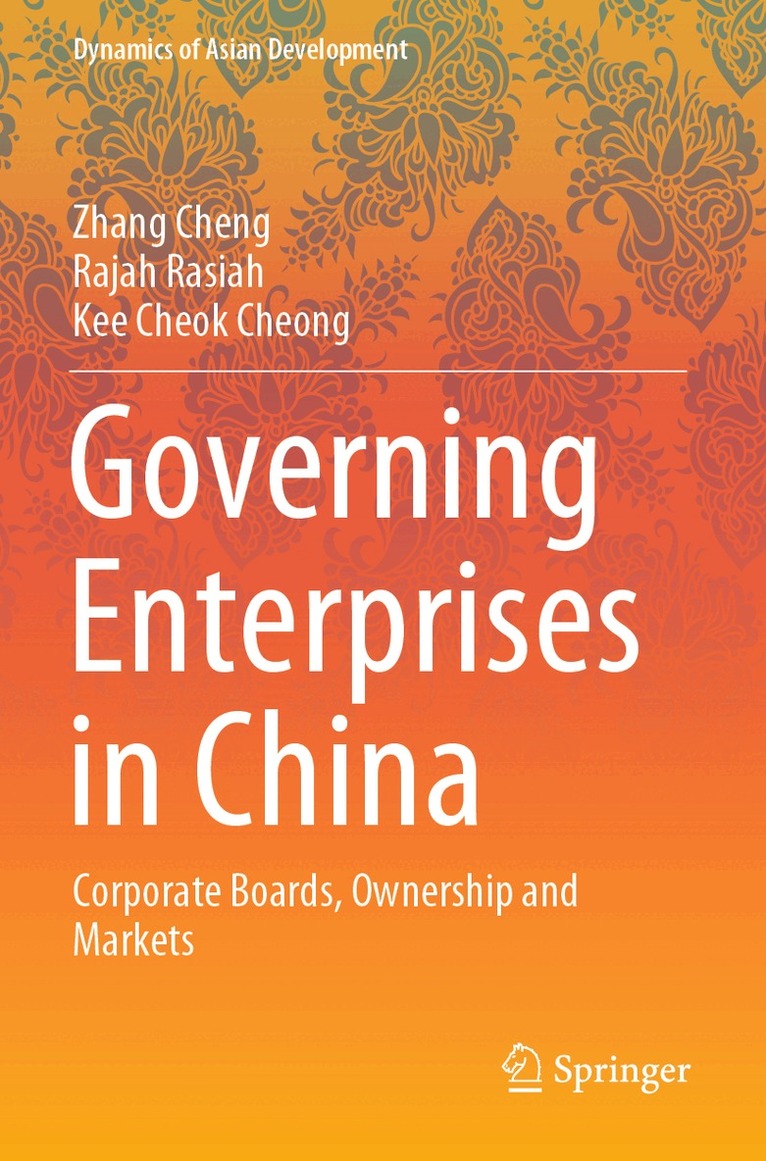
This book examines the nature of the marketization of corporate boards following the introduction of the split share reform, corporate board and shareholder relations, corporate performance, and risk-taking conduct in China. The chapters cover topics such as determinants of corporate board size and independence, corporate risk-taking conduct under different controlling shareholder types. The book deepens our understanding of corporate governance mechanisms as most previous studies have limited their findings using mainstream perspectives grounded on neoclassical theory. It outlines that China’s corporate board composition is determined by the board’s scope of operation, monitoring, bargaining power, and other governance mechanisms and regulations. It also offers a comparison between China’s experience with other economies in general and other transition economies in particular. As such, the book represents an essential overview of thecurrent concerns regarding corporate governance in China. It is of great interest to legal researchers, policymakers, and legal practitioners working with business investments in China.