Zhang Zhen – författare
Visar alla böcker från författaren Zhang Zhen. Handla med fri frakt och snabb leverans.
4 produkter
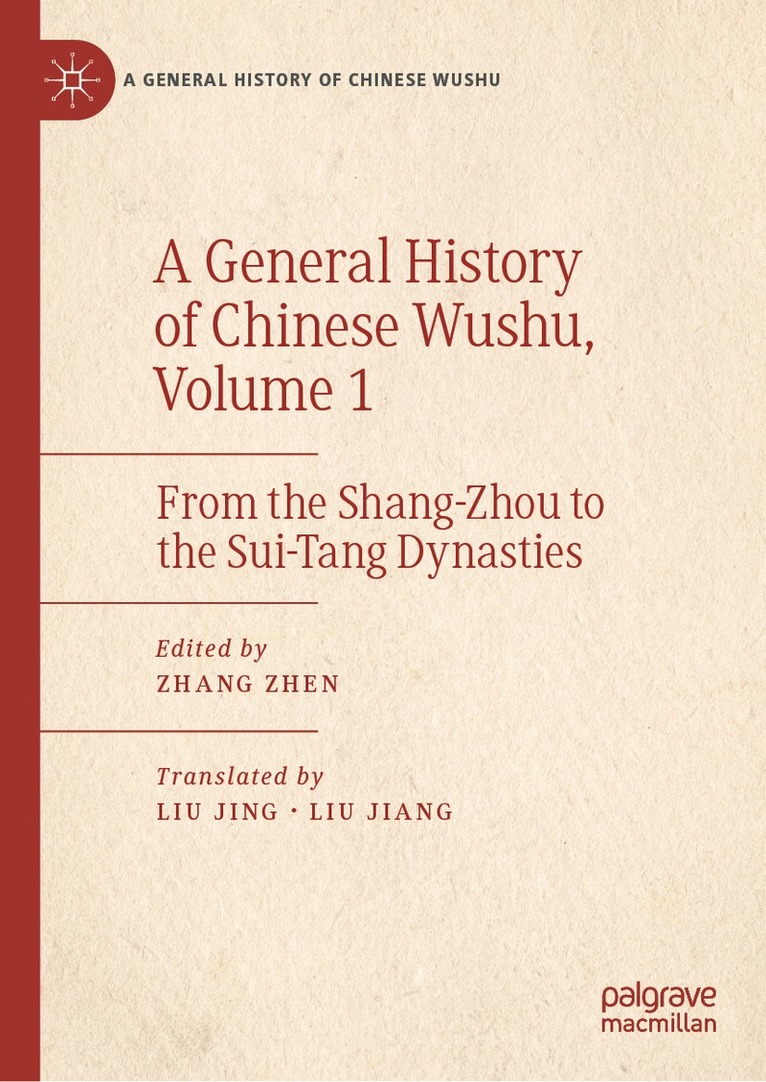
General History of Chinese Wushu, Volume 1
From the Shang-Zhou to the Sui-Tang Dynasties
Av Zhang Zhen
Inbunden, 2026
1795 kr
Kommande
This volume adopts the perspectives of historical hermeneutics and technological anthropology to explore the cultural evolution of Wushu. Drawing extensively on classical historical sources, excavated manuscripts, unearthed martial‑arts artifacts, and a method of mutual corroboration between …
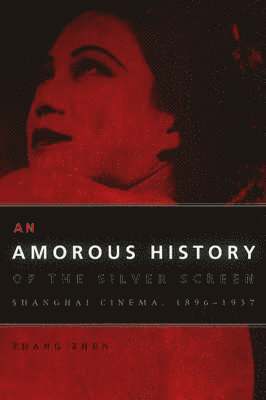
Amorous History of the Silver Screen
Shanghai Cinema, 1896-1937
Av Zhang Zhen
Häftad, 2006
454 kr
Lägg i varukorg
Shanghai in the early twentieth century was alive with art and culture. With the proliferation of popular genres such as the martial arts film, the contest among various modernist filmmakers, and the advent of sound, Chinese cinema was transforming urban life. But with the Japanese invasion in …
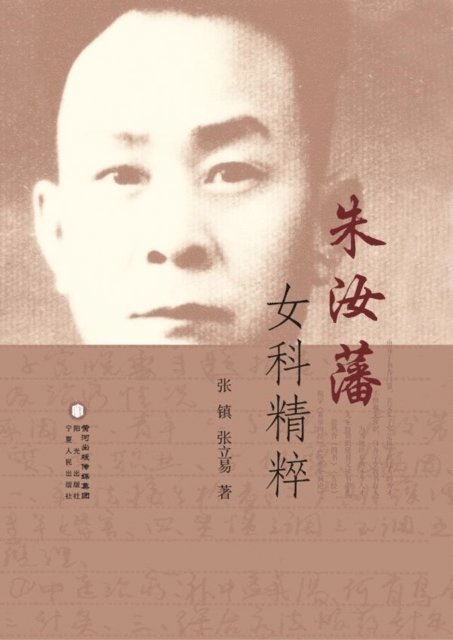
Zhu Rufan's Quintessence on Gynecology
Av Zhang Zhen
E-bok, 2016
202 kr
Lägg i varukorg
This book is written by Zhang Zhen, the direct-line disciple of Mr. Zhu Rufan, a famous doctor in Ningxia, and Zhang Liyi, the indirect-line disciple.This book introduces such content as the theoretical thoughts, clinical experience and living examples of proved recipes of Mr. Zhu Rufan on …
Amorous History of the Silver Screen
Shanghai Cinema, 1896-1937
Av Zhang Zhen
Inbunden, 2006
1074 kr
Tillfälligt slut
Shanghai in the early twentieth century was alive with art and culture. With the proliferation of popular genres such as the martial arts film, the contest among various modernist filmmakers, and the advent of sound, Chinese cinema was transforming urban life. But with the Japanese invasion in …