Zhenzhong Si – författare
Visar alla böcker från författaren Zhenzhong Si. Handla med fri frakt och snabb leverans.
3 produkter
3 produkter
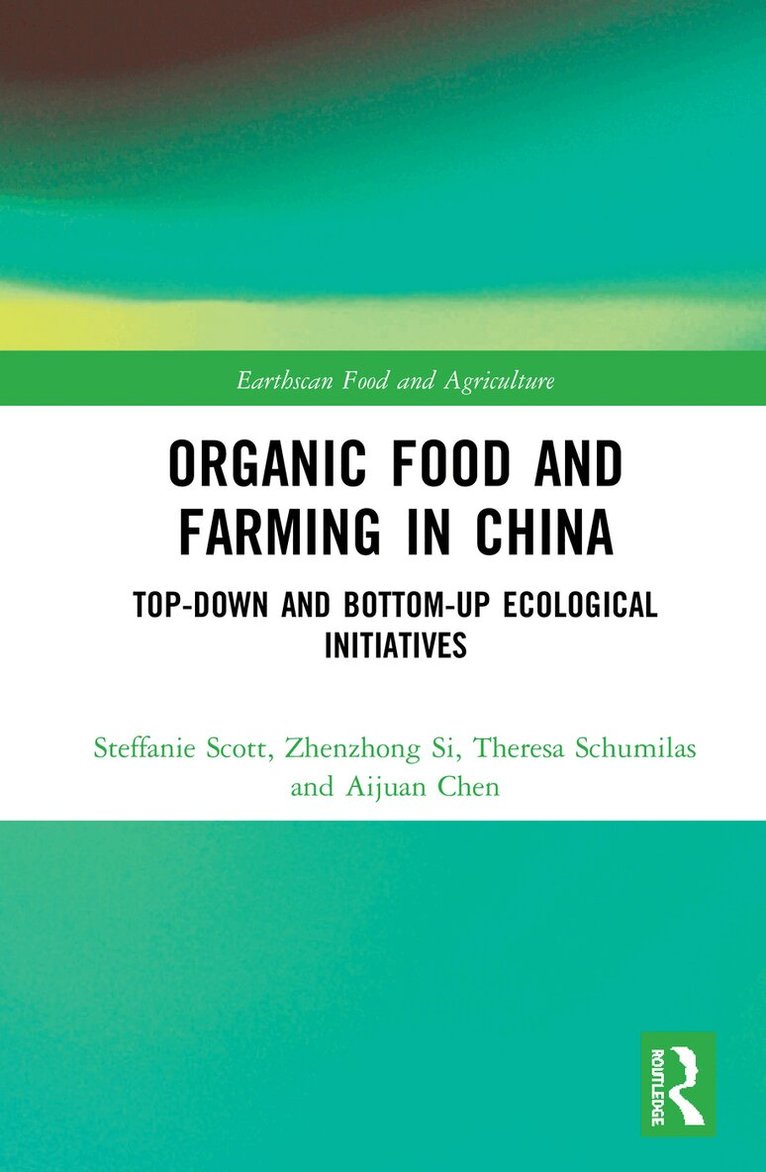
Organic Food and Farming in China
Top-down and Bottom-up Ecological Initiatives
Häftad, Engelska, 2020
625 kr
Skickas inom 10-15 vardagar
Despite reports of food safety and quality scandals, China has a rapidly expanding organic agriculture and food sector, and there is a revolution in ecological food and ethical eating in China’s cities. This book shows how a set of social, economic, cultural, and environmental conditions have converged to shape the development of a "formal" organic sector, created by "top-down" state-developed standards and regulations, and an "informal" organic sector, created by ‘bottom-up’ grassroots struggles for safe, healthy, and sustainable food. This is generating a new civil movement focused on ecological agriculture and quality food. Organic movements and markets have typically emerged in industrialized food systems that are characterized by private land ownership, declining small farm sectors, consolidated farm to retail chains, predominance of supermarket retail, standards and laws to safeguard food safety, and an active civil society sector. The authors contrast this with the Chinese context, with its unique version of "capitalism with social characteristics," collective farmland ownership, and predominance of smallholder agriculture and emerging diverse marketing channels. China’s experience also reflects a commitment to domestic food security, evolving food safety legislation, and a civil society with limited autonomy from a semi-authoritarian state that keeps shifting the terrain of what is permitted. The book will be of great interest to advanced students and researchers of agricultural and food systems and policy, as well as rural sociology and Chinese studies.
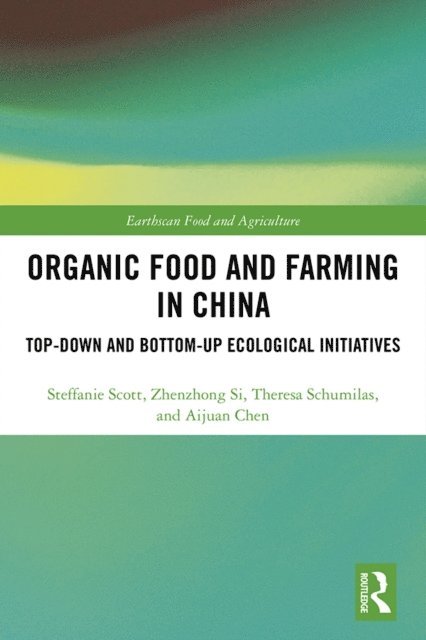
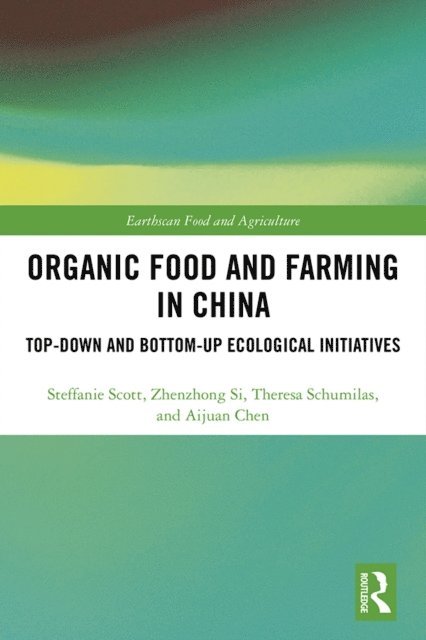
Organic Food and Farming in China
Top-down and Bottom-up Ecological Initiatives
Inbunden, Engelska, 2018
2 138 kr
Skickas inom 10-15 vardagar
Despite reports of food safety and quality scandals, China has a rapidly expanding organic agriculture and food sector, and there is a revolution in ecological food and ethical eating in China’s cities. This book shows how a set of social, economic, cultural, and environmental conditions have converged to shape the development of a "formal" organic sector, created by "top-down" state-developed standards and regulations, and an "informal" organic sector, created by ‘bottom-up’ grassroots struggles for safe, healthy, and sustainable food. This is generating a new civil movement focused on ecological agriculture and quality food. Organic movements and markets have typically emerged in industrialized food systems that are characterized by private land ownership, declining small farm sectors, consolidated farm to retail chains, predominance of supermarket retail, standards and laws to safeguard food safety, and an active civil society sector. The authors contrast this with the Chinese context, with its unique version of "capitalism with social characteristics," collective farmland ownership, and predominance of smallholder agriculture and emerging diverse marketing channels. China’s experience also reflects a commitment to domestic food security, evolving food safety legislation, and a civil society with limited autonomy from a semi-authoritarian state that keeps shifting the terrain of what is permitted. The book will be of great interest to advanced students and researchers of agricultural and food systems and policy, as well as rural sociology and Chinese studies.
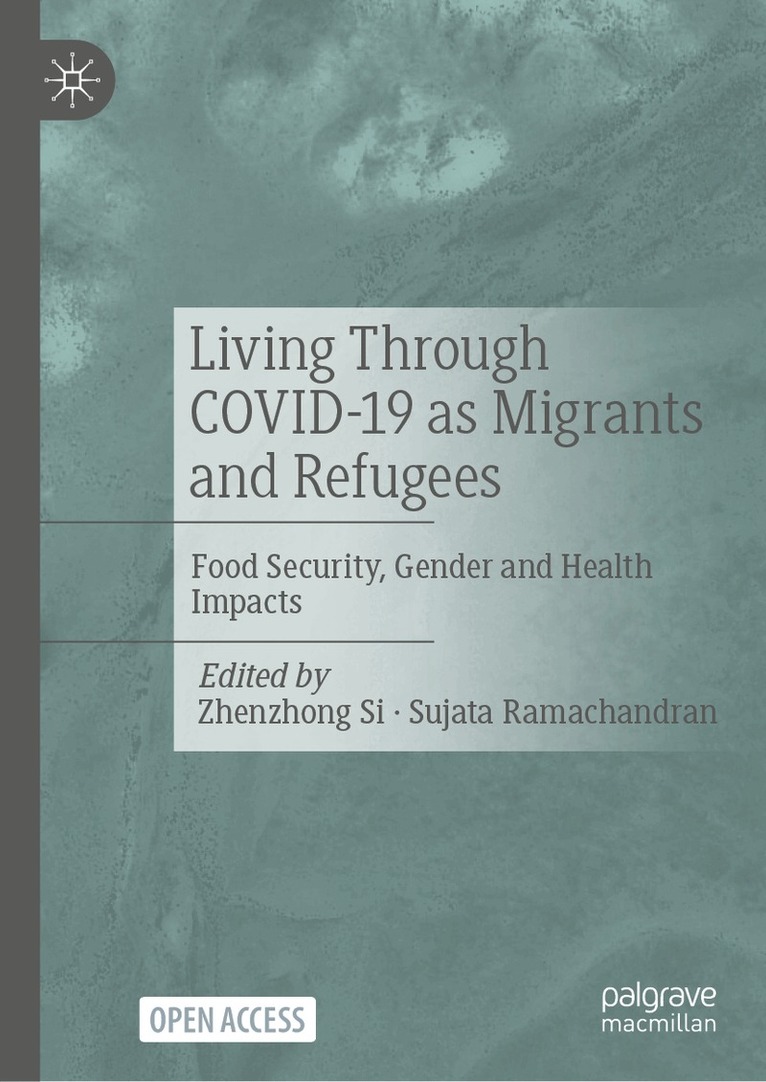
Living Through COVID-19 as Migrants and Refugees
Food Security, Gender and Health Impacts
Inbunden, Engelska, 2026
761 kr
Kommande
This open access book from the Migration and Food Security (MiFOOD) Network addresses food security, health, and wellbeing among migrants and refugees who faced heightened vulnerability during the COVID-19 pandemic. Through a blend of survey data, personal narratives, and compelling images, it illustrates the consequences of the pandemic for migrants and refugees from Afghanistan, the DRC, Ghana, Somalia, Syria, Venezuela, and Zimbabwe, living in the destination countries of Canada, South Africa, Ecuador, and Qatar. The contributors focus on four themes: the food security and health implications of public health responses to COVID-19; the impact of these measures on marginalised refugees and migrants in urban settings; gender differences in accessing food and food-related programs; and key policy lessons for vulnerable populations in times of crisis. This book will be useful to academics, students, and stakeholders engaged with migrant and refugee communities, as well as policymakers seeking actionable insights. While focused on COVID-19, its insights are relevant for future public health emergencies.