Zhigang Luo – författare
Visar alla böcker från författaren Zhigang Luo. Handla med fri frakt och snabb leverans.
6 produkter
Event-based Model Predictive Control
Av Bing Zhu, Zhigang Luo m. fl.
Inbunden, 2026
1690 kr
Lägg i varukorg
Comparison between event-based MPC and traditional MPC, highlighting unique advantages and supported with detailed examples for key algorithms Event-based Model Predictive Control delivers comprehensive knowledge on event-based MPC methods by analyzing the characteristics of event triggering …
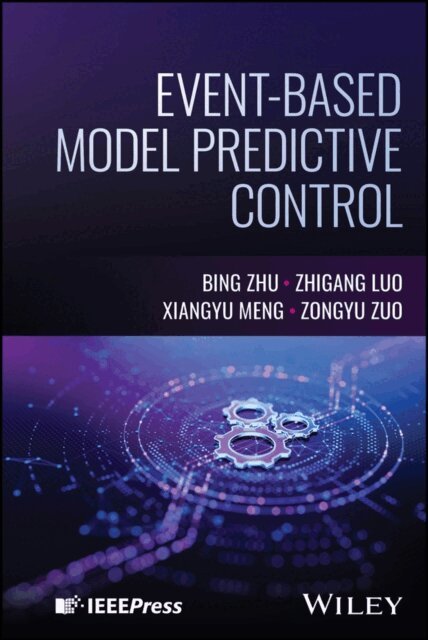
Event-based Model Predictive Control
Av Zongyu Zuo, Xiangyu Meng m. fl.
E-bok, 2026
2086 kr
Lägg i varukorg
Comparison between event-based MPC and traditional MPC, highlighting unique advantages and supported with detailed examples for key algorithms Event-based Model Predictive Control delivers comprehensive knowledge on event-based MPC methods by analyzing the characteristics of event triggering …
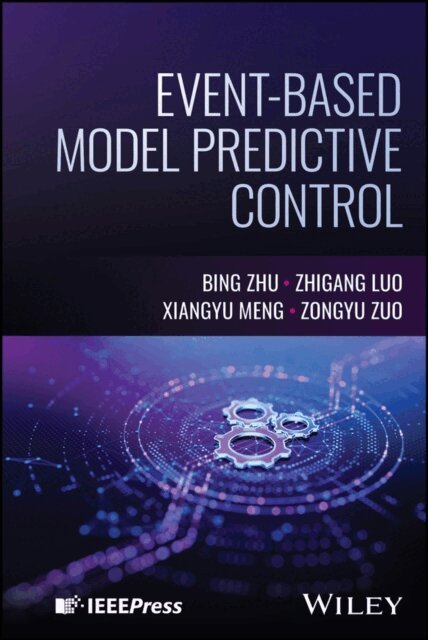
Event-based Model Predictive Control
Av Zongyu Zuo, Xiangyu Meng m. fl.
E-bok, 2026
2086 kr
Lägg i varukorg
Comparison between event-based MPC and traditional MPC, highlighting unique advantages and supported with detailed examples for key algorithms Event-based Model Predictive Control delivers comprehensive knowledge on event-based MPC methods by analyzing the characteristics of event triggering …
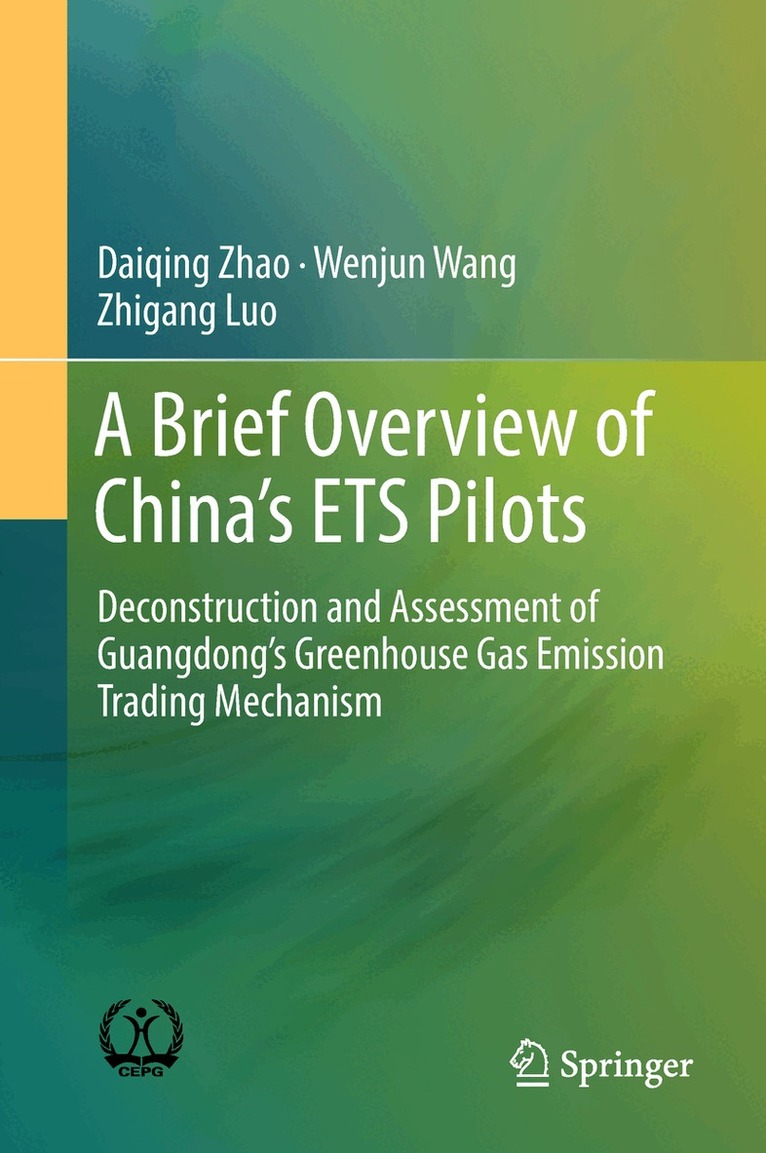
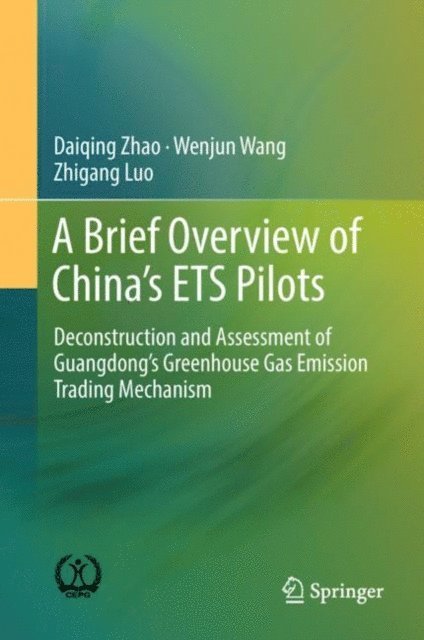
Brief Overview of China’s ETS Pilots
Deconstruction and Assessment of Guangdong’s Greenhouse Gas Emission Trading Mechanism
Av Daiqing Zhao, Wenjun Wang m. fl.
Inbunden, 2018
1093 kr
Lägg i varukorg
This book systematically introduces readers to the framework of China’s ETS pilots, exploring their design and operating process, the current state of the carbon market, and various barriers encountered. To do so, it deconstructs the Guangdong ETS, which is the largest and most representative of …
Brief Overview of China's ETS Pilots
Deconstruction and Assessment of Guangdong’s Greenhouse Gas Emission Trading Mechanism
Av Zhigang Luo, Wenjun Wang m. fl.
E-bok, 2018
1427 kr
Lägg i varukorg
This book systematically introduces readers to the framework of China’s ETS pilots, exploring their design and operating process, the current state of the carbon market, and various barriers encountered. To do so, it deconstructs the Guangdong ETS, which is the largest and most representative of …
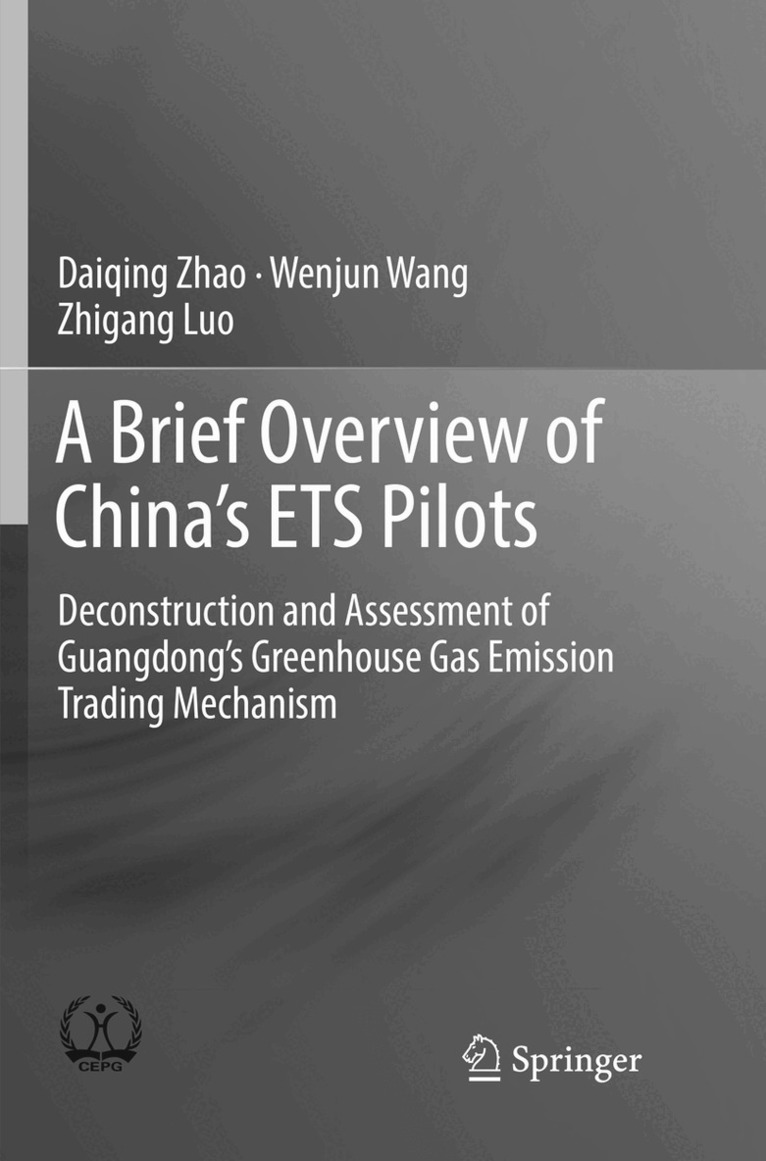
Brief Overview of China’s ETS Pilots
Deconstruction and Assessment of Guangdong’s Greenhouse Gas Emission Trading Mechanism
Av Daiqing Zhao, Wenjun Wang m. fl.
Häftad, 2019
1093 kr
Lägg i varukorg
This book systematically introduces readers to the framework of China’s ETS pilots, exploring their design and operating process, the current state of the carbon market, and various barriers encountered. To do so, it deconstructs the Guangdong ETS, which is the largest and most representative of …