Zoltan Szombathy – författare
Visar alla böcker från författaren Zoltan Szombathy. Handla med fri frakt och snabb leverans.
2 produkter
2 produkter
1 137 kr
Skickas inom 3-6 vardagar
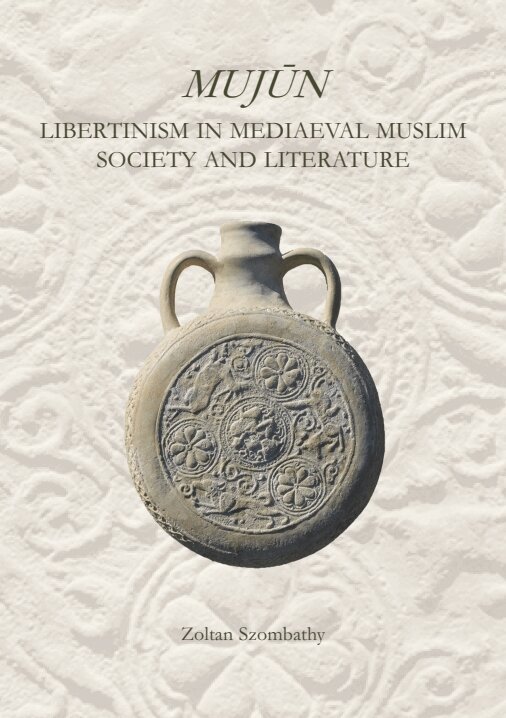
This book is about an aspect of medieval Arabic culture and literature known in Arabic as mujùn (roughly ‘libertinism, licentiousness, frivolity, indecency, profligacy, shamelessness, impertinence’, etc.), a concept that students of mediaeval Arabic texts may find rather hard to define but which is a recurrent term and a widespread phenomenon in medieval Arabic literature, and probably common in real life. The social implications and the background of mujùn are focused on in an attempt to learn what the popularity of mujùn during a specific period of the medieval Middle East can tell us about the society and the culture that produced such works. It is a study of the society in which such literature flourished, of the values and norms of that society, and of the májin (the man who does or writes mujùn) rather than of mujùn in itself. The author uses many excepts from primary source texts to explore the nature, concepts and content of mujùn, including its vernacular language, religious irreverence and not infrequent indecency of subject matter, within its socio-religious context. It provides a critical inventory of the varied motifs of mujùn in literature so as to define this elusive term by way of an accumulation of concrete examples.
Del 11 - Bibliotheca Maqriziana
Al-Maqrīzī’s al-Ḫabar ʿan al-bašar. Vol. III
Section 1: The Genealogies of ʿAdnān and His Descendants
Inbunden, Arabiska, 2026
2 188 kr
Skickas inom 3-6 vardagar
This section of al-Ḫabar ʿan al-bašar, the last work of the fifteenth-century historian al-Maqrīzī, presents an overview of the genealogies of the pre-Islamic northern Arabs, regarded as the descendants of the apical ancestor figure ʿAdnān. Al-Maqrīzī’s text is embedded in the broader context of the genealogical tradition as a major organising principle in premodern Muslim historiography. The volume highlights the segmentary nature of Bedouin society, which resulted in inherently controversial tribal genealogies and historical traditions. The existence of many conflicting versions of the same pedigrees (and of the historical narratives undergirding each version) affected the Muslim historian’s work in subtle but profound ways.