John Busby – illustratör
Upptäck titlar med illustrationer av John Busby.
10 produkter
10 produkter
E-bok
PDF, Engelska, 2010876 kr
Läs direkt efter köp
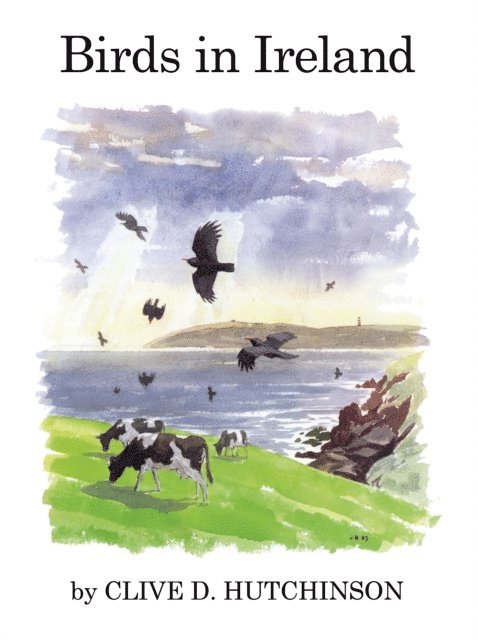
Birdwatching has become an increasingly popular pastime in Ireland as elsewhere. Nor is all of the birdwatching done by the Irish. Many professional ornithologists from Britain and Western Europe find good reason to study Ireland''s birds, as do the numerous birdwatching visitors each year. Clive Hutchinson, a leading Irish ornithologist, has compiled this comprehensive review of birds in the Republic and Northern Ireland to coincide with the 21st anniversary year of the Irish Wildbird Conservancy''s foundation and he has had the IWC''s active support throughout. Knowledge about the status and distribution of birds in Ireland has increased greatly since the 1960s and this is reflected in the detailed species accounts which form the major part of the book.Factors which led to this greater knowledge, recent changes in bird distribution and status, and reasons for the absence of some species are topics discussed in the book''s introductory chapters. Other subjects covered are Ireland''s topography, climate and habitats, a review of ornithology and ornithologists in Ireland over the last 100 years, and conservation programmes of more recent times.John Busby''s superb illustrations (more than 100) are a feature of the book, helping to set the Irish scene as well as depict its birds.
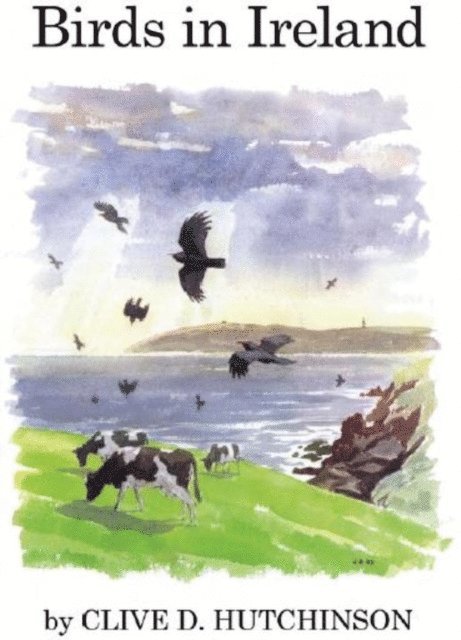
E-bok
Engelska, 2010876 kr
Läs direkt efter köp
Birdwatching has become an increasingly popular pastime in Ireland as elsewhere. Nor is all of the birdwatching done by the Irish. Many professional ornithologists from Britain and Western Europe find good reason to study Ireland''s birds, as do the numerous birdwatching visitors each year. Clive Hutchinson, a leading Irish ornithologist, has compiled this comprehensive review of birds in the Republic and Northern Ireland to coincide with the 21st anniversary year of the Irish Wildbird Conservancy''s foundation and he has had the IWC''s active support throughout. Knowledge about the status and distribution of birds in Ireland has increased greatly since the 1960s and this is reflected in the detailed species accounts which form the major part of the book.Factors which led to this greater knowledge, recent changes in bird distribution and status, and reasons for the absence of some species are topics discussed in the book''s introductory chapters. Other subjects covered are Ireland''s topography, climate and habitats, a review of ornithology and ornithologists in Ireland over the last 100 years, and conservation programmes of more recent times.John Busby''s superb illustrations (more than 100) are a feature of the book, helping to set the Irish scene as well as depict its birds.
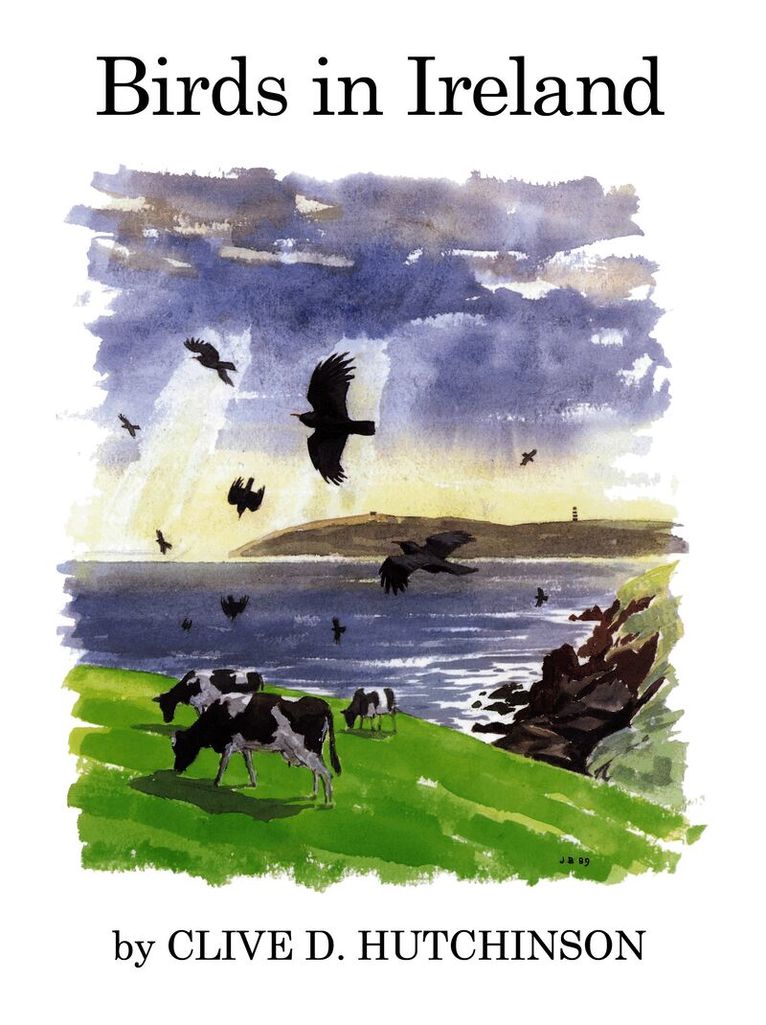
Inbunden, Engelska, 2010
823 kr
Skickas inom 5-8 vardagar
E-bok
PDF, Engelska, 2010876 kr
Läs direkt efter köp
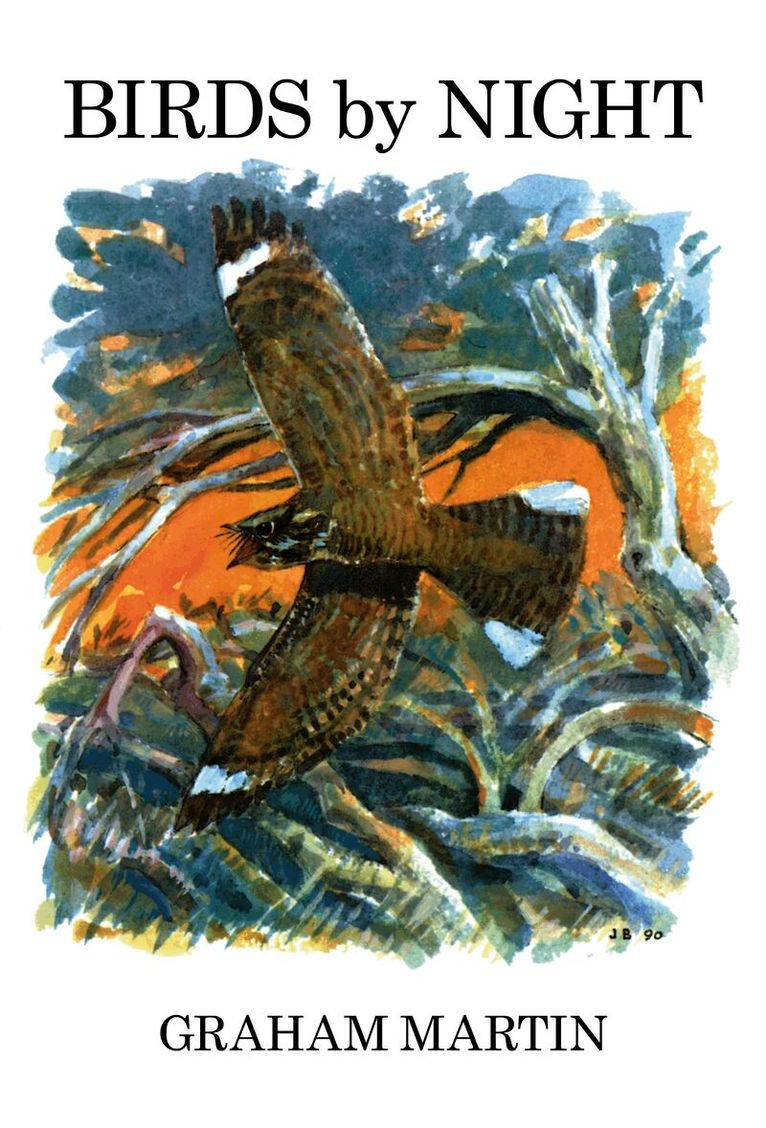
This book examines many examples of the nocturnal behaviour of birds.For many people, watching and studying birds is exclusively a day time activity. However, for many birds twilight and night time are not a barrier to useful activity. It is true that very few birds are exclusively nocturnal, but many birds which are active by day also conduct limited, and often crucial, activities after dusk.Examples range from the occasional night feeding of wildfowl and shorebirds to the night singing and night migration of certain passerines, and from the location of nest sites by sea birds to the nocturnal foraging of owls and nightjars. The special cases of flightless nocturnal birds and those birds which dwell in lightless caves are also considered.Throughout, this survey considers not only what it is that birds do at night but also discusses how these nocturnal activities are possible. It brings together studies in field ornithology, sensory science, ecology and physics and involves comparisons of the sensory capacities of other animals, including man. It is shown how the senses of hearing, smell and touch, as well as vision, play a crucial role in many of the night time activities of birds.However, these senses are not always adequate for fully explaining how nocturnal behaviours are executed. To achieve this we must look at the complex of relationships between behavioural and sensory adaptations and the particular environments which birds inhabit from dusk to dawn.
E-bok
Engelska, 2010876 kr
Läs direkt efter köp
This book examines many examples of the nocturnal behaviour of birds.For many people, watching and studying birds is exclusively a day time activity. However, for many birds twilight and night time are not a barrier to useful activity. It is true that very few birds are exclusively nocturnal, but many birds which are active by day also conduct limited, and often crucial, activities after dusk.Examples range from the occasional night feeding of wildfowl and shorebirds to the night singing and night migration of certain passerines, and from the location of nest sites by sea birds to the nocturnal foraging of owls and nightjars. The special cases of flightless nocturnal birds and those birds which dwell in lightless caves are also considered.Throughout, this survey considers not only what it is that birds do at night but also discusses how these nocturnal activities are possible. It brings together studies in field ornithology, sensory science, ecology and physics and involves comparisons of the sensory capacities of other animals, including man. It is shown how the senses of hearing, smell and touch, as well as vision, play a crucial role in many of the night time activities of birds.However, these senses are not always adequate for fully explaining how nocturnal behaviours are executed. To achieve this we must look at the complex of relationships between behavioural and sensory adaptations and the particular environments which birds inhabit from dusk to dawn.
Inbunden, Engelska, 2010
823 kr
Skickas inom 5-8 vardagar
Inbunden, Engelska, 2010
823 kr
Skickas inom 5-8 vardagar
E-bok
Engelska, 2010876 kr
Läs direkt efter köp
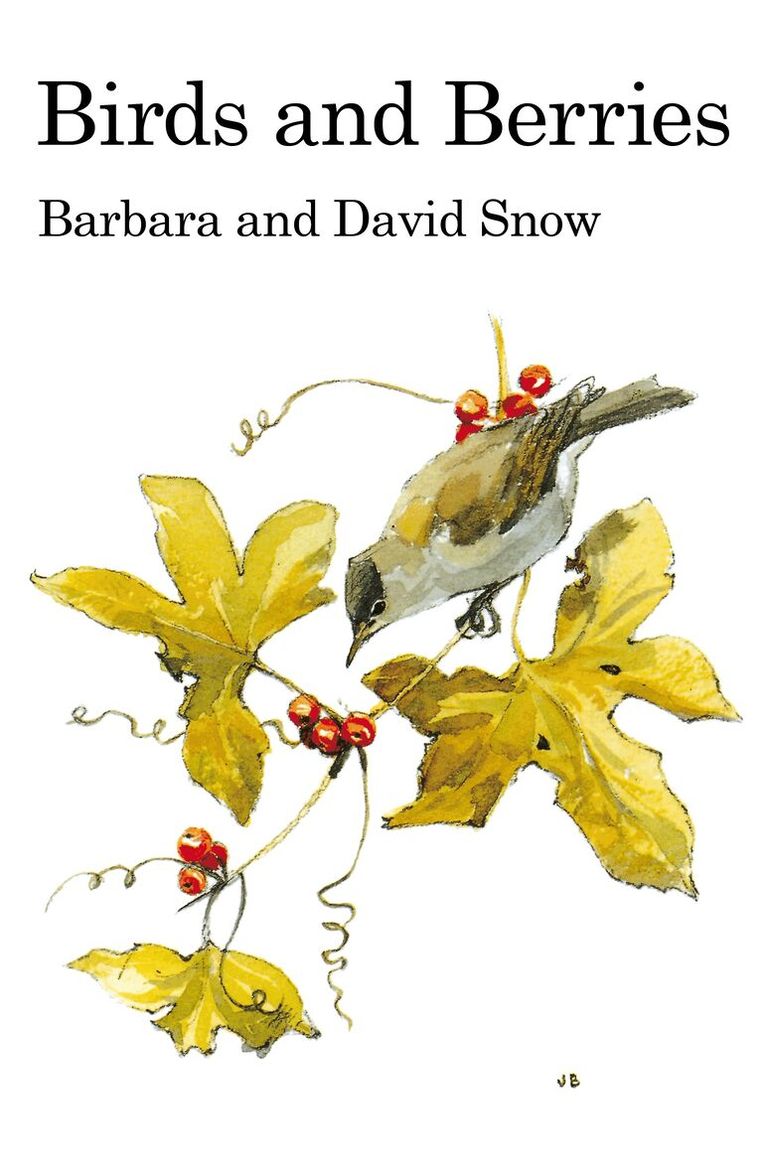
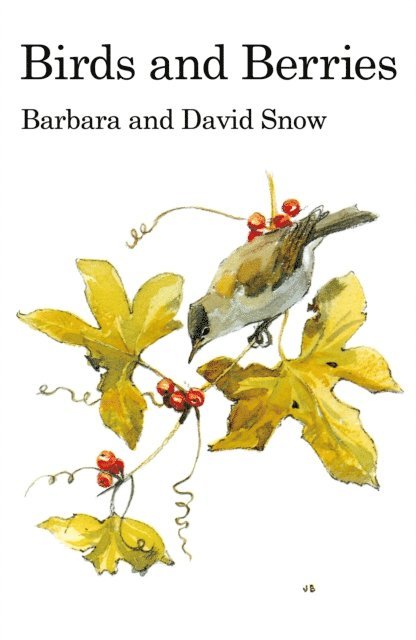
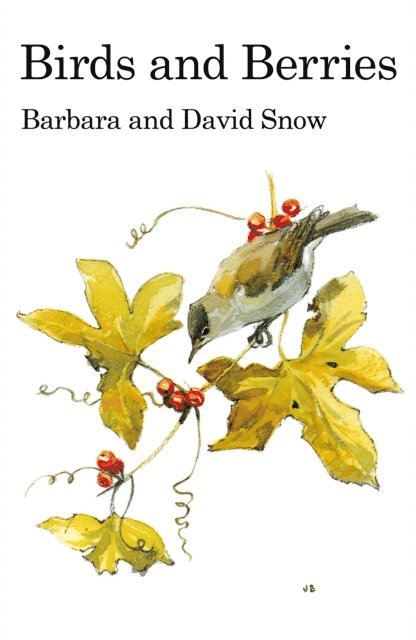
This thought-provoking text offers many insights not generally perceived by ornithologist or botanist and is illustrated in masterly fashion by John Busby''s lively drawings. The book''s subtitle - A study of an ecological interaction - properly reflects the author''s theme but may tend to hide the fact that the relationships between birds and berries can be much more than the simple, mutually advantageous systems (''eat my fruits, spread my seeds'' ) they may seem at first to be. Therein lies the core of the book - the less obvious intricacies and implications of plant/bird associations, the co-evolution of species in some cases and the adaptation of a species (bird or plant) to further its own advantage. To complicate the scene, too, there are the ''exploiters'', the pulp-predators and seed-predators that feed at the plant''s expense. In Part I of the book the authors provide accounts by species of the trees and shrubs they observed over many years in their study area of southern England; similarly, Part 2 records the bird species they watched feeding, or attempting to feed, or preventing other birds from feeding, on the fruits. Part 3 ranges widely and is not confined to Britain and Europe. It investigates the strategies and adaptations evolved and employed by plants to ensure their success, and their attempts at defence against the bird ''predators''. It looks at the birds themselves, their foraging techniques and fruit preferences, the limitations of a fruit diet and adaptations to it, the time and energy budgets of fruit-eaters and, finally, the intriguing question of co-evolution of plants and birds.
E-bok
PDF, Engelska, 2010876 kr
Läs direkt efter köp
This thought-provoking text offers many insights not generally perceived by ornithologist or botanist and is illustrated in masterly fashion by John Busby''s lively drawings. The book''s subtitle - A study of an ecological interaction - properly reflects the author''s theme but may tend to hide the fact that the relationships between birds and berries can be much more than the simple, mutually advantageous systems (''eat my fruits, spread my seeds'' ) they may seem at first to be. Therein lies the core of the book - the less obvious intricacies and implications of plant/bird associations, the co-evolution of species in some cases and the adaptation of a species (bird or plant) to further its own advantage. To complicate the scene, too, there are the ''exploiters'', the pulp-predators and seed-predators that feed at the plant''s expense. In Part I of the book the authors provide accounts by species of the trees and shrubs they observed over many years in their study area of southern England; similarly, Part 2 records the bird species they watched feeding, or attempting to feed, or preventing other birds from feeding, on the fruits. Part 3 ranges widely and is not confined to Britain and Europe. It investigates the strategies and adaptations evolved and employed by plants to ensure their success, and their attempts at defence against the bird ''predators''. It looks at the birds themselves, their foraging techniques and fruit preferences, the limitations of a fruit diet and adaptations to it, the time and energy budgets of fruit-eaters and, finally, the intriguing question of co-evolution of plants and birds.
Häftad, Engelska, 2013
403 kr
Skickas inom 5-8 vardagar