214 kr
Skickas inom 5-8 vardagar
214 kr
Skickas inom 5-8 vardagar
252 kr
Läs direkt efter köp
201 kr
Skickas inom 5-8 vardagar
96 kr
Läs direkt efter köp
301 kr
Skickas inom 3-6 vardagar
★ “Captures a language’s ability to connect one to places, ancestry, and cultural heritage through the sharing of stories, family recipes, and so much more. An inspiring addition to any collection.” — Booklist, starred review
★ “This celebration of language successfully imparts the sense of it as a living, breathing expression of love and belonging.” — Shelf Awareness, starred review
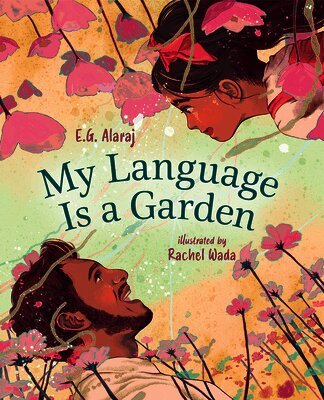
Do you know my language? Have you heard the sounds it makes? Has it rocked you in its rhythms? Have you seen the roads it takes?
A parent invites a child to get to know their language. In a driving rhythm, they speak about the language blossoming in deserts and plains, building castles and forts and motoring over roadways. Not hemmed in by borders, this language holds ancient knowledge, medicines and nourishment within it, and has explored the farthest reaches of the universe. The parent realizes that teaching their heritage language to their child will connect them always and allow them to grow a garden of language together.
For the parents and caregivers who want to share their heritage language with the children in their lives, E.G. Alaraj has crafted this celebratory and inspiring poem in hopes it will get more conversations started and encourage kids to see the joy in discovering their roots. Exploring the links between language, culture and the natural world, this book is a heartfelt celebration of the vitality and importance of our languages and how they bind us together.
Praise for E.G. Alaraj:
★“A stunning marriage of text and art that will linger with listeners as they slip into sleep...This melodic lullaby is warm and tender perfection.”—Kirkus Reviews, starred review for When Stars Arise

215 kr
Kommande
A poetic and playful picture book about a family celebrating the Chinese spring festival Ching Ming.
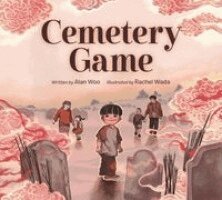
A young boy and his family arrive at the cemetery to celebrate Ching Ming, the day they and many other families remember and honor their ancestors. For the boy, the rituals of the day feel like a game – the Cemetery Game. The family members bring flowers and special foods to the gravesites of their relatives. They light incense, burn play money and bow together. The boy and his sister even find time for a laugh, imagining themselves at a tea party for ghosts! But as their older brother reminds them, this day is important and they need to pay attention. After all, one day this will all be their responsibility.
In this sensitively told picture book about a family tradition, award-winning author Alan Woo’s spare text perfectly captures the way a young child recognizes the reverence being called for in honoring ancestors while also indulging his natural inclination to find fun in it. Award-winning illustrator Rachel Wada uses sweeping images of incense smoke and shadows to evoke the emotional resonance of the cemetery setting. This accessible introduction to Ching Ming – also known as Tomb-Sweeping Day – aligns with elementary social studies lessons on celebrations. It also offers a child-friendly perspective on death and visiting the cemetery, providing an excellent opportunity to have conversations with young children about meaningful family rituals and how we pay tribute to those who came before us. Inspired by the author’s childhood experiences, the book contains a personal note from him at the end.
157 kr
Skickas inom 11-20 vardagar
Winner of the Asian/Pacific American Award for Literature in the Picture Book Category
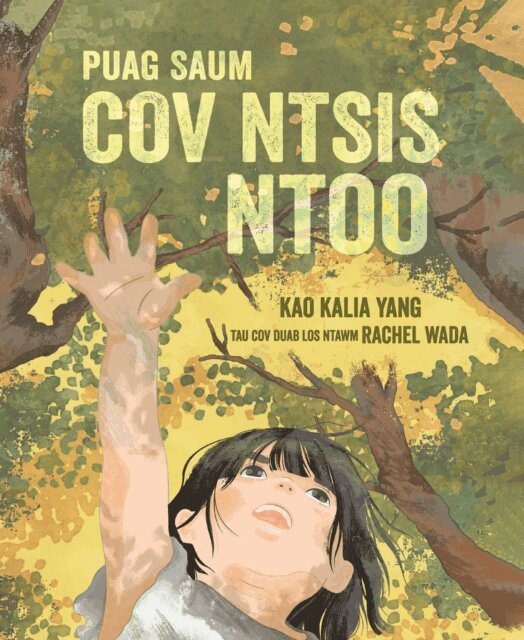
"Father, is all of the world a refugee camp?"
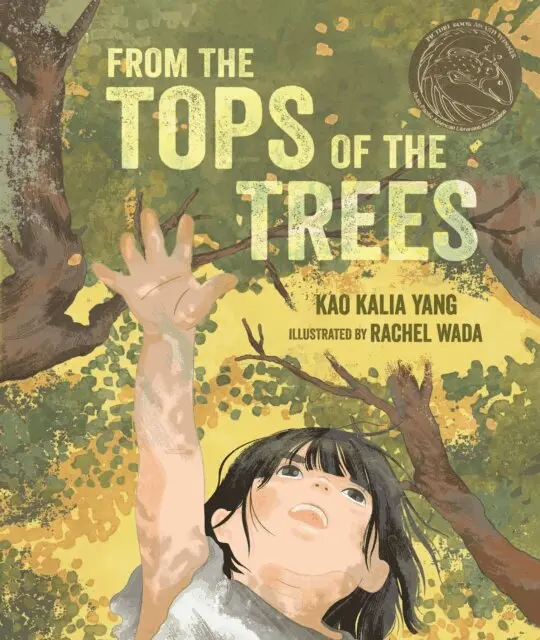
Young Kalia has never known life beyond the fences of the Ban Vinai Refugee Camp. The Thai camp holds many thousands of Hmong families who fled in the aftermath of the little-known Secret War in Laos that was waged during America's Vietnam War. For Kalia and her cousins, life isn't always easy, but they still find ways to play, racing with chickens and riding a beloved pet dog.
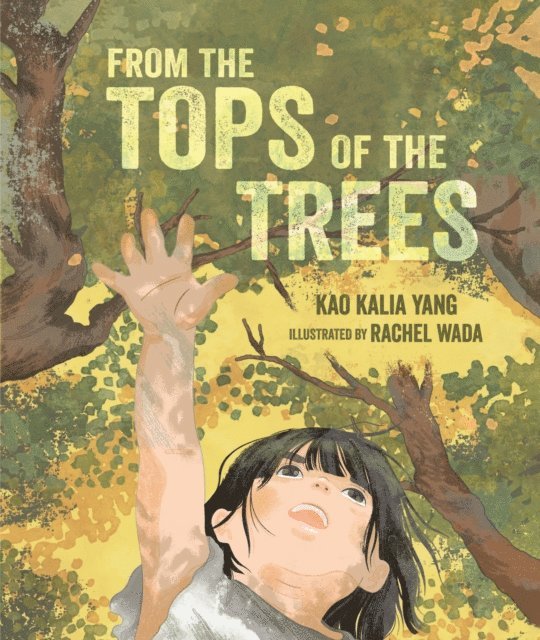
Just four years old, Kalia is still figuring out her place in the world. When she asks what is beyond the fence, at first her father has no answers for her. But on the following day, he leads her to the tallest tree in the camp and, secure in her father's arms, Kalia sees the spread of a world beyond.
Kao Kalia Yang's sensitive prose and Rachel Wada's evocative illustrations bring to life this tender true story of the love between a father and a daughter.
442 kr
Läs direkt efter köp
145 kr
Läs direkt efter köp
175 kr
Skickas inom 5-8 vardagar
232 kr
Skickas inom 3-6 vardagar
442 kr
Läs direkt efter köp
188 kr
Läs direkt efter köp
442 kr
Läs direkt efter köp
217 kr
Läs direkt efter köp
180 kr
Tillfälligt slut
★ “Smith spins a quietly moving narrative...Wada’s large-scale woodblock style illustrations are a perfect complement to the story’s restrained text...The graceful way in which this book handles a sensitive and serious subject makes it a first purchase."—School Library Journal
When the tsunami destroyed Makio's village, Makio lost his father . . . and his voice. The entire village is silenced by grief, and the young child's anger at the ocean grows. Then one day his neighbor, Mr. Hirota, begins a mysterious project—building a phone booth in his garden. At first Makio is puzzled; the phone isn't connected to anything. It just sits there, unable to ring. But as more and more villagers are drawn to the phone booth, its purpose becomes clear to Makio: the disconnected phone is connecting people to their lost loved ones. Makio calls to the sea to return what it has taken from him and ultimately finds his voice and solace in a phone that carries words on the wind.
The Phone Booth in Mr. Hirota's Garden is inspired by the true story of the wind phone in Otsuchi, Japan, which was created by artist Itaru Sasaki. He built the phone booth so he could speak to his cousin who had passed, saying, "My thoughts couldn't be relayed over a regular phone line, I wanted them to be carried on the wind." The Tohoku earthquake and tsunami in 2011 destroyed the town of Otsuchi, claiming 10 percent of the population. Residents of Otsuchi and pilgrims from other affected communities have been traveling to the wind phone since the tsunami.