African History and Culture – serie
Visar alla böcker i serien African History and Culture. Handla med fri frakt och snabb leverans.
14 produkter
14 produkter
Häftad, Engelska, 2016
419 kr
Skickas inom 5-8 vardagar
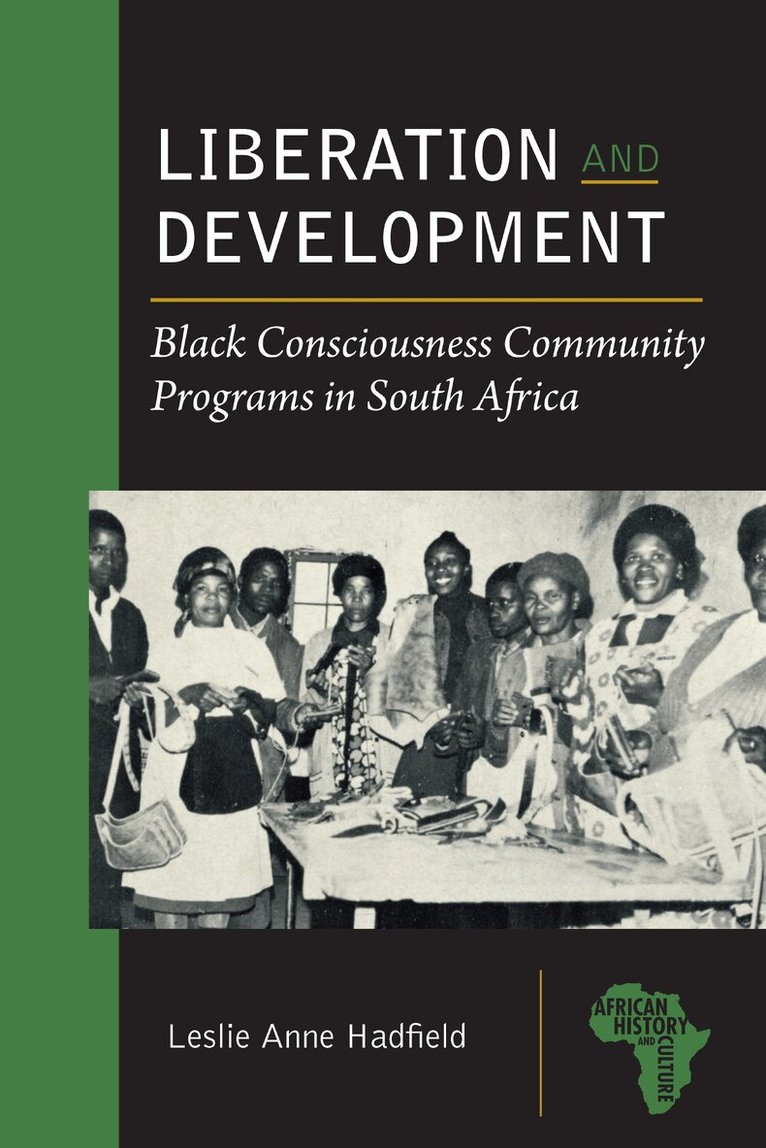
Liberation and Development: Black Consciousness Community Programs in South Africa is an account of the community development programs of the Black Consciousness movement in South Africa. It covers the emergence of the movement’s ideas and practices in the context of the late 1960s and early 1970s, then analyzes how activists refined their practices, mobilized resources, and influenced people through their work. The book examines this history primarily through the Black Community Programs organization and its three major projects: the yearbook Black Review, the Zanempilo Community Health Center, and the Njwaxa leatherwork factory. As opposed to better-known studies of antipolitical, macroeconomic initiatives, this book shows that people from the so-called global South led development in innovative ways that promised to increase social and political participation. It particularly explores the power that youth, women, and churches had in leading change in a hostile political environment. With this new perspective on a major liberation movement, Hadfield not only causes us to rethink aspects of African history but also offers lessons from the past for African societies still dealing with developmental challenges similar to those faced during apartheid.
Häftad, Engelska, 2017
610 kr
Skickas inom 5-8 vardagar
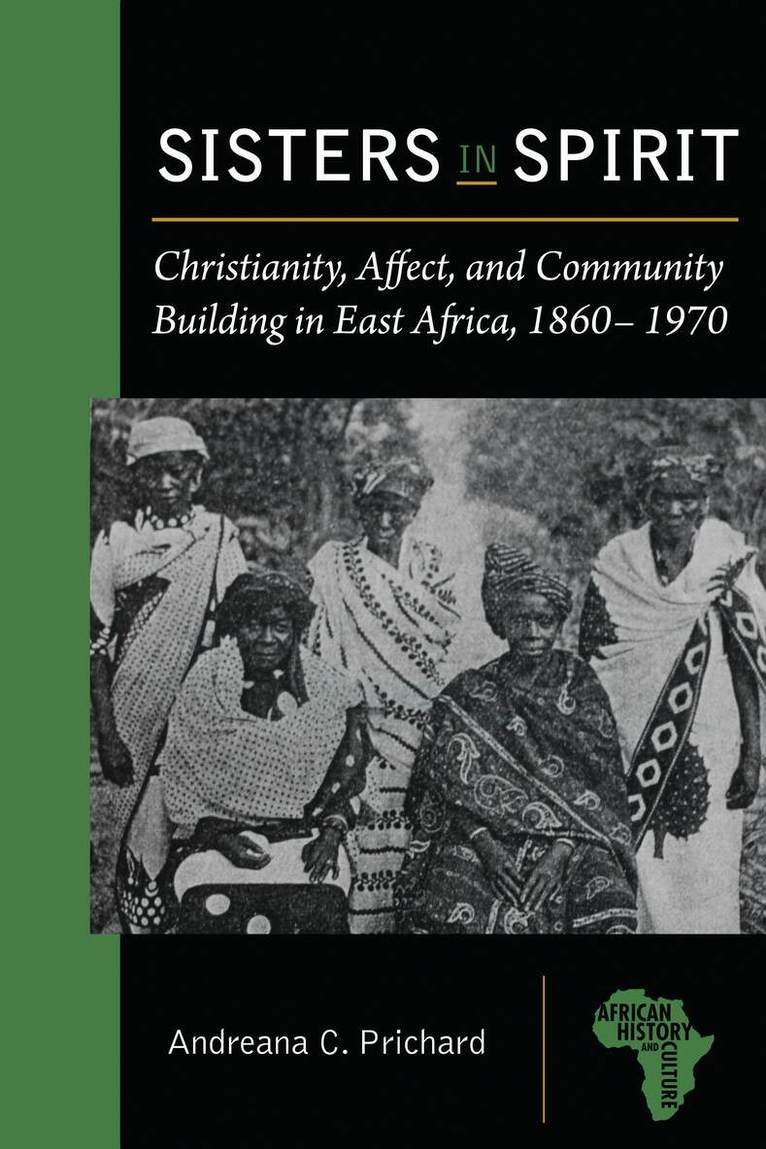
In this pioneering study, historian Andreana Prichard presents an intimate history of a single mission organization, the Universities’ Mission to Central Africa (UMCA), told through the rich personal stories of a group of female African lay evangelists. Founded by British Anglican missionaries in the 1860s, the UMCA worked among refugees from the Indian Ocean slave trade on Zanzibar and among disparate communities on the adjacent Tanzanian mainland. Prichard illustrates how the mission’s unique theology and the demographics of its adherents produced cohorts of African Christian women who, in the face of linguistic and cultural dissimilarity, used the daily performance of a certain set of “civilized” Christian values and affective relationships to evangelize to new inquirers. The UMCA’s “sisters in spirit” ultimately forged a united spiritual community that spanned discontiguous mission stations across Tanzania and Zanzibar, incorporated diverse ethnolinguistic communities, and transcended generations. Focusing on the emotional and personal dimensions of their lives and on the relationships of affective spirituality that grew up among them, Prichard tells stories that are vital to our understanding of Tanzanian history, the history of religion and Christian missions in Africa, the development of cultural nationalisms, and the intellectual histories of African women.
Häftad, Engelska, 2019
480 kr
Skickas inom 5-8 vardagar
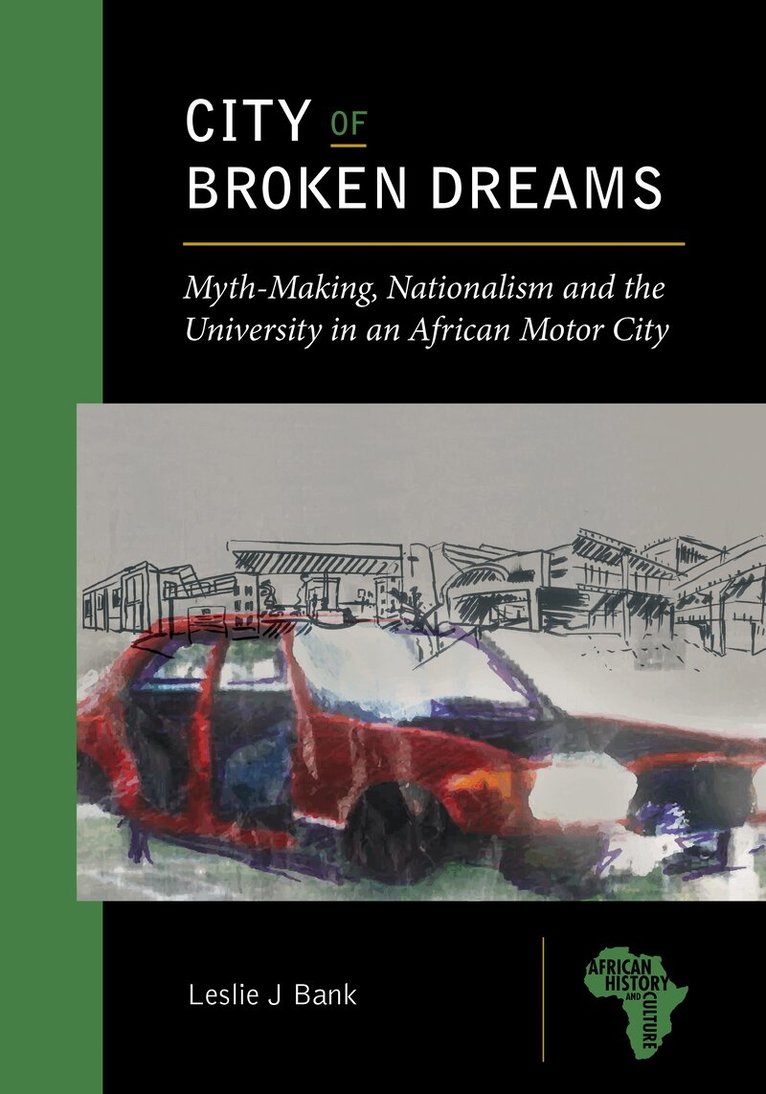
What role should universities have in revitalizing rust-belt motor cities left to decay by economic and political transformation? In City of Broken Dreams, author Leslie J Bank addresses this question through a detailed case study of East London, a city in South Africa’s Eastern Cape. Here, as in American motor cities like Detroit and Flint, the car’s cultural power and association with the endless possibilities of modernity lie at the heart of the refusal to seek alternative development paths leading away from racially inscribed automotive capitalism. Rooting the university in a history of industrialisation, placemaking and city-building, this book examines contemporary debates about the role that urban universities should have in building economies, creating jobs and reshaping the politics and identities of their communities. In South Africa as in many other nations, institutions of higher education represent potentially powerful cultural and socioeconomic agents, but the 2015 #FeesMustFall student protests against rising tuition costs highlighted the limits of their power. Firmly grounded in the particulars of East London, this thoughtful study illuminates questions common to rust-belt cities and universities around the world.
Häftad, Engelska, 2022
768 kr
Skickas inom 5-8 vardagar
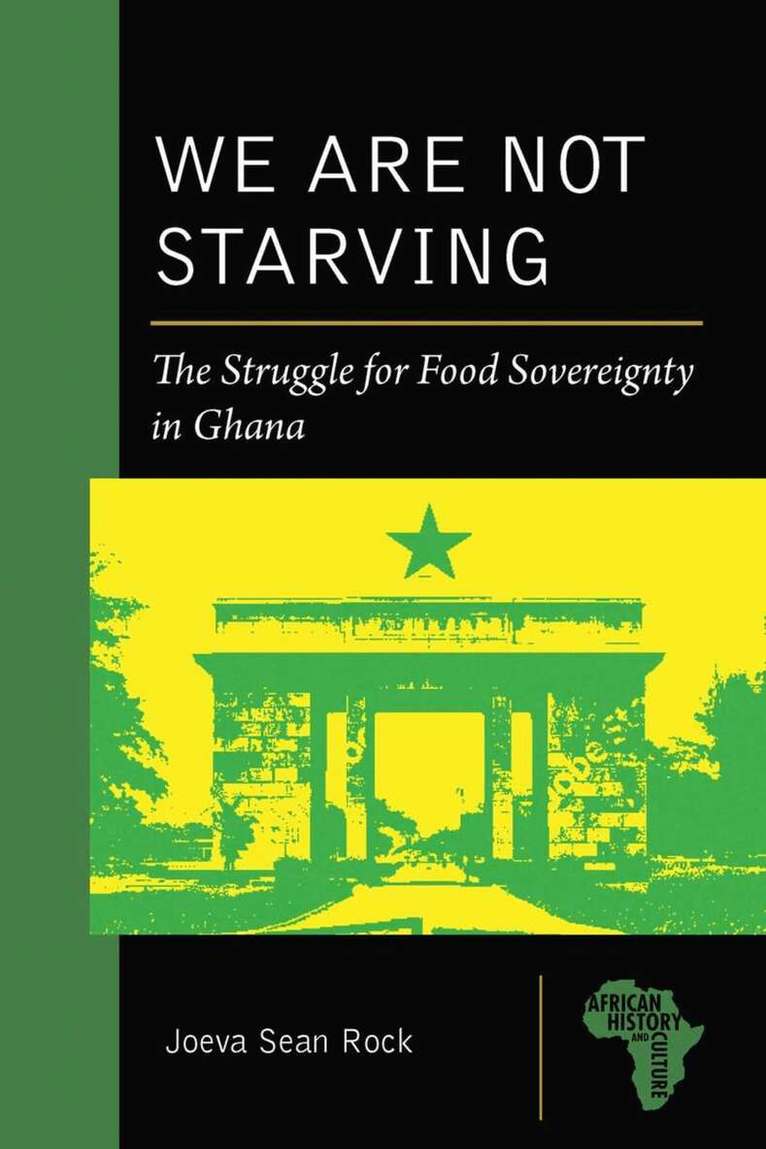
This critical text is a timely ethnography of how global powers, local resistance, and capital flows are shaping contemporary African foodways. Ghana was one of the first countries targeted by a group of US donors and agribusiness corporations that funded an ambitious plan to develop genetically modified (GM) crops for African farmers. The collective believed that GM crops would help farmers increase their yields and help spark a “new” Green Revolution on the continent. Soon after the project began in Ghana, a nationwide food sovereignty movement emerged in opposition to GM crops. Today, in spite of impressive efforts and investments by proponents, only two GM crops remain in the pipeline. Why, after years of preparation, millions of dollars of funding, and multiple policy reforms, did these megaprojects effectively come to a halt? One of the first ethnographies to take on the question of GM crops in the African context, We Are Not Starving: The Struggle for Food Sovereignty in Ghana blends archival analysis, interviews, and participant observation with Ghanaian scientists, farmers, activists, and officials. Ultimately the text aims to illuminate why GM crops have animated the country and to highlight how their introduction has opened an opportunity to air grievances about the systematic de-valuing and exploitation of African land, labor, and knowledge that have been centuries in the making.
Häftad, Engelska, 2022
628 kr
Skickas inom 5-8 vardagar
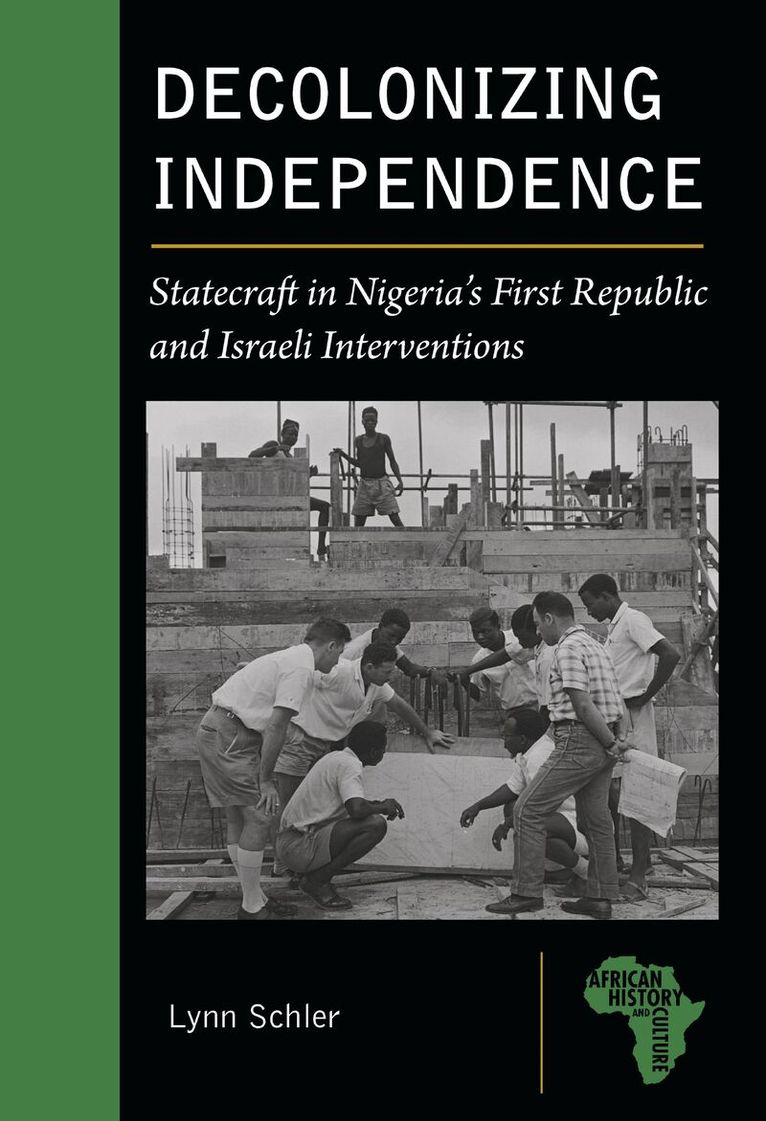
Even before it gained independence in 1960, the process of nation-building in Nigeria was plagued by regional, ethnic, and class conflict. Decolonizing Independence: Statecraft in Nigeria’s First Republic and Israeli Interventions examines how many of the leading figures of what would become Nigeria’s First Republic (1963–1966) formed relations with Israel to help navigate the challenges of statecraft and development. As Nigeria transitioned to independence, the dealings between its political elite and Israeli diplomats helped advance the ideological aspirations, economic ventures, development schemes, and political agendas that defined the era. Moving beyond the familiar history of Nigeria’s struggle with former colonizer Britain, Decolonizing Independence uses Israeli-Nigerian diplomatic relations to provide a novel window into the political cultures, ideologies, and leadership strategies that shaped statecraft in Nigeria. Tracing the events and dynamics that increasingly ensnared Israel in the smoldering political landscape of the First Republic, this volume sheds light on the postcolonial imaginaries of the Nigerian elite as they attempted to lead a divided nation through the process of decolonization.
Inbunden, Engelska, 2023
1 484 kr
Skickas inom 5-8 vardagar
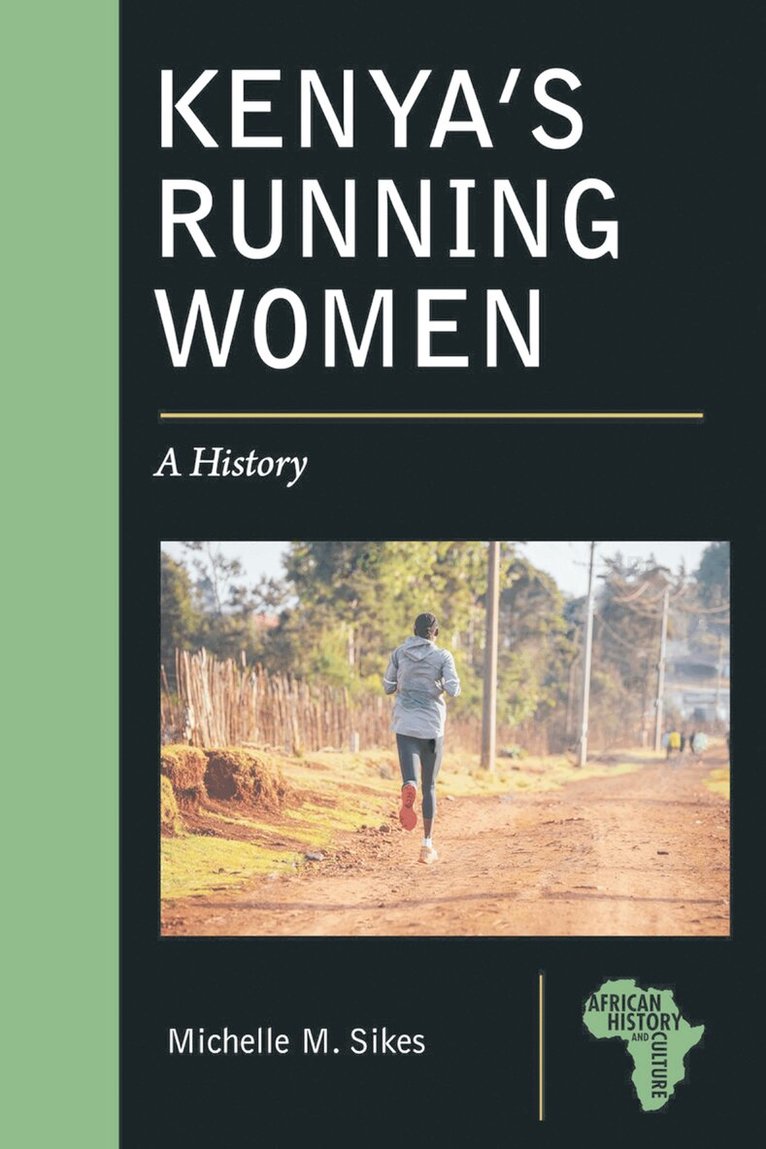
Since Pauline Konga’s breakthrough performance at the 1996 summer Olympics in Atlanta, the world has become accustomed to seeing Kenyan women medal at major championships, sweep marathons, and set world records. Yet little is known about the pioneer generation of women who paved the way for Kenya’s reputation as an international powerhouse in women’s track and field. In Kenya’s Running Women: A History, historian and former professional runner Michelle M. Sikes details the triumphs and many challenges these women faced, from the advent of Kenya’s athletics program in the colonial era through the professionalization of running in the 1980s and 1990s. Sikes reveals how over time running became a vehicle for Kenyan women to expand the boundaries of acceptable female behavior. Kenya’s Running Women demonstrates the necessity of including women in histories of African sport, and of incorporating sport into studies of African gender and nation-building.
Häftad, Engelska, 2023
395 kr
Skickas inom 5-8 vardagar
Since Pauline Konga’s breakthrough performance at the 1996 summer Olympics in Atlanta, the world has become accustomed to seeing Kenyan women medal at major championships, sweep marathons, and set world records. Yet little is known about the pioneer generation of women who paved the way for Kenya’s reputation as an international powerhouse in women’s track and field. In Kenya’s Running Women: A History, historian and former professional runner Michelle M. Sikes details the triumphs and many challenges these women faced, from the advent of Kenya’s athletics program in the colonial era through the professionalization of running in the 1980s and 1990s. Sikes reveals how over time running became a vehicle for Kenyan women to expand the boundaries of acceptable female behavior. Kenya’s Running Women demonstrates the necessity of including women in histories of African sport, and of incorporating sport into studies of African gender and nation-building.
Häftad, Engelska, 2024
891 kr
Skickas inom 5-8 vardagar
In 1910 Isaiah Shembe was struggling. He had left his family and quit his job as a sanitation worker to become a Baptist evangelist, but he ended his first mission without much to show. Little did he know that he would soon establish the Nazaretha Church as he began to attract attention from people left behind by industrial capitalism in South Africa. By his death in 1935, Shembe was an internationally known prophet and healer, described by his peers as “better off than all the Black people.” In A Prophet of the People: Isaiah Shembe and the Making of a South African Church, historian Lauren V. Jarvis provides a fascinating and intimate portrait of one of South Africa’s most famous religious figures, and in turn the making of modern South Africa. Following Shembe from his birth in the 1860s across many environments and contexts, Jarvis illuminates the tight links between the spread of Christianity, strategies of evasion, and the capacious forms of community that continue to shape South Africa today.
Häftad, Engelska, 2025
792 kr
Skickas inom 5-8 vardagar
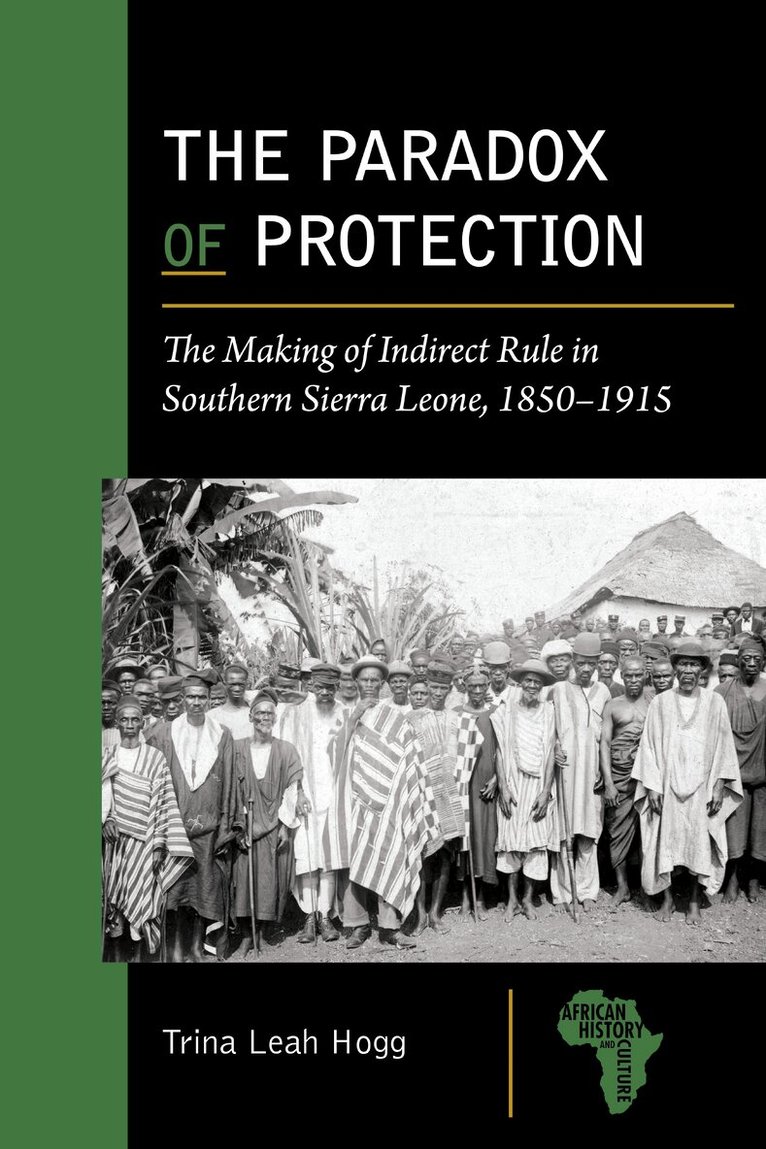
The Paradox of Protection: The Making of Indirect Rule in Southern Sierra Leone, 1850–1915 charts the history of protection to tell a new story about indirect rule in West Africa. Protection emerged as one of the central concepts through which Africans and Britons negotiated over law and economy in decades spanning informal and formal rule. Hogg shows how British protection schemes, an assemblage of written and unwritten legal strategies to safeguard British subjects and trade routes, created an unexpected legacy of insecurity by limiting and criminalizing traditional security measures. Tracing the history of the politics of protection reveals how African leaders who sought British alliances in their own long-standing disputes became increasingly vulnerable to physical and juridical violence. In the Protectorate, new forums like chieftaincy elections and criminal courts—common features of indirect rule—became spaces for Africans to assert claims to land and construct legitimacy. This book reveals how long-standing negotiations over protection shaped an unstable framework of colonial law and rule well into the twentieth century.
Inbunden, Engelska, 2025
1 473 kr
Skickas inom 3-6 vardagar
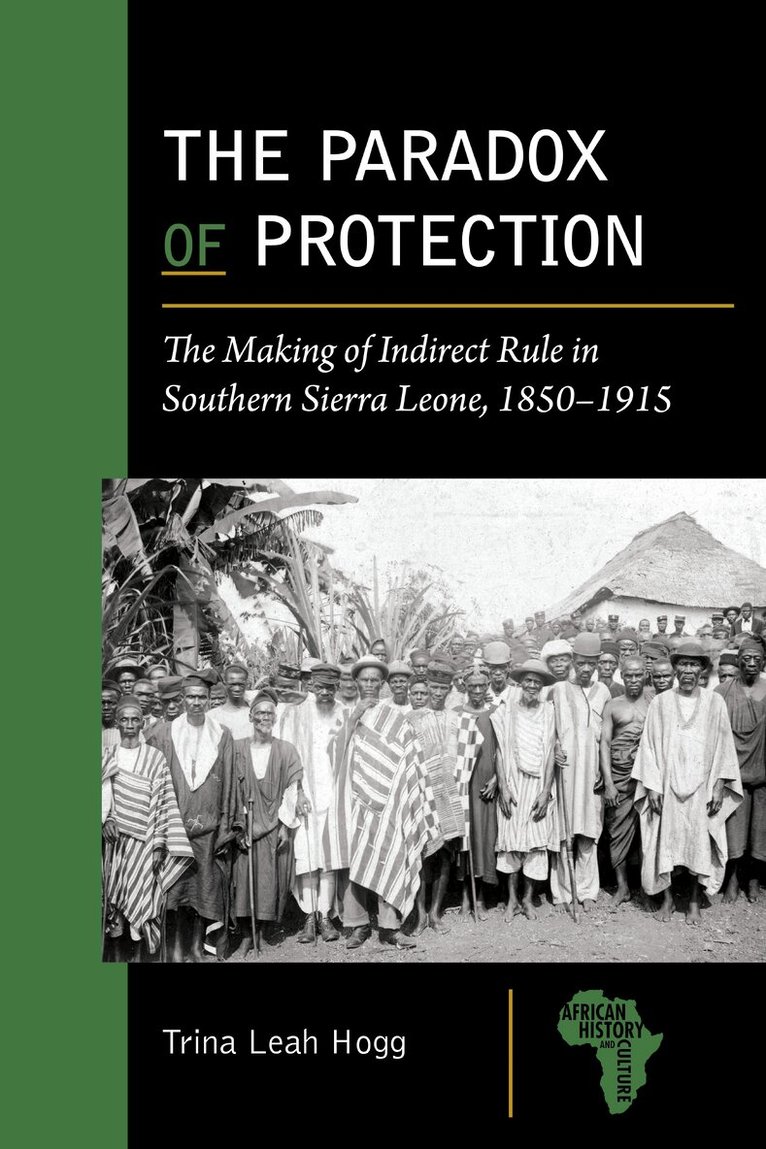
The Paradox of Protection: The Making of Indirect Rule in Southern Sierra Leone, 1850–1915 charts the history of protection to tell a new story about indirect rule in West Africa. Protection emerged as one of the central concepts through which Africans and Britons negotiated over law and economy in decades spanning informal and formal rule. Hogg shows how British protection schemes, an assemblage of written and unwritten legal strategies to safeguard British subjects and trade routes, created an unexpected legacy of insecurity by limiting and criminalizing traditional security measures. Tracing the history of the politics of protection reveals how African leaders who sought British alliances in their own long-standing disputes became increasingly vulnerable to physical and juridical violence. In the Protectorate, new forums like chieftaincy elections and criminal courts—common features of indirect rule—became spaces for Africans to assert claims to land and construct legitimacy. This book reveals how long-standing negotiations over protection shaped an unstable framework of colonial law and rule well into the twentieth century.
Häftad, Engelska, 2026
648 kr
Kommande
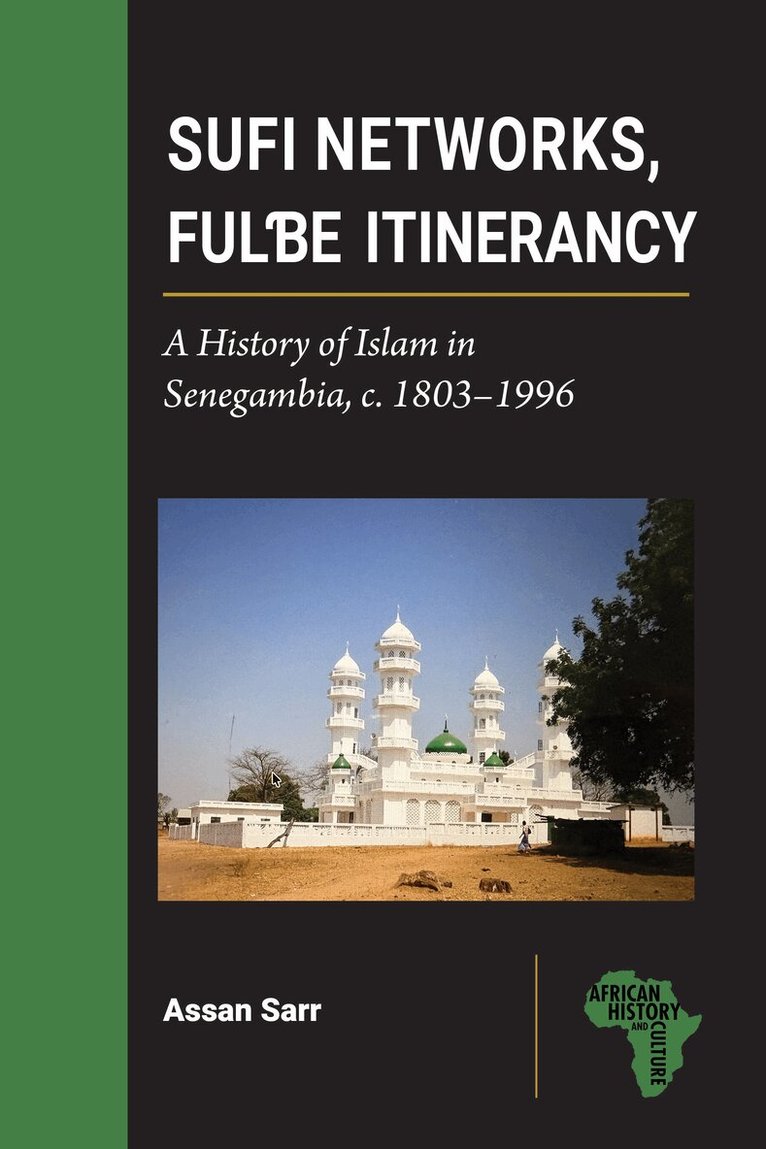
This book traces the development and expansion of a network of itinerant Fulbe clerics in southern Senegambia who forged solidarity under the banner of Islam. Beginning with a marabout named Cherno Muhammadu Jallow (c. 1803–1883)—who expanded the Umarian branch of the Tijaniyya sect into remote parts of the region—Assan Sarr demonstrates that some Fulbe groups were not drawn into Islam until the late nineteenth and early twentieth centuries. He argues that by creating a series of villages that served as educational centers during a tumultuous period, the itinerant scholars who are at the heart of this book not only spread Islam throughout the land of the Firdu, Saloum, and parts of the Gambia region but also played a pivotal role in establishing a widely shared Muslim identity among the Fulbe people.
Inbunden, Engelska, 2026
1 359 kr
Kommande
This book traces the development and expansion of a network of itinerant Fulbe clerics in southern Senegambia who forged solidarity under the banner of Islam. Beginning with a marabout named Cherno Muhammadu Jallow (c. 1803–1883)—who expanded the Umarian branch of the Tijaniyya sect into remote parts of the region—Assan Sarr demonstrates that some Fulbe groups were not drawn into Islam until the late nineteenth and early twentieth centuries. He argues that by creating a series of villages that served as educational centers during a tumultuous period, the itinerant scholars who are at the heart of this book not only spread Islam throughout the land of the Firdu, Saloum, and parts of the Gambia region but also played a pivotal role in establishing a widely shared Muslim identity among the Fulbe people.
Inbunden, Engelska, 2026
1 256 kr
Kommande
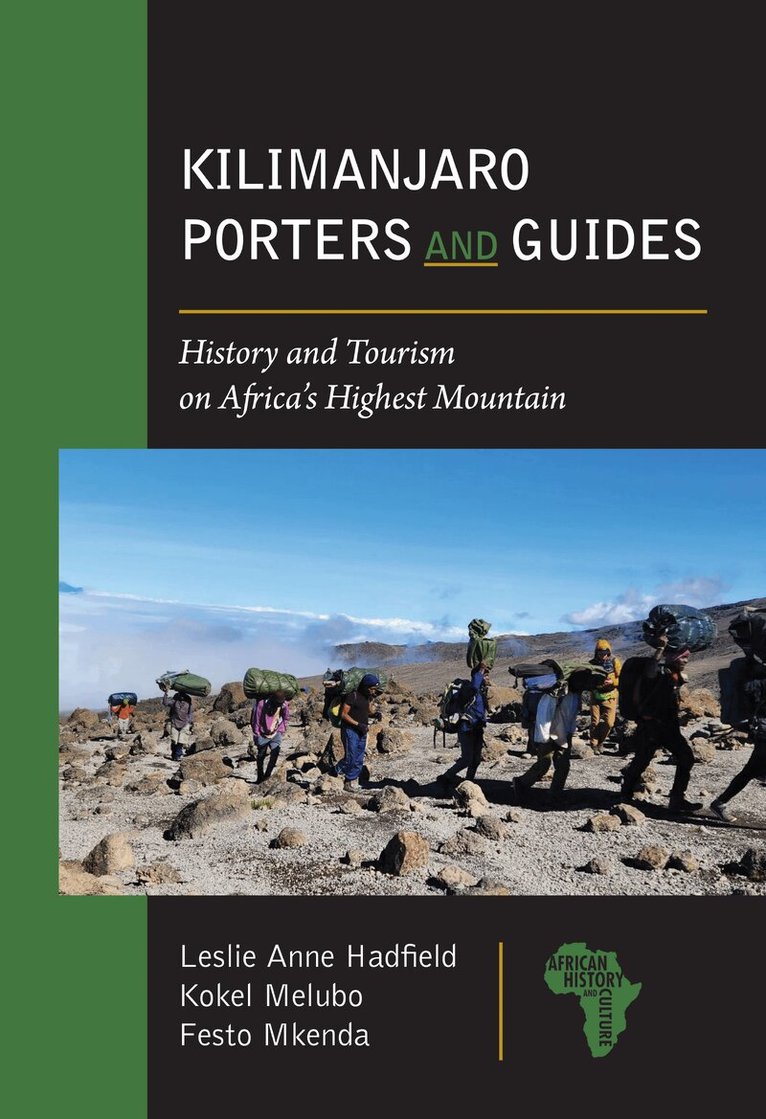
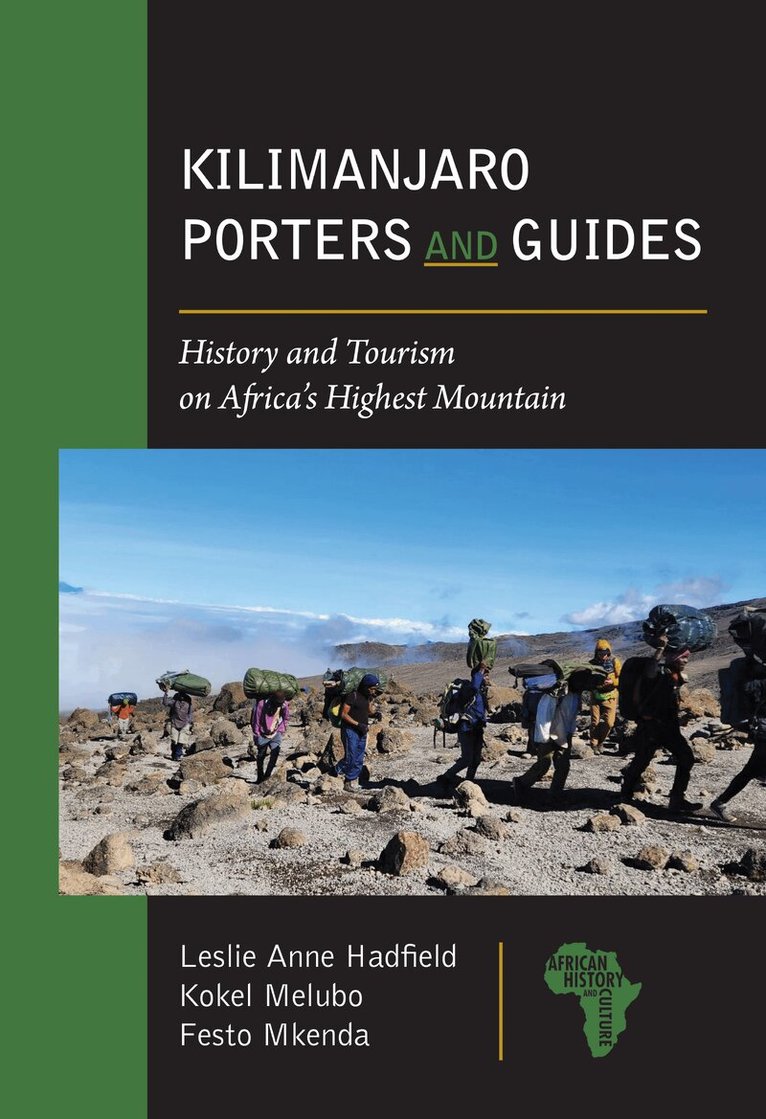
Mt. Kilimanjaro, Africa’s tallest mountain, draws tens of thousands of tourists annually. Many attempt to climb its nineteen thousand feet snow-covered peak, an arduous trek that can span several days. Like the climbers who scale Everest, they are aided by local porters, cooks, and guides. But unlike Everest’s Sherpas, who have been extensively documented and profiled, the Chagga people of the Kilimanjaro mountain crews remain nearly anonymous. The Chagga people, who were the first settlers near Kilimanjaro, have been an essential part of the climbing industry that has developed since the colonial period. Kilimanjaro Porters and Guidesreveals the history of these porters, cooks, and guides. The book takes us from early Chagga settlement, through European colonialism and African independence, to today. It argues that while the Kilimanjaro climbing industry developed in a colonial context, local Tanzanian actors have played an integral role in determining access to and understanding of the mountain. They also have been central to climbers’ successes, mountain crew culture, and the evolution of key industry features—even as they have struggled in the postcolonial period.
Häftad, Engelska, 2026
589 kr
Kommande
Mt. Kilimanjaro, Africa’s tallest mountain, draws tens of thousands of tourists annually. Many attempt to climb its nineteen thousand feet snow-covered peak, an arduous trek that can span several days. Like the climbers who scale Everest, they are aided by local porters, cooks, and guides. But unlike Everest’s Sherpas, who have been extensively documented and profiled, the Chagga people of the Kilimanjaro mountain crews remain nearly anonymous. The Chagga people, who were the first settlers near Kilimanjaro, have been an essential part of the climbing industry that has developed since the colonial period. Kilimanjaro Porters and Guidesreveals the history of these porters, cooks, and guides. The book takes us from early Chagga settlement, through European colonialism and African independence, to today. It argues that while the Kilimanjaro climbing industry developed in a colonial context, local Tanzanian actors have played an integral role in determining access to and understanding of the mountain. They also have been central to climbers’ successes, mountain crew culture, and the evolution of key industry features—even as they have struggled in the postcolonial period.