ALCTS Monograph - Böcker
Visar alla böcker i serien ALCTS Monograph. Handla med fri frakt och snabb leverans.
11 produkter
11 produkter
Textbooks in Academic Libraries
Selection, Circulation, and Assessment (an ALCTS Monograph)
Häftad, Engelska, 2017
677 kr
Skickas inom 7-10 vardagar
Shortly after the syllabi are posted, and long before the beginning of the term, interlibrary loan departments at academic libraries will have filled or rejected innumerable textbook requests. While it would be unwise if not impossible to buy and circulate every textbook at a college or university, there are many academic libraries who are selectively adding textbooks to their collections. And the practice seems to be gaining momentum. In this volume, the Association for Library Collections and Technical Services (ALCTS) and editor Chris Diaz gather case studies that pull together creative approaches and best practices for print textbook reserve programs. This book discusses such topics asresults and analysis from a detailed survey of a state university’s core-course textbook reserve program; funding sources for starting or piloting a program;using aggregated enrollment, grade, and textbook cost data to identify “high impact” courses;identifying course-related books that are in the library’s collection or fit an existing collection policy;workflow for using bookstore data with ILS and purchasing systems; andusing LibGuides and Google Sheets to publicize textbook holdings, and how a back-end database supports discovery for students and reporting for reserves staff.A textbook reserve program can be one way of helping students who are struggling with the high cost of textbooks, and this book spotlights a variety of examples that can be used as models.
944 kr
Skickas inom 3-6 vardagar
Streaming video at academic libraries is here to stay. In fact, a recent study shows about two-thirds of students use video as part of their academic study and three-quarters use it to supplement their reading. But as many libraries already know, video licensing can break your budget. Serving the needs of both students and faculty requires a balanced, strategic approach. This concise collection from the Association for Library Collections & Technical Services (ALCTS) offers guidance on such topics asselection criteria for video;seven common business models;practical workflows, from selection and licensing to setting up access;video-specific licensing considerations, including hosting and access restrictions;the TEACH Act and classroom use;using vendor analytic tools to improve discovery; andconducting a cost per use assessment.With the help of this book’s expert advice, academic and research libraries will be well equipped for meeting their institution’s video streaming needs.
729 kr
Skickas inom 7-10 vardagar
Are you spending money wisely? If you’re a technical services manager at an academic library, an administrator, or a dean, you’re tasked with proving it. Incorporate assessment and analysis work into your library’s existing workflow with the guidance of this new collection from the Association of Library Collections and Technical Services (ALCTS). Contributors from several academic libraries draw from real-world practices to suggest new approaches for acquisition and collections, cataloging and metadata, digital preservation, and e-resources and serials. You’ll find advice on such topics asassessing e-resource budgets, workflows, vendors, and collaborative initiatives;how to use multiple data sets to assess collections across subjects, formats, or other factors;working with data using common applications like Excel, Access, or MySQL;four types of preservation assessment and how to structure them for actionable results;ways to save on serial expenses while avoiding cancellations;seven key considerations for building a data warehouse; andbenchmarking techniques for improving metadata processesExploring your options for assessment will lead you to the right balance of traditional and new metrics, and this book provides a valuable overview.
677 kr
Skickas inom 7-10 vardagar
The circ stats say it all: graphic novels' popularity among library users keeps growing, with more being published (and acquired by libraries) each year. The unique challenges of developing and managing a graphics novels collection have led the Association of Library Collections and Technical Services (ALCTS) to craft this guide, presented under the expert supervision of editor Ballestro, who has worked with comics for more than 35 years. Examining the ever-changing ways that graphic novels are created, packaged, marketed, and released, this resource gathers a range of voices from the field to explore such topics as:a cultural history of comics and graphic novels from their World War II origins to today, providing a solid grounding for newbies and fresh insights for all;catching up on the Big Two's reboots: Marvel's 10 and DC's 4;five questions to ask when evaluating nonfiction graphic novels and 30 picks for a core collection;key publishers and cartoonists to consider when adding international titles;developing a collection that supports curriculum and faculty outreach to ensure wide usage, with catalogers' tips for organizing your collection and improving discovery;real-world examples of how libraries treat graphic novels, such as an in-depth profile of the development of Penn Library's Manga collection;how to integrate the emerging field of graphic medicine into the collection; andspecialized resources like The Cartoonists of Color and Queer Cartoonists databases, the open access scholarly journal Comic Grid, and the No Flying, No Tights website.Packed with expert guidance and useful information, this guide will assist technical services staff, catalogers, and acquisition and collection management librarians.
986 kr
Skickas inom 3-6 vardagar
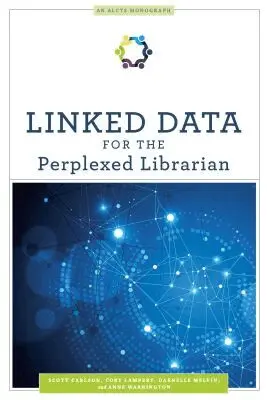
Linked data has become a punchline in certain circles of the GLAM (galleries, libraries, archives, and museums) community, derided as a much-hyped project that will ultimately never come to fruition. But the fact is, linked data is already happening now, evident in projects from Big Tech and the Wikimedia Foundation as well as the web pages of library service platforms. The goal of exposing cultural institutions' records to the web is as important as ever-but for the non-technically minded, linked data can feel like a confusing morass of abstraction, jargon, and acronyms. Get conversant in linked data with this basic introduction from the Association of Library Collections and Technical Services (ALCTS). The book's expert contributors:summarize the origins of linked data, from early computers and the creation of the World Wide Web through RDF;walk readers through the practical, everyday side of creating, identifying, and representing semantically rich linked data using as an example the funk classic Mothership Connection album from the band Parliament;explain the concept of ontologies;explore such linked data projects as Open Graph, DBpedia, BIBFRAME, and Schema.org's Bib Extension;offer suggested solo and group entry-level projects for linked data-curious librarians who wish to dive deeper; andprovide a handy glossary and links to additional resources. This valuable primer on linked data will enable readers at any level of experience to get quickly up to speed on this important subject.
523 kr
Skickas inom 7-10 vardagar
Amidst uncertain times rife with challenges and potential catastrophes, prudently managing risk will bolster your library's resilience in the face of adversity. And by being attentive to lowering risk, you'll help keep insurance costs in check. This succinct manual for trustees and administrators offers straightforward guidance for designing and implementing a library risk management program. You'll get succinct advice on such essentials asthe five major areas of risk and loss for libraries, with an overview of the types of property and casualty coverage common to most libraries;how to determine if the new framework of enterprise risk management is right for your library; elements of a good risk policy statement;tips for determining the value of your collection, plus a sample risk assessment template;the most library-relevant portions of the National Fire Code;insurance considerations for remodeling or construction projects;advice on cybersecurity and handling cyberattacks;setting up an emergency response team that is ready when disaster threatens;developing a financial plan that assures uninterrupted service despite adverse conditions; andguidance on the paperwork a claims adjuster will require.This to-the-point resource will lead you onto the best path to safeguarding your library's assets and future.
800 kr
Skickas inom 3-6 vardagar
Library liaisons often have primary jobs that do not involve collection development, but their familiarity with collection practices makes all the difference in faculty relations. And time pressures mean that on-boarding needs to be as streamlined as possible. This concise, field-tested training manual will put your liaison on solid footing. Plus, end of the chapter prompts make it easy to tailor your approach to local practices. With the help of this resource, your new liaison will get up to speed on such topics astracking budget balances in assigned departments;differentiating between the needs of an individual faculty member and their department;how to say no to monograph requests;benchmarking titles with peer institutions or coordinating within a consortium;17 questions to ask when evaluating a database;considerations when making weeding decisions;four key conversations to have annually between liaisons and collection development librarians; andgathering data for program accreditation reports.Utilizing several dozen real-world examples which show liaison decisions and actions in practice, this guide will be a useful tool for collection development librarians to streamline training processes for library liaisons.
780 kr
Skickas inom 7-10 vardagar
This authoritative text will be a trusted reference for library directors implementing new IR programs or overseeing a maturing program, current professionals who find themselves with added IR responsibilities, and new librarians entering the job market.The Institutional Repository (IR) has become standard to the academic library in the past decade. In fact, some 5,000 are listed in open access directories. However, IR operations are anything but standard. You are not alone in your challenges, whether it's discovery of born digital content or policies for deposit and withdrawal. This resource gathers expertise to offer a comprehensive guide on contemporary institutional repository management. Readers will sharpen their understanding of such key IR topics asmanaging complexity task-by-task using a detailed breakdown of IR projects;six crucial elements every deposit policy should address;using the SHERPA RoMEO database to quickly locate publisher policies;policy development, community outreach, and open source software testing, illuminated through case studies;metadata basics for the non-cataloger;authority control for electronic theses, dissertations, and grey literature;workflow suggestions for small and mid-sized institutions;showcasing undergraduates' work with student peer-reviewed journals, photography, or theater performances;promoting faculty engagement with awards and recognition; andcopyright fundamentals all staff who interact with the IR should know.
729 kr
Skickas inom 7-10 vardagar
Using this guide, collection managers and acquisitions librarians, preservation librarians, catalogers, and library managers will understand how to utilize the technical services workflow to process and showcase this unique material.An important resource for scholarly research, grey literature is relevant to every discipline. It's also often more current than commercial publications. Unfortunately, though it provides a richness of content, this type of scholarly resource is often overlooked when conducting research. This book aims to change that, describing the importance of grey literature and offering a holistic approach to successfully integrating it into library collections. Readers will learnan overview of grey literature that discusses its importance to researchers, scholars, and students;collections policies for selection and deselection, complete with a suggested workflow;information about vendors, OA, and other aspects of acquisitions;guidance on cataloging, such as collection categories in the public-facing catalog, and preservation; andmethods for promoting grey literature in library collections, including institutional repositories; andtips for marketing, branding, outreach, and best communication practices for colleagues, administrators, and patrons.
Transforming Print
Collection Development and Management for Our Connected Future
Häftad, Engelska, 2021
626 kr
Skickas inom 7-10 vardagar
677 kr
Skickas inom 7-10 vardagar
The real-world initiatives and straightforward advice in this collection will embolden technical services managers and administrators to demonstrate the value of their work to stakeholders throughout their organization.Technical Services isn't the hidden discipline it once was. Even so, despite all the cross-departmental interaction, misconceptions about the work are all too common. It's incumbent on technical services staff to take a proactive approach by communicating to others their value to the library and institutional mission. Spotlighting several successful initiatives, this collection will give you the guidance to bolster communication within departments, across the library, and campus-wide. You'll learn aboutapplying the 7 principles of communities of practice to break down silos;software such as Trello, Basecamp, and Confluence that can improve communications workflows;ticketing systems and training to help frontline staff solve e-resource access problems;engaging faculty in collection decisions using a mix of communication channels;how informational classes on metadata can improve the work of staff across the library;supporting research data management through metadata outreach; using focus groups to develop shared expectations with subject librarians;4 narrative strategies to market library resources;using infographics as a dynamic way to illustrate progress in a collection management program;developing an external communication plan for a library de-selection project;using portfolio management to collaboratively implement new services; andplanning a cross-departmental retreat.