Art History Publication Initiative – serie
Visar alla böcker i serien Art History Publication Initiative. Handla med fri frakt och snabb leverans.
20 produkter
20 produkter
Inbunden, Engelska, 2018
1 251 kr
Skickas inom 5-8 vardagar
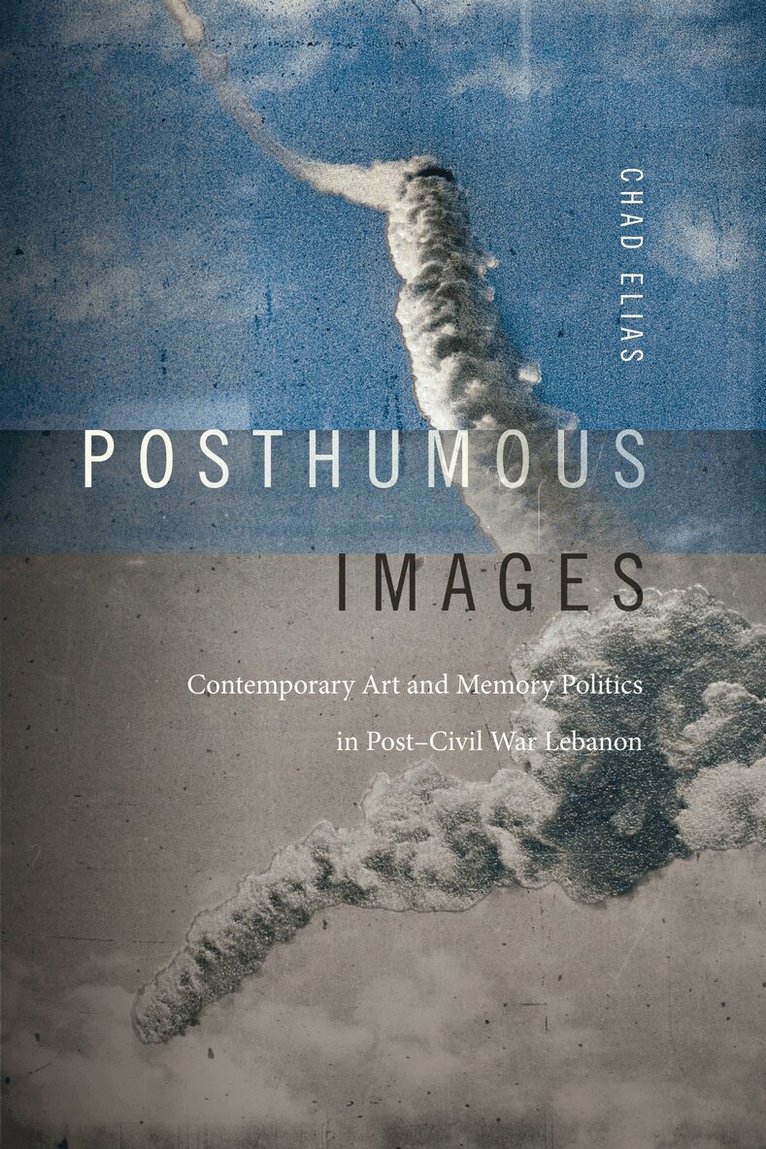
For almost two decades of its history (1975-90), Lebanon was besieged by sectarian fighting, foreign invasions, and complicated proxy wars. In Posthumous Images, Chad Elias analyzes a generation of contemporary artists who have sought, in different ways, to interrogate the contested memory of those years of civil strife and political upheaval. In their films, photography, architectural projects, and multimedia performances, these artists appropriate existing images to challenge divisive and violent political discourses. They also create new images that make visible individuals and communities that have been effectively silenced, rendered invisible, or denied political representation. As Elias demonstrates, these practices serve to productively unsettle the distinctions between past and present, the dead and the living, official history and popular memory. In Lebanon, the field of contemporary art is shown to be critical to remembering the past and reimagining the future in a nation haunted by a violent and unresolved war.
Häftad, Engelska, 2018
436 kr
Skickas inom 5-8 vardagar
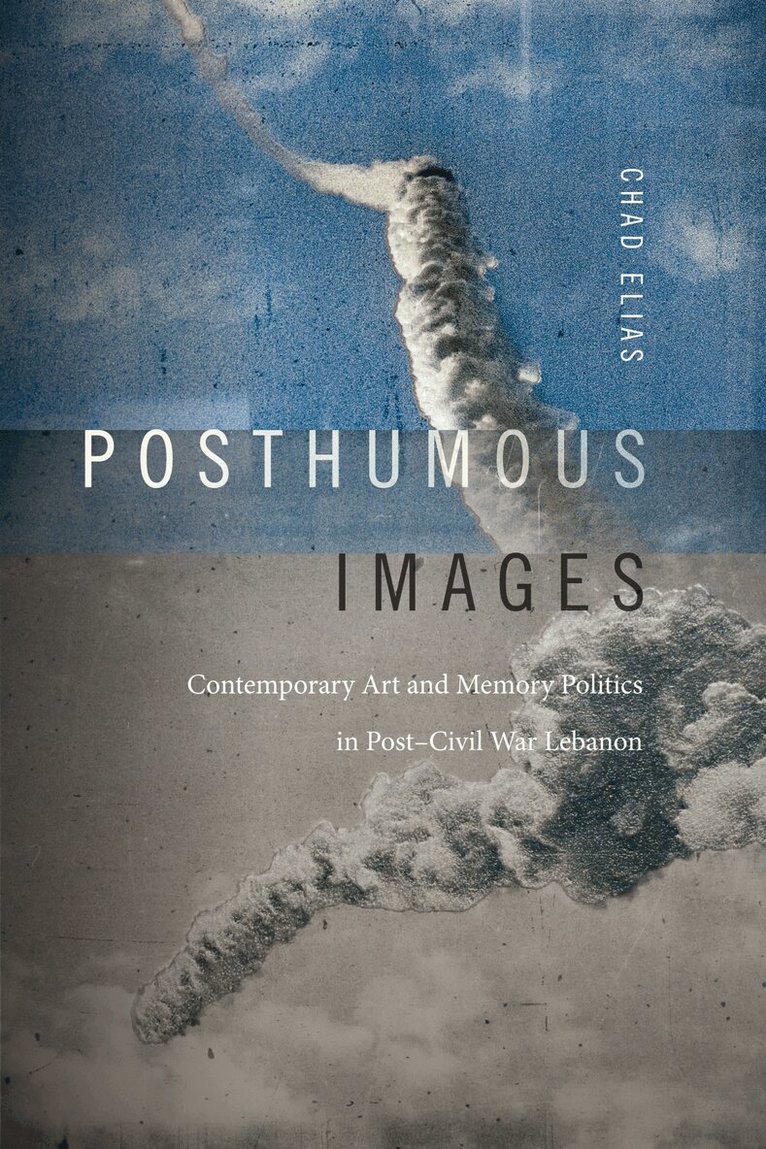
For almost two decades of its history (1975-90), Lebanon was besieged by sectarian fighting, foreign invasions, and complicated proxy wars. In Posthumous Images, Chad Elias analyzes a generation of contemporary artists who have sought, in different ways, to interrogate the contested memory of those years of civil strife and political upheaval. In their films, photography, architectural projects, and multimedia performances, these artists appropriate existing images to challenge divisive and violent political discourses. They also create new images that make visible individuals and communities that have been effectively silenced, rendered invisible, or denied political representation. As Elias demonstrates, these practices serve to productively unsettle the distinctions between past and present, the dead and the living, official history and popular memory. In Lebanon, the field of contemporary art is shown to be critical to remembering the past and reimagining the future in a nation haunted by a violent and unresolved war.
Inbunden, Engelska, 2016
546 kr
Skickas inom 5-8 vardagar
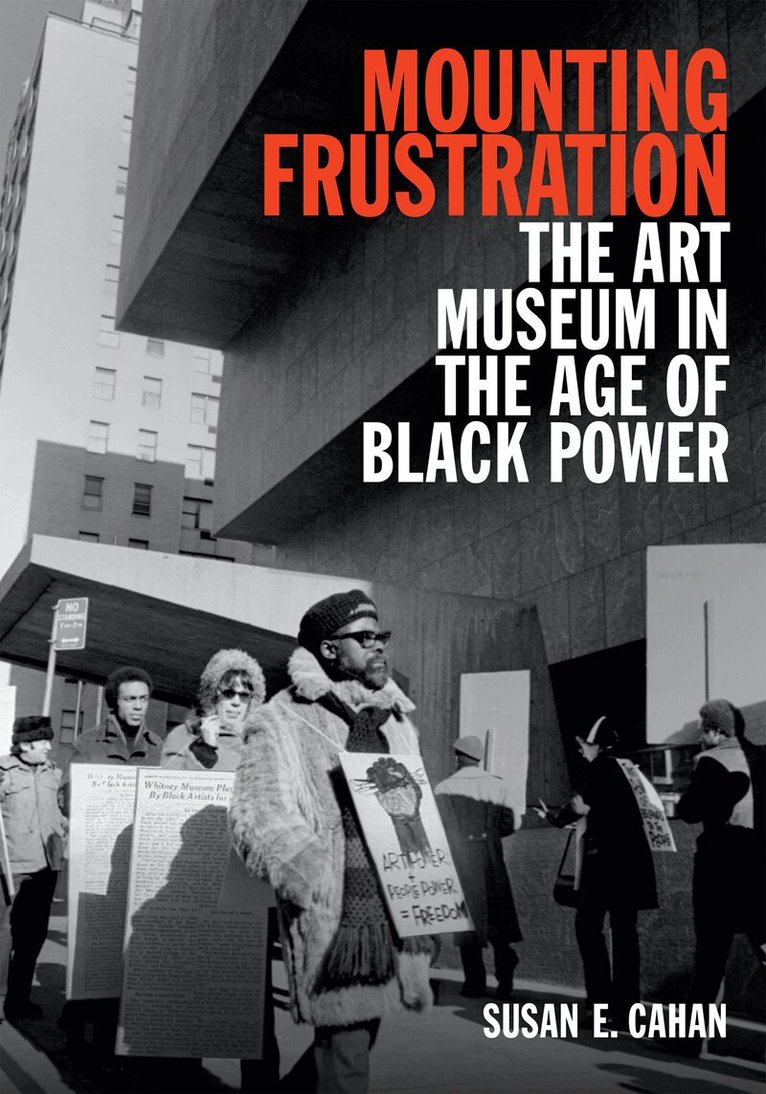
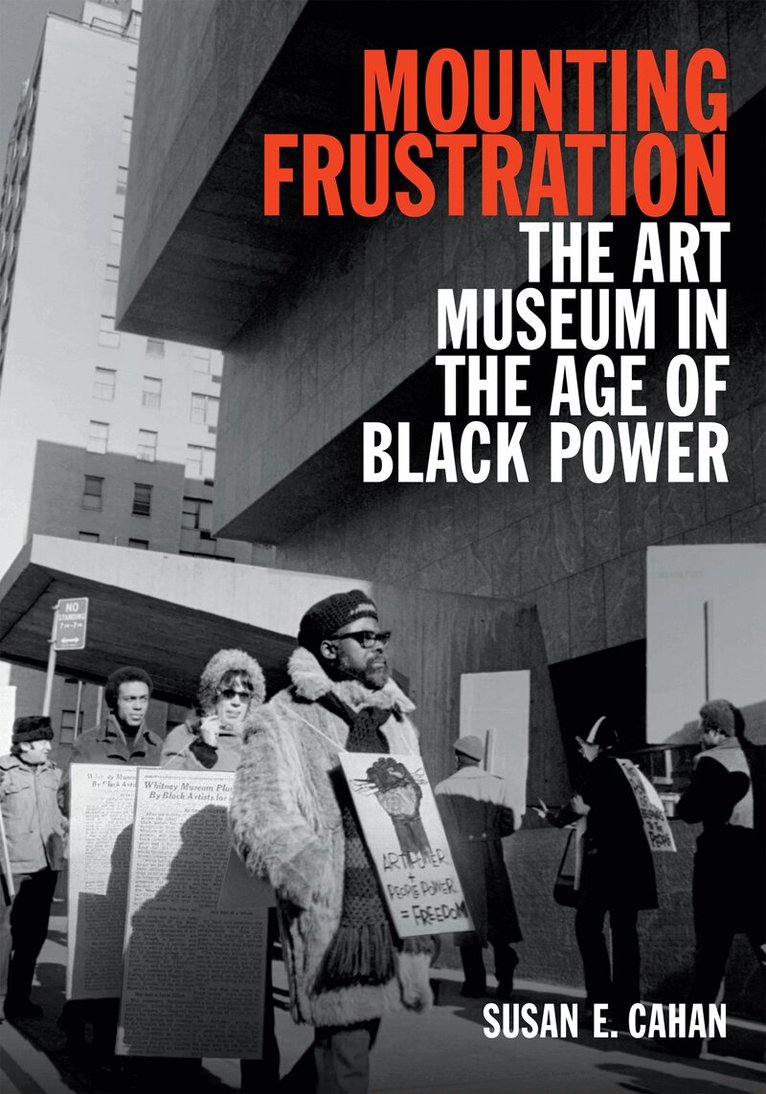
Prior to 1967 fewer than a dozen museum exhibitions had featured the work of African American artists. And by the time the civil rights movement reached the American art museum, it had already crested: the first public demonstrations to integrate museums occurred in late 1968, twenty years after the desegregation of the military and fourteen years after the Brown vs. Board of Education decision. In Mounting Frustration Susan E. Cahan investigates the strategies African American artists and museum professionals employed as they wrangled over access to and the direction of New York City's elite museums. Drawing on numerous interviews with artists and analyses of internal museum documents, Cahan gives a detailed and at times surprising picture of the institutional and social forces that both drove and inhibited racial justice in New York's museums.Cahan focuses on high-profile and wildly contested exhibitions that attempted to integrate African American culture and art into museums, each of which ignited debate, dissension, and protest. The Metropolitan Museum's 1969 exhibition Harlem on My Mind was supposed to represent the neighborhood, but it failed to include the work of the black artists living and working there. While the Whitney's 1971 exhibition Contemporary Black Artists in America featured black artists, it was heavily criticized for being haphazard and not representative. The Whitney show revealed the consequences of museums' failure to hire African American curators, or even white curators who possessed knowledge of black art. Cahan also recounts the long history of the Museum of Modern Art's institutional ambivalence toward contemporary artists of color, which reached its zenith in its 1984 exhibition "Primitivism" in Twentieth Century Art. Representing modern art as a white European and American creation that was influenced by the "primitive" art of people of color, the show only served to further devalue and cordon off African American art.In addressing the racial politics of New York's art world, Cahan shows how aesthetic ideas reflected the underlying structural racism and inequalities that African American artists faced. These inequalities are still felt in America's museums, as many fundamental racial hierarchies remain intact: art by people of color is still often shown in marginal spaces; one-person exhibitions are the preferred method of showing the work of minority artists, as they provide curators a way to avoid engaging with the problems of complicated, interlocking histories; and whiteness is still often viewed as the norm. The ongoing process of integrating museums, Cahan demonstrates, is far broader than overcoming past exclusions.
Inbunden, Engelska, 2016
1 801 kr
Skickas inom 10-15 vardagar
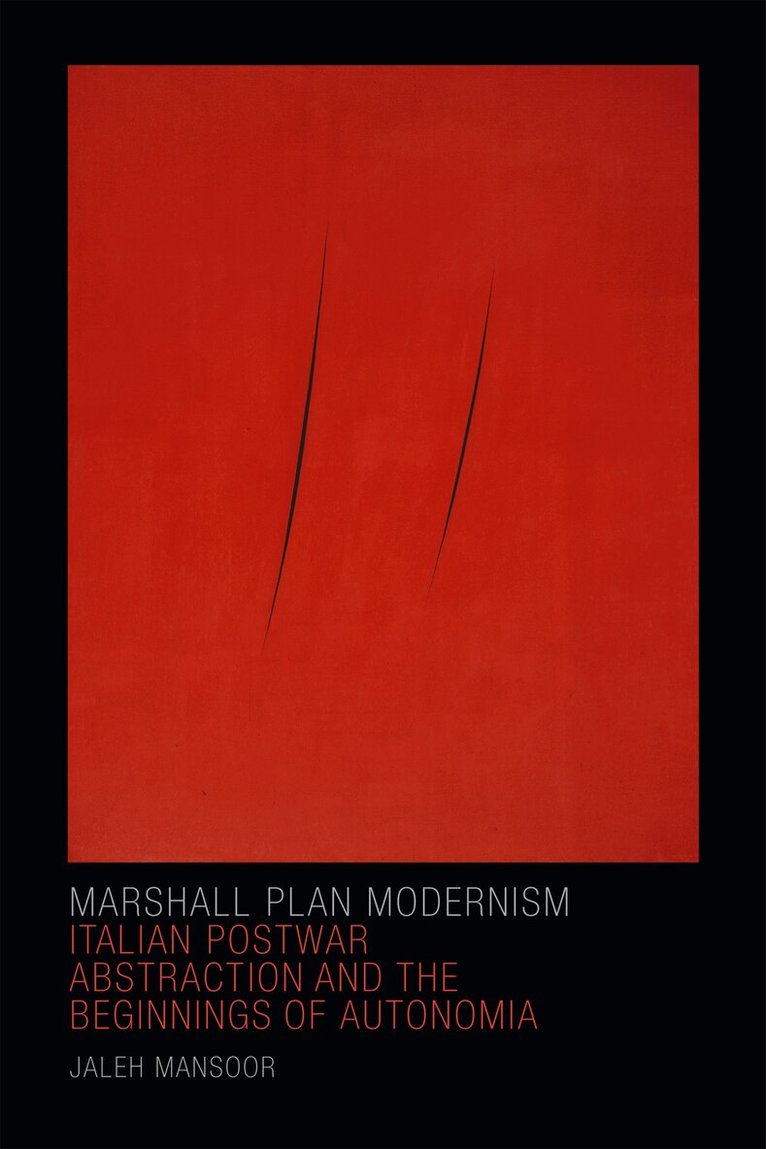
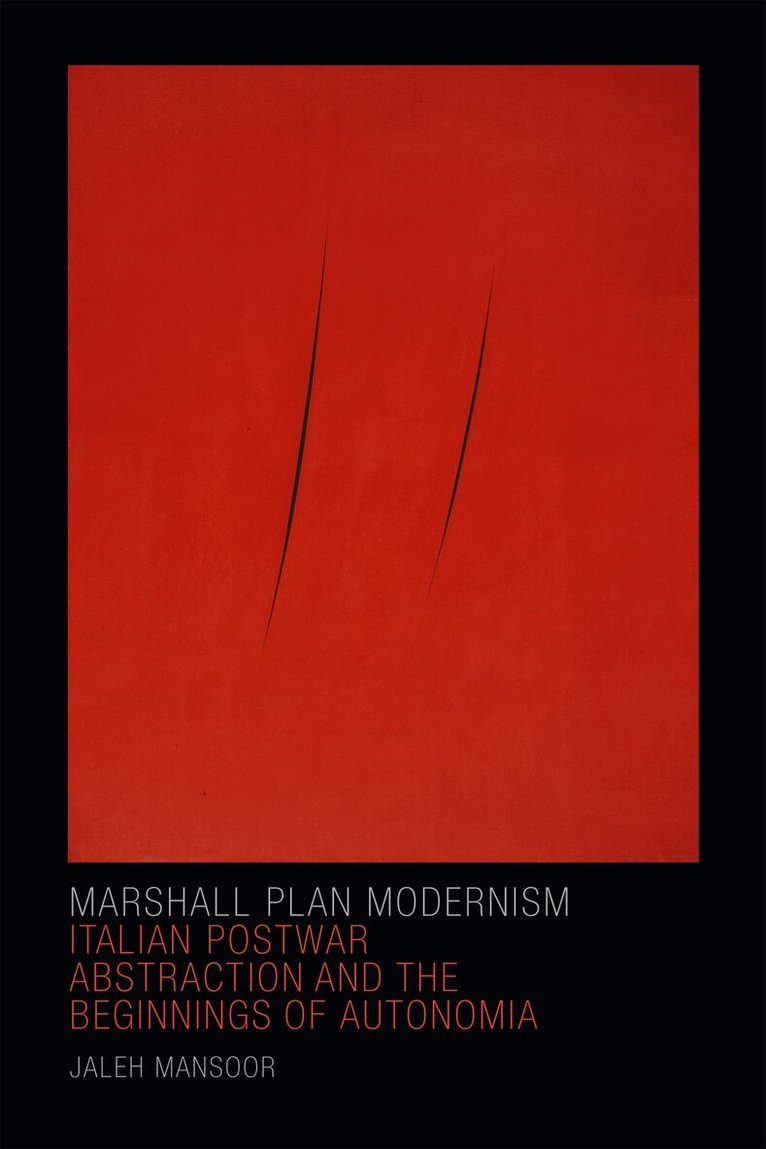
Focusing on artwork by Lucio Fontana, Alberto Burri, and Piero Manzoni, Jaleh Mansoor demonstrates and reveals how abstract painting, especially the monochrome, broke with fascist-associated futurism and functioned as an index of social transition in postwar Italy. Mansoor refuses to read the singularly striking formal and procedural violence of Fontana's slit canvasses, Burri's burnt and exploded plastics, and Manzoni's "achromes" as metaphors of traumatic memories of World War II. Rather, she locates the motivation for this violence in the history of the medium of painting and in the economic history of postwar Italy. Reconfiguring the relationship between politics and aesthetics, Mansoor illuminates how the monochrome's reemergence reflected Fontana, Burri, and Manzoni's aesthetic and political critique of the Marshall Plan's economic warfare and growing American hegemony. It also anticipated the struggles in Italy's factories, classrooms, and streets that gave rise to Autonomia in the 1960s. Marshall Plan Modernism refigures our understanding of modernist painting as a project about labor and the geopolitics of postwar reconstruction during the Italian Miracle.
Häftad, Engelska, 2016
442 kr
Skickas inom 10-15 vardagar
Focusing on artwork by Lucio Fontana, Alberto Burri, and Piero Manzoni, Jaleh Mansoor demonstrates and reveals how abstract painting, especially the monochrome, broke with fascist-associated futurism and functioned as an index of social transition in postwar Italy. Mansoor refuses to read the singularly striking formal and procedural violence of Fontana's slit canvasses, Burri's burnt and exploded plastics, and Manzoni's "achromes" as metaphors of traumatic memories of World War II. Rather, she locates the motivation for this violence in the history of the medium of painting and in the economic history of postwar Italy. Reconfiguring the relationship between politics and aesthetics, Mansoor illuminates how the monochrome's reemergence reflected Fontana, Burri, and Manzoni's aesthetic and political critique of the Marshall Plan's economic warfare and growing American hegemony. It also anticipated the struggles in Italy's factories, classrooms, and streets that gave rise to Autonomia in the 1960s. Marshall Plan Modernism refigures our understanding of modernist painting as a project about labor and the geopolitics of postwar reconstruction during the Italian Miracle.
Inbunden, Engelska, 2017
1 776 kr
Skickas inom 5-8 vardagar
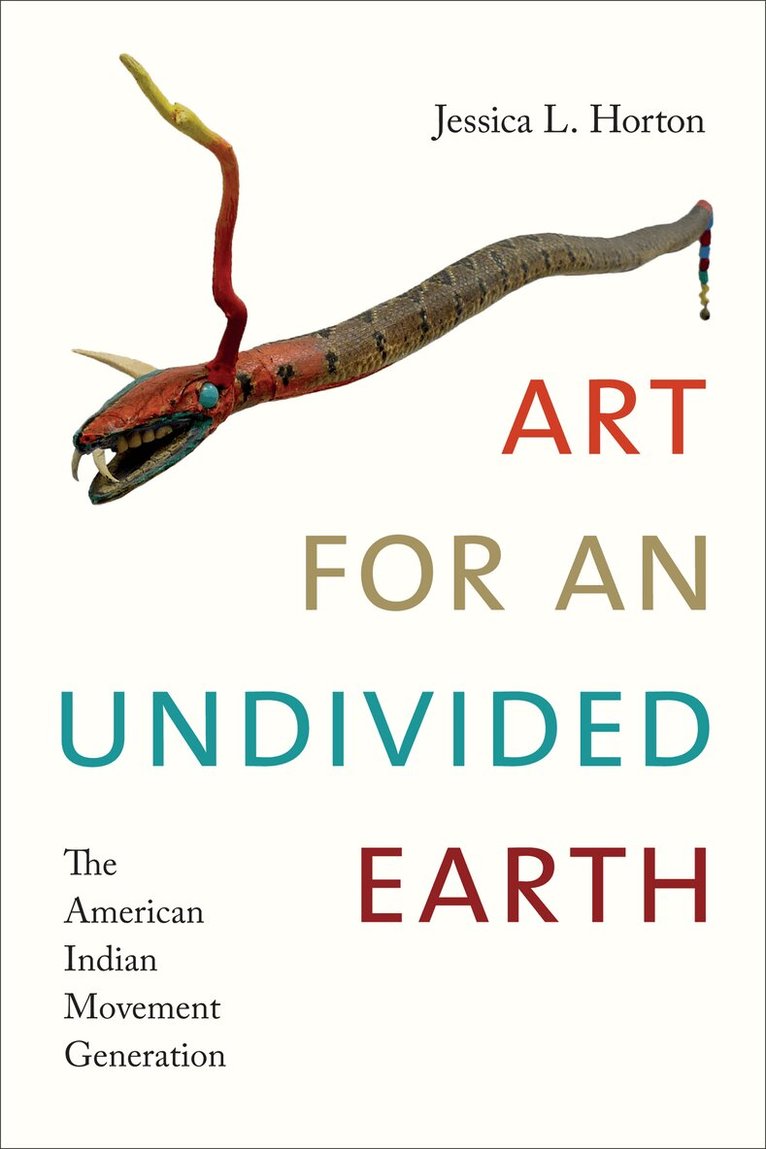
In Art for an Undivided Earth Jessica L. Horton reveals how the spatial philosophies underlying the American Indian Movement (AIM) were refigured by a generation of artists searching for new places to stand. Upending the assumption that Jimmie Durham, James Luna, Kay WalkingStick, Robert Houle, and others were primarily concerned with identity politics, she joins them in remapping the coordinates of a widely shared yet deeply contested modernity that is defined in great part by the colonization of the Americas. She follows their installations, performances, and paintings across the ocean and back in time, as they retrace the paths of Native diplomats, scholars, performers, and objects in Europe after 1492. Along the way, Horton intervenes in a range of theories about global modernisms, Native American sovereignty, racial difference, archival logic, artistic itinerancy, and new materialisms. Writing in creative dialogue with contemporary artists, she builds a picture of a spatially, temporally, and materially interconnected world-an undivided earth.
Häftad, Engelska, 2017
422 kr
Skickas inom 3-6 vardagar
In Art for an Undivided Earth Jessica L. Horton reveals how the spatial philosophies underlying the American Indian Movement (AIM) were refigured by a generation of artists searching for new places to stand. Upending the assumption that Jimmie Durham, James Luna, Kay WalkingStick, Robert Houle, and others were primarily concerned with identity politics, she joins them in remapping the coordinates of a widely shared yet deeply contested modernity that is defined in great part by the colonization of the Americas. She follows their installations, performances, and paintings across the ocean and back in time, as they retrace the paths of Native diplomats, scholars, performers, and objects in Europe after 1492. Along the way, Horton intervenes in a range of theories about global modernisms, Native American sovereignty, racial difference, archival logic, artistic itinerancy, and new materialisms. Writing in creative dialogue with contemporary artists, she builds a picture of a spatially, temporally, and materially interconnected world-an undivided earth.
Häftad, Engelska, 2018
325 kr
Skickas inom 5-8 vardagar
Prior to 1967 fewer than a dozen museum exhibitions had featured the work of African American artists. And by the time the civil rights movement reached the American art museum, it had already crested: the first public demonstrations to integrate museums occurred in late 1968, twenty years after the desegregation of the military and fourteen years after the Brown vs. Board of Education decision. In Mounting Frustration Susan E. Cahan investigates the strategies African American artists and museum professionals employed as they wrangled over access to and the direction of New York City's elite museums. Drawing on numerous interviews with artists and analyses of internal museum documents, Cahan gives a detailed and at times surprising picture of the institutional and social forces that both drove and inhibited racial justice in New York's museums.Cahan focuses on high-profile and wildly contested exhibitions that attempted to integrate African American culture and art into museums, each of which ignited debate, dissension, and protest. The Metropolitan Museum's 1969 exhibition Harlem on My Mind was supposed to represent the neighborhood, but it failed to include the work of the black artists living and working there. While the Whitney's 1971 exhibition Contemporary Black Artists in America featured black artists, it was heavily criticized for being haphazard and not representative. The Whitney show revealed the consequences of museums' failure to hire African American curators, or even white curators who possessed knowledge of black art. Cahan also recounts the long history of the Museum of Modern Art's institutional ambivalence toward contemporary artists of color, which reached its zenith in its 1984 exhibition "Primitivism" in Twentieth Century Art. Representing modern art as a white European and American creation that was influenced by the "primitive" art of people of color, the show only served to further devalue and cordon off African American art.In addressing the racial politics of New York's art world, Cahan shows how aesthetic ideas reflected the underlying structural racism and inequalities that African American artists faced. These inequalities are still felt in America's museums, as many fundamental racial hierarchies remain intact: art by people of color is still often shown in marginal spaces; one-person exhibitions are the preferred method of showing the work of minority artists, as they provide curators a way to avoid engaging with the problems of complicated, interlocking histories; and whiteness is still often viewed as the norm. The ongoing process of integrating museums, Cahan demonstrates, is far broader than overcoming past exclusions.
Inbunden, Engelska, 2020
1 597 kr
Skickas inom 3-6 vardagar
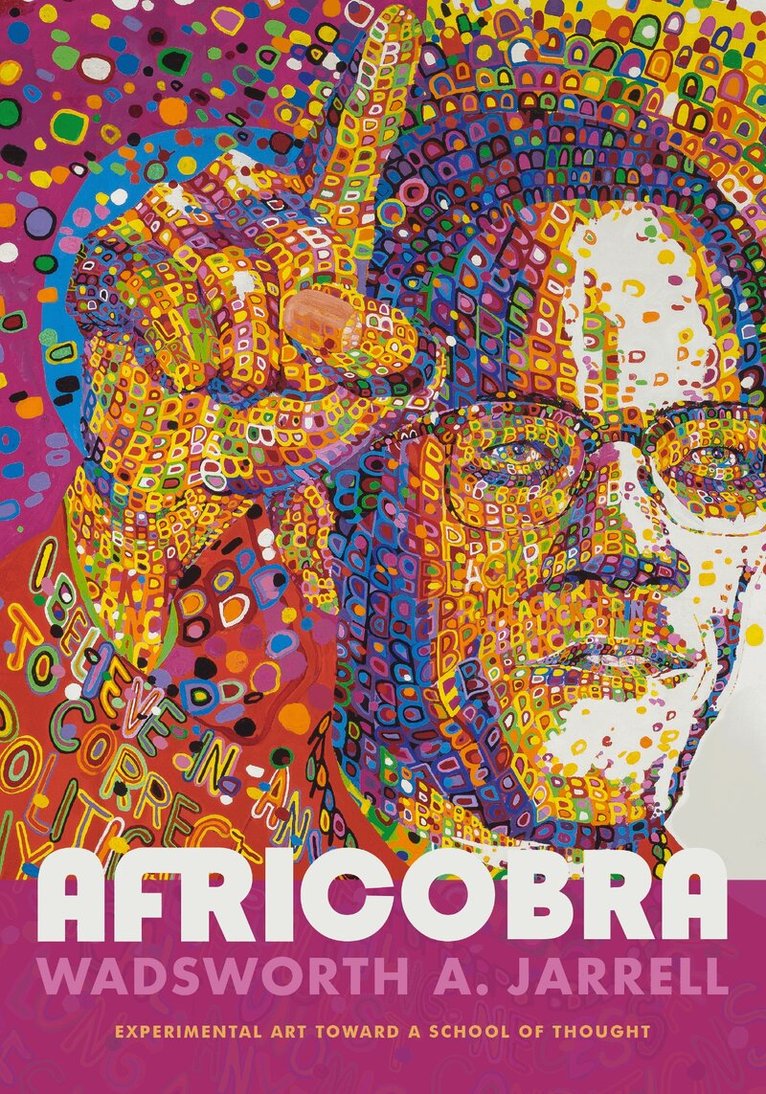
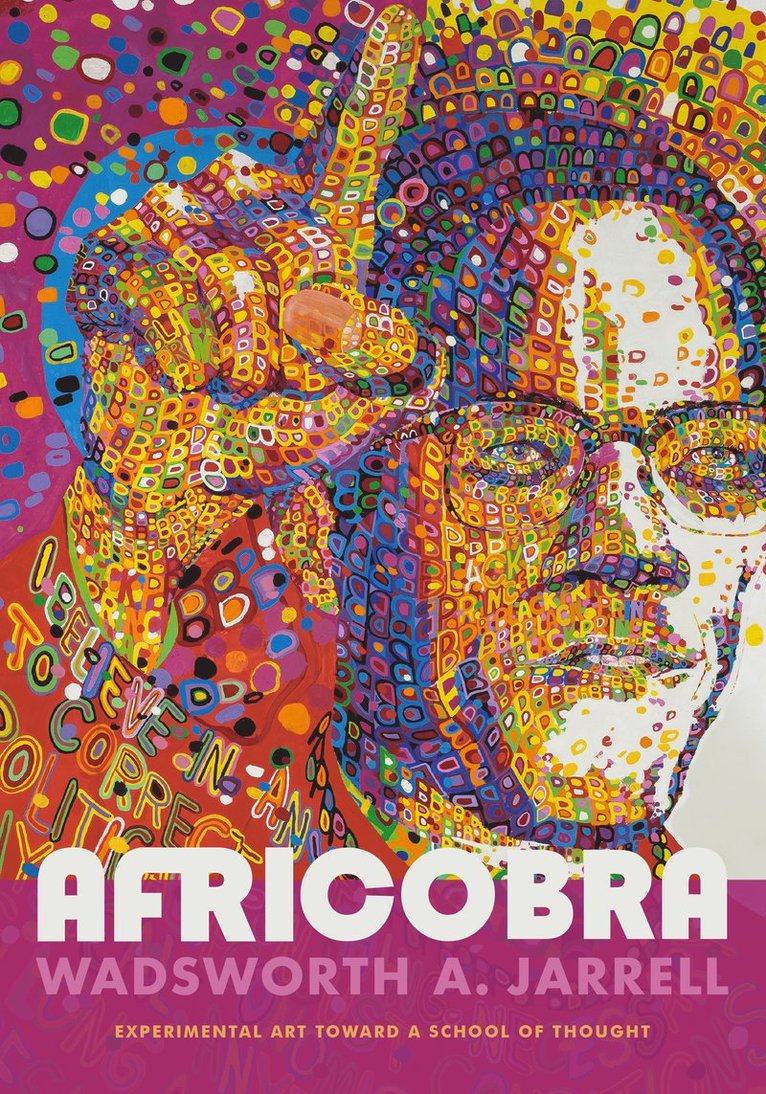
Formed on the South Side of Chicago in 1968 at the height of the civil rights, Black power, and Black arts movements, the AFRICOBRA collective created a new artistic visual language rooted in the culture of Chicago's Black neighborhoods. The collective's aesthetics, especially the use of vibrant color, capture the rhythmic dynamism of Black culture and social life. In AFRICOBRA, painter, photographer, and collective cofounder Wadsworth A. Jarrell tells the definitive story of the group's creation, history, and artistic and political principles. From accounts of the painting of the groundbreaking Wall of Respect mural and conversations among group members to documentation of AFRICOBRA's exhibits in Chicago, New York, and Boston, Jarrell outlines how the collective challenged white conceptions of art by developing an artistic philosophy and approach wholly divested of Western practices. Featuring nearly one hundred color images of artworks, exhibition ephemera, and photographs, this book is at once a sourcebook history of AFRICOBRA and the story of visionary artists who rejected the white art establishment in order to create uplifting art for all Black people.
Häftad, Engelska, 2020
339 kr
Skickas inom 5-8 vardagar
Formed on the South Side of Chicago in 1968 at the height of the civil rights, Black power, and Black arts movements, the AFRICOBRA collective created a new artistic visual language rooted in the culture of Chicago's Black neighborhoods. The collective's aesthetics, especially the use of vibrant color, capture the rhythmic dynamism of Black culture and social life. In AFRICOBRA, painter, photographer, and collective cofounder Wadsworth A. Jarrell tells the definitive story of the group's creation, history, and artistic and political principles. From accounts of the painting of the groundbreaking Wall of Respect mural and conversations among group members to documentation of AFRICOBRA's exhibits in Chicago, New York, and Boston, Jarrell outlines how the collective challenged white conceptions of art by developing an artistic philosophy and approach wholly divested of Western practices. Featuring nearly one hundred color images of artworks, exhibition ephemera, and photographs, this book is at once a sourcebook history of AFRICOBRA and the story of visionary artists who rejected the white art establishment in order to create uplifting art for all Black people.
Inbunden, Engelska, 2019
918 kr
Skickas
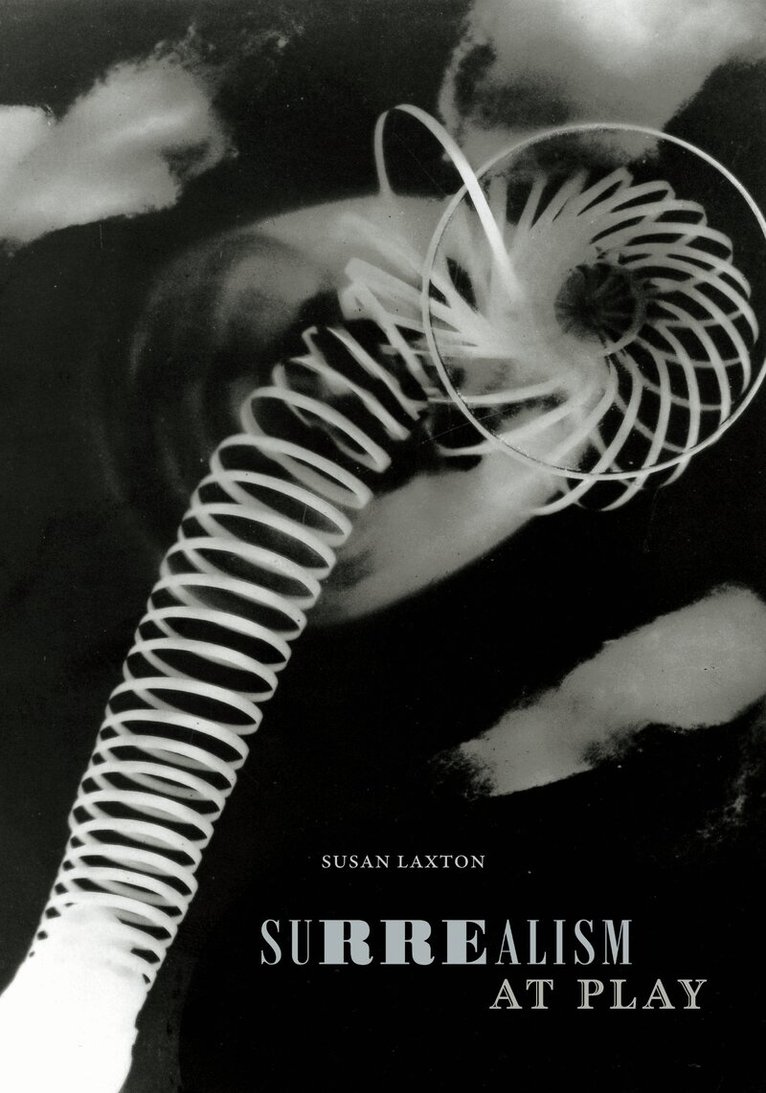
In Surrealism at Play Susan Laxton writes a new history of surrealism in which she traces the centrality of play to the movement and its ongoing legacy. For surrealist artists, play took a consistent role in their aesthetic as they worked in, with, and against a post-World War I world increasingly dominated by technology and functionalism. Whether through exquisite-corpse drawings, Man Ray’s rayographs, or Joan MirÓ’s visual puns, surrealists became adept at developing techniques and processes designed to guarantee aleatory outcomes. In embracing chance as the means to produce unforeseeable ends, they shifted emphasis from final product to process, challenging the disciplinary structures of industrial modernism. As Laxton demonstrates, play became a primary method through which surrealism refashioned artistic practice, everyday experience, and the nature of subjectivity.
Häftad, Engelska, 2019
339 kr
Skickas inom 5-8 vardagar
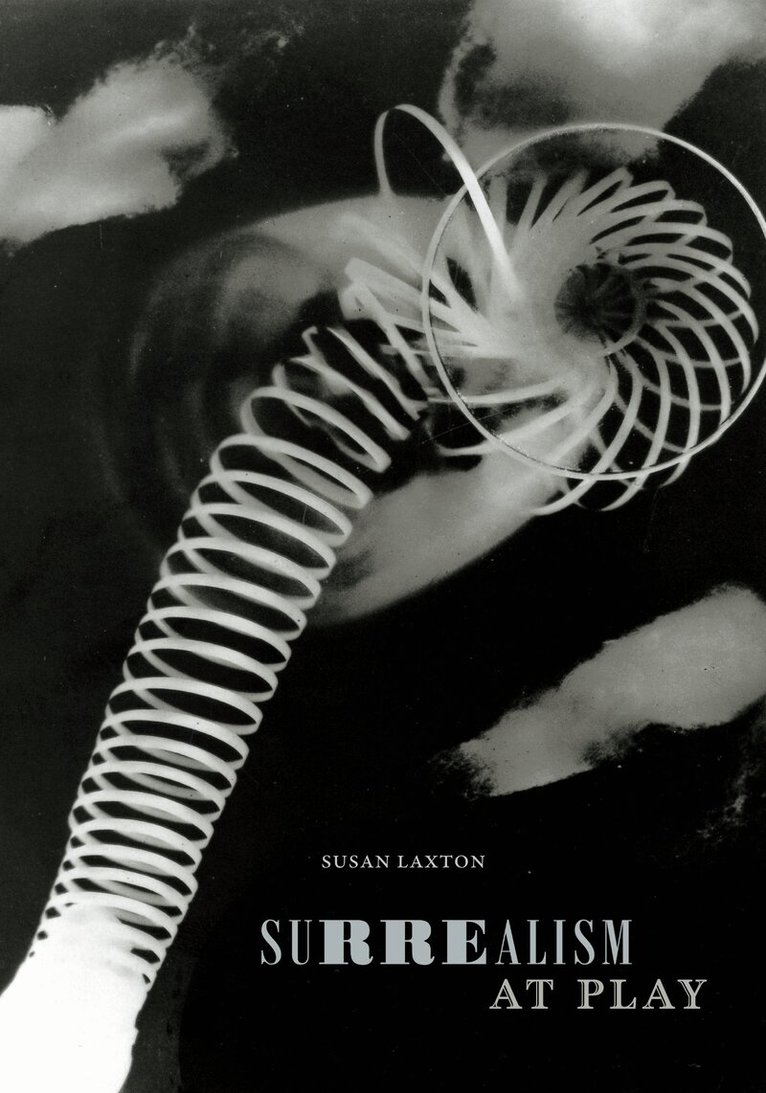
In Surrealism at Play Susan Laxton writes a new history of surrealism in which she traces the centrality of play to the movement and its ongoing legacy. For surrealist artists, play took a consistent role in their aesthetic as they worked in, with, and against a post-World War I world increasingly dominated by technology and functionalism. Whether through exquisite-corpse drawings, Man Ray’s rayographs, or Joan MirÓ’s visual puns, surrealists became adept at developing techniques and processes designed to guarantee aleatory outcomes. In embracing chance as the means to produce unforeseeable ends, they shifted emphasis from final product to process, challenging the disciplinary structures of industrial modernism. As Laxton demonstrates, play became a primary method through which surrealism refashioned artistic practice, everyday experience, and the nature of subjectivity.
Inbunden, Engelska, 2019
1 196 kr
Skickas inom 5-8 vardagar
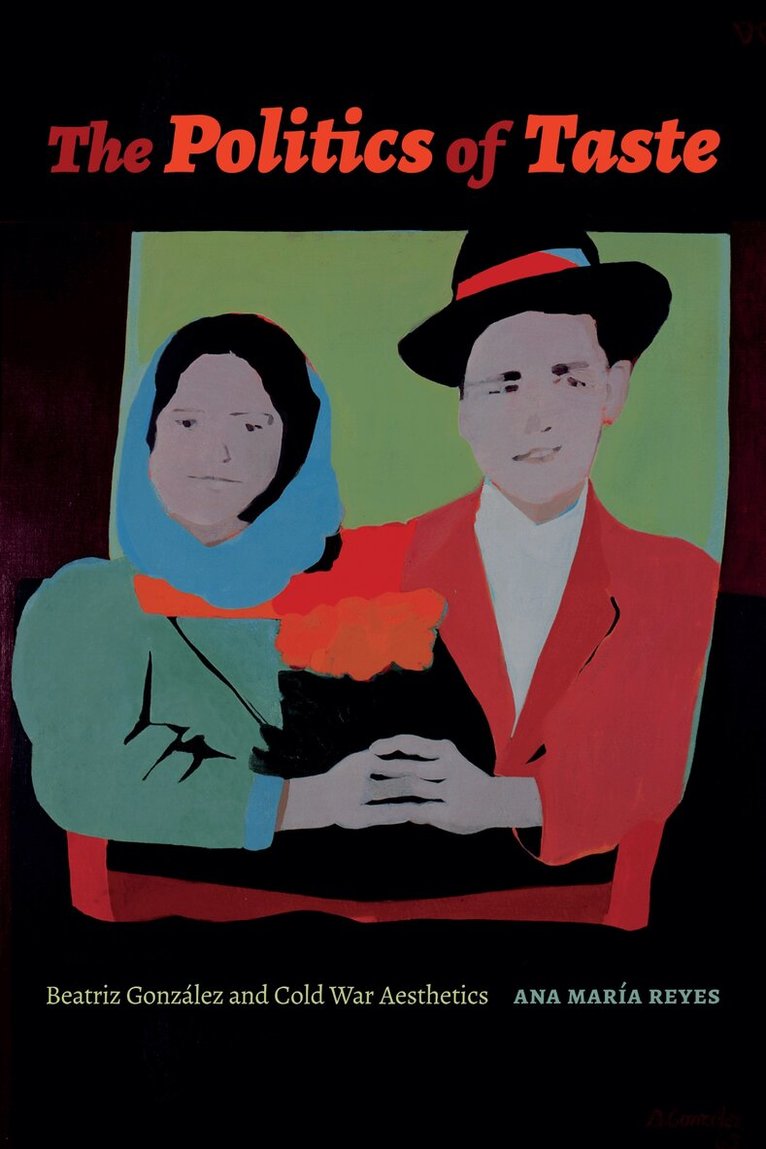
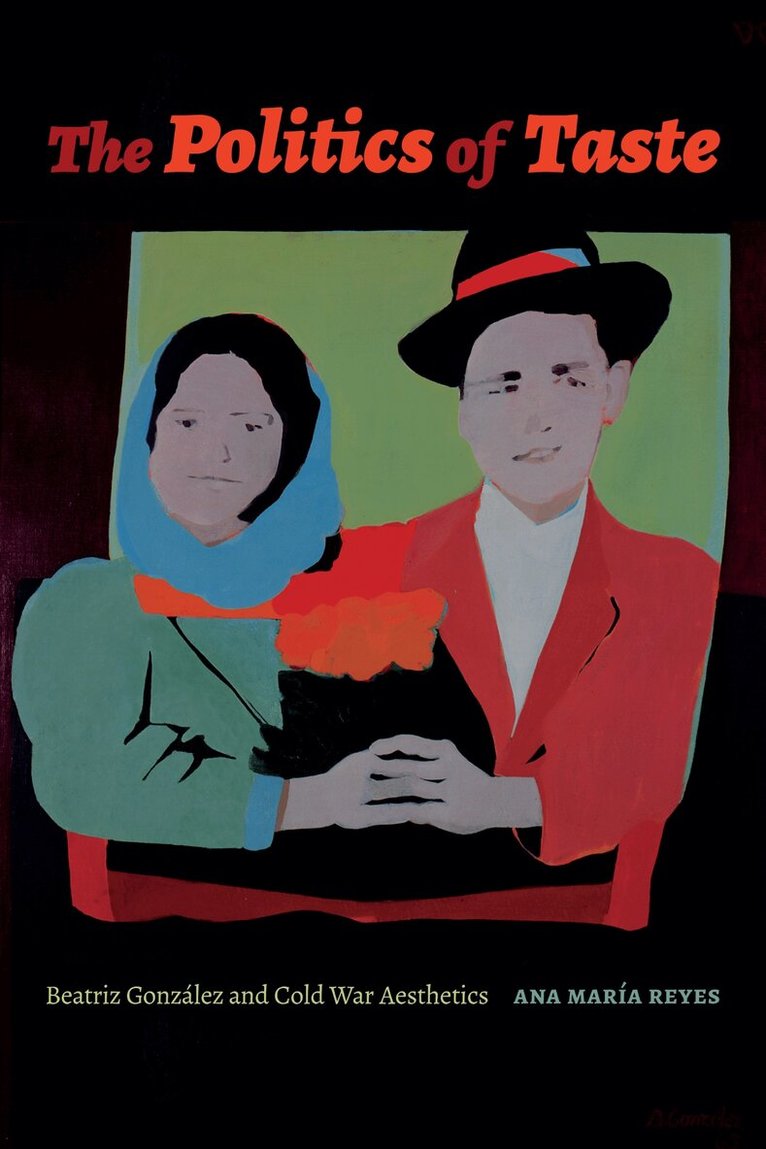
In The Politics of Taste Ana MarÍa Reyes examines the works of Colombian artist Beatriz GonzÁlez and Argentine-born art critic, Marta Traba, who championed GonzÁlez's art during Colombia's National Front coalition government (1958–74). During this critical period in Latin American art, artistic practice, art criticism, and institutional objectives came into strenuous yet productive tension. While GonzÁlez’s triumphant debut excited critics who wanted to cast Colombian art as modern, sophisticated, and universal, her turn to urban lowbrow culture proved deeply unsettling. Traba praised GonzÁlez's cursi (tacky) recycling aesthetic as daringly subversive and her strategic localism as resistant to U.S. cultural imperialism. Reyes reads GonzÁlez's and Traba's complex visual and textual production and their intertwined careers against Cold War modernization programs that were deeply embedded in the elite's fear of the masses and designed to avert Cuban-inspired revolution. In so doing, Reyes provides fresh insights into Colombia's social anxieties and frustrations while highlighting how interrogations of taste became vital expressions of the growing discontent with the Colombian state.
Inbunden, Engelska, 2019
1 196 kr
Skickas inom 5-8 vardagar
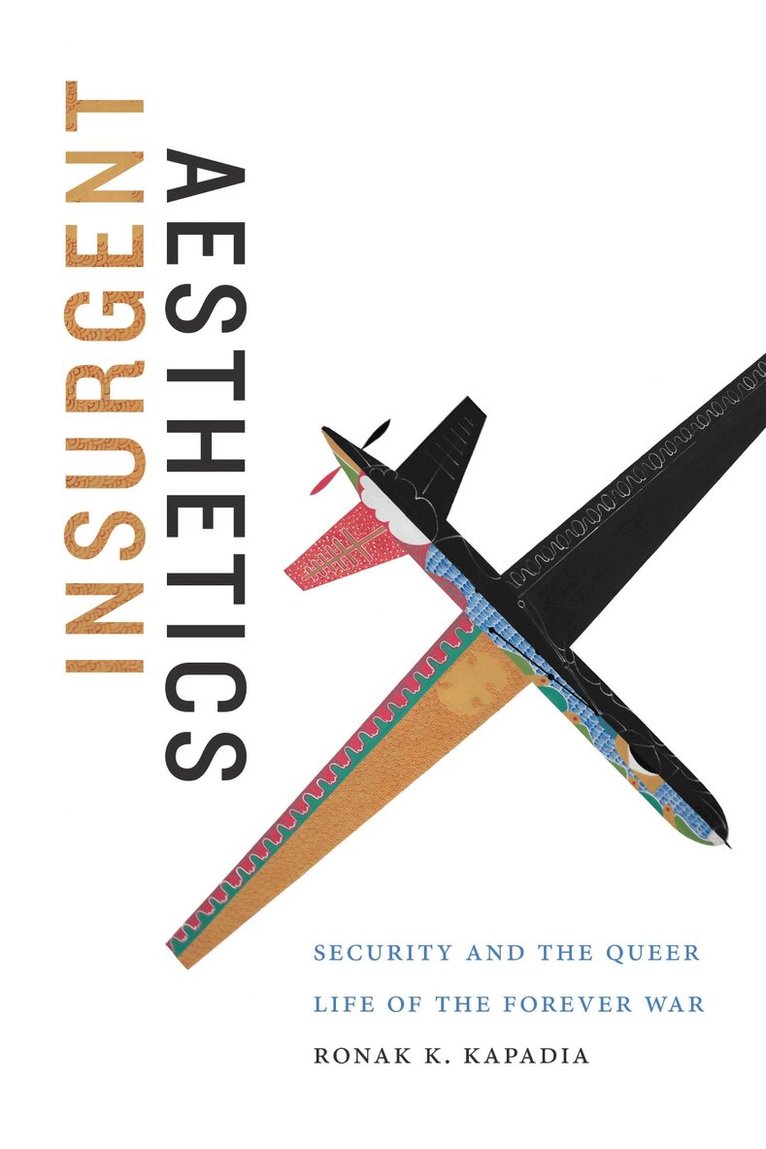
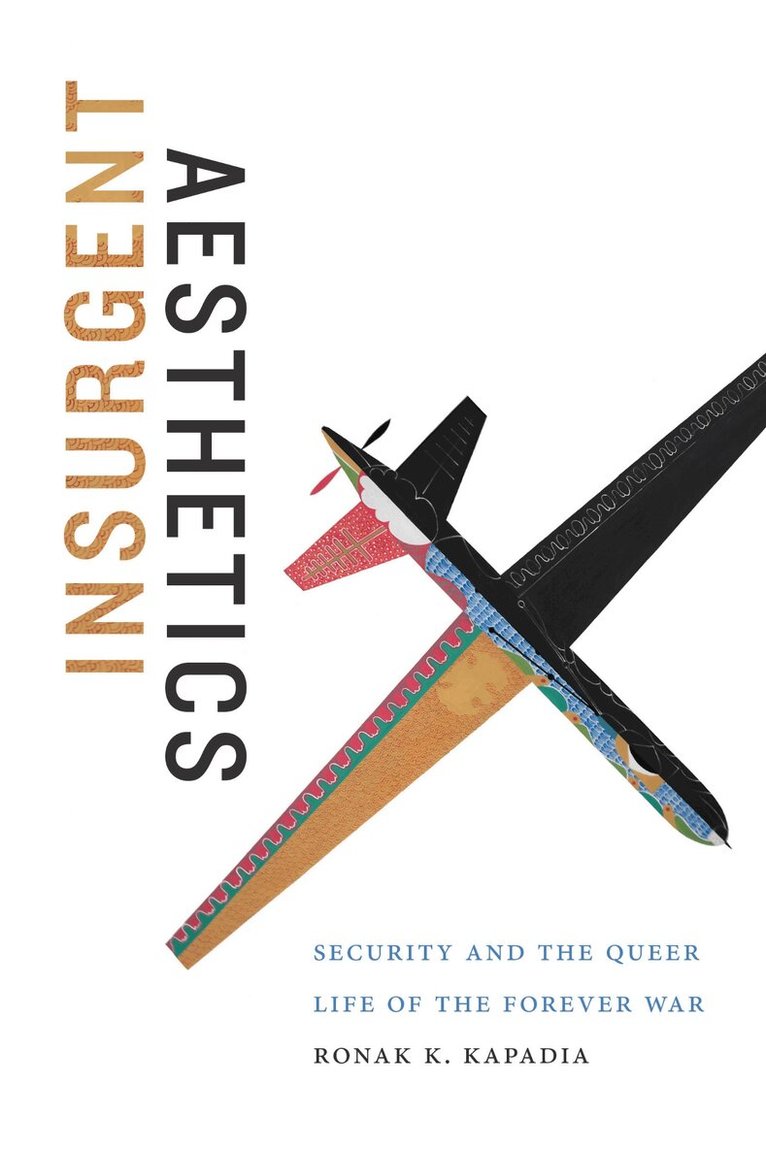
In Insurgent Aesthetics Ronak K. Kapadia theorizes the world-making power of contemporary art responses to US militarism in the Greater Middle East. He traces how new forms of remote killing, torture, confinement, and surveillance have created a distinctive post-9/11 infrastructure of racialized state violence. Linking these new forms of violence to the history of American imperialism and conquest, Kapadia shows how Arab, Muslim, and South Asian diasporic multimedia artists force a reckoning with the US war on terror's violent destruction and its impacts on immigrant and refugee communities. Drawing on an eclectic range of visual, installation, and performance works, Kapadia reveals queer feminist decolonial critiques of the US security state that visualize subjugated histories of US militarism and make palpable what he terms “the sensorial life of empire.” In this way, these artists forge new aesthetic and social alliances that sustain critical opposition to the global war machine and create alternative ways of knowing and feeling beyond the forever war.
Häftad, Engelska, 2019
301 kr
Skickas
In The Politics of Taste Ana MarÍa Reyes examines the works of Colombian artist Beatriz GonzÁlez and Argentine-born art critic, Marta Traba, who championed GonzÁlez's art during Colombia's National Front coalition government (1958–74). During this critical period in Latin American art, artistic practice, art criticism, and institutional objectives came into strenuous yet productive tension. While GonzÁlez’s triumphant debut excited critics who wanted to cast Colombian art as modern, sophisticated, and universal, her turn to urban lowbrow culture proved deeply unsettling. Traba praised GonzÁlez's cursi (tacky) recycling aesthetic as daringly subversive and her strategic localism as resistant to U.S. cultural imperialism. Reyes reads GonzÁlez's and Traba's complex visual and textual production and their intertwined careers against Cold War modernization programs that were deeply embedded in the elite's fear of the masses and designed to avert Cuban-inspired revolution. In so doing, Reyes provides fresh insights into Colombia's social anxieties and frustrations while highlighting how interrogations of taste became vital expressions of the growing discontent with the Colombian state.
Häftad, Engelska, 2019
325 kr
Skickas inom 5-8 vardagar
In Insurgent Aesthetics Ronak K. Kapadia theorizes the world-making power of contemporary art responses to US militarism in the Greater Middle East. He traces how new forms of remote killing, torture, confinement, and surveillance have created a distinctive post-9/11 infrastructure of racialized state violence. Linking these new forms of violence to the history of American imperialism and conquest, Kapadia shows how Arab, Muslim, and South Asian diasporic multimedia artists force a reckoning with the US war on terror's violent destruction and its impacts on immigrant and refugee communities. Drawing on an eclectic range of visual, installation, and performance works, Kapadia reveals queer feminist decolonial critiques of the US security state that visualize subjugated histories of US militarism and make palpable what he terms “the sensorial life of empire.” In this way, these artists forge new aesthetic and social alliances that sustain critical opposition to the global war machine and create alternative ways of knowing and feeling beyond the forever war.
Inbunden, Engelska, 2020
2 250 kr
Skickas inom 10-15 vardagar
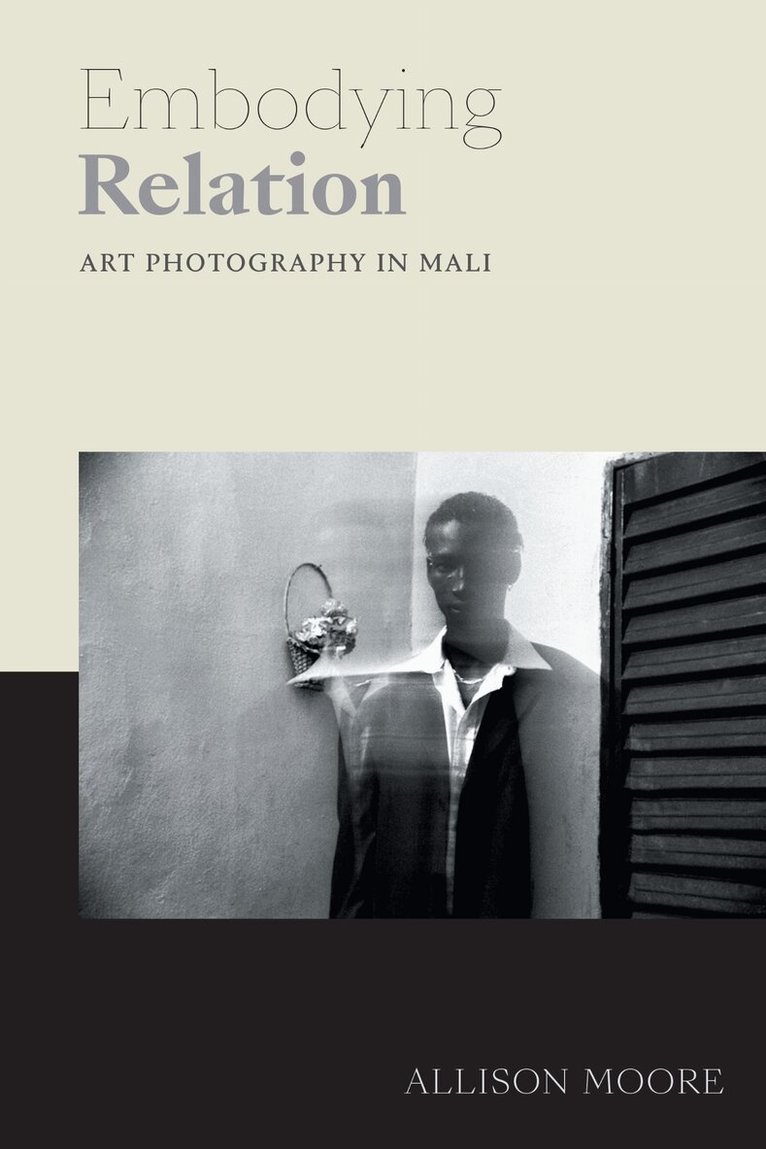
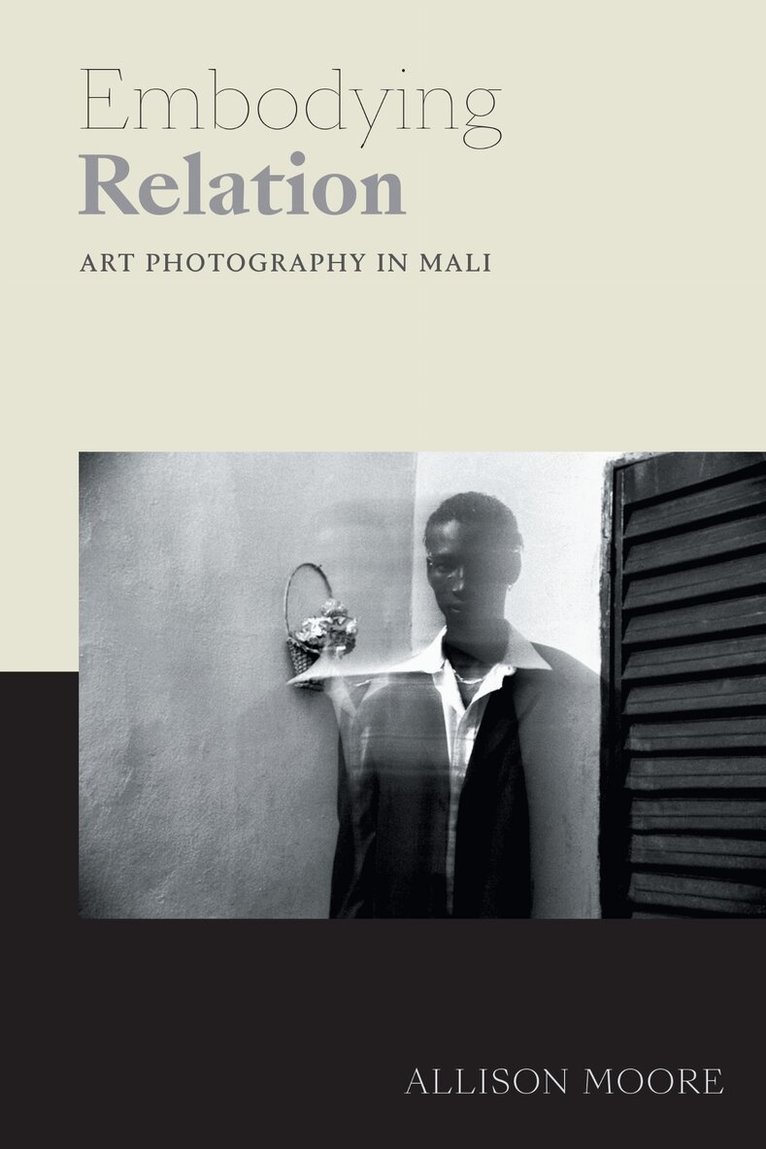
In Embodying Relation Allison Moore examines the tensions between the local and the global in the art photography movement in Bamako, Mali, which blossomed in the 1990s after Malian photographers Seydou KeÏta and Malick SidibÉ became internationally famous and the Bamako Photography Biennale was founded. Moore traces the trajectory of Malian photography from the 1880s-when photography first arrived as an apparatus of French colonialism-to the first African studio practitioners of the 1930s and the establishment in 1994 of the Bamako Biennale, Africa's most important continent-wide photographic exhibition. In her detailed discussion of Bamakois artistic aesthetics and institutions, Moore examines the post-fame careers of KeÏta and SidibÉ, the biennale's structure, the rise of women photographers, cultural preservation through photography, and how Mali's shift to democracy in the early 1990s enabled Bamako's art scene to flourish. Moore shows how Malian photographers' focus on cultural exchange, affective connections with different publics, and merging of traditional cultural precepts with modern notions of art embody Caribbean philosopher and poet Édouard Glissant's notion of “relation” in ways that spark new artistic forms, practices, and communities.
Häftad, Engelska, 2020
540 kr
Skickas inom 10-15 vardagar
In Embodying Relation Allison Moore examines the tensions between the local and the global in the art photography movement in Bamako, Mali, which blossomed in the 1990s after Malian photographers Seydou KeÏta and Malick SidibÉ became internationally famous and the Bamako Photography Biennale was founded. Moore traces the trajectory of Malian photography from the 1880s-when photography first arrived as an apparatus of French colonialism-to the first African studio practitioners of the 1930s and the establishment in 1994 of the Bamako Biennale, Africa's most important continent-wide photographic exhibition. In her detailed discussion of Bamakois artistic aesthetics and institutions, Moore examines the post-fame careers of KeÏta and SidibÉ, the biennale's structure, the rise of women photographers, cultural preservation through photography, and how Mali's shift to democracy in the early 1990s enabled Bamako's art scene to flourish. Moore shows how Malian photographers' focus on cultural exchange, affective connections with different publics, and merging of traditional cultural precepts with modern notions of art embody Caribbean philosopher and poet Édouard Glissant's notion of “relation” in ways that spark new artistic forms, practices, and communities.
Inbunden, Engelska, 2020
1 776 kr
Skickas inom 5-8 vardagar
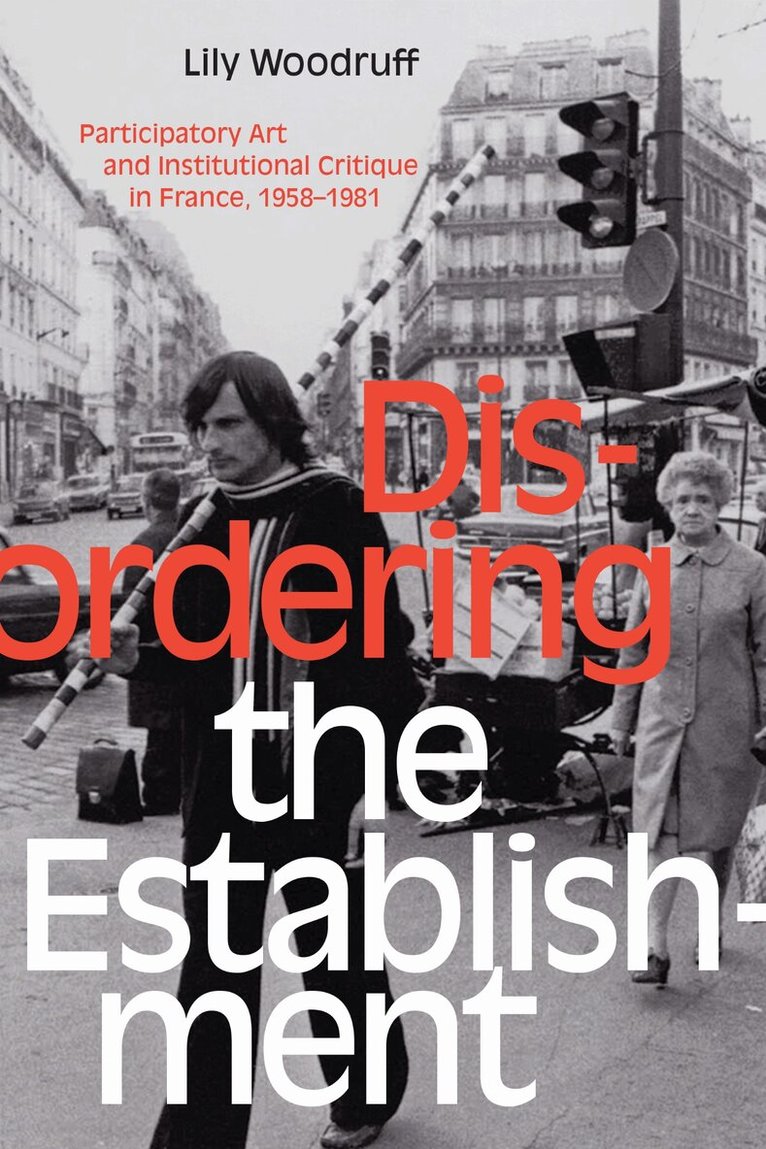
In the decades following World War II, France experienced both a period of affluence and a wave of political, artistic, and philosophical discontent that culminated in the countrywide protests of 1968. In Disordering the Establishment Lily Woodruff examines the development of artistic strategies of political resistance in France in this era. Drawing on interviews with artists, curators, and cultural figures of the time, Woodruff analyzes the formal and rhetorical methods that artists used to counter establishment ideology, appeal to direct political engagement, and grapple with French intellectuals' modeling of society. Artists and collectives such as Daniel Buren, AndrÉ Cadere, the Groupe de Recherche d’Art Visuel, and the Collectif d’Art Sociologique shared an opposition to institutional hegemony by adapting their works to unconventional spaces and audiences, asserting artistic autonomy from art institutions, and embracing interdisciplinarity. In showing how these artists used art to question what art should be and where it should be seen, Woodruff demonstrates how artists challenged and redefined the art establishment and their historical moment.
Häftad, Engelska, 2020
436 kr
Skickas inom 5-8 vardagar
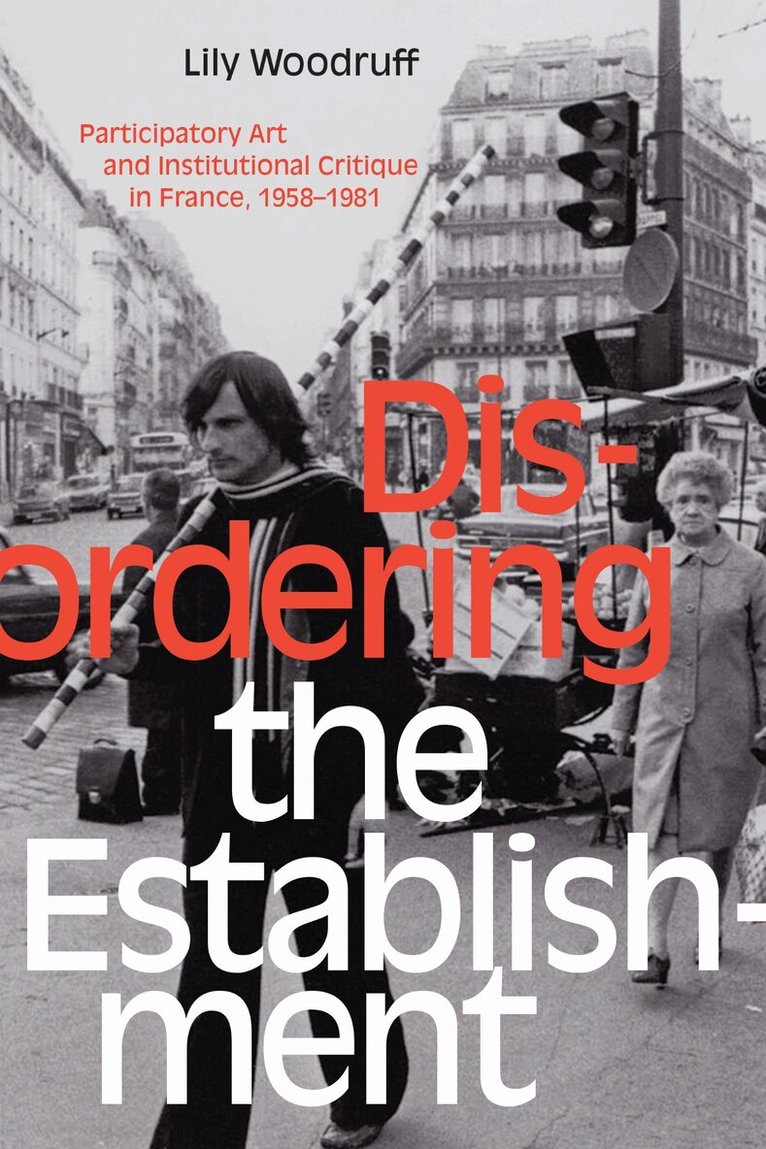
In the decades following World War II, France experienced both a period of affluence and a wave of political, artistic, and philosophical discontent that culminated in the countrywide protests of 1968. In Disordering the Establishment Lily Woodruff examines the development of artistic strategies of political resistance in France in this era. Drawing on interviews with artists, curators, and cultural figures of the time, Woodruff analyzes the formal and rhetorical methods that artists used to counter establishment ideology, appeal to direct political engagement, and grapple with French intellectuals' modeling of society. Artists and collectives such as Daniel Buren, AndrÉ Cadere, the Groupe de Recherche d’Art Visuel, and the Collectif d’Art Sociologique shared an opposition to institutional hegemony by adapting their works to unconventional spaces and audiences, asserting artistic autonomy from art institutions, and embracing interdisciplinarity. In showing how these artists used art to question what art should be and where it should be seen, Woodruff demonstrates how artists challenged and redefined the art establishment and their historical moment.