AWP Award for the Novel – serie
Visar alla böcker i serien AWP Award for the Novel. Handla med fri frakt och snabb leverans.
9 produkter
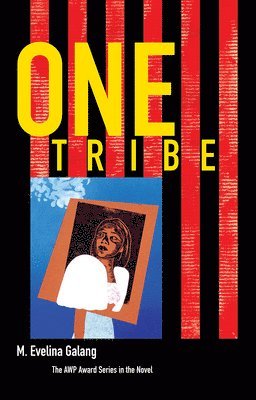
One Tribe
A Novel
Inbunden, 2006
265 kr
Lägg i varukorg
In One Tribe, the death of Isabel Manalo’s unborn child stirs wide spread speculation in her small Midwestern suburb. Fed up with the noise of local tsismosas (gossips), she moves to Virginia Beach to teach myth and history to Filipino American youth. Isa Manalo walks into the chaos of drive by …
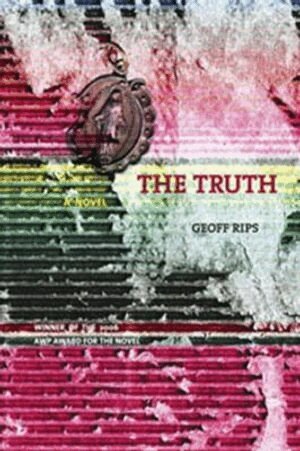
Truth
Av Geoff Rips
Inbunden, 2008
265 kr
Lägg i varukorg
In his debut novel, The Truth, Geoff Rips creates a moral universe in a series of tales narrated by the palsied hunchback Chuy Pingarrón who spends his days on the front porch of a San Antonio whorehouse and is proud to dubbed "the standard of perversion" by those whose stories he tells. Through …
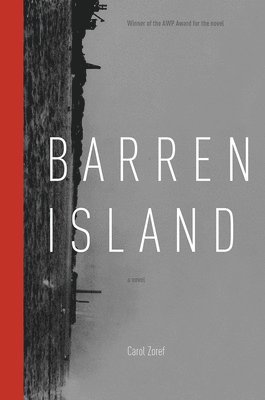
Barren Island
Av Carol Zoref
Häftad, 2017
186 kr
Lägg i varukorg
Winner of the AWP Award for the Novel How does one remember a world that literally no longer exists? How do the moral imperatives to do so correspond to the personal needs that make it possible? Told from the point-of-view of Marta Eisenstein Lane on the occasion of her 80th birthday, Barren Island …
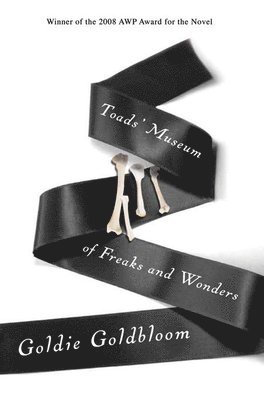
Toads' Museum of Freaks and Wonders
Inbunden, 2010
265 kr
Tillfälligt slut
In the wake of a thwarted career as a concert pianist and the accompanying emotional fallout, Gin accepts a marriage proposal from the peculiar Mr. Toad. But nothing from the albino Gin Toad's upbringing in the bourgeois drawing rooms of Perth has prepared her for a hardscrabble existence on a …
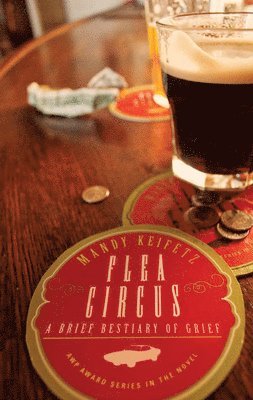
Flea Circus
A Brief Bestiary of Grief
Inbunden, 2012
265 kr
Tillfälligt slut
Pascal’s Wager and performing fleas. The Haunted Mansion of Long Branch and an old dockside bar. Raceway Park and a pristine 1971 Plymouth Road Runner. A cat named Altamont. These are all that stand between a young mathematician and madness as she attempts to make sense of her lover’s suicide. …
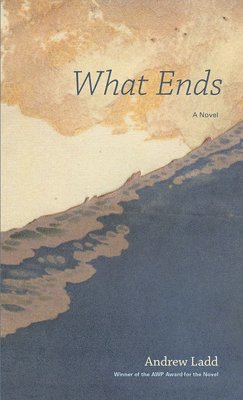
What Ends
Av Andrew Ladd
Inbunden, 2014
265 kr
Tillfälligt slut
In 1980 the McCloud family welcomes Trevor, their third child and the last to be born on Eilean Fior, a small island off the west coast of Scotland. Life there, on the eve of Trevor's birth, is grim: the population, once in the hundreds, now hovers around thirty; his parents stubbornly maintain the …
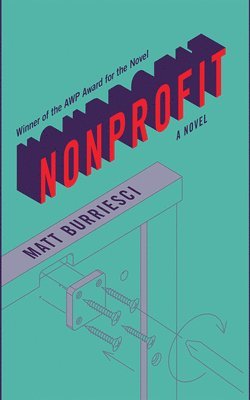
Nonprofit
Inbunden, 2015
265 kr
Tillfälligt slut
Thrust into the bizarre labyrinth of DC society, John MacManus struggles to rescue a bankrupt nonprofit while starting a family. Wackiness ensues.
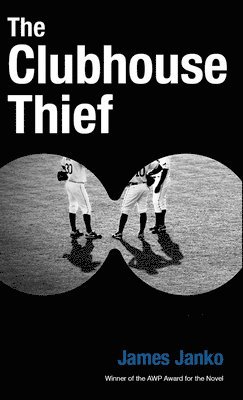
Clubhouse Thief
Av James Janko
Häftad, 2018
186 kr
Tillfälligt slut
Winner of the AWP Prize for the Novel “Part of me wanted to quit, let the Red Birds hammer us, and slink away to hibernate all winter. I had that old feeling of worthlessness running through me, and sadness, too. A coach, whatever his age, should be a reservoir of hope, but I, in my Cub heart, …