Best Practices in Child and Adolescent Behavioral Health Care – serie
Visar alla böcker i serien Best Practices in Child and Adolescent Behavioral Health Care. Handla med fri frakt och snabb leverans.
6 produkter
6 produkter
768 kr
Skickas inom 10-15 vardagar
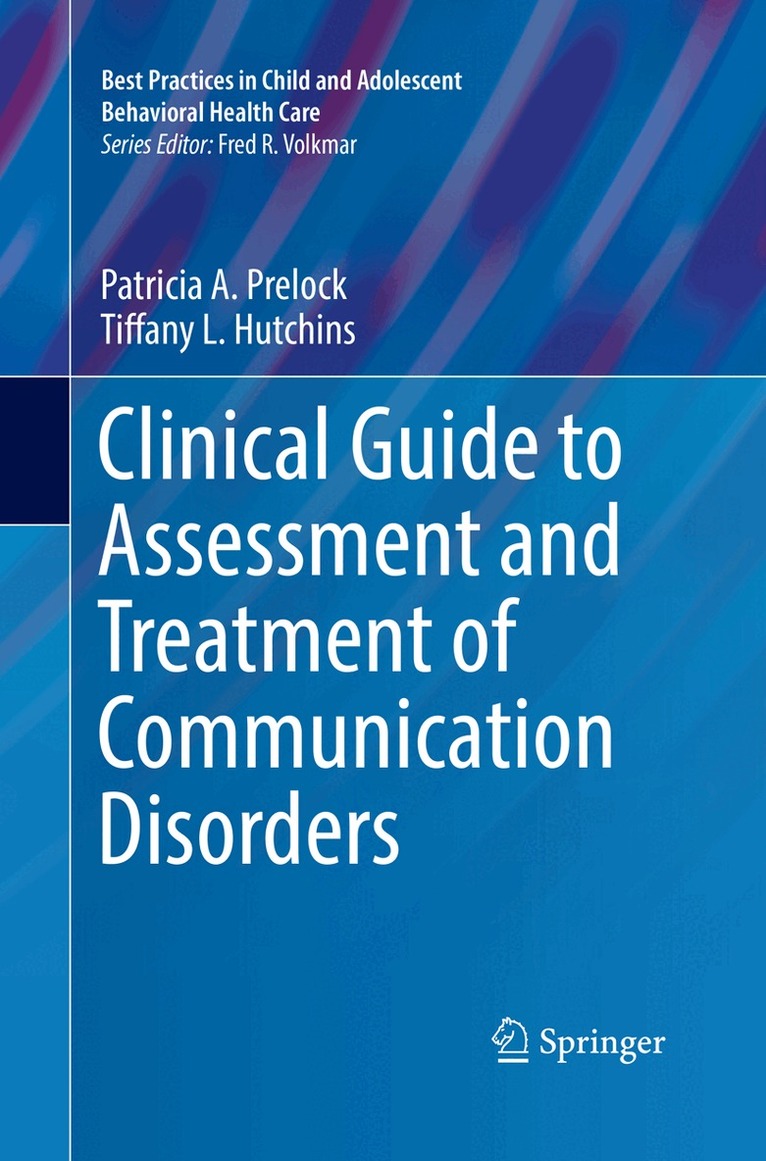
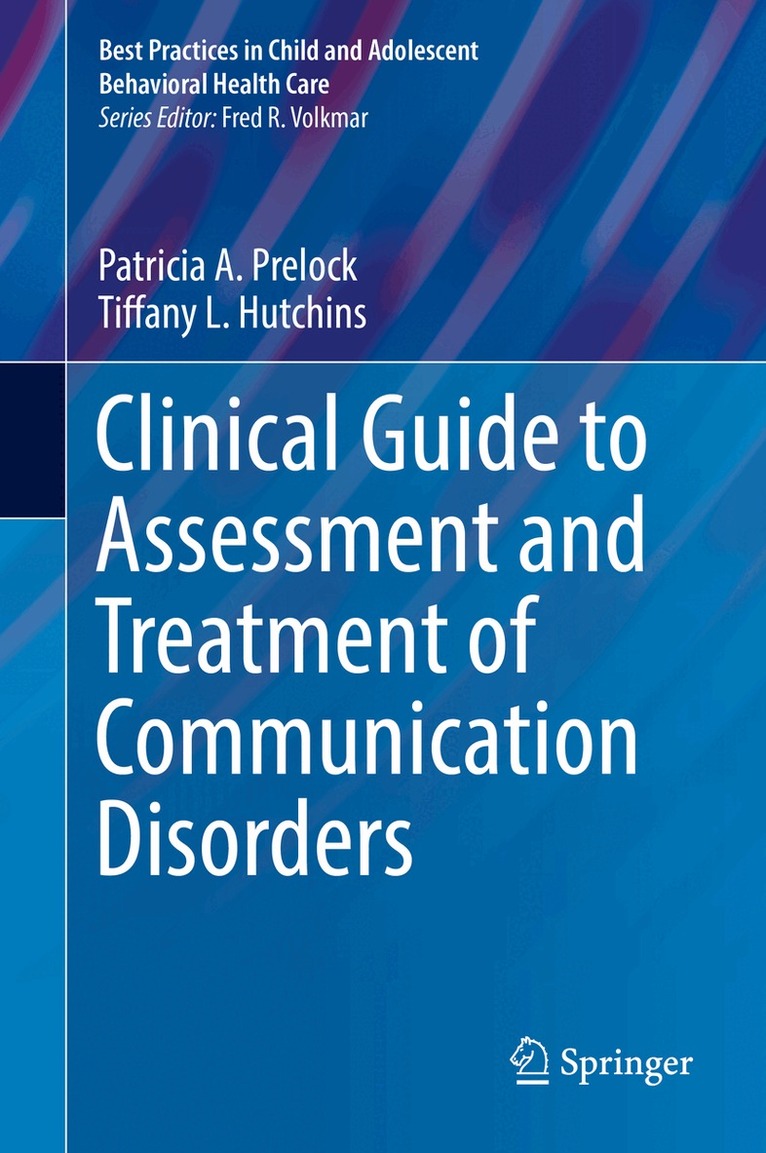
This book examines the typical pattern of communication development in children and adolescents to enable primary care physicians as well as other clinicians, therapists, and practitioners to assist parents in making informed decisions based on current research. It offers an overview of communication disorders in children and adolescents that typically present before adulthood. The book describes current assessment, diagnostic procedures, and evidence-based interventions. Chapters outline the standard course of speech milestones and ages to begin screening for deficits and their risk factors. Subsequent chapters review best practices for every aspect of treatment, including care planning, discussing disorders and interventions with parents, making referrals, and collaborating with other providers. The book also discusses evidence-based interventions for specific disorder types such as language impairment, stuttering, language disabilities, and hearing impairment. In addition, the book offers guidance on how to speak about care planning as well as quality of life issues related to communication disorders with other caregivers and parents.Featured topics include:Screening and identification procedures of communication disorders.Key elements to providing family-centered care.Common causes, assessment, and treatment of specific language impairment (SLI) in children.Hearing loss and its impact on the development of communication in children.Attention deficit/hyperactivity disorder (ADHD) and the role of attention in the development of language in children.Communication development in children with autism spectrum disorder (ASD). The Clinical Guide to Assessment and Treatment of Communication Disorders is a must-have resource for clinicians and related professionals, researchers and professors, andgraduate students in the fields of child, school, and developmental psychology, pediatrics and social work, child and adolescent psychiatry, primary care medicine, and related disciplines.
1 637 kr
Skickas inom 10-15 vardagar
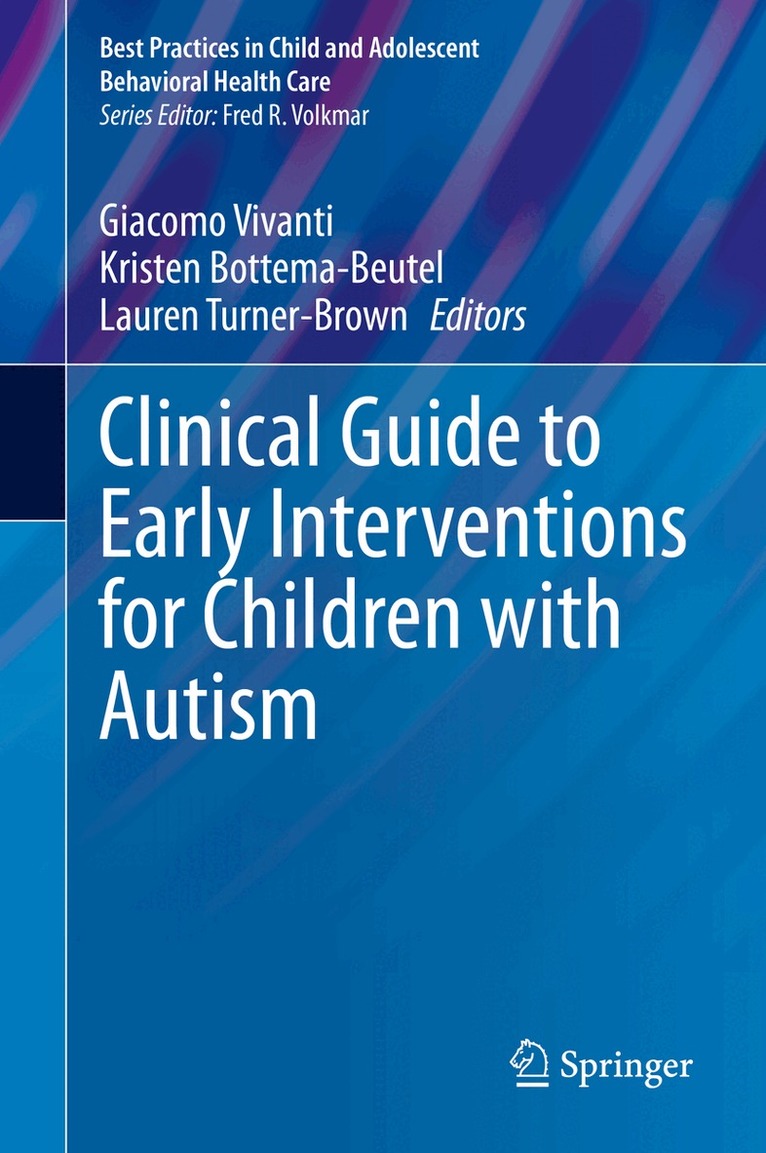
This book examines early interventions for children with autism spectrum disorder (ASD) with the goal to enable primary care physicians as well as other clinicians, therapists, and practitioners to assist parents in making informed decisions based on current research. It provides a map for successfully navigating the maze of early interventions for ASD, focusing on evidence. Chapters review the similarities and differences between current evidence-based treatments, how these treatments work, the factors that facilitate their effectiveness, and the pros and cons of their use for different children and different needs. In addition, chapters discuss the services, laws, policies, and societal issues related to early intervention in ASD.Featured topics include:Criteria to evaluate evidence in ASD interventions.Effective approaches for Social communication difficulties in ASD.Effective approaches for Restricted and repetitive behaviors (RRBs)in ASD.Naturalistic, developmental approaches to early intervention for children with ASDThe TEACCH approach and other visually based approaches for children with ASD.Applied Behavior Analysis (ABA) approaches to early intervention for children with ASD.What works for whom in ASD early interventionClinical Guide to Early Interventions for Children with Autism is an essential resource for clinicians, primary care providers, and other practitioners as well as researchers, professors, and graduate students in the fields of child, school, and developmental psychology, pediatrics, social work, child and adolescent psychiatry, primary care medicine, and related disciplines.
1 202 kr
Skickas inom 10-15 vardagar
This book examines early interventions for children with autism spectrum disorder (ASD) with the goal to enable primary care physicians as well as other clinicians, therapists, and practitioners to assist parents in making informed decisions based on current research. It provides a map for successfully navigating the maze of early interventions for ASD, focusing on evidence. Chapters review the similarities and differences between current evidence-based treatments, how these treatments work, the factors that facilitate their effectiveness, and the pros and cons of their use for different children and different needs. In addition, chapters discuss the services, laws, policies, and societal issues related to early intervention in ASD.Featured topics include:Criteria to evaluate evidence in ASD interventions.Effective approaches for Social communication difficulties in ASD.Effective approaches for Restricted and repetitive behaviors (RRBs)in ASD.Naturalistic, developmental approaches to early intervention for children with ASDThe TEACCH approach and other visually based approaches for children with ASD.Applied Behavior Analysis (ABA) approaches to early intervention for children with ASD.What works for whom in ASD early interventionClinical Guide to Early Interventions for Children with Autism is an essential resource for clinicians, primary care providers, and other practitioners as well as researchers, professors, and graduate students in the fields of child, school, and developmental psychology, pediatrics, social work, child and adolescent psychiatry, primary care medicine, and related disciplines.
1 311 kr
Skickas inom 10-15 vardagar
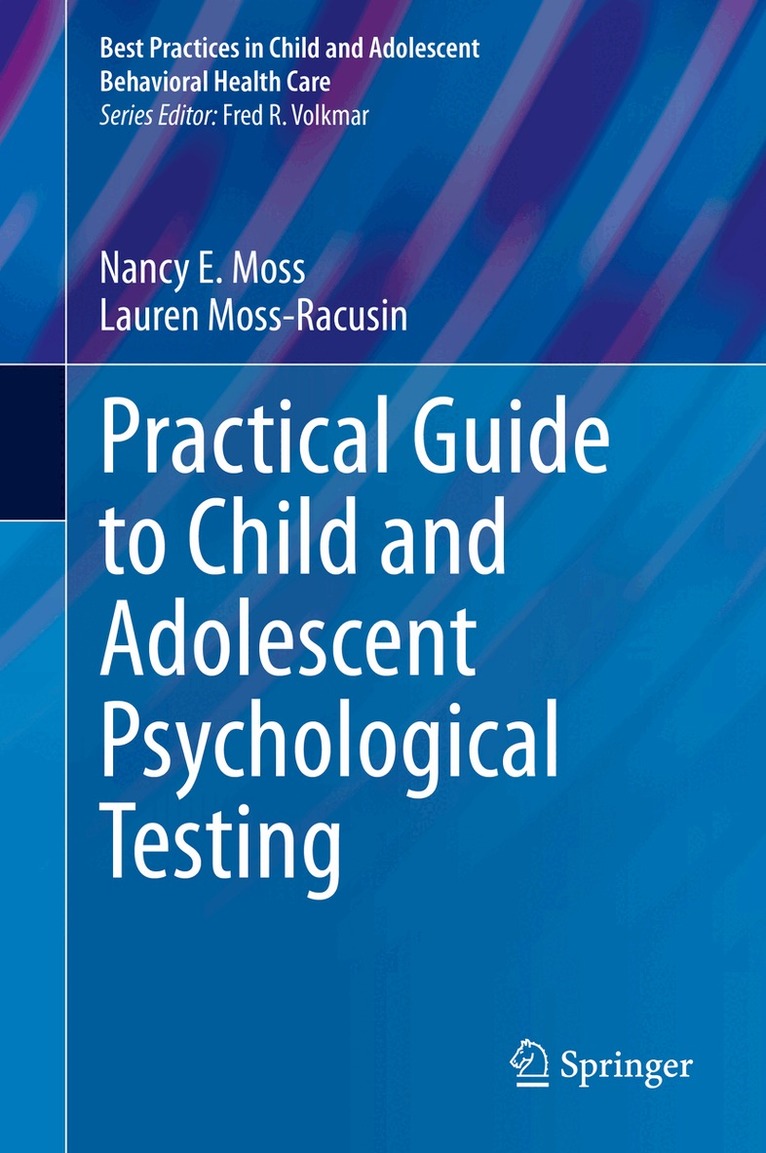
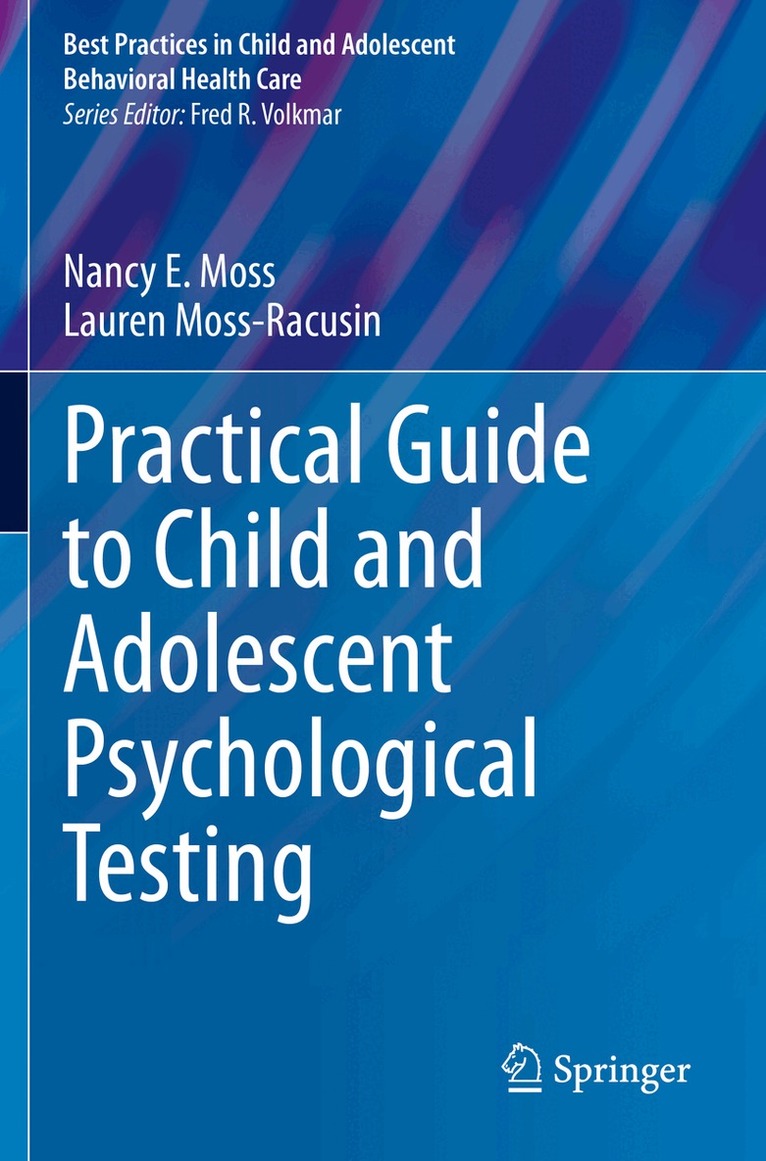
This book explains the psychological assessment process and reviews the origins of psychological testing, referral and testing processes, and prominent psychological assessment instruments.
892 kr
Skickas inom 5-8 vardagar
This book explains the psychological assessment process and reviews the origins of psychological testing, referral and testing processes, and prominent psychological assessment instruments.
1 094 kr
Skickas inom 10-15 vardagar
This book examines the typical pattern of communication development in children and adolescents to enable primary care physicians as well as other clinicians, therapists, and practitioners to assist parents in making informed decisions based on current research. It offers an overview of communication disorders in children and adolescents that typically present before adulthood. The book describes current assessment, diagnostic procedures, and evidence-based interventions. Chapters outline the standard course of speech milestones and ages to begin screening for deficits and their risk factors. Subsequent chapters review best practices for every aspect of treatment, including care planning, discussing disorders and interventions with parents, making referrals, and collaborating with other providers. The book also discusses evidence-based interventions for specific disorder types such as language impairment, stuttering, language disabilities, and hearing impairment. In addition, the book offers guidance on how to speak about care planning as well as quality of life issues related to communication disorders with other caregivers and parents.Featured topics include:Screening and identification procedures of communication disorders.Key elements to providing family-centered care.Common causes, assessment, and treatment of specific language impairment (SLI) in children.Hearing loss and its impact on the development of communication in children.Attention deficit/hyperactivity disorder (ADHD) and the role of attention in the development of language in children.Communication development in children with autism spectrum disorder (ASD). The Clinical Guide to Assessment and Treatment of Communication Disorders is a must-have resource for clinicians and related professionals, researchers and professors, andgraduate students in the fields of child, school, and developmental psychology, pediatrics and social work, child and adolescent psychiatry, primary care medicine, and related disciplines.