Patricia A. Prelock - Böcker
Visar alla böcker från författaren Patricia A. Prelock. Handla med fri frakt och snabb leverans.
7 produkter
7 produkter
1 683 kr
Skickas inom 5-8 vardagar
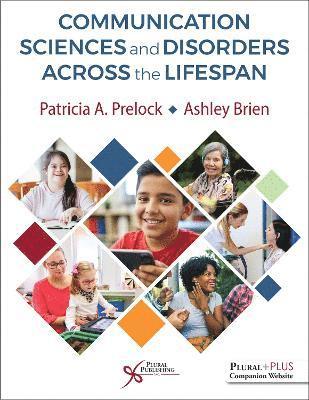
Designed for undergraduate students beginning their educational journey in communication sciences and disorders, this comprehensive new introductory textbook delves into the intricacies of human communication, providing a thorough understanding of the disorders that can impede this vital function. Written by authors with extensive experience in both academic and clinical settings, Communication Sciences and Disorders Across the Lifespan covers the professions of speech-language pathology and audiology, the concept of disability, anatomy and physiology of speech and hearing, speech and language development, overviews of the various communication disorders across the lifespan (speech sound disorders, motor speech disorders, pediatric language disorders, learning disorders, literacy impairments, adult language and communication disorders, stuttering, voice disorders, hearing disorders), AAC, evidence-based practice, and research. Case studies are integrated into the text to illustrate the application of theoretical concepts in clinical settings. The authors have created a comprehensive, current, and pedagogically rich resource that stands out for its innovative learning tools and unique chapters, ensuring a well-rounded and engaging experience for students with different learning styles. The text comes with ancillary resources for both instructors and students on a PluralPlus companion website. Unique ContentDisability Across the Lifespan: Comprehensive chapter on the broader context of disability, its history, models, and intersectionalities with race, gender, age, and socioeconomic status. It also discusses ableism, accessibility, and disability rights in the U.S.Understanding Research and Evidence-Based Practice: This chapter provides an in-depth look at research methods, types of research, and the importance of evidence-based practice within the field of communication sciences and disorders. Specific Learning Disorders: A dedicated chapter addressing learning disorders and literacy impairments, including reading, writing, and math disorders.Content related to Cultural and Linguistic Diversity is woven throughout the text instead of in a dedicated chapter.The authors compiled a multitude of additional readings, websites, and videos made easily accessible with QR Codes in the margins. Key FeaturesEngaging: Complex theories and concepts are presented in an accessible and engaging manner, and figures and illustrations are in full color. Current and Relevant: Integrates the latest research and clinical practices to ensure students are learning the most up-to-date information.Practical Application: Emphasizes real-world application of concepts through case studies, clinical examples, and learning activities.Interactive Learning: Features learning activities and links to multimedia resources to further enhance understanding and retention.Robust Pedagogical Features:Learning Objectives and Key Terms: Chapters begins with a concise list of learning objectives and key terms that outline the key information students should master.Figures, Tables, and Photographs: The full-color art program includes detailed anatomical images, photos, charts, and tables that aid in understanding complex concepts.QR Codes: Websites and videos are easily found by using QR Codes in the margins. Case Studies: Real-world case studies are integrated to illustrate the application of theoretical concepts in clinical settings. Clinical Examples: Examples from clinical practice are interwoven throughout the text, providing context and relevance to the material. These examples help students connect theory to practice and understand the real-world significance of their studies.Research Highlights: Sections within each chapter highlight current research and advancements in the field. These highlights emphasize the importance of evidence-based practice.Pause and Ponder Boxes and Discussion Topics: Thought-provoking discussion topics encourage critical thinking and class participation. These topics are designed to stimulate deeper understanding and engagement with the material.Summary Sections: Each chapter concludes with a summary that recaps the key points covered. This helps reinforce learning and provides a quick review for students.Review Questions: At the end of each chapter, review questions encourage students to reflect on and apply what they have learned. These questions reinforce key concepts and provide an opportunity for self-assessment.Annotated Bibliographies: Curated to provide the most relevant and up-to-date sources in the field.A comprehensive Glossary and Index at the end of the book offer quick reference and reinforcement of the key terminology.
332 kr
Skickas inom 7-10 vardagar
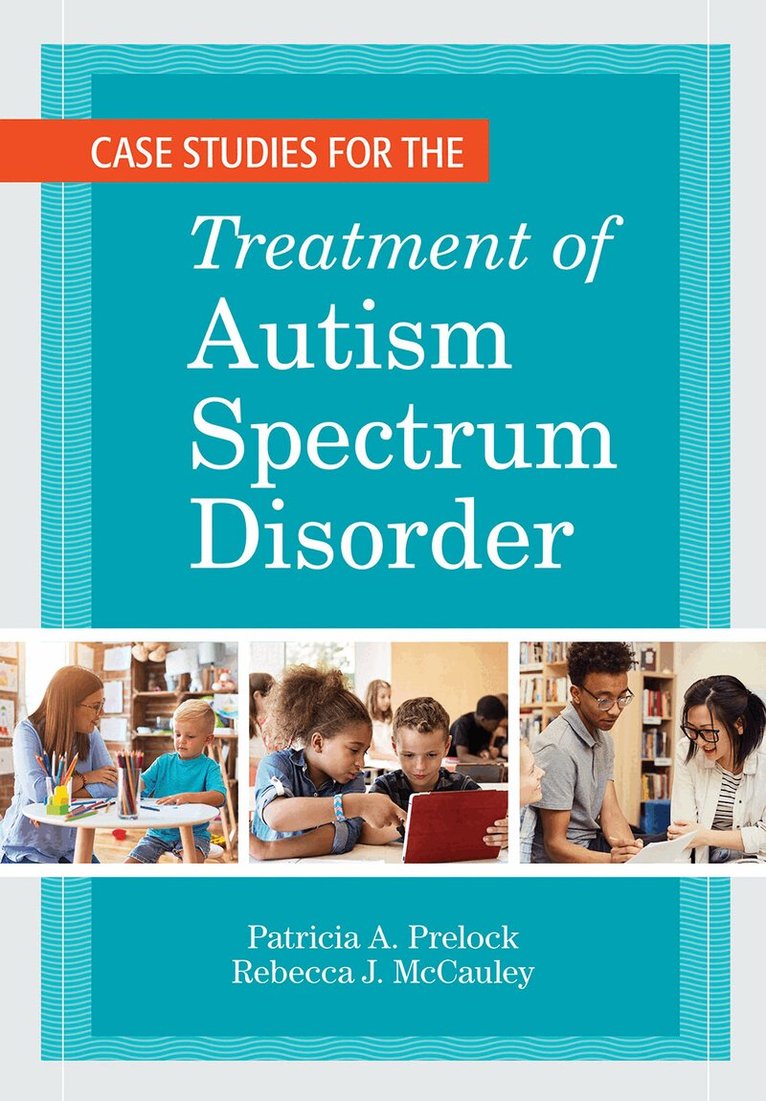
Ideal for preparing SLPs and other clinicians to make sound decisions, this casebook gives readers in-depth, real world demonstrations of today's evidence-based interventions for children with autism spectrum disorder (ASD). Developed as a companion to the Treatment of Autism Spectrum Disorder textbook—but equally useful as a standalone casebook—this resource offers 14 realistic case studies that walk readers through common clinical challenges and help them hone their planning and problem-solving skills.Aligned with the 14 intervention chapters in the companion text, the case studies each include:A complete profile of the child’s strengths and needs, with a special focus on communication and social skillsAn overview of assessment practices that inform communication treatment planning A discussion of the clinical problem-solving processes used to identify treatment goals and strategies An intervention plan used to achieve the child’s goals, with details on implementation and modifications A report on the child’s outcomesA set of learning activities to help readers apply their knowledgeA one-of-a-kind practical resource developed by clinical experts, this casebook will help both current and future professionals understand today’s widely used autism interventions—and prepare to implement them effectively in their own practice. GET THE BUNDLE: Buy this casebook as a bundle with its companion textbook, Treatment of Autism Spectrum Disorder, Second Edition. The new edition of this essential text gives SLPs the foundation they need to evaluate, select, and implement 14 of today’s widely used interventions.
1 090 kr
Skickas inom 7-10 vardagar
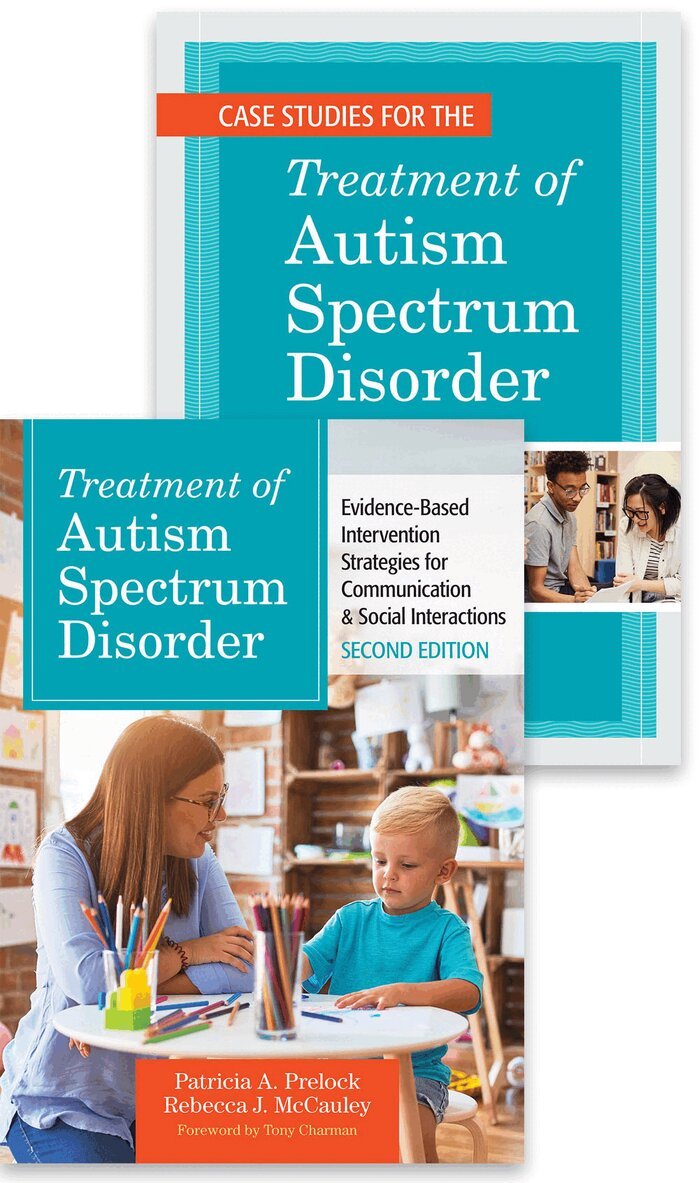
To work effectively with individuals who have autism spectrum disorder (ASD), SLPs and other practitioners need in-depth knowledge on choosing and implementing interventions for communication and social challenges. This textbook and casebook bundle gives professionals the foundation they need to evaluate and compare today’s widely used interventions—and determine which ones will promote the best outcomes for the people they serve.Treatment of Autism Spectrum Disorder: Evidence-Based Intervention Strategies for Communication & Social Interactions, Second Edition. Readers will get a thorough introduction to 14 evidence-based interventions, complete with key details on each intervention’s theoretical and empirical basis, components, practical requirements, applications for both children and adults, and considerations for children from diverse cultural and linguistic backgrounds. Twelve video clips (available for streaming) illustrate the interventions in action, and highly relevant learning activities prepare SLPs and other practitioners to make sound decisions in scenarios they’re likely to encounter in the field.Case Studies for the Treatment of Autism Spectrum Disorder. Through 14 realistic cases, readers will explore the types of clinical challenges they may face, see what the experts would recommend, and get exercises to help them practice their decision-making skills.COVERS 14 INTERVENTIONS: Augmentative and Alternative Communication Strategies • The Early Start Denver Model (ESDM) • Discrete Trial Instruction • The Developmental, Individual-Difference, Relationship-Based (DIR) Model • Functional Communication Training • The JASPER Model • Enhanced Milieu Teaching • Early Social Interaction • Peer-Mediated Support Interventions • Pivotal Response Treatment • The SCERTS® Model • Social Skills Interventions • Social Stories™ • Video Modeling
Treatment of Autism Spectrum Disorder
Evidence-Based Intervention Strategies for Communication & Social Interactions
Häftad, Engelska, 2021
874 kr
Skickas inom 7-10 vardagar
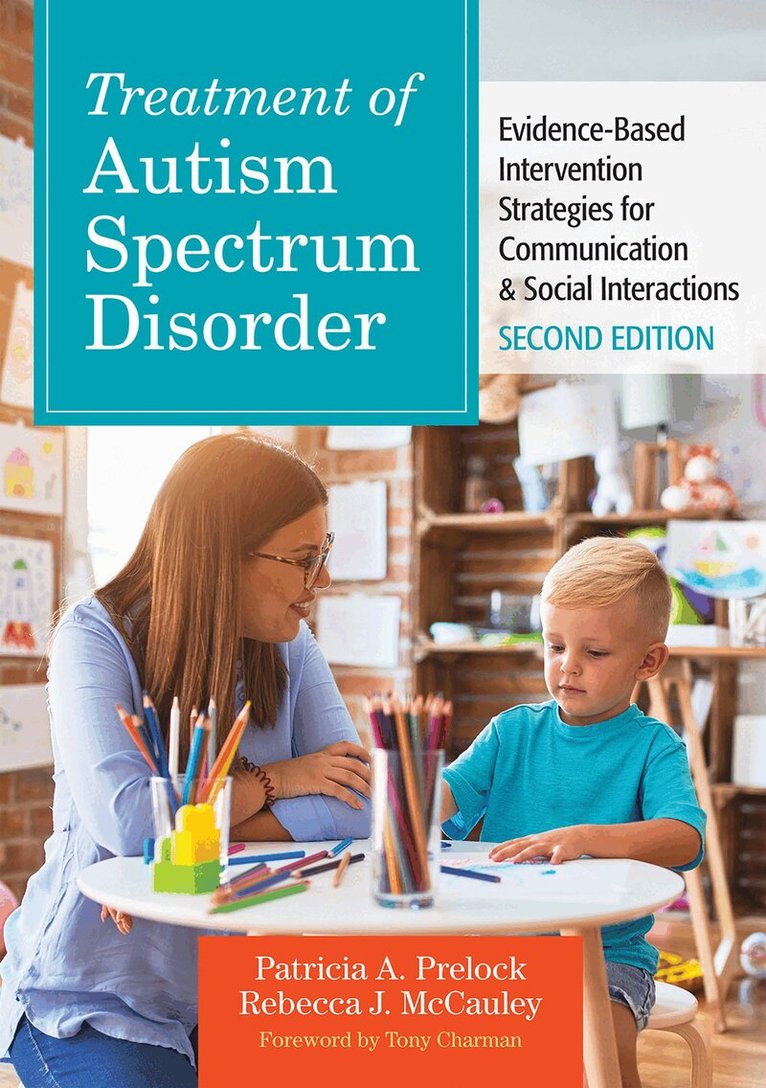
To work effectively with individuals who have autism spectrum disorder (ASD), SLPs and other practitioners need in-depth knowledge on choosing and implementing interventions for communication and social challenges. The second edition of this bestselling textbook gives professionals the foundation they need to evaluate and compare today’s widely used interventions—and determine which ones will promote the best outcomes for the people they serve.The newest volume in the respected Communication and Language Intervention Series, this accessible text combines the expertise of more than 30 top autism authorities across multiple disciplines and specialties, including psychology, speech-language pathology, early intervention, special education, and AAC. Readers will get a thorough introduction to 14 evidence-based interventions, complete with key details on each intervention’s theoretical and empirical basis, components, practical requirements, applications for both children and adults, and considerations for children from diverse cultural and linguistic backgrounds. Twelve video clips (available for streaming) illustrate the interventions in action, and highly relevant learning activities prepare SLPs and other practitioners to make sound decisions in scenarios they’re likely to encounter in the field. WHAT’S NEW:New chapter on assessment for treatment planning and progress monitoringNew chapter on language and communication strengths and challenges often seen in children with ASDNew in-depth profiles of three interventions not covered in the last edition: the Early Start Denver Model, The SCERTS® Model, and Social Skills InterventionsVideos to demonstrate the newly added interventionsUpdates to reflect the DSM-5, which includes significant changes to the definition of ASD and new diagnostic criteriaMore information on inclusive practicesExpanded discussion on working with children from culturally and linguistically diverse backgroundsA sample syllabus that demonstrates how faculty can integrate this book into a courseHelpful new supplementary resource, Case Studies of Autism Spectrum Disorder, available for purchase as a bundle with the textbookCOVERS 14 INTERVENTIONS: Augmentative and Alternative Communication Strategies • The Early Start Denver Model (ESDM) • Discrete Trial Instruction • The Developmental, Individual-Difference, Relationship-Based (DIR) Model • Functional Communication Training • The JASPER Model • Enhanced Milieu Teaching • Early Social Interaction • Peer-Mediated Support Interventions • Pivotal Response Treatment • The SCERTS® Model • Social Skills Interventions • Social Stories™ • Video ModelingGET THE BUNDLE: Buy this textbook as a bundle with its new companion casebook, Case Studies for the Treatment of Autism Spectrum Disorder. Through 14 realistic cases, readers will explore the types of clinical challenges they may face, see what the experts would recommend, and get exercises to help them practice their decision-making skills.
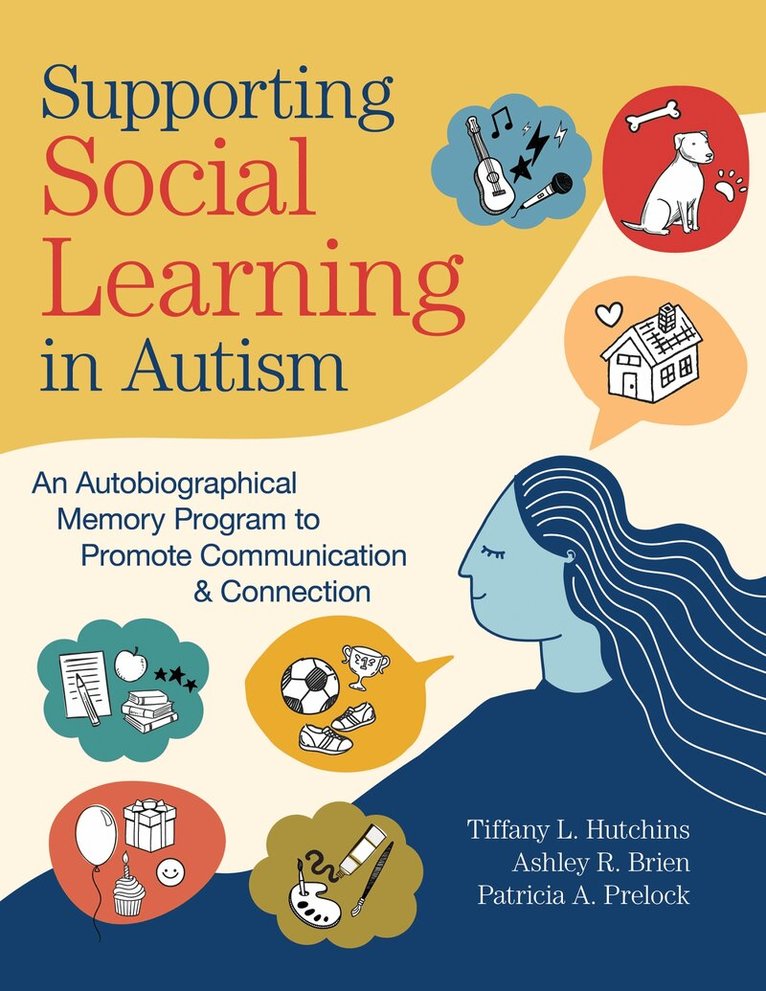
Supporting Social Learning in Autism
An Autobiographical Memory Program to Promote Communication & Connection
Häftad, Engelska, 2022
518 kr
Skickas inom 7-10 vardagar
Autobiographical memory (ABM)—the type of long-term memory that holds information about ourselves and our past experiences—is key to social learning and social communication. This groundbreaking guide shows professionals how to support ABM in children and adolescents on the autism spectrum, leading to lasting enhancements to critical social skills.A natural, strengths-based approach to autism intervention, this unique program is about promoting authentic connections by facilitating memory—not encouraging a specific set of behaviors or changing autistic habits of cognition. Ideal for speech-language pathologists and other practitioners, this book offers detailed guidance on how to assess ABM needs and implement activities that help autistic individuals encode and retrieve memories that aid in social learning. Professionals will get step-by-step instructions on using adaptable, person-centered techniques such as elaborative reminiscing, memory making activities, episodic memory draw-talks, and life stories.An innovative and practical guide that honors neurodiversity, this program empowers children to tap into and create meaning from their past experiences—and use those memories to plan, problem-solve, and form positive connections with others.Why This Program?Helps neurotypical and autistic children and adolescents develop memory retrieval and discourse strategies critical for academic and social successEvidence aligned—translates pioneering research into ready-to-use intervention strategies and activitiesClient centered—honors the child’s interests and follows their lead without prescribing scripts or rulesAdaptable for a wide range of intervention settings—home, school, and communityDeveloped by highly respected experts on autism and communicationCustomizable to meet the needs of the individualPRACTICAL MATERIALS: Professionals will get downloadable assessment and intervention forms, clear scope and sequences they can easily replicate, and handouts and worksheets to share with families so they can use the techniques at home.
769 kr
Skickas inom 10-15 vardagar
This book examines the typical pattern of communication development in children and adolescents to enable primary care physicians as well as other clinicians, therapists, and practitioners to assist parents in making informed decisions based on current research. It offers an overview of communication disorders in children and adolescents that typically present before adulthood. The book describes current assessment, diagnostic procedures, and evidence-based interventions. Chapters outline the standard course of speech milestones and ages to begin screening for deficits and their risk factors. Subsequent chapters review best practices for every aspect of treatment, including care planning, discussing disorders and interventions with parents, making referrals, and collaborating with other providers. The book also discusses evidence-based interventions for specific disorder types such as language impairment, stuttering, language disabilities, and hearing impairment. In addition, the book offers guidance on how to speak about care planning as well as quality of life issues related to communication disorders with other caregivers and parents.Featured topics include:Screening and identification procedures of communication disorders.Key elements to providing family-centered care.Common causes, assessment, and treatment of specific language impairment (SLI) in children.Hearing loss and its impact on the development of communication in children.Attention deficit/hyperactivity disorder (ADHD) and the role of attention in the development of language in children.Communication development in children with autism spectrum disorder (ASD). The Clinical Guide to Assessment and Treatment of Communication Disorders is a must-have resource for clinicians and related professionals, researchers and professors, andgraduate students in the fields of child, school, and developmental psychology, pediatrics and social work, child and adolescent psychiatry, primary care medicine, and related disciplines.
1 096 kr
Skickas inom 10-15 vardagar
This book examines the typical pattern of communication development in children and adolescents to enable primary care physicians as well as other clinicians, therapists, and practitioners to assist parents in making informed decisions based on current research. It offers an overview of communication disorders in children and adolescents that typically present before adulthood. The book describes current assessment, diagnostic procedures, and evidence-based interventions. Chapters outline the standard course of speech milestones and ages to begin screening for deficits and their risk factors. Subsequent chapters review best practices for every aspect of treatment, including care planning, discussing disorders and interventions with parents, making referrals, and collaborating with other providers. The book also discusses evidence-based interventions for specific disorder types such as language impairment, stuttering, language disabilities, and hearing impairment. In addition, the book offers guidance on how to speak about care planning as well as quality of life issues related to communication disorders with other caregivers and parents.Featured topics include:Screening and identification procedures of communication disorders.Key elements to providing family-centered care.Common causes, assessment, and treatment of specific language impairment (SLI) in children.Hearing loss and its impact on the development of communication in children.Attention deficit/hyperactivity disorder (ADHD) and the role of attention in the development of language in children.Communication development in children with autism spectrum disorder (ASD). The Clinical Guide to Assessment and Treatment of Communication Disorders is a must-have resource for clinicians and related professionals, researchers and professors, andgraduate students in the fields of child, school, and developmental psychology, pediatrics and social work, child and adolescent psychiatry, primary care medicine, and related disciplines.