• Fri frakt över 249 kr
  • •
  • Snabba leveranser
  • •
  • Billiga böcker
Kundservice

Du är på sajten för privatpersoner.

Företag, bibliotek eller offentlig verksamhet?

Du handlar på classic.bokus.com, där alla dina funktioner finns intakta.
Till classic.bokus.com
Bokus logotyp. Gå till startsidan.
  • Erbjudanden
  • Nyheter
  • Student
  • Topplistor
  • Barn & ungdom
  • Bokus Play
  • E-böcker
  • Pocketböcker
  • Spel & pussel

10% rabatt på allt med kod: NYSTART10 →

Sidfot

Mina sidor

    Hjälp

    • Kundservice
    • Vanliga frågor och svar
    • Frakt och leverans
    • Retur vid ångerrätt
    • Reklamera vara
    • Betalning
    • Köpvillkor
    • Allmänna villkor
    • Information om webbplatsens tillgänglighet

    Om Bokus

    • Om oss
    • Pressrum
    • För studenter
    • För företag
    • För bibliotek och offentlig verksamhet
    • För leverantörer
    • Hållbarhet

    Populärt

    • Aktuella erbjudanden
    • Presentkort
    • Studentlitteratur
    • Nya böcker
    • Topplistor
    • Signerade böcker
    • Engelska böcker

    Inspiration

    • Boktips
    • BookTok
    • Populära bokserier
    • Barnbokskaraktärer
    • Populära författare
    Logotyp för Bokus
    Följ oss på Facebook (extern länk)Följ oss på Instagram (extern länk)Följ oss på YouTube (extern länk)Följ oss på TikTok (extern länk)
    bokus @ CookiesAnpassa cookiesIntegritetspolicyKöpvillkor
    Till Citymail hemsida (extern länk)Till Budbee hemsida (extern länk)Till Postnord hemsida (extern länk)Till Schenker hemsida (extern länk)Till Early Bird hemsida (extern länk)Till Walleys hemsida (extern länk)
    1. Medicin
    2. Andra medicinska specialiteter
    3. Behandling och behandlingsmetoder
    4. Tal- och språkstörningar

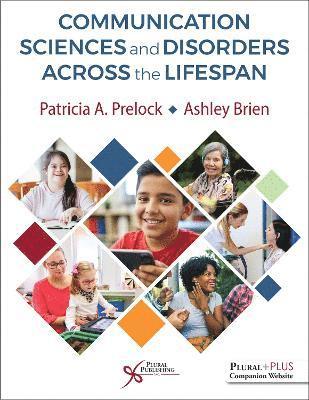
    Communication Sciences and Disorders Across the Lifespan

    AvPatricia A. Prelock,Ashley Brien

    Häftad, Engelska, 2024

    1 714 kr

    Beställningsvara. Skickas inom 5-8 vardagar. Fri frakt över 249 kr.

    Beskrivning

    Designed for undergraduate students beginning their educational journey in communication sciences and disorders, this comprehensive new introductory textbook delves into the intricacies of human communication, providing a thorough understanding of the disorders that can impede this vital function. Written by authors with extensive experience in both academic and clinical settings, Communication Sciences and Disorders Across the Lifespan covers the professions of speech-language pathology and audiology, the concept of disability, anatomy and physiology of speech and hearing, speech and language development, overviews of the various communication disorders across the lifespan (speech sound disorders, motor speech disorders, pediatric language disorders, learning disorders, literacy impairments, adult language and communication disorders, stuttering, voice disorders, hearing disorders), AAC, evidence-based practice, and research. Case studies are integrated into the text to illustrate the application of theoretical concepts in clinical settings. The authors have created a comprehensive, current, and pedagogically rich resource that stands out for its innovative learning tools and unique chapters, ensuring a well-rounded and engaging experience for students with different learning styles. The text comes with ancillary resources for both instructors and students on a PluralPlus companion website. Unique ContentDisability Across the Lifespan: Comprehensive chapter on the broader context of disability, its history, models, and intersectionalities with race, gender, age, and socioeconomic status. It also discusses ableism, accessibility, and disability rights in the U.S.Understanding Research and Evidence-Based Practice: This chapter provides an in-depth look at research methods, types of research, and the importance of evidence-based practice within the field of communication sciences and disorders. Specific Learning Disorders: A dedicated chapter addressing learning disorders and literacy impairments, including reading, writing, and math disorders.Content related to Cultural and Linguistic Diversity is woven throughout the text instead of in a dedicated chapter.The authors compiled a multitude of additional readings, websites, and videos made easily accessible with QR Codes in the margins. Key FeaturesEngaging: Complex theories and concepts are presented in an accessible and engaging manner, and figures and illustrations are in full color. Current and Relevant: Integrates the latest research and clinical practices to ensure students are learning the most up-to-date information.Practical Application: Emphasizes real-world application of concepts through case studies, clinical examples, and learning activities.Interactive Learning: Features learning activities and links to multimedia resources to further enhance understanding and retention.Robust Pedagogical Features:Learning Objectives and Key Terms: Chapters begins with a concise list of learning objectives and key terms that outline the key information students should master.Figures, Tables, and Photographs: The full-color art program includes detailed anatomical images, photos, charts, and tables that aid in understanding complex concepts.QR Codes: Websites and videos are easily found by using QR Codes in the margins. Case Studies: Real-world case studies are integrated to illustrate the application of theoretical concepts in clinical settings. Clinical Examples: Examples from clinical practice are interwoven throughout the text, providing context and relevance to the material. These examples help students connect theory to practice and understand the real-world significance of their studies.Research Highlights: Sections within each chapter highlight current research and advancements in the field. These highlights emphasize the importance of evidence-based practice.Pause and Ponder Boxes and Discussion Topics: Thought-provoking discussion topics encourage critical thinking and class participation. These topics are designed to stimulate deeper understanding and engagement with the material.Summary Sections: Each chapter concludes with a summary that recaps the key points covered. This helps reinforce learning and provides a quick review for students.Review Questions: At the end of each chapter, review questions encourage students to reflect on and apply what they have learned. These questions reinforce key concepts and provide an opportunity for self-assessment.Annotated Bibliographies: Curated to provide the most relevant and up-to-date sources in the field.A comprehensive Glossary and Index at the end of the book offer quick reference and reinforcement of the key terminology.

    Produktinformation

    • Utgivningsdatum:2024-11-01
    • Mått:216 x 279 x 22 mm
    • Vikt:1 406 g
    • Format:Häftad
    • Språk:Engelska
    • Antal sidor:487
    • Förlag:Plural Publishing Inc
    • ISBN:9781635504538

    Utforska kategorier

    • Tal- och språkstörningar inom Medicin

    Mer om författaren

    Patricia A. Prelock, PhD, CCC-SLP, BCS-CL, F-ASHA,FNAP-SLP, is the Interim President, University of Vermont. Formerly, shewas Provost and Senior Vice President for 5 years, and the Dean of the Collegeof Nursing and Health Sciences at the University of Vermont for 10 years. Sheis also a Professor of Communication Sciences and Disorders, and Professor ofPediatrics in the College of Medicine at the University of Vermont. Dr. Prelockreceived her PhD in speech-language pathology from the University of Pittsburgh.She is a recognized expert in the nature and treatment of autism spectrumdisorders (ASD) and has been awarded nearly $25 million dollars in university,state, and federal funding as a PI or Co-PI to develop innovations ininterdisciplinary training supporting children and youth withneurodevelopmental disabilities and their families, to facilitate training inspeech-language pathology, and to support her intervention work in ASD. She hasover 220 publications including 20 books and 598 peer-reviewed and invitedpresentations/keynotes in the areas of autism and other neurodevelopmentaldisabilities, collaboration, IPE, leadership, and language learningdisabilities. In 2019, she was named Associate Editor for the Journal ofAutism and Developmental Disorders. Dr. Prelock received the University ofVermont’s Kroepsch-Maurice Excellence in Teaching Award in 2000, was named anASHA Fellow in 2000, and a University of Vermont Scholar in 2003. Dr. Prelockwas named a Distinguished Alumna of the University of Pittsburgh. In 2016, shereceived the ASHA Honors of the Association and in 2017 she was named aDistinguished Alumna of Cardinal Mooney High School. Dr. Prelock also receivedthe 2018 Jackie M. Gribbons Leadership Award from Vermont Women in Higher Education.Dr. Prelock is a Board-Certified Specialist in Child Language and was named aFellow in the National Academies of Practice (NAP) in speech-language pathologyin 2018. She was the 2013 President for the American Speech-Language-HearingAssociation and was President of the ASHFoundation in 2020 and 2021. Ashley Brien, PhD, CCC-SLP, is an ASHA certifiedspeech-language pathologist. She received her MS in Communication Sciences andDisorders and her PhD in Interprofessional Health Sciences from the Universityof Vermont. She has instructed many courses at the undergraduate and graduatelevels in the areas of autism, social cognition, augmentative and alternativecommunication, disability, and research methods. Additionally, she providesintervention in speech, language, AAC, and social communication to children andadolescents and their families. Dr. Brien’s research focuses on thedevelopment, implementation, and social validity of family-centeredinterventions to support social learning and episodic memory in individualswith autism. She has also designed intervention materials to support socialcognition and communication in a variety of populations with social learningchallenges. She has written about her work in several peer-reviewed articlesand presented her findings nationally and internationally. She is alsoco-author of the book Supporting Social Learning in Autism: AnAutobiographical Memory Program to Promote Communication and Connection.

    Innehållsförteckning

    • PrefaceAcknowledgmentsContributorReviewersUsing ThisTextbook Chapter 1. AnIntroduction to Communication Disorders and the Professions of Speech-LanguagePathology and AudiologyLearningObjectivesKey TermsIntroductionWhat We Know AboutThis TopicWhat Is a Communication Disorder?Cultural ConsiderationsWhat Are theCareer Pathways for Audiologists and Speech-Language Pathologists?AudiologistsSpeech-Language PathologistsCareer Pathways for Audiology orSpeech-Language Pathologist AssistantsResearchInnovations in Communication Sciences and DisordersWhy Is This Topic Important?Overview of theBook ChaptersChapter SummaryKey TakeawaysChapter ReviewQuestionsLearningActivitiesAdditionalResourcesReferences Chapter 2.Disability Across the LifespanLeaning ObjectivesKey TermsIntroductionLanguage Used in This ChapterWhat IsDisability?History ofDisabilityModels ofDisabilityStigmatizationDisability andIllnessAbleism andAccessibilityTheIntersectionalities of DisabilityDisability and RaceDisability and GenderDisability and AgeDisability and Socioeconomic StatusDisability Rightsin the United StatesWhy Is This TopicImportant?Chapter SummaryChapter ReviewQuestionsLearningActivitiesSuggested ReadingSuggested FilmsReferences Chapter 3.Understanding Speech and Language DevelopmentLearningObjectivesKey TermsIntroductionEarly SpeechDevelopmentEarly LanguageDevelopmentReceptive andExpressive LanguagePhonologySemanticsMorphology and SyntaxPragmaticsLate TalkersAssessmentInterventionWhy Is ItImportant to Understand Speech and Language Development?Chapter SummaryChapter ReviewQuestionsLearningActivitiesSuggested ReadingAdditionalResourcesReferences Chapter 4. Anatomyand Physiology of the Speech MechanismLearningObjectivesKey TermsIntroductionRespiratory SystemPhonatory SystemCharacteristics of Voice Production:Pitch and LoudnessArticulatorySystemResonatory SystemChapter SummaryChapter ReviewQuestionsLearningActivitiesReferences Chapter 5.Developmental Speech Sound DisordersLearningObjectivesKey TermsIntroductionWhat We Know AboutThis TopicRisk Factors for Functional SpeechSound DisordersIncidence/Prevalence of ChildhoodSpeech Sound DisordersCharacteristics ofSpeech Sound DisordersCultural Considerations in SpeechProductionWhat Can We Do toAddress This Communication Challenge?AssessmentCultural Considerations forAssessing Bilingual ChildrenIntervention forChildhood Speech DisordersIntervention Considerations forCulturally and Linguistically Diverse PopulationsWhy Is This TopicImportant?Application to aChildChapter SummaryChapter ReviewQuestionsLearningActivitiesSuggested ReadingAdditionalResourcesReferences Chapter 6. MotorSpeech DisordersWith Dorothy YangLearningObjectivesKey TermsIntroductionThe BrainMotor SpeechDisordersDysarthriaApraxia of SpeechCerebral PalsyImpact of Motor Speech DisordersAcross the LifespanCross-Cultural InformationAssessmentAssessment for Adult PopulationsAssessment Considerations forPediatric PopulationsCross-Cultural Considerations inAssessmentTreatmentTreatment for Adult PopulationsTreatment Considerations forPediatric PopulationsWhy Is This TopicImportant?Application to aChildApplication to anAdultChapter SummaryChapter ReviewQuestionsLearningActivitiesSuggested ReadingReferences Chapter 7.Childhood Language DisordersLearning ObjectivesKey TermsIntroductionWhat We Know AboutThis TopicSigns and Symptoms of LanguageDisordersIncidence and Prevalence of LanguageDisordersCauses of Language DisordersOther Disorders That ShareCharacteristics of a Language DisorderWhat Do We Do toAddress This Communication Challenge?Assessment of Childhood LanguageDisordersCultural ConsiderationsIntervention for Childhood LanguageDisordersIntervention Applications inCultural GroupsAdditional Intervention Approaches Service Delivery Options Why Is This TopicImportant?Application to aChildChapter SummaryChapter ReviewQuestionsLearningActivitiesSuggested ReadingAdditionalResourceReferences Chapter 8.Specific Learning Disorders and Literacy ImpairmentsLearningObjectivesKey TermsIntroductionWhat Is a SpecificLearning Disorder?What We Know AboutThis TopicIncidence and Prevalence of LearningDisordersSigns of Learning DisordersCauses of Learning DisordersCo-Occurring DisordersReading DisordersWritten Language DisordersMath DisordersNonverbal Learning DisabilityWhat Do We Do toAddress This Communication Challenge?AssessmentInterventionWhy Is This TopicImportant?Application to aChildApplication to anAdolescentChapter Summary Chapter ReviewQuestionsLearningActivitiesSuggested ReadingAdditionalResourcesReferences Chapter 9. AdultLanguage and Cognitive Communication DisordersLearningObjectivesKey TermsIntroductionThe BrainAphasiaFluent AphasiaNonfluent AphasiaCausesImpact of Aphasia Across theLifespanRight HemisphereDisorderCausesImpact of Right Hemisphere BrainInjury Across the LifespanTraumatic BrainInjury CausesImpact of Traumatic Brain InjuryAcross the LifespanDementiaCausesAlzheimer DiseaseImpact of Dementia Across theLifespanAssessmentAphasiaRight Hemisphere DisorderTraumatic Brain InjuryDementiaCultural ConsiderationsInterventionAphasiaRight Hemisphere DisorderTraumatic Brain InjuryDementiaCultural ConsiderationsWhy Is This TopicImportant?Application to anAdultChapter SummaryChapter ReviewQuestionsLearningActivitiesSuggested ReadingReferences Chapter 10.Fluency DisordersLearningObjectivesKey TermsIntroductionWhat We Know AboutThis TopicIncidence and PrevalenceCharacteristics ofStutteringCharacteristics of ClutteringCauses of StutteringCauses of ClutteringAssessmentResults of an AssessmentCultural and LinguisticConsiderations for AssessmentWhat Do We Do toAddress This Communication Challenge?Interventions for StutteringInterventions for ClutteringCultural and LinguisticConsiderations for Stuttering InterventionWhy Is This TopicImportant?Application to aChildApplication to anAdolescent or AdultChapter SummaryChapter ReviewQuestionsLearningActivitiesSuggested ReadingAdditionalResourcesReferences Chapter 11. VoiceDisordersLearningObjectivesKey TermsIntroductionWhat We Know AboutThis TopicVoice Disruption in Voice DisordersCauses of Voice DisruptionWhat Do We Do toAddress This Communication Challenge?Assessment of Voice DisordersIntervention for Voice DisordersWhy Is This TopicImportant?Application to aChildApplication to an Adolescentor AdultChapter SummaryChapter ReviewQuestionsLearningActivitiesSuggested ReadingAdditionalResourcesReferences Chapter 12.Feeding and Swallowing DisordersWith Dorothy YangLearningObjectivesKey TermsIntroductionWhat We Know AboutThis TopicPreoral PhaseOral Preparatory/Oral PhasePharyngeal PhaseEsophageal PhaseCharacteristics of DysphagiaImpact of theDisorder Across the LifespanCross-Cultural InformationAssessmentAssessment Considerations for AdultsPopulationsAssessment Considerations forPediatric PopulationsTreatmentTreatment Considerations for AdultPopulationsTreatment Considerations forPediatric PopulationsWhy Is This TopicImportant?Application to aChildApplication to anAdolescent or AdultChapter SummaryChapter ReviewQuestionsLearningActivitiesSuggested ReadingReferences Chapter 13.Hearing Disorders and Their Impact on CommunicationLearningObjectivesKey TermsIntroductionWhat We Know AboutThis TopicAnatomy of the Hearing MechanismNormal Hearing DevelopmentWhat Does Hearing Impairment LookLike?What Do We Do toAddress This Communication Challenge?Hearing AssessmentHearing Assessment in ChildrenTreatment Planning, Management, andOptions for Individuals With Hearing LossCultural and LinguisticConsiderationsWhy Is This TopicImportant?Application to aChildApplication to anAdolescent or AdultChapter SummaryChapter ReviewQuestionsLearningActivitiesSuggested ReadingAdditionalResourcesReferences Chapter 14.Augmentative and Alternative CommunicationLearningObjectivesKey TermsIntroductionCharacteristics ofAACUnaided AACAided AACNo-Tech/Low-Tech AACHigh-Tech AACAccessSymbols and VocabularyImportance of AACAAC UsersAAC AssessmentAAC InterventionAAC Intervention for DevelopmentalConditionsAAC Interventionfor Acquired ConditionsConsiderations forAACAAC AbandonmentMultimodal CommunicationBilingual AAC UsersMyths of AACApplications to aChildApplications to anAdultChapter SummaryChapter ReviewQuestionsLearningActivitiesSuggested ReadingReferences Chapter 15.Understanding Research and Evidence-Based PracticeLearningObjectivesKey TermsIntroductionTypes of ResearchQuantitative ResearchQualitative ResearchImportance ofResearch for Clinical PracticeChapter SummaryChapter ReviewQuestionsLearningActivitiesSuggested ReadingReferencesAppendix 15–1. Tipsfor Reading a Primary Source GlossaryIndex