BRIXTON INK – serie
Visar alla böcker i serien BRIXTON INK. Handla med fri frakt och snabb leverans.
2 produkter
2 produkter
Häftad, Engelska, 2025
146 kr
Skickas inom 5-8 vardagar
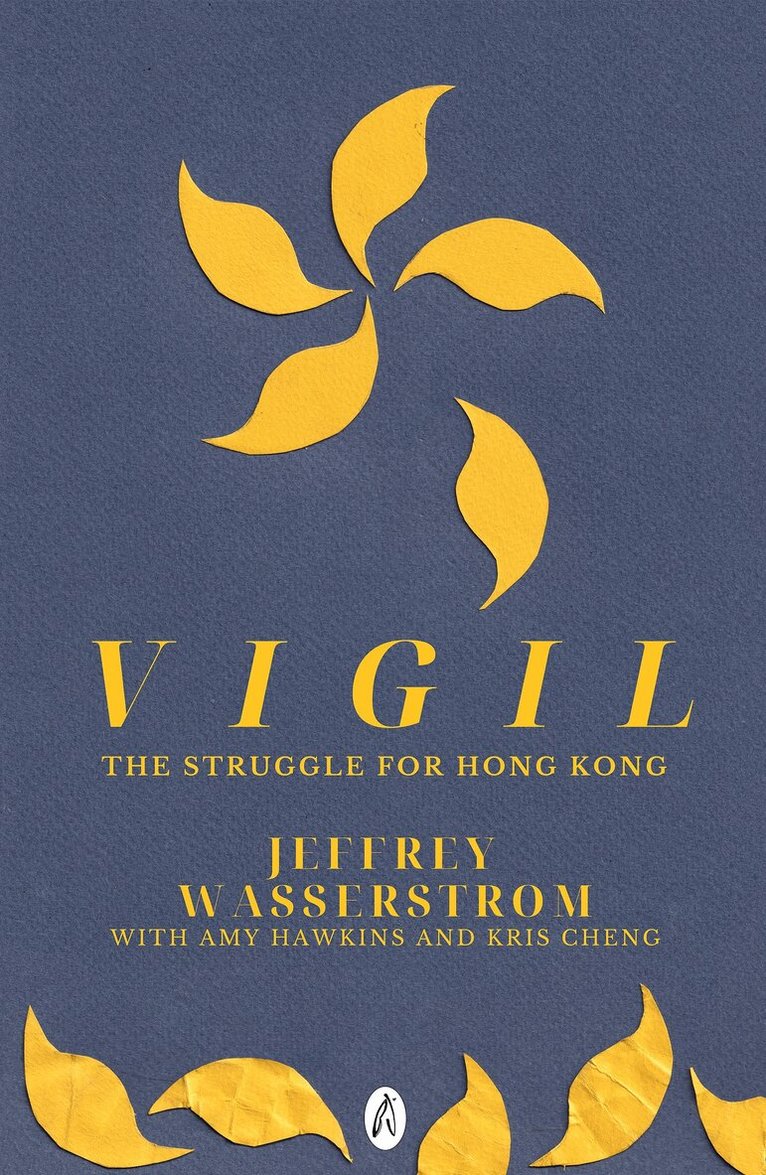
The rise of Hong Kong is the story of a miraculous post-War boom, when Chinese refugees flocked to a small British colony, and, in less than 50 years, transformed it into one of the great financial centres of the world. The unravelling of Hong Kong, on the other hand, shatters the grand illusion of China ever having the intention of allowing democratic norms to take root inside its borders. Hong Kong's people were subjects of the British Empire for more than a hundred years, and now seem destined to remain the subordinates of today's greatest rising power. Although we have witnessed the end of the mass protests that rocked Hong Kong in 2019-20, the political struggle for Hong Kong continues to be one of the biggest challenges to China's authoritarianism in 30 years. Activists who are passionately committed to defending the special qualities of a home they love continue to fight against Beijing's crafty efforts to bring the city into its fold and erase its recent past. Jeffrey Wasserstrom, one of the world's leading China specialists, draws on his many visits to the city, and knowledge of the history of repression and resistance, to help us understand the deep roots and the broad significance of the large protests that took place in Hong Kong five years go. The result is a riveting tale of tragedy but also heroism - one of the great David-versus- Goliath battles of our time, pitting determined street protesters against the intransigence of Xi Jinping, the most ambitious leader of China since the days of Mao.
Häftad, Engelska, 2025
154 kr
Tillfälligt slut
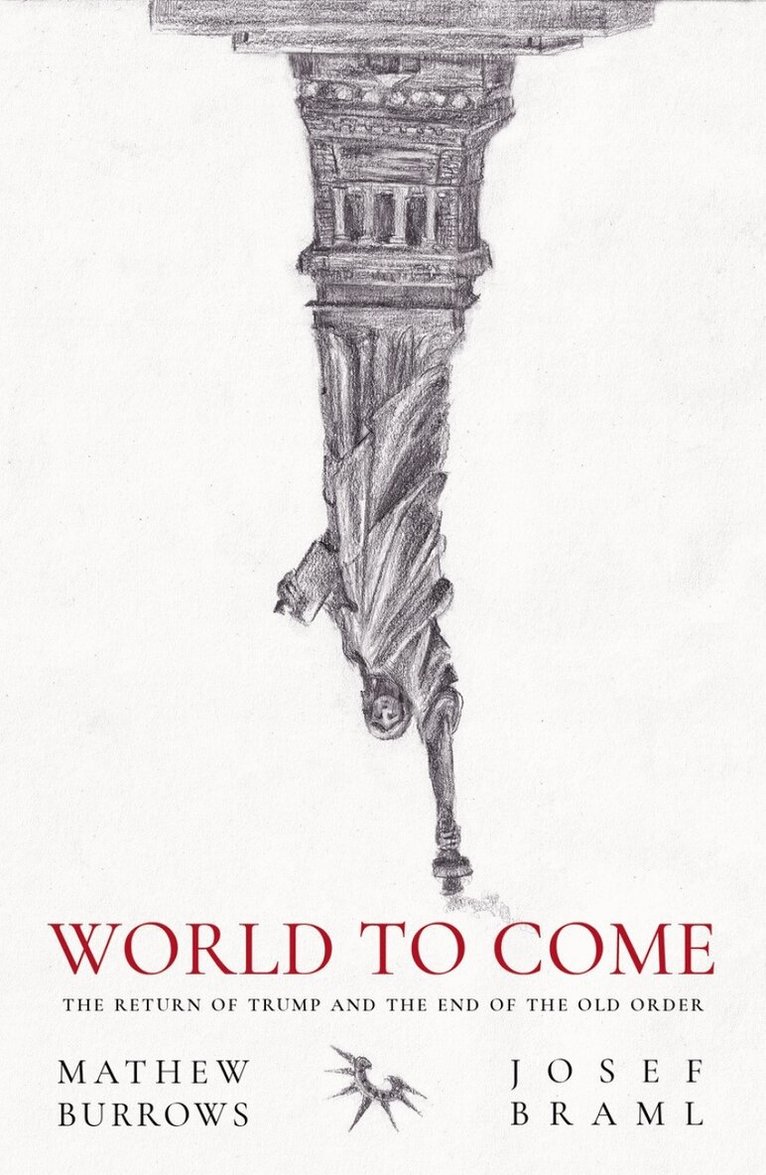
'The old world is dying, the new world struggles to be born,' wrote the Italian philosopher Antonio Gramsci at the end of World War I. 'Now is the time of monsters.' A witness to the rise of fascism in Italy, Gramsci understood transitions can be dangerous. The world today is at a similar inflection point. With Donald Trump victorious in the 2024 US presidential election, the Western liberal order presided by the United States since the end of the Second World War is over. This timely book, by two eminent strategic forecasters, Mathew Burrows and Josef Braml, illuminates where the West and the world are headed in the wake of the November election. Weakened by recent military failures in Iraq and Afghanistan and potential setbacks in Ukraine and the Middle East, the United States is declining as a global power, even if it continues to play an outsized role on the world stage. Not since the end of the Cold War has there been so much pessimism in the West and uncertainty about the future of the world. A new set of destabilising factors - regional conflicts, climate change, the growth of AI, a global economic slowdown, endemic illegal immigration - are feeding off each other and producing more instability. Far-right and populist movements in Europe and North America thrive on this vulnerability. As the world grapples with these issues, separate conflicts in Middle East and Ukraine are threatening to shatter the nuclear weapons taboo that has held since 1945. Plus, a fragmenting global economy with the growing protectionism by the United States and China is producing a world of slower growth. A major war between the United States and China or between NATO and Russia threatens to bring an end to civilisation. But crises can also bring renewal. Take, for instance, the advent of artificial intelligence, which, like past technological revolutions, could result in better lives for millions. Or the new technologies like green energy which can help us fight climate change. Automation may eliminate some jobs but will help Western societies deal with declining populations. World to Come is a clear-eyed survey of the state of the US power and the consequences for the rest of the world. It spells out the hard choices we would need to make as we tackle the rise of nationalism, the slowdown in global economic growth and the inevitability of climate change. And it's a call to action, to ensure that the world that comes out of the end of Pax Americana is one we all want to live in.