Calvin Center Series – serie
Visar alla böcker i serien Calvin Center Series. Handla med fri frakt och snabb leverans.
4 produkter
4 produkter
Häftad, Engelska, 1998
758 kr
Skickas inom 10-15 vardagar
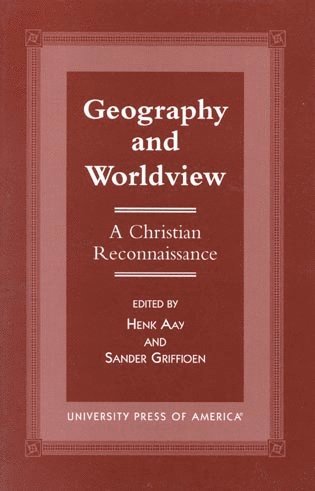
Co-published with the Calvin Center for Christian Scholarship (CLC), Geography and Worldview contains eight essays on the theme of geography and Christian worldview based on papers presented at a conference held at Calvin College in August 1996. The essays included are grouped to show the distinction between two approaches to Christian Scholarship.The first approach looks at the discipline of geography itself, and explores the work of geographers to determine their implicit beliefs about the world. For example, an essay by David Livingstone lays bare the persistent relevance of assumptions once derived from natural theology, and essays by David Ley, Iain Wallace and Janel Curry-Roper analyze the breakdown of postitivism and postmodernism in the current worldview in geography.The second approach begins outside geography and asks what consequences geographers' basic beliefs or fundamental notions have for geographic scholarship. Here, Gerda Hoekveld-Meijer explores the significance of externality fields and borders for geography, Gerard Hoekveld looks at the implications of a biblical understanding of citizenship on geography, and Henk Aay presents the impact of neo-Calvinism on geographic education in the Netherlands. Includes two maps.
Inbunden, Engelska, 1998
467 kr
Tillfälligt slut
Co-published with the Calvin Center for Christian Scholarship (CLC), Geography and Worldview contains eight essays on the theme of geography and Christian worldview based on papers presented at a conference held at Calvin College in August 1996. The essays included are grouped to show the distinction between two approaches to Christian Scholarship. The first approach looks at the discipline of geography itself, and explores the work of geographers to determine their implicit beliefs about the world. For example, an essay by David Livingstone lays bare the persistent relevance of assumptions once derived from natural theology, and essays by David Ley, Iain Wallace and Janel Curry-Roper analyze the breakdown of postitivism and postmodernism in the current worldview in geography. The second approach begins outside geography and asks what consequences geographers' basic beliefs or fundamental notions have for geographic scholarship. Here, Gerda Hoekveld-Meijer explores the significance of externality fields and borders for geography, Gerard Hoekveld looks at the implications of a biblical understanding of citizenship on geography, and Henk Aay presents the impact of neo-Calvinism on geographic education in the Netherlands. Includes two maps.
Inbunden, Engelska, 1998
882 kr
Tillfälligt slut
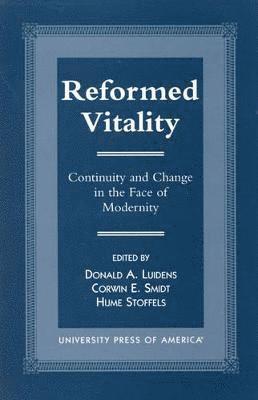
Copublished with the Calvin Center for Christian Scholarship, Reformed Vitality addresses the issue of what constitutes religious vitality and where it can be found within Reformed circles throughout the world. The authors examine evidence of religious vitality among Reformed believers, within Reformed institutions and communities to discover how they have maintained and/or created that vitality in the face of cultural and social fragmentation. This investigation revealed complex and multifaceted patterns that are explored and assessed to create a proper evaluation of the status of religious vitality by interpreting the signs around it. The information gathered shows that many Reformed communities have entered a critical stage, where issues of identity and relevance are central problems that confront their corporate life. Difficult questions arise as the very purpose and essence of Reformed communities are explored along with the place of religious vitality in them.
Häftad, Engelska, 1998
442 kr
Tillfälligt slut
Copublished with the Calvin Center for Christian Scholarship, Reformed Vitality addresses the issue of what constitutes religious vitality and where it can be found within Reformed circles throughout the world. The authors examine evidence of religious vitality among Reformed believers, within Reformed institutions and communities to discover how they have maintained and/or created that vitality in the face of cultural and social fragmentation. This investigation revealed complex and multifaceted patterns that are explored and assessed to create a proper evaluation of the status of religious vitality by interpreting the signs around it. The information gathered shows that many Reformed communities have entered a critical stage, where issues of identity and relevance are central problems that confront their corporate life. Difficult questions arise as the very purpose and essence of Reformed communities are explored along with the place of religious vitality in them.