Camera ON – serie
Visar alla böcker i serien Camera ON. Handla med fri frakt och snabb leverans.
13 produkter
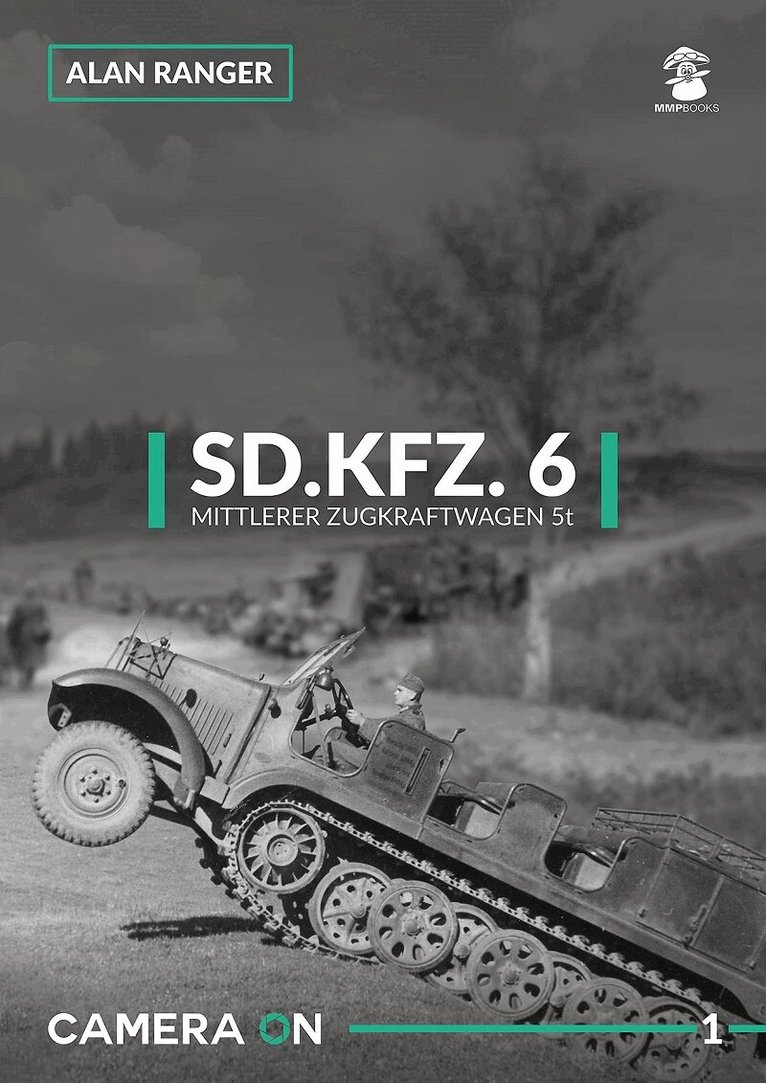
Sd.Kfz. 6 Mittlerer Zugkfraftwagen 5t
Av Alan Ranger
Häftad, 2018
312 kr
Lägg i varukorg
During WW2, the German armed forces were the greatest user of half-track vehicles. Such vehicles were used in the Wehrmacht, Luftwaffe and Waffen-SS, where they served as personnel carriers, tractors, combat engineering vehicles, as well as self-propelled carriage of anti-aircraft and anti-tank …
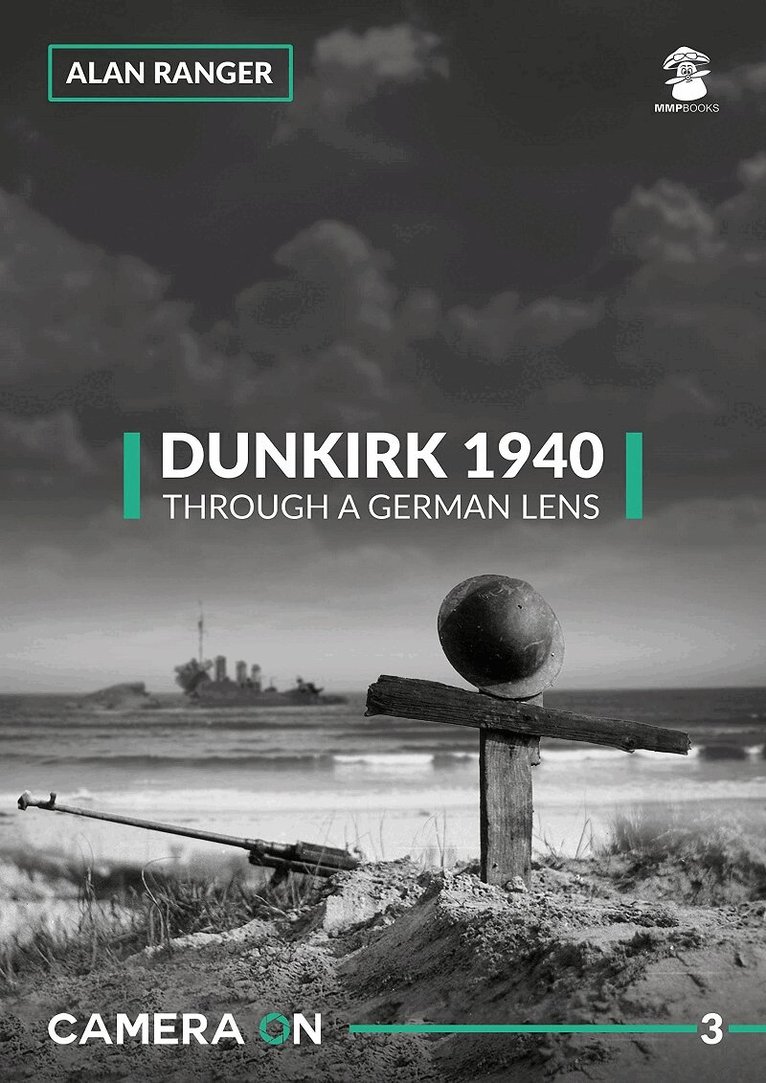
Dunkirk 1940 Through a German Lens
Av Alan Ranger
Häftad, 2017
180 kr
Lägg i varukorg
This new photo album, one of first in the MMPBooks/Stratus "Camera On" series, contains 200+ photos of the Battle for Dunkirk - from the German perspective. The photos, mostly unpublished before now, are from German sources, including private photos taken by German soldiers. They cover the retreat …
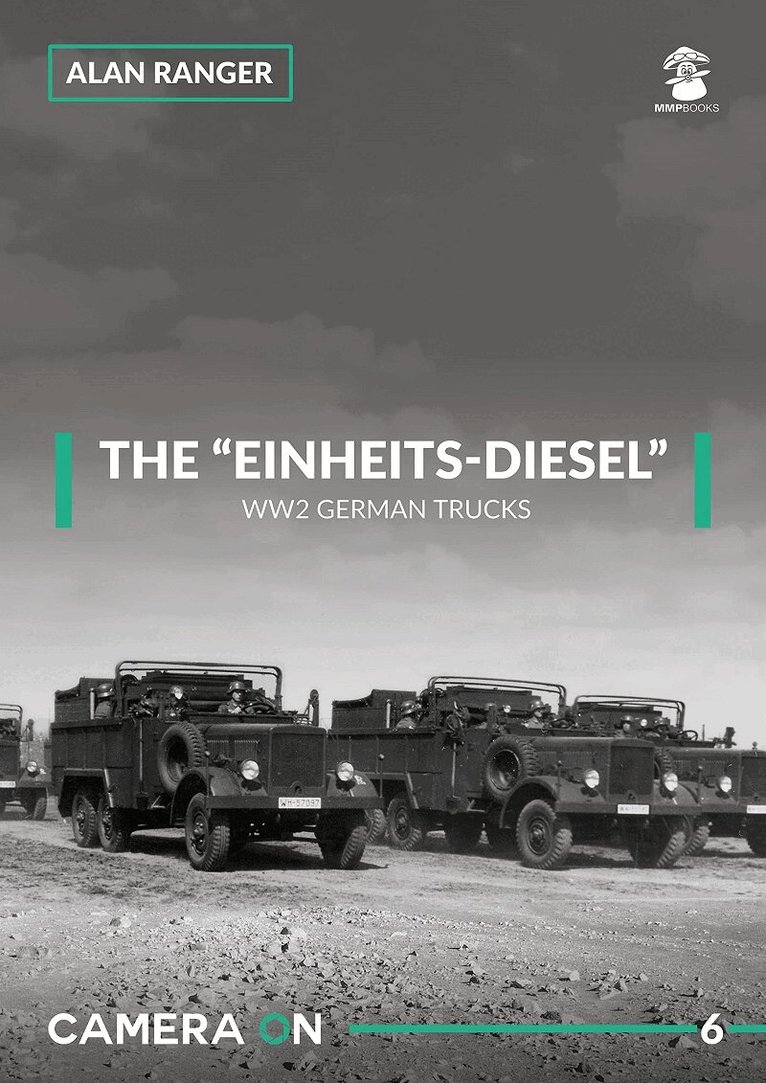
“Einheits-diesel” WW2 German Trucks
Av Alan Ranger
Häftad, 2018
4,0 utav 5 stjärnor. Totalt antal röster: (1)
312 kr
Lägg i varukorg
The leichter geländegängiger Lastkraftwagen “Einheitsdiesel” (Standard-Diesel Lorry) The development of the standard-lorry started in 1934. It was planned to develop vehicles with 2, 3 and 4 axles with payloads of 1.5, 2.5 and 4 tons, but in the end, only the model with three axles and 2.5 tons …
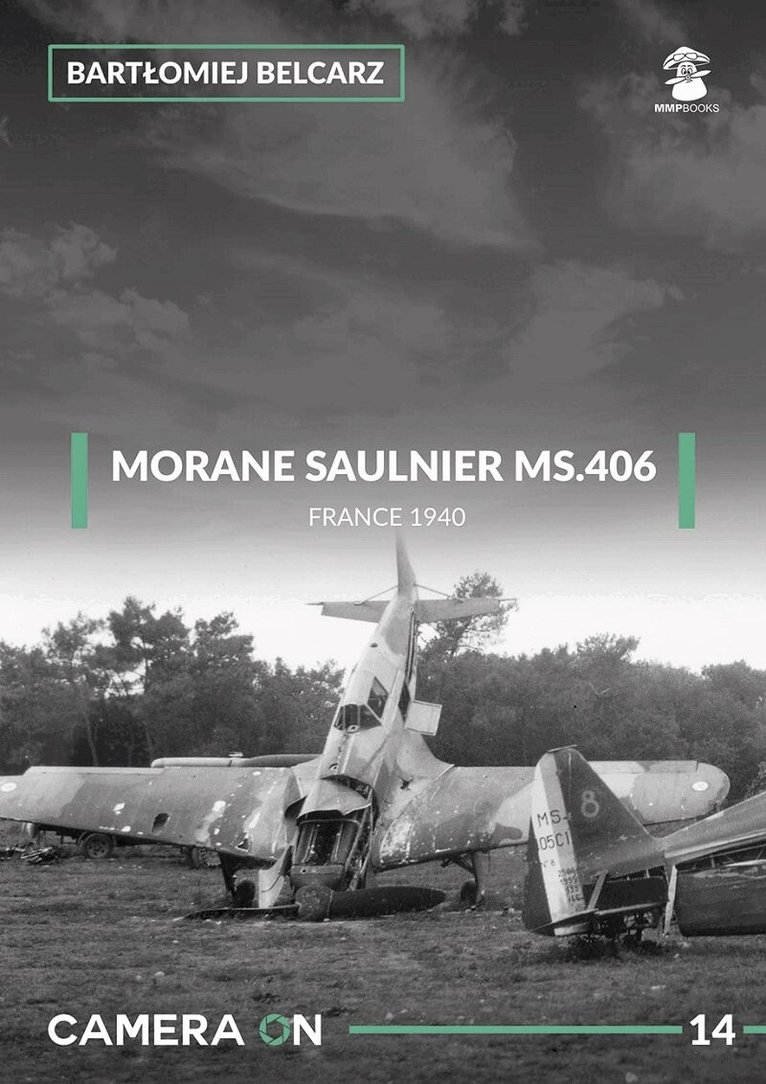
Morane Saulnier MS.406
France 1940
Häftad, 2019
303 kr
Lägg i varukorg
The Morane Saulnier MS.406 was a French fighter aircraft developed and manufactured by Morane Saulnier starting in 1938. It was France's most numerous fighter during WW2.This profusely illustrated photo album includes over 150 previously unseen pictures, many from private sources in Germany.
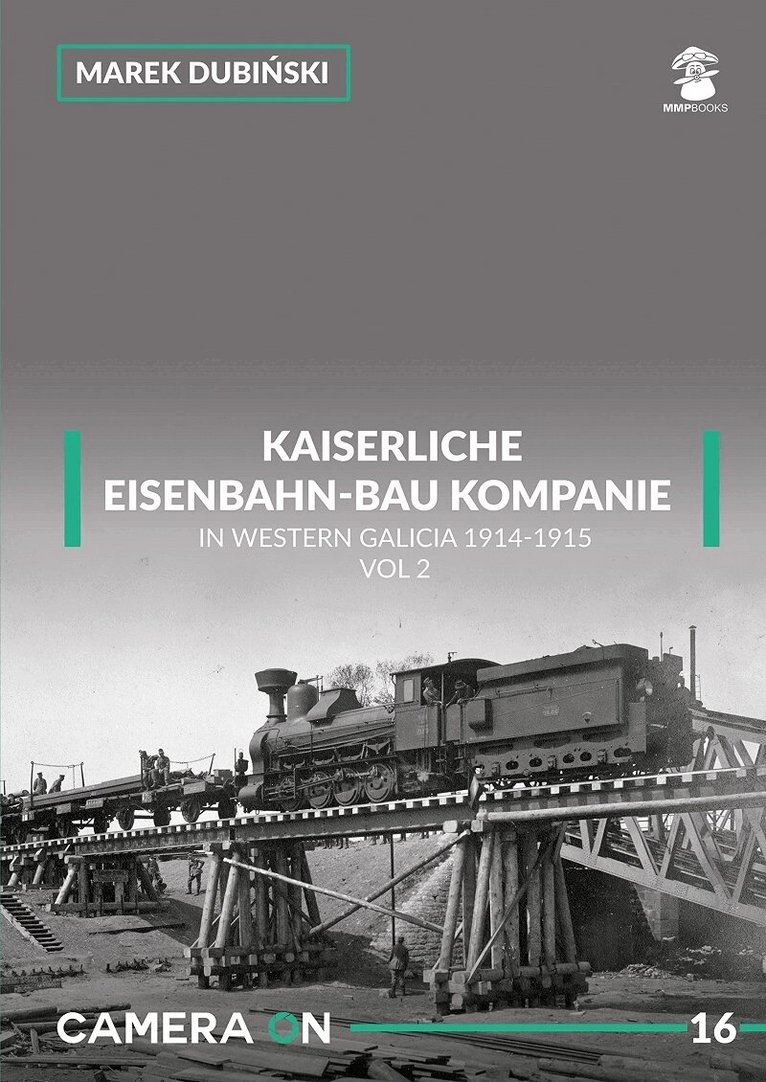
Kaiserliche Eisenbahn-Bau Kompanie in Western Galicia 1914-1915
Volume 2
Häftad, 2019
183 kr
Lägg i varukorg
This profusely illustrated photo album includes over 120 previously unseen pictures of the Kaiserliche Eisenbahn-Bau Kompanie unit, which operated during early stages of WW1 in the Western Galicia, now southern Poland.
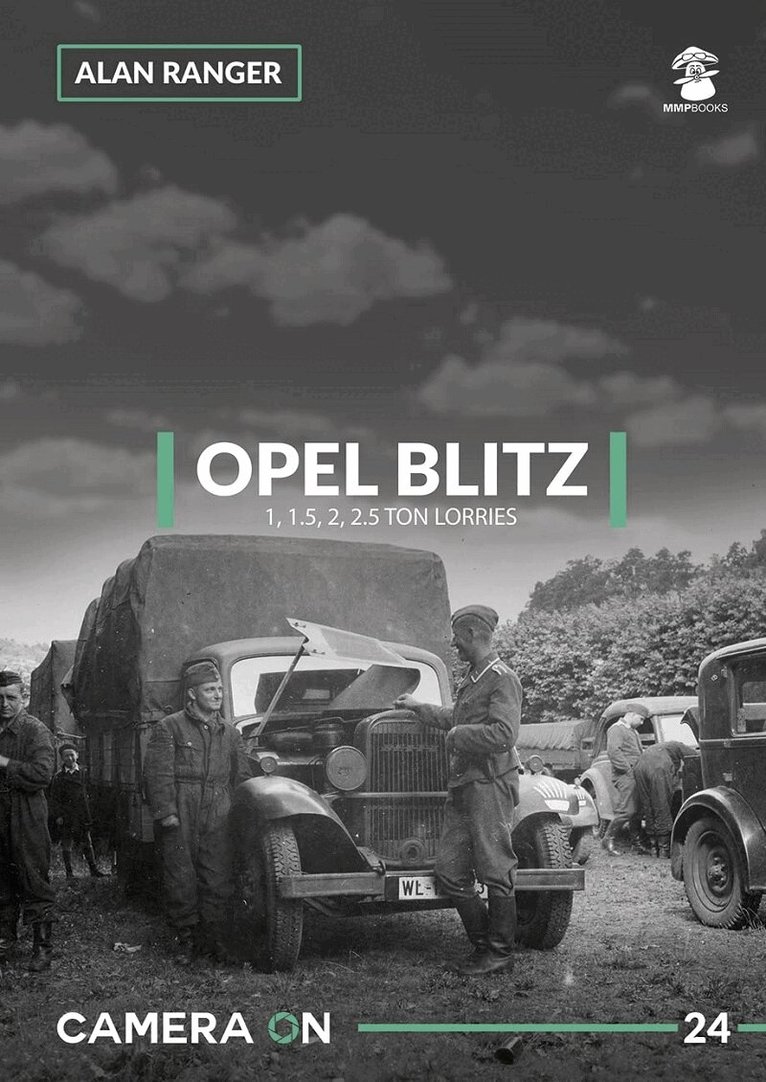
Opel Blitz 1, 1.5, 2, 2.5 Ton Lorries
Av Alan Ranger
Häftad, 2021
175 kr
Lägg i varukorg
Opel Blitz (German for "lightning") was the name given to various light and middle-weight truck series built by the German Opel automobile manufacturer.Book focused on the light version of the Blitz lorry:Opel Blitz type 3,5-134 & 3,5-157Opel Blitz type 2,0-12Opel Blitz type 2,5-35Opel Blitz type …
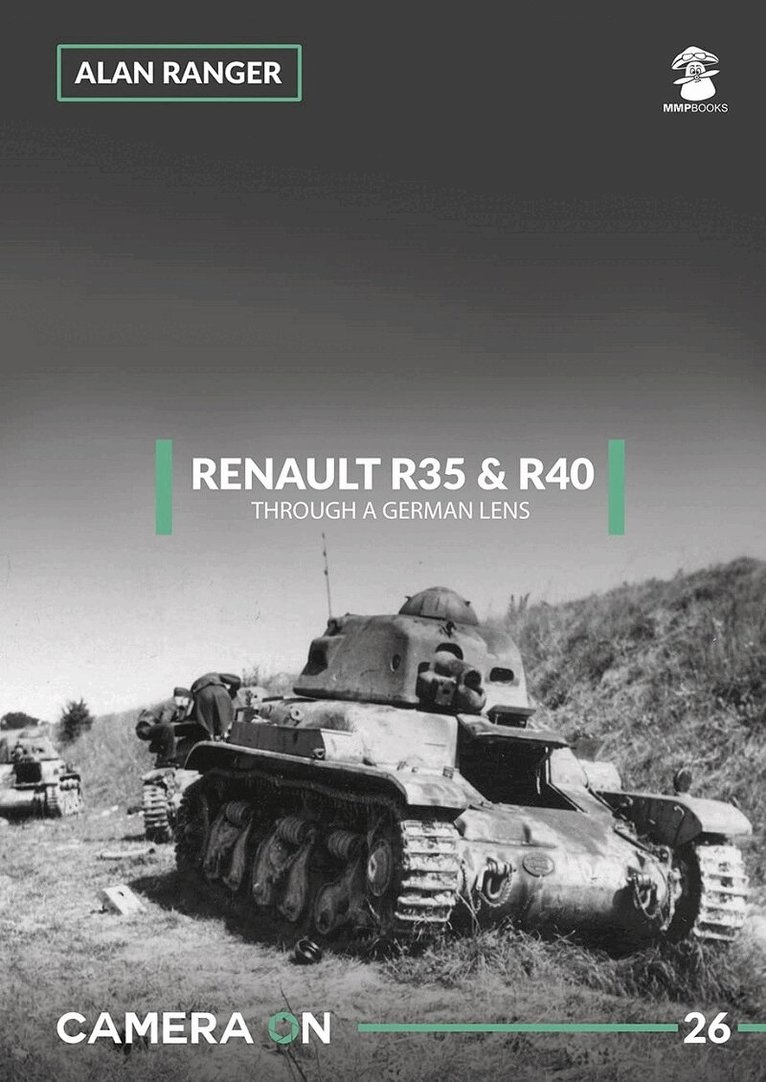
Renault R35 & R40 Through a German Lens
Av Alan Ranger
Häftad, 2021
175 kr
Lägg i varukorg
The Renault R35, an abbreviation of Char léger Modèle 1935 R or R35, was a French light infantry tank of the Second World War.Designed from 1933 and produced from 1936, the tank was intended as an infantry support light tank. To this end it was relatively well-armored but slow and lacking a good …
Sd.Kfz. 7 Mittlerer Zugkfraftwagen 8t
Av Alan Ranger
Häftad, 2018
184 kr
Tillfälligt slut
During WW2, the German armed forces were the greatest user of half-track vehicles. Such vehicles were used in the Wehrmacht, Luftwaffe and Waffen-SS, where they served as personnel carriers, tractors, combat engineering vehicles, as well as self-propelled carriages for anti-aircraft guns.Sd. Kfz. …
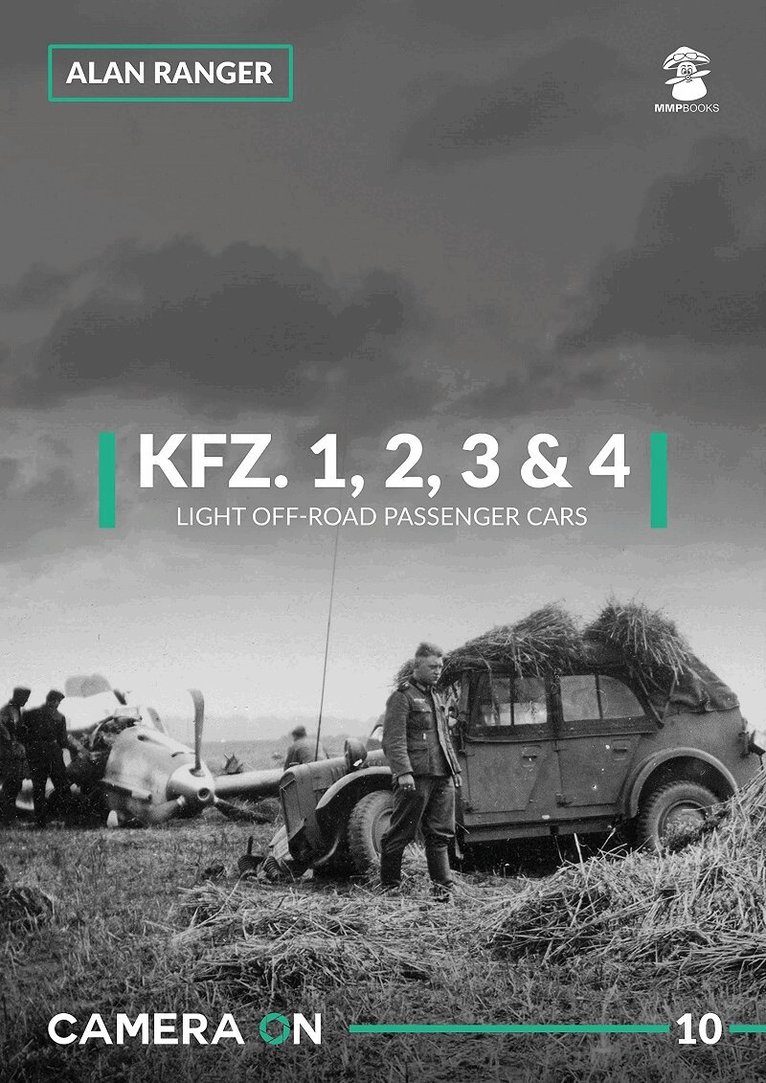
Kfz. 1, 2, 3 & 4. Light Off-road Passenger Cars
Light Off-Road Passenger Cars
Av Alan Ranger
Häftad, 2019
180 kr
Tillfälligt slut
The leichter geländegängiger Personenkraftwagen, or l. gl. Einheits-Pkw - light off-road passenger cars - were manufactured by Stoewer, Hanomag and BMW from 1936 to early 1944. The superstructures were delivered by ten different companies and were identical from each manufacturer. Early versions …
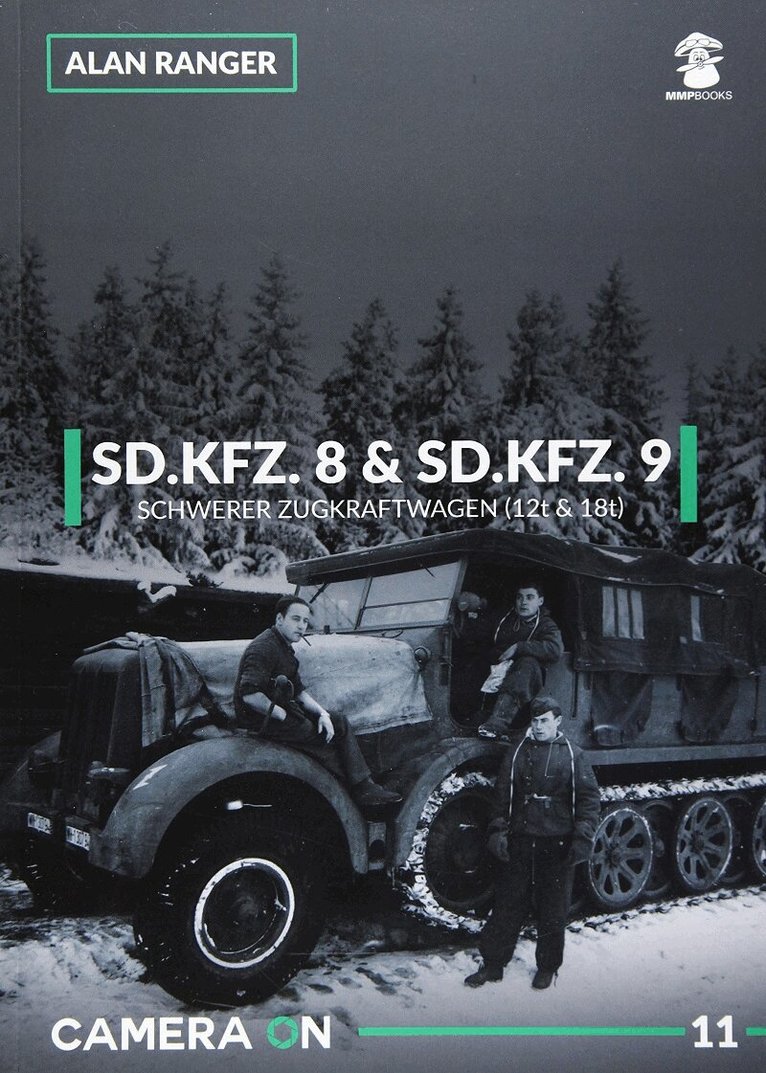
Sd.Kfz. 8 & Sd.Kfz. 9 Schwerer Zugkraftwagen (12t & 18t)
Av Alan Ranger
Häftad, 2019
184 kr
Tillfälligt slut
During WW2, the German armed forces were by far the greatest user of half-track vehicles. Such vehicles were used in the Wehrmacht, Luftwaffe and Waffen-SS, where they served as personnel carriers, tractors, combat engineering vehicles, as well as self-propelled carriages for antiaircraft …
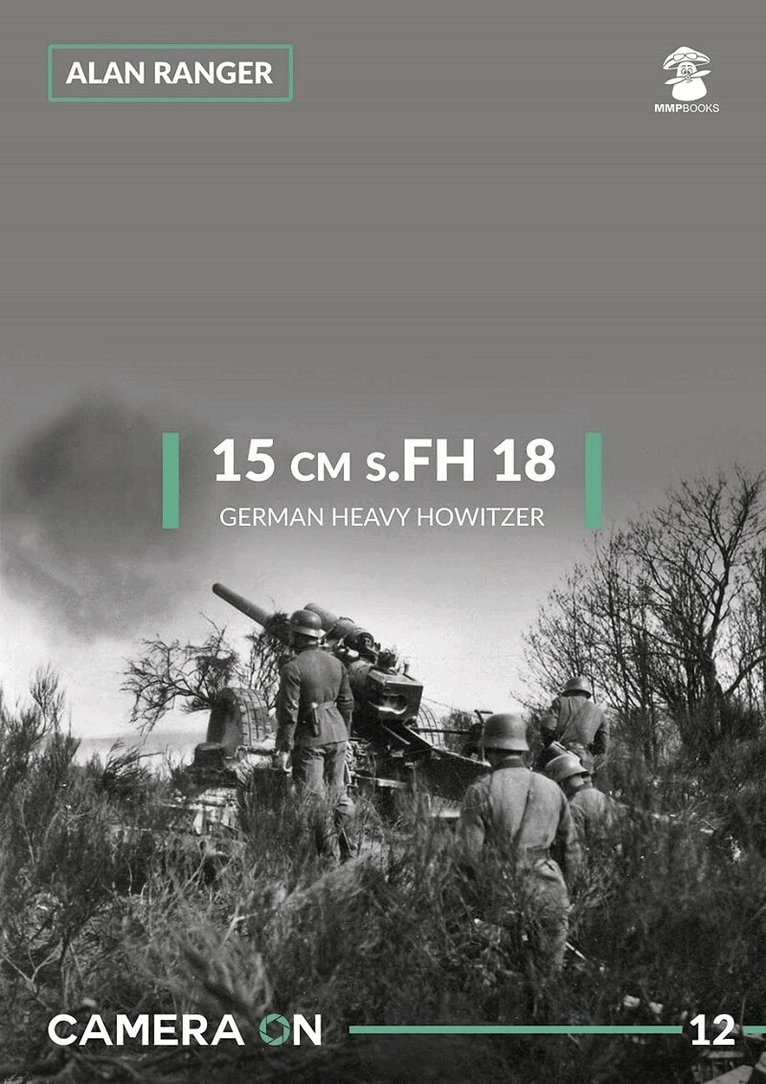
15 cm s.FH 18 German heavy Howitzer
Av Alan Ranger
Häftad, 2019
312 kr
Tillfälligt slut
The 15 cm schwere Feldhaubitze 18 or s.FH 18 (heavy field howitzer, model 18) was the basic German division-level heavy howitzer during the Second World War.The gun was officially introduced into service on 23 May 1935 and by the outbreak of war the Wehrmacht had about 1,353 of these guns in …
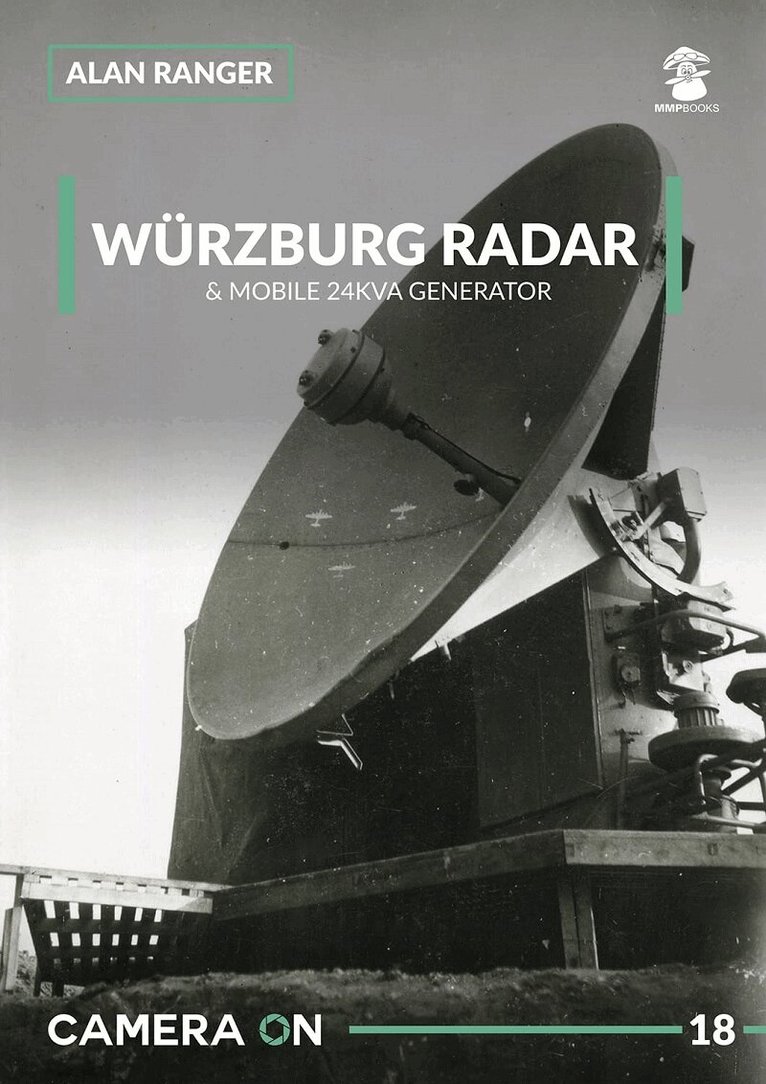
Würzburg Radar & Mobile 24KVA Generator
Av Alan Ranger
Häftad, 2020
157 kr
Tillfälligt slut
This new photo album is number 18 in the MMPBooks/Stratus "Camera On" series and is the first to cover such equipment as this historically significant mobile radar and its associated power generation equipment the book contains 140+ photographs of the Wurzburg Radar & various sub-types, its power …
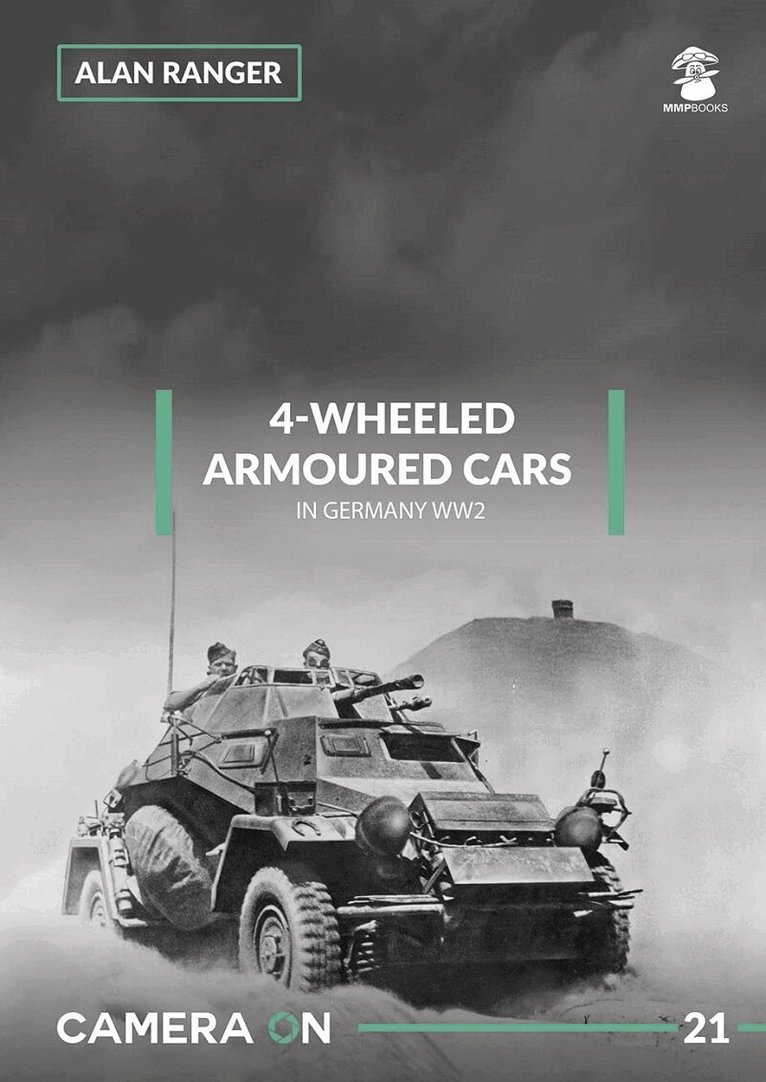
4-Wheeled Armoured Cars in Germany WW2
Av Alan Ranger
Häftad, 2020
184 kr
Tillfälligt slut
Germany was at the forefront of the development of armored cars during the First World War, however with the end of the war in November of 1918 and the signing of the Treaty of Versailles in 1919, the victorious allies imposed a complete ban on the German Army being equipped with any armored …