Canova. Four Tempos - Böcker
Visar alla böcker i serien Canova. Four Tempos. Handla med fri frakt och snabb leverans.
4 produkter
4 produkter
458 kr
Tillfälligt slut
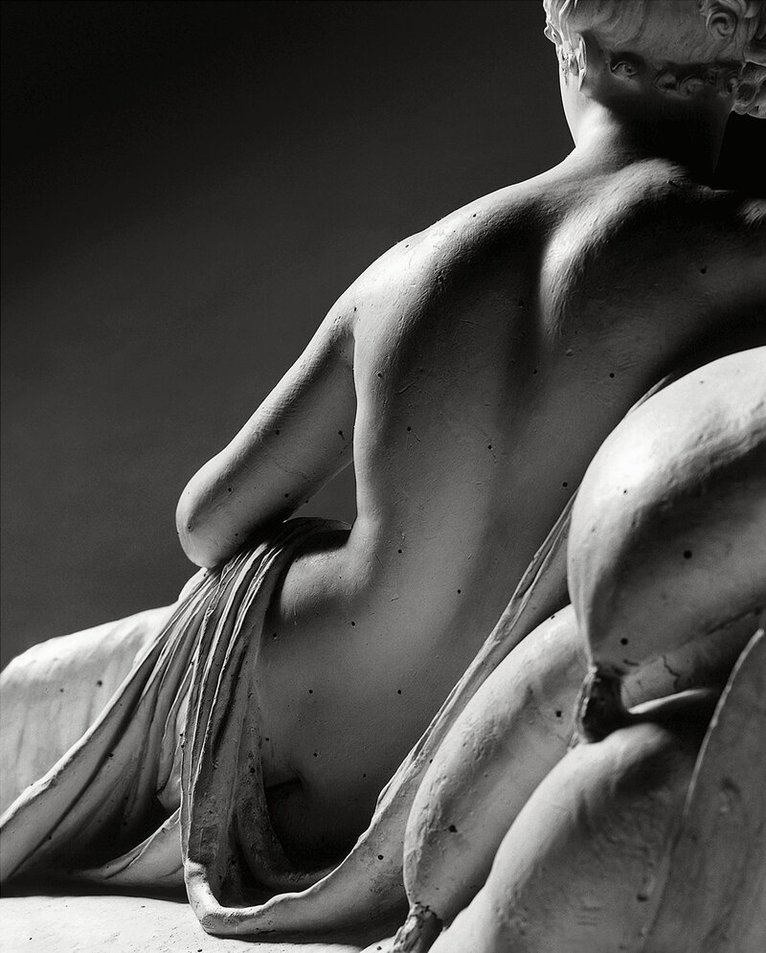
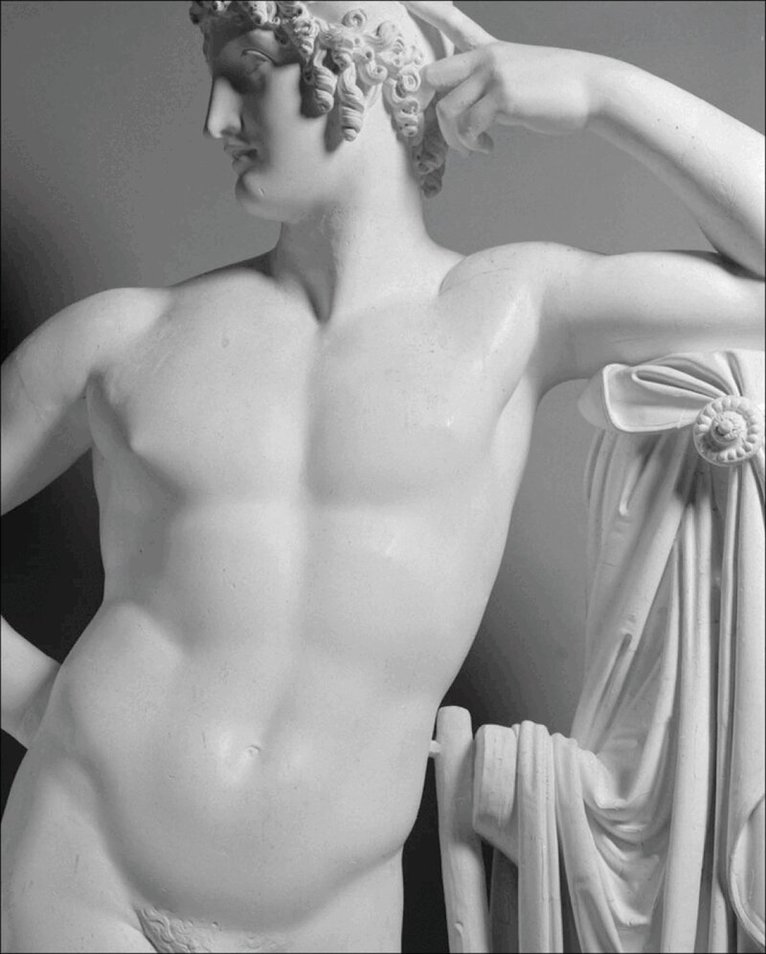
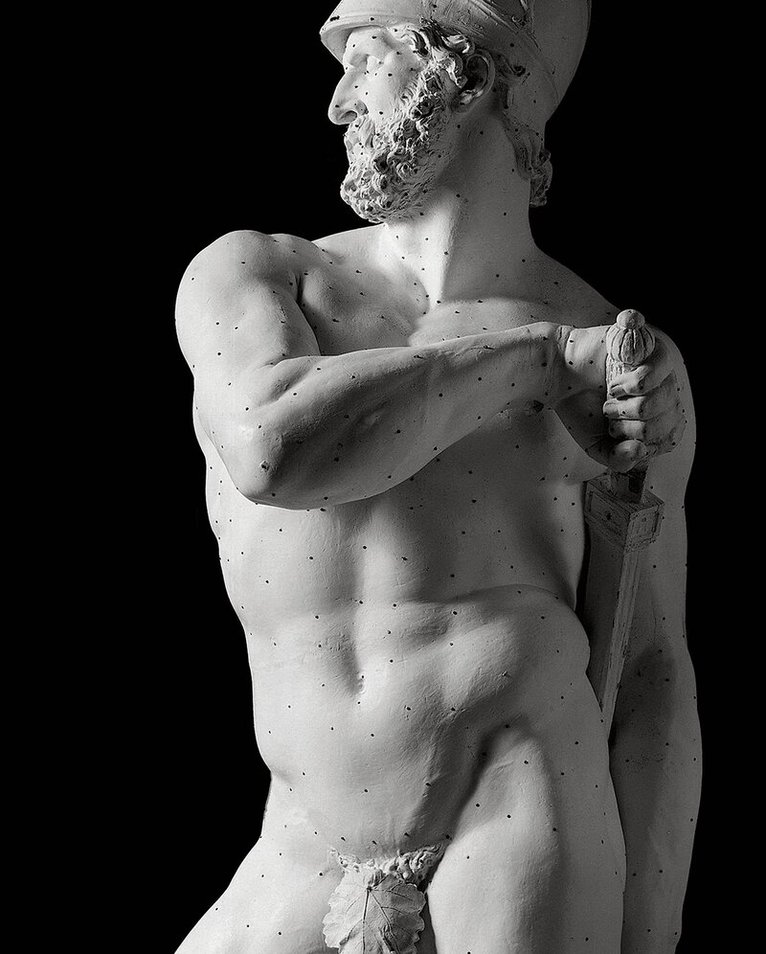
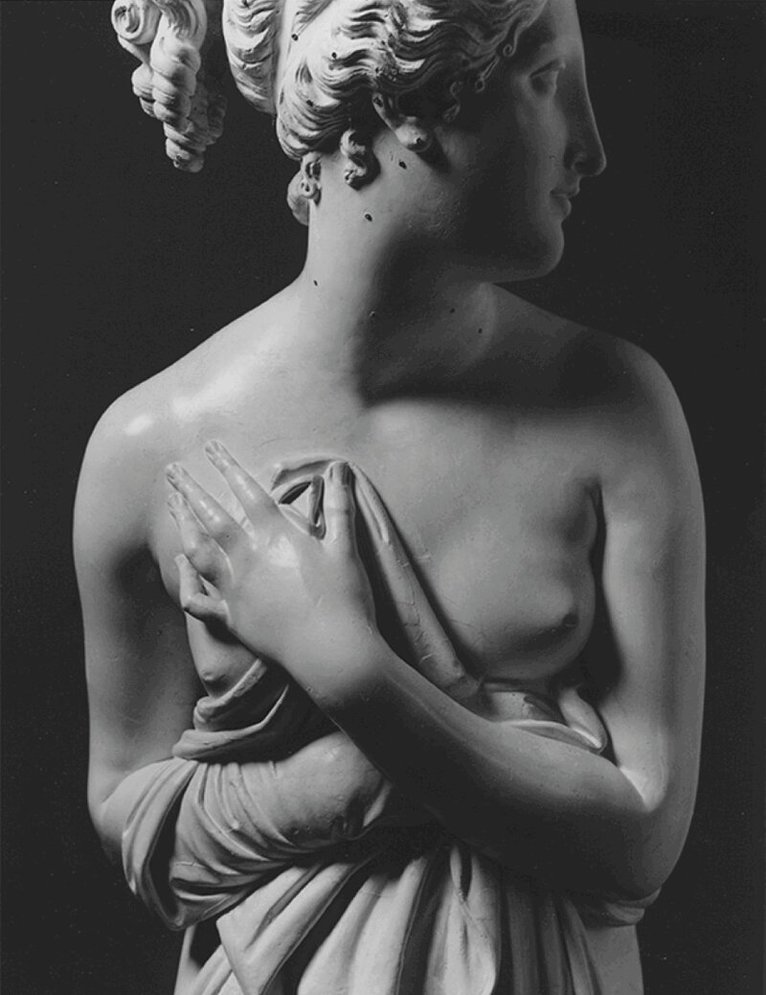
The full-size plaster models that represented the passage from a preliminary designing phase to the production of the marble sculpture were of great significance to Italiansculptor Antonio Canova's creative process. As the subtitle emphasises,the temporal dimension holds great importance in the neoclassic sculptor's creative and productive phases: the plaster artefact posits abefore and an after. Before comes the preparatory study; after is the finished work. Plaster stands in between, it is central. The plaster forms are not the finished works, however they contain all their power and potential.This volume explores this meaningful and little-known phase in the creative process of Antonio Canova, along withquality close-up photo sequences that expose the plaster surfaces, bringing a greater focus and appreciation to the plaster form.
Canova. Four Tempos: Volume II
Inbunden, Engelska, 2021
476 kr
Skickas inom 3-6 vardagar
This volume is a continuation of the first instalment of the editorial project Canova | In Four Tempos, ISBN 9788874399215, born in co-edition with the Pallavicino Foundation in Genoa with the goal of collecting in a refined publication the photographic research of Luigi Spina focused on the plaster models by Antonio Canova almost entirely preserved at the plaster cast gallery in Possagno. This project accompanying the four-year Canovian celebrations (2019–2022) is structured in four publications, each focused on a specific nucleus of plaster models. Its aim is to give new dignity to Antonio Canova’s creative process while highlighting the fundamental role of the bronze nails (repères) that made the metamorphoses from plaster model to marble sculpture possible. The first volume is devoted to the dialogue of Myth and Faith, illustrated by Spina with photographs of Cupid and Psyche, Paolina Borghese Bonaparte, Venus and Mars, the Lying Magdalen, Peace, and the Lamentation of Christ, while this, the second volume, revolves mainly around Myth. The sculptures on which the visual narrative focuses are: Dancer with Finger on Chin, Dedalus and Icarus, Theseus Defeats the Centaur, Naiad, Pius VII Praying, Venus and Adonis, and Sleeping Nymph.
458 kr
Tillfälligt slut
Antonio Canova (1757-1822), is considered the greatest Neoclassical sculptor of the late 18th and early 19th centuries. This book, the third in the series Canova: Four Tempos, features a collection of sublime black and white photographs of Canova's plaster models taken by photographer Luigi Spina. The full-size plaster models that preceded the production of his marble sculptures played an important part in Canova’s creative process. Included here are his masterpieces The Three Graces and Sleeping Nymph, and the only work Canova made for an overseas patron, George Washington depicted as a Roman potentate. The text is by the well-known Italian art historian Vittorio Sgarbi.Also available: Canova: Four Tempos, Vol. 1, ISBN 9788874399215, and Canova: Four Tempos Vol. 2 9788874399598
458 kr
Skickas inom 5-8 vardagar
The fourth and final volume of the photographic and editorial project Canova. Four Tempos, dedicated to the plaster casts by Antonio Canova at the Gypsotheca in Possagno (Italy), continues the investigation into the imperfect form: works that, with their small nails that allowed plaster to be reproduced in marble, are an expression of genius in his making.Luigi Spina approaches the works in a completely new way, from mythological subjects to the faces of the commissioners, from Daedalus and Icarus, a masterpiece of youth, to Adonis crowned by Venus, unfinished and never translated into marble. From the eternal comparison between the sculpture of Hector in a dynamic pose and Ajax about to draw his sword. The sensuality of Venus while revealing herself as she emerges from her bath.Finally, the volume takes a look at the commissioners: the sculpture of the little prince Heryk Lubominski dressed as Cupid with bow and quiver and the sculpture of Princess Leopoldina Esterhàzy Liechtenstein. In the sculptor’s mind dominates the classical model, a symbol of harmony and perfection.