Criminology at the Edge - Böcker
Visar alla böcker i serien Criminology at the Edge. Handla med fri frakt och snabb leverans.
10 produkter
10 produkter
2 113 kr
Skickas inom 10-15 vardagar
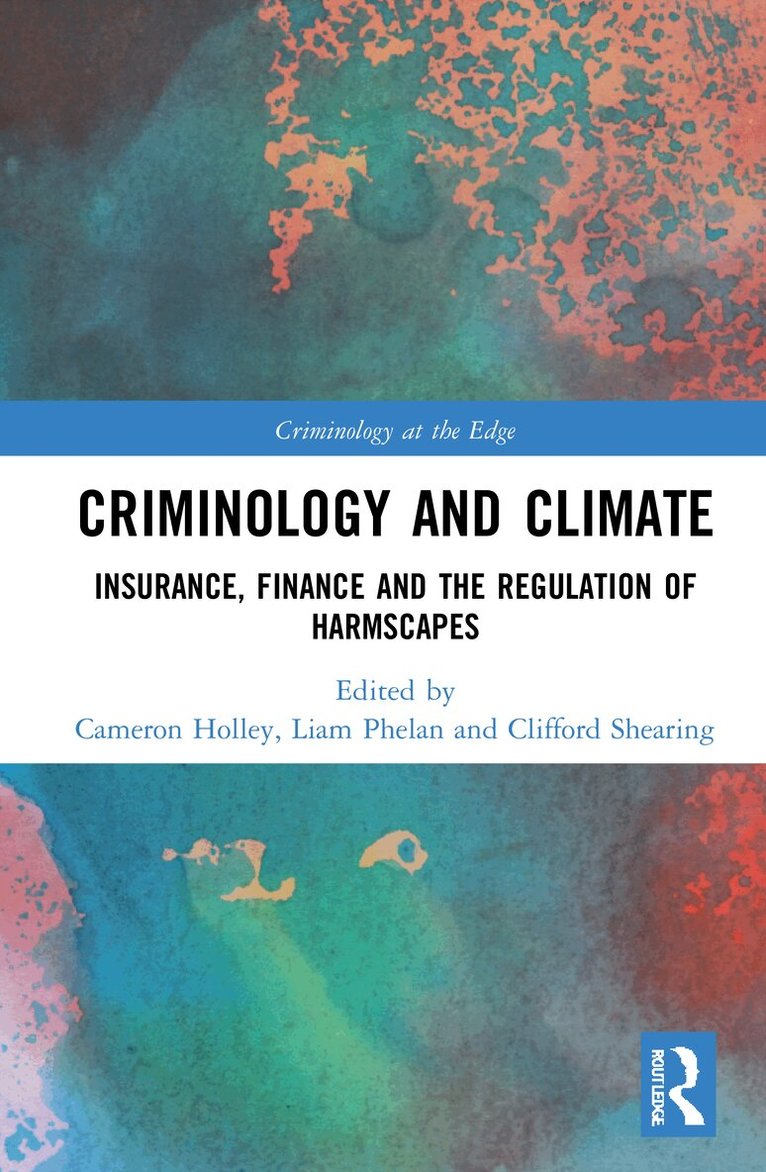
This book explores the role of the insurance industry in contributing to, and responding to, the harms that climate change has brought and will bring either directly or indirectly. The Anthropocene signifies a new role for humankind: we are the only species that has become a driving force in the planetary system. What might criminology be in the Anthropocene? What does the Anthropocene suggest for future theory and practice of criminology? Criminology and Climate, as part of Routledge’s Criminology at the Edge Series, seeks to contribute to this research agenda by exploring differing vantage points relevant to thinking within criminology. Contemporary societies are presented with myriad intersecting and interacting climate-related harms at multiple scales. Criminology and Climate brings attention to the finance sector, with a particular focus on the insurance industry as one of its most significant components, in both generating and responding to new climate ‘harmscapes’. Bringing together thought leaders from a variety of disciplines, this book considers what finance and insurance have done and might still do, as ‘fulcrum institutions’, to contribute to the realisation of safe and just planetary spaces. An accessible and compelling read, this book will appeal to students and scholars of criminology, sociology, law and environmental studies and provides readers with a basis to analyse the challenges and opportunities for the finance sector, and in particular the insurance industry, in the regulation of climate harms.
673 kr
Skickas inom 10-15 vardagar
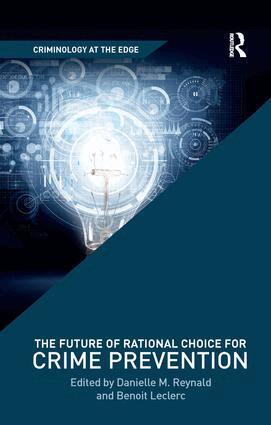
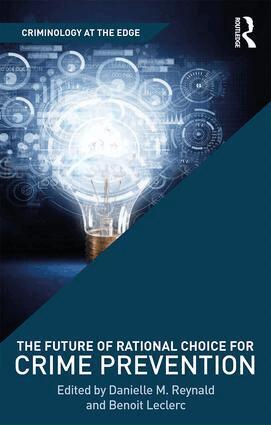
The rational choice perspective (RCP) is currently the core theoretical approach underpinning situational crime prevention (SCP). To date, many crimes have been studied through the lens of RCP, which increased our understanding of these phenomena, how they are committed and how they could potentially be prevented through SCP. This book, designed with the hope of moving RCP forward for SCP purposes, takes a challenging but novel step in providing leading experts from different disciplines with the opportunity to express themselves on how we could best achieve this task. This book explores various perspectives, which include the development of frameworks based on the role of situations in crime or forensic sciences for improving crime prevention practices. The need to consider affective states and other offender-related factors to improve our understanding of offender decision-making models is highlighted as a means to better predict which SCP mechanisms may be most useful in discouraging particular types of offenders. Finally, it is also argued that the use of RCP should be more pragmatic and that this perspective should be preserved and adapted based on what we find in our experiments.Taken together, these theoretically distinctive and challenging contributions ultimately guide how crime prevention practices could be best approached in the future.
646 kr
Skickas inom 10-15 vardagar
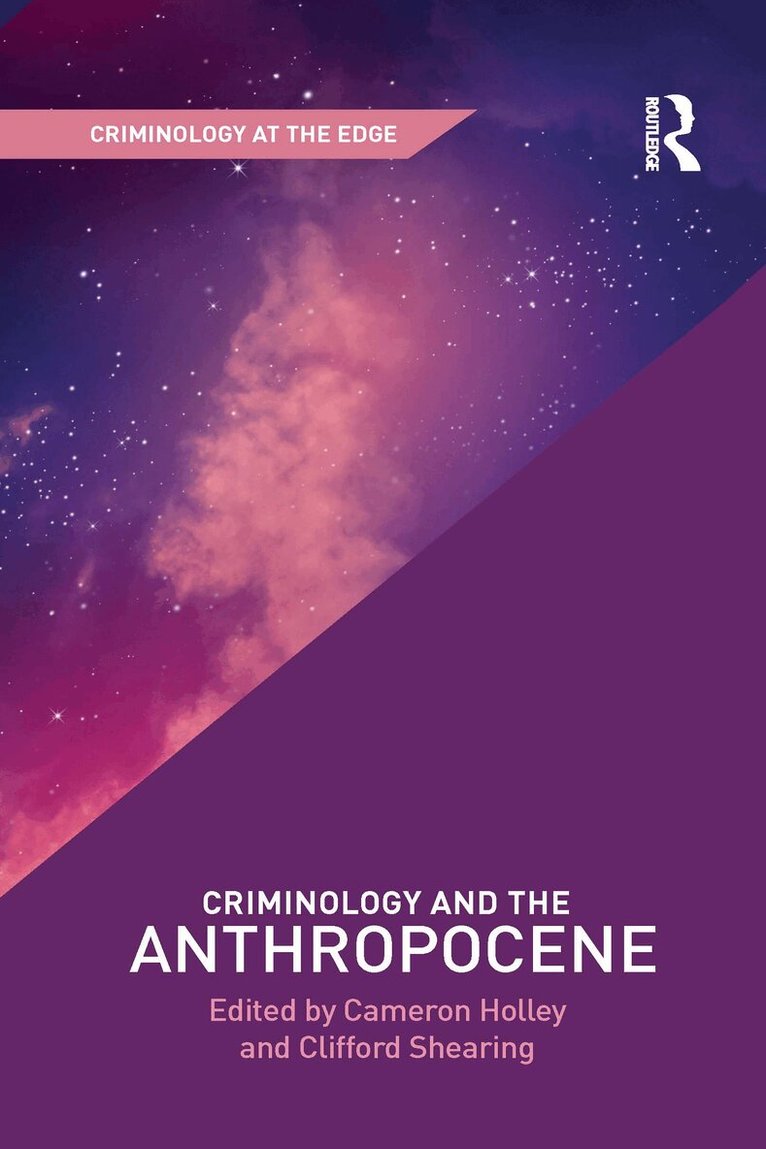
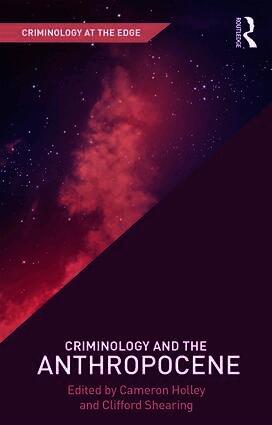
The Anthropocene signals a new age in Earth’s history, a human age, where we are revealed as a powerful force shaping planetary systems. What might criminology be in the Anthropocene? What does the Anthropocene suggest for future theory and practice of criminology? This book seeks to contribute to this research agenda by examining, contrasting and interrogating different vantage points, aspects and thinking within criminology.Bringing together a range of multidisciplinary chapters at the cutting edge of thinking and environmental rethinking in criminology, this book explores a mix of key intractable problems of the Anthropocene, including climate change and overexploitation of natural resources that cause environmental insecurities; crime and corruption; related human insecurity and fortressed spaces; and the rise of new risks and social harms. Of interest to scholars in the fields of criminology, sociology and environmental studies, this book provides readers with a basis for analysing the challenges of, and possible approaches to, the Anthropocene at all levels (local, national, regional and international) and discusses the future(s) of criminology for improving social policies and practices.
618 kr
Skickas inom 10-15 vardagar
This book explores the role of the insurance industry in contributing to, and responding to, the harms that climate change has brought and will bring either directly or indirectly. The Anthropocene signifies a new role for humankind: we are the only species that has become a driving force in the planetary system. What might criminology be in the Anthropocene? What does the Anthropocene suggest for future theory and practice of criminology? Criminology and Climate, as part of Routledge’s Criminology at the Edge Series, seeks to contribute to this research agenda by exploring differing vantage points relevant to thinking within criminology. Contemporary societies are presented with myriad intersecting and interacting climate-related harms at multiple scales. Criminology and Climate brings attention to the finance sector, with a particular focus on the insurance industry as one of its most significant components, in both generating and responding to new climate ‘harmscapes’. Bringing together thought leaders from a variety of disciplines, this book considers what finance and insurance have done and might still do, as ‘fulcrum institutions’, to contribute to the realisation of safe and just planetary spaces. An accessible and compelling read, this book will appeal to students and scholars of criminology, sociology, law and environmental studies and provides readers with a basis to analyse the challenges and opportunities for the finance sector, and in particular the insurance industry, in the regulation of climate harms.
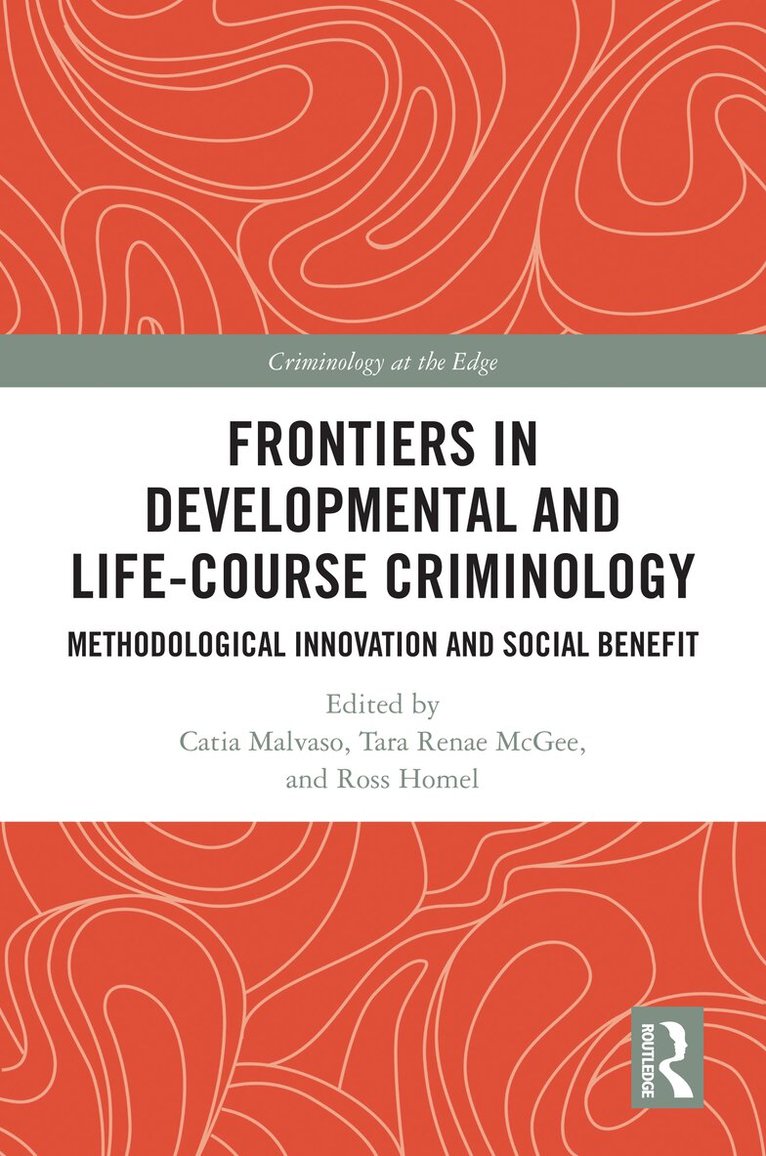
Frontiers in Developmental and Life-Course Criminology
Methodological Innovation and Social Benefit
Inbunden, Engelska, 2023
2 113 kr
Skickas inom 10-15 vardagar
Frontiers in Developmental and Life-Course Criminology advances the field of developmental and life-course criminology (DLC) by highlighting some recent methodological innovations, and exploring the ways in which DLC criminologists are helping to bridge the gap between science and service by their engagement with policymakers and government and non-government agencies.The book is united by three related themes: the use of new data sources including government administrative data systems, the development of intervention and prevention strategies grounded in DLC research, and resilience, prosocial behaviour, and strengths-based approaches.This book opens up new possibilities for the future of DLC research, orienting the DLC field as one that prioritises the achievement of better outcomes for individuals and society.
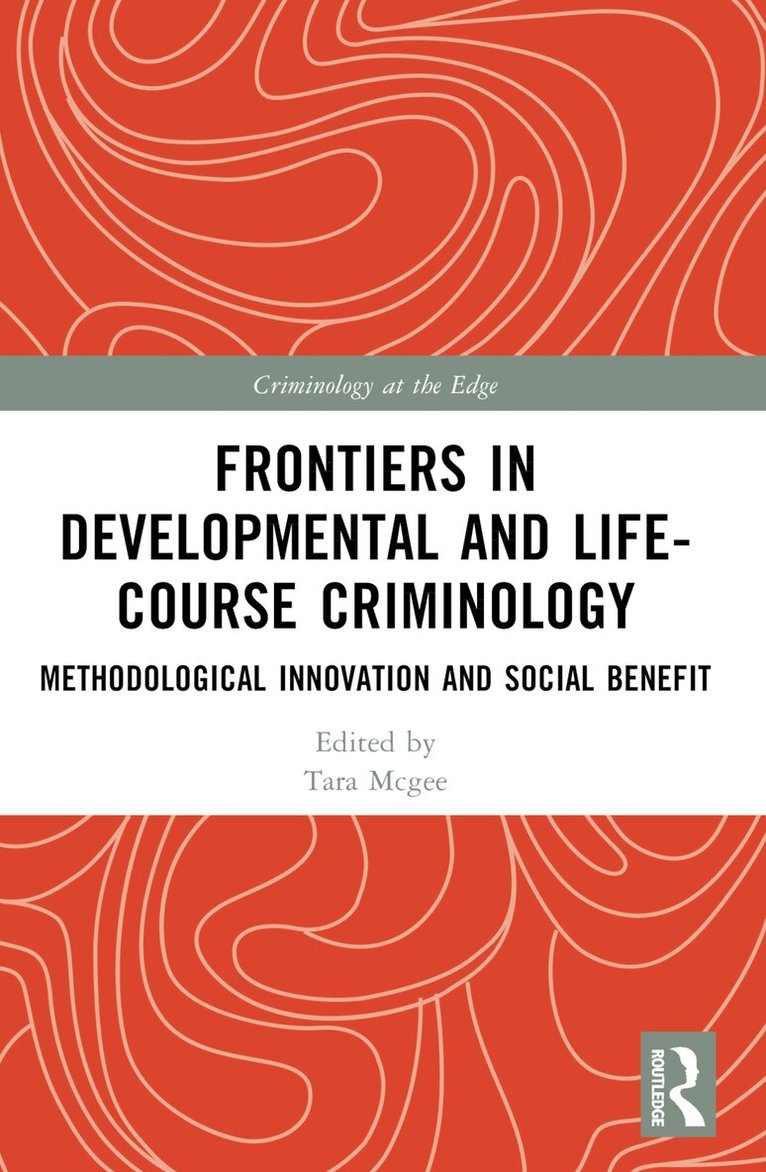
Frontiers in Developmental and Life-Course Criminology
Methodological Innovation and Social Benefit
Häftad, Engelska, 2025
632 kr
Skickas inom 10-15 vardagar
Frontiers in Developmental and Life-Course Criminology advances the field of developmental and life-course criminology (DLC) by highlighting some recent methodological innovations, and exploring the ways in which DLC criminologists are helping to bridge the gap between science and service by their engagement with policymakers and government and non-government agencies.The book is united by three related themes: the use of new data sources including government administrative data systems, the development of intervention and prevention strategies grounded in DLC research, and resilience, prosocial behaviour, and strengths-based approaches.This book opens up new possibilities for the future of DLC research, orienting the DLC field as one that prioritises the achievement of better outcomes for individuals and society.
569 kr
Skickas inom 10-15 vardagar
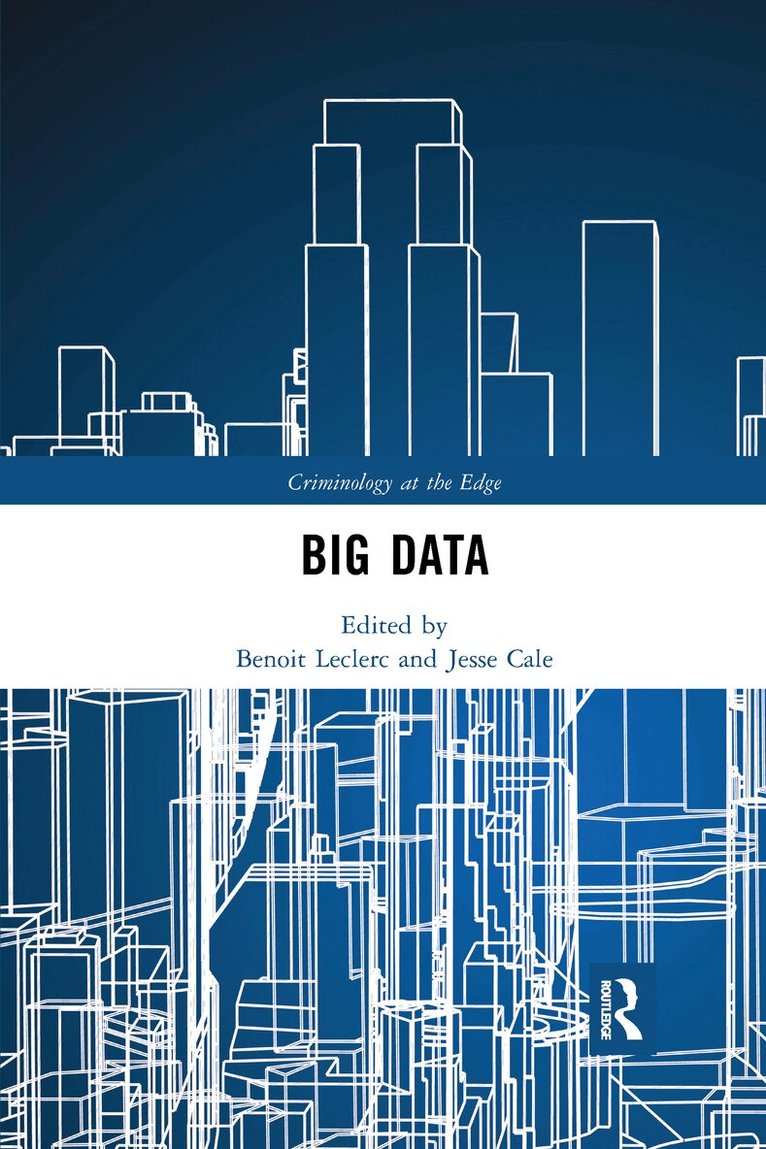
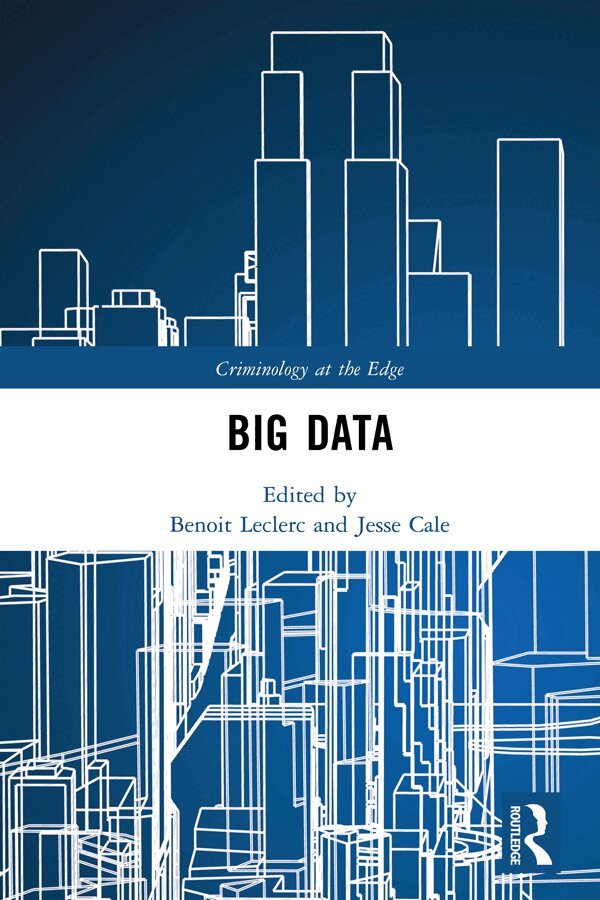
The internet has launched the world into an era into which enormous amounts of data aregenerated every day through technologies with both positive and negative consequences.This often refers to big data . This book explores big data in organisations operating in thecriminology and criminal justice fields.Big data entails a major disruption in the ways we think about and do things, whichcertainly applies to most organisations including those operating in the criminology andcriminal justice fields. Big data is currently disrupting processes in most organisations – howdifferent organisations collaborate with one another, how organisations develop productsor services, how organisations can identify, recruit, and evaluate talent, how organisationscan make better decisions based on empirical evidence rather than intuition, and howorganisations can quickly implement any transformation plan, to name a few.All these processes are important to tap into, but two underlying processes are criticalto establish a foundation that will permit organisations to flourish and thrive in the era ofbig data – creating a culture more receptive to big data and implementing a systematic dataanalytics-driven process within the organisation.Written in a clear and direct style, this book will appeal to students and scholars incriminology, criminal justice, sociology, and cultural studies but also to governmentagencies, corporate and non-corporate organisations, or virtually any other institutionimpacted by big data.
2 113 kr
Skickas inom 10-15 vardagar
The rational choice perspective (RCP) is currently the core theoretical approach underpinning situational crime prevention (SCP). To date, many crimes have been studied through the lens of RCP, which increased our understanding of these phenomena, how they are committed and how they could potentially be prevented through SCP. This book, designed with the hope of moving RCP forward for SCP purposes, takes a challenging but novel step in providing leading experts from different disciplines with the opportunity to express themselves on how we could best achieve this task. This book explores various perspectives, which include the development of frameworks based on the role of situations in crime or forensic sciences for improving crime prevention practices. The need to consider affective states and other offender-related factors to improve our understanding of offender decision-making models is highlighted as a means to better predict which SCP mechanisms may be most useful in discouraging particular types of offenders. Finally, it is also argued that the use of RCP should be more pragmatic and that this perspective should be preserved and adapted based on what we find in our experiments.Taken together, these theoretically distinctive and challenging contributions ultimately guide how crime prevention practices could be best approached in the future.
2 113 kr
Skickas inom 10-15 vardagar
The internet has launched the world into an era into which enormous amounts of data aregenerated every day through technologies with both positive and negative consequences.This often refers to big data . This book explores big data in organisations operating in thecriminology and criminal justice fields.Big data entails a major disruption in the ways we think about and do things, whichcertainly applies to most organisations including those operating in the criminology andcriminal justice fields. Big data is currently disrupting processes in most organisations – howdifferent organisations collaborate with one another, how organisations develop productsor services, how organisations can identify, recruit, and evaluate talent, how organisationscan make better decisions based on empirical evidence rather than intuition, and howorganisations can quickly implement any transformation plan, to name a few.All these processes are important to tap into, but two underlying processes are criticalto establish a foundation that will permit organisations to flourish and thrive in the era ofbig data – creating a culture more receptive to big data and implementing a systematic dataanalytics-driven process within the organisation.Written in a clear and direct style, this book will appeal to students and scholars incriminology, criminal justice, sociology, and cultural studies but also to governmentagencies, corporate and non-corporate organisations, or virtually any other institutionimpacted by big data.
2 113 kr
Skickas inom 10-15 vardagar
The Anthropocene signals a new age in Earth’s history, a human age, where we are revealed as a powerful force shaping planetary systems. What might criminology be in the Anthropocene? What does the Anthropocene suggest for future theory and practice of criminology? This book seeks to contribute to this research agenda by examining, contrasting and interrogating different vantage points, aspects and thinking within criminology.Bringing together a range of multidisciplinary chapters at the cutting edge of thinking and environmental rethinking in criminology, this book explores a mix of key intractable problems of the Anthropocene, including climate change and overexploitation of natural resources that cause environmental insecurities; crime and corruption; related human insecurity and fortressed spaces; and the rise of new risks and social harms. Of interest to scholars in the fields of criminology, sociology and environmental studies, this book provides readers with a basis for analysing the challenges of, and possible approaches to, the Anthropocene at all levels (local, national, regional and international) and discusses the future(s) of criminology for improving social policies and practices.