Elgar Studies in Law and Regulation - Böcker
Visar alla böcker i serien Elgar Studies in Law and Regulation. Handla med fri frakt och snabb leverans.
10 produkter
10 produkter
1 842 kr
Skickas inom 7-10 vardagar
Since the UK Gambling Act of 2005 was introduced, gambling has stopped being seen, politically and legally as an inherent vice and is now viewed as a legitimate form of entertainment. Gambling Regulation and Vulnerability explores the laws around gambling that aim to protect society and individuals, examining the differences between regulatory rhetoric and the impact of legislative and regulatory measures. Malgorzata Carran finds that although the Gambling Act introduced many positive changes to gambling regulation, it has created an environment in which protection of vulnerable individuals becomes difficult. Carran challenges the existing legislative premise that regulation alone is able to balance the effect of liberalisation for those who are vulnerable.Uniquely, this book’s findings are underpinned by empirical data from focus groups carried out with children and young people in secondary schools. The young people interviewed have experienced the transition from a contained, to liberalised gambling industry and unless there is a reversal in policy, no comparable empirical data is ever likely to be collected.This title will appeal to academics exploring regulation, sociology, and law and society. Similarly, regulators and those working with the gambling industry will find this an insightful and illuminating text.
2 126 kr
Skickas inom 7-10 vardagar
This book explores the interplay between regulation and emerging technologies in the context of synthetic biology, a developing field that promises great benefits, and has already yielded fuels and medicines made with designer micro-organisms. For all its promise, however, it also poses various risks. Investigating the distinctiveness of synthetic biology and the regulatory issues that arise, Alison McLennan questions whether synthetic biology can be regulated within existing structures or whether new mechanisms are needed. Adopting an interdisciplinary approach, McLennan draws on diverse areas of law, the science of synthetic biology and the history and sociology of science. She concludes that synthetic biology presents novel regulatory challenges relating to environmental risk, biosafety, biosecurity and intellectual property. These challenges arise from the uniqueness of the science, the nature of its communities of scientists (including citizen scientists or 'biobunks') and the uncertainty surrounding possible hazards. Some scientists see intellectual property protection as a way to push innovation forward (bioentrepreneurs), while others openly share synthetic biology tools such as BioBricks. By understanding the range of regulatory challenges, the book make a case for enhanced regulation that protects us from synthetic biology's risks, whilst capturing its potential to improve our world. Regulation of Synthetic Biology will be essential reading for academics and students in the social sciences and law, as well as for scientists working in synthetic biology, and policymakers in innovation, science and the regulation of these fields.
1 708 kr
Skickas inom 7-10 vardagar
This topical book critically examines the regulatory framework for generic Top-Level Domains (gTLDs) on the Internet. The regulation drawn up by the Internet Corporation for Assigned Names and Numbers (ICANN) applies at a global level, complementing national and international law. These rules form part of a growing body of transnational private regulation. Generic Top-Level Domains offers a clear and engaging analysis of how ICANN has tackled a diverse set of regulatory issues related to the introduction of new gTLDs, such as property rights, competition and consumer protection. Studying recent case law, the book argues for a stronger focus on procedural fairness for future introductions of new gTLDs. It also highlights how ICANN's contractual framework regulates the registration and use of domain names and argues that ICANN's regulatory authority ought to be clarified in order to avoid regulatory overreach.Uniquely comprehensive, this book will appeal to students and scholars with an interest in Internet governance, domain name law and transnational private regulation. Practitioners working in the domain name industry will also find this a valuable resource.
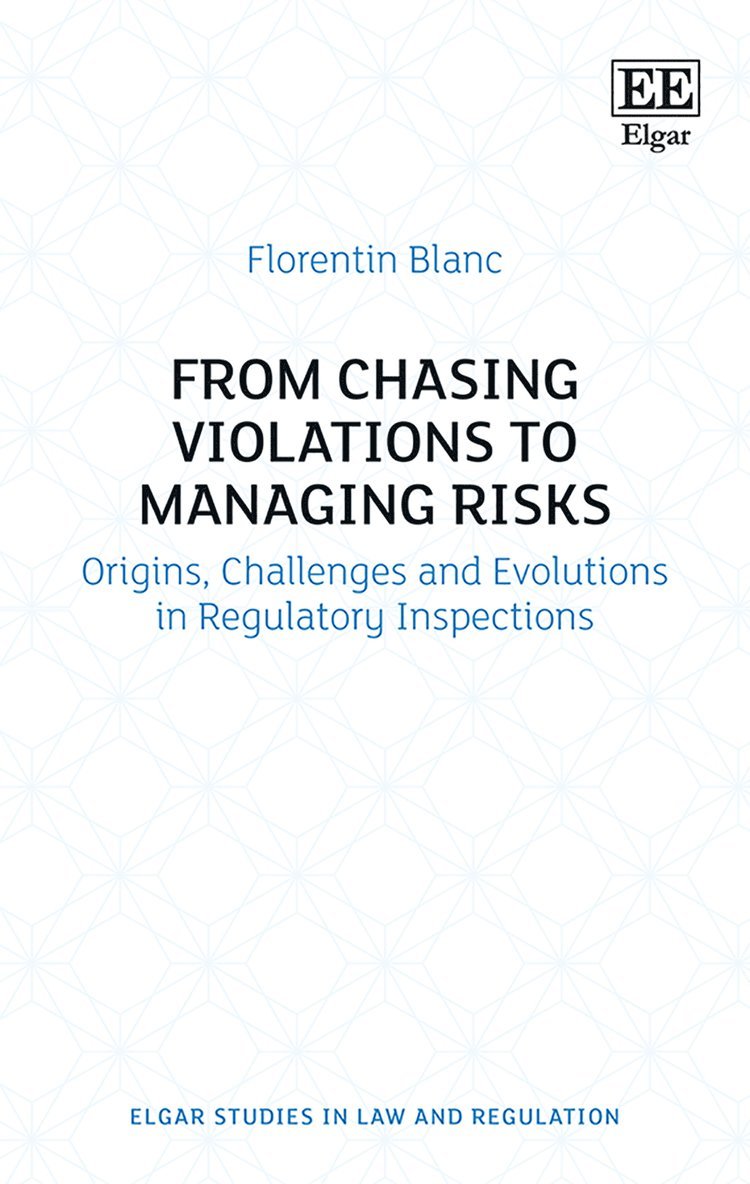
From Chasing Violations to Managing Risks
Origins, Challenges and Evolutions in Regulatory Inspections
Inbunden, Engelska, 2018
1 947 kr
Skickas inom 7-10 vardagar
Government rules and inspectors can be an important tool to ensure trust in markets, and to protect citizens against hazards. There is, however, a perception that businesses and individuals only comply with rules because of the threat of punishment. From Chasing Violations to Managing Risks examines what actually makes people change their behaviour and how to effectively achieve the objectives of regulations.Building on decades of research, Florentin Blanc examines the development of inspection institutions and their practices, and assesses their varying effectiveness, and the reasons behind this. Bringing together historical, theoretical, and practical perspectives, Blanc provides '‘large scale’' testing of models through comparative case studies considering practices and their outcomes. By examining case studies, Blanc also assesses how inspection institutions might accomplish better results with less bureaucracy, comparing in particular occupational safety across France, Germany and Great Britain, identifying the key differences between the three, and asking how Britain has achieved a better safety record with fewer inspections (but more efforts to manage risks through other instruments).This book will be invaluable for practitioners of regulatory reform and public administration, as well as for students and researchers of these topics who will benefit from the unique synthesis of historical, theoretical and practical perspectives on the subject.
1 499 kr
Skickas inom 7-10 vardagar
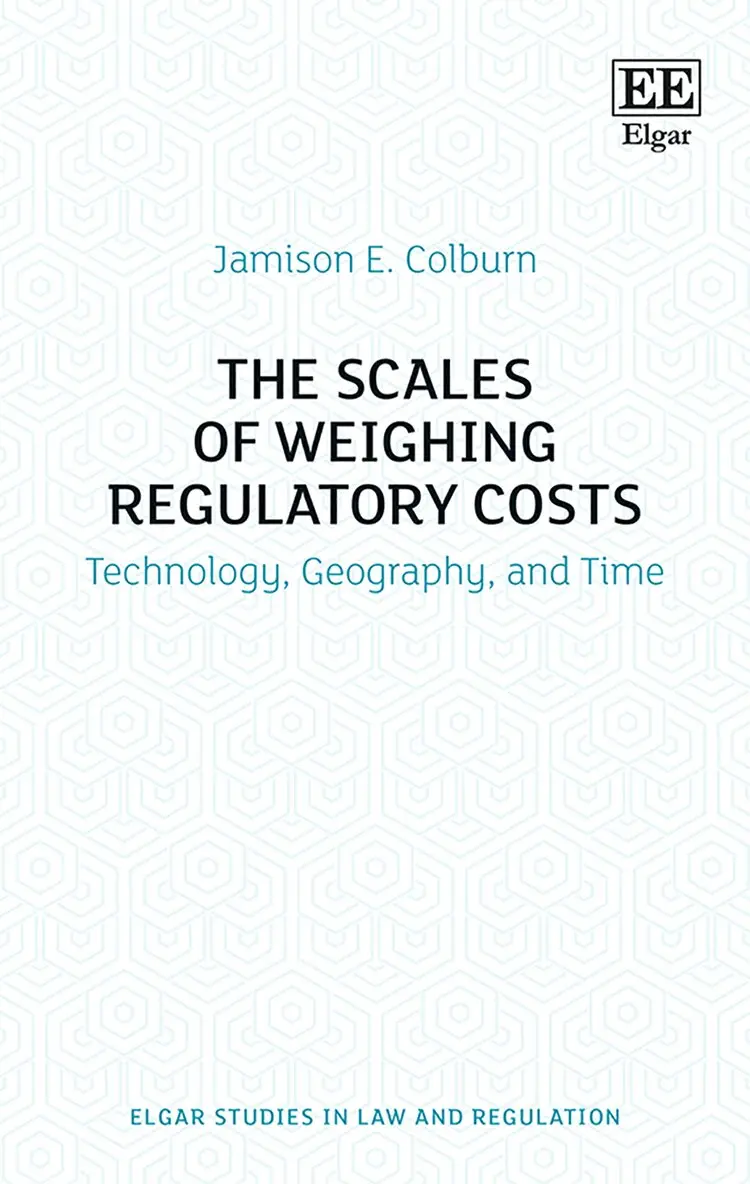
This book examines the calculation and evaluation of regulatory costs by regulators in accordance with a legislative mandate. A serious limitation in that enterprise, the possibility of technological change and innovation, often compromises those efforts and has long been under-appreciated in standard 'cost-benefit analysis.' Regulators who study the inducement of innovation and the avoidance of regulatory costs by the regulated often find significant cost-saving opportunities, leading to more stringent and more effective risk governance. Ultimately, the weighing of costs in this more elaborate model is more than simple welfare maximization. It views regulatory costs as important to society for a range of reasons, some grounded in fairness and some in deliberative process values, as a society seeks to minimize all costs over time. This analysis places the weighing of regulatory costs in context by comparing cost calculation methods and evaluative tools in three illuminating case studies. It assesses cost-factoring methods under different normative frameworks and highlights the role of technological innovation in cost minimization over time while considering regulatory costs that result from multiple regulatory tool choices. A single regulatory cost investigation is tracked from agency to legislative back to agency choice, outlining the steps to consensus-oriented cost factoring methods.Academic and professional lawyers in fields like environmental protection, food and drug safety, and workplace safety will find this an invaluable resource, as will researchers in disciplines dealing with judicial choice from economic or political theoretical frameworks and regulatory agencies charged with regulating risks.
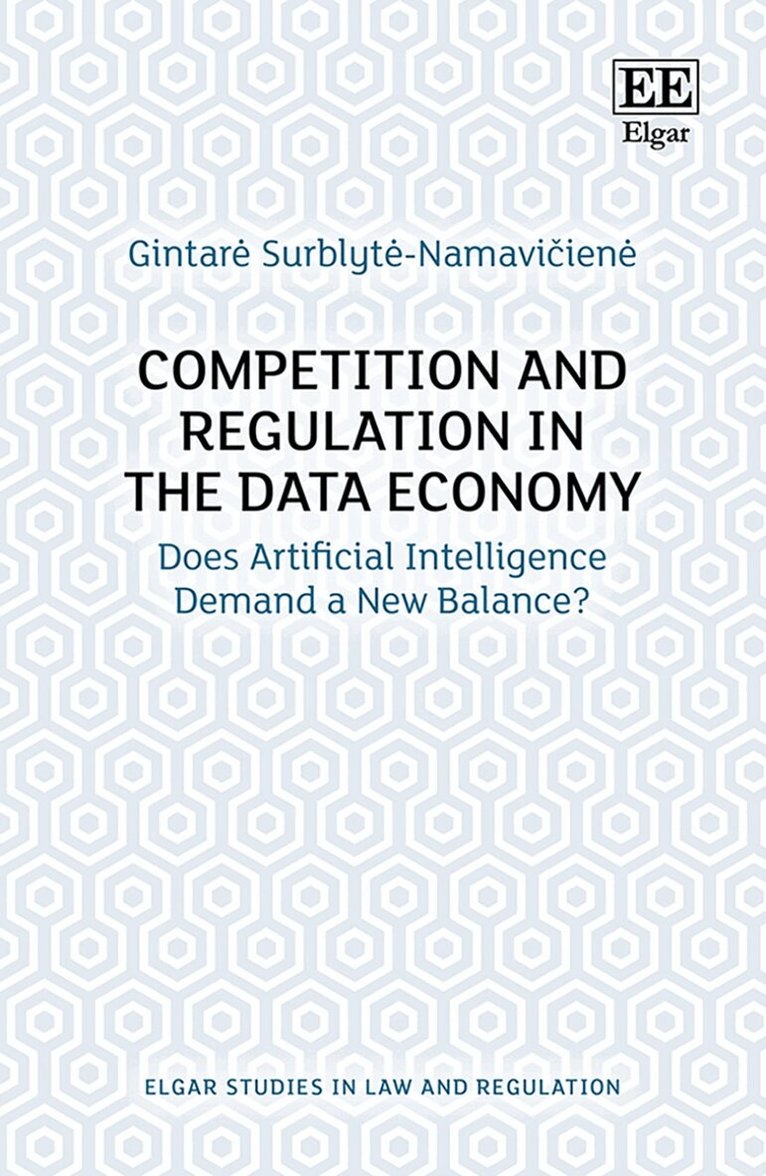
Competition and Regulation in the Data Economy
Does Artificial Intelligence Demand a New Balance?
Inbunden, Engelska, 2020
1 663 kr
Skickas inom 7-10 vardagar
This incisive book provides a much-needed examination of the legal issues arising from the data economy, particularly in the light of the expanding role of algorithms and artificial intelligence in business and industry. In doing so, it discusses the pressing question of how to strike a balance in the law between the interests of a variety of stakeholders, such as AI industry, businesses and consumers.Investigating issues at the intersection of trade secrets and personal data as well as the potential legal conflicts to which this can give rise, Gintare Surblyte-Namaviciene examines what kinds of changes to the legal framework the growing data economy may require. Through an analysis of the way in which EU competition law may tackle algorithm-related problems the book also identifies a regulatory gap in the case of algorithmic manipulation in the business-to-consumer relationship. The book further argues that control by public bodies over terms and conditions often used in the data economy may be necessary for the sake of consumer protection.Scholars in competition law and regulatory governance, particularly those with an interest in the impacts of technology, will find this to be critical reading. It will also be beneficial to practitioners and policy makers working at the intersections of regulation and technology.
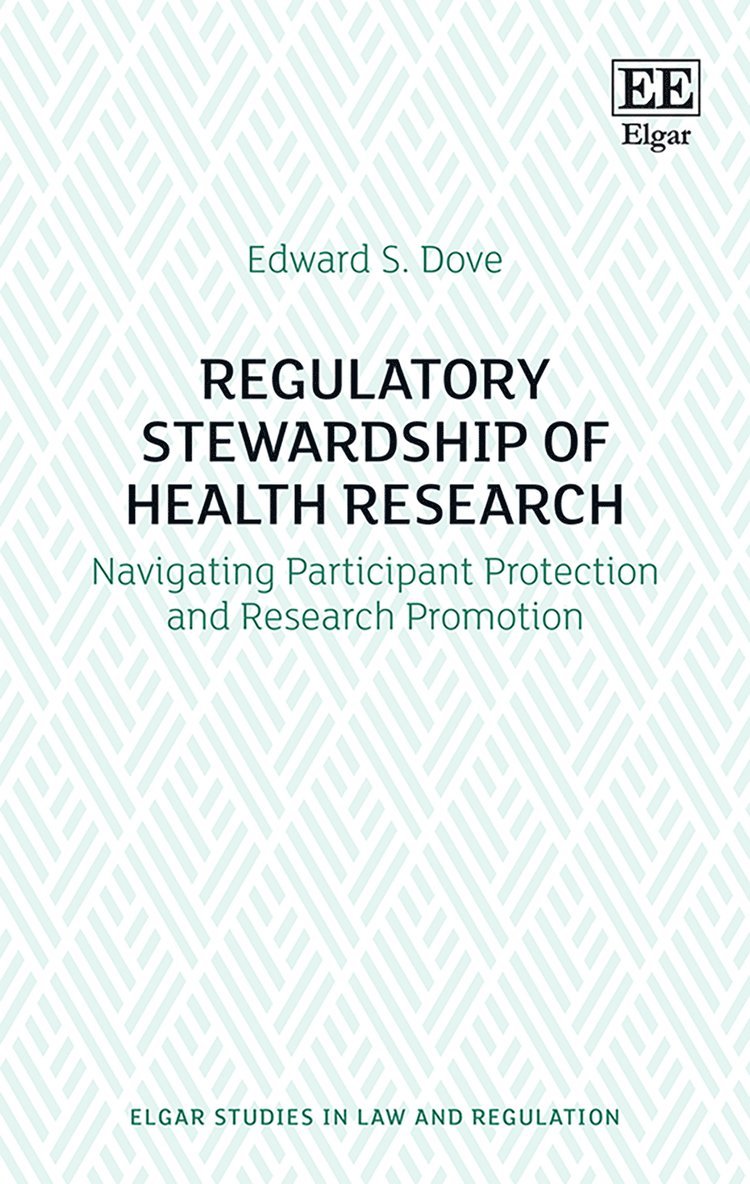
Regulatory Stewardship of Health Research
Navigating Participant Protection and Research Promotion
Inbunden, Engelska, 2020
1 514 kr
Skickas inom 7-10 vardagar
This timely book examines the interaction of health research and regulation with law through empirical analysis and the application of key anthropological concepts to reveal the inner workings of human health research. Through ground-breaking empirical inquiry, Regulatory Stewardship of Health Research explores how research ethics committees (RECs) work in practice to both protect research participants and promote ethical research.This thought-provoking book provides new perspectives on the regulation of health research by demonstrating how RECs and other regulatory actors seek to fulfil these two functions by performing a role of 'regulatory stewardship'. This involves guiding researchers through stages of research approval, as well as seeking to maximise benefits for participants and society while minimising risks. Arguing that participant protection and research promotion should rightly be treated as twin objectives for health research regulators, this book asserts that there is a need for more overt recognition of the importance and function of the deliberative space in which RECs can negotiate the risks relevant to a research application.This book is a key resource for academics and students interested in health research and regulation, and the dynamic interaction of ethics and the law. Regulators and policy-makers will also find it to be an insightful and illuminating text for the practical insights that it reveals about research governance in action.
1 245 kr
Skickas inom 7-10 vardagar
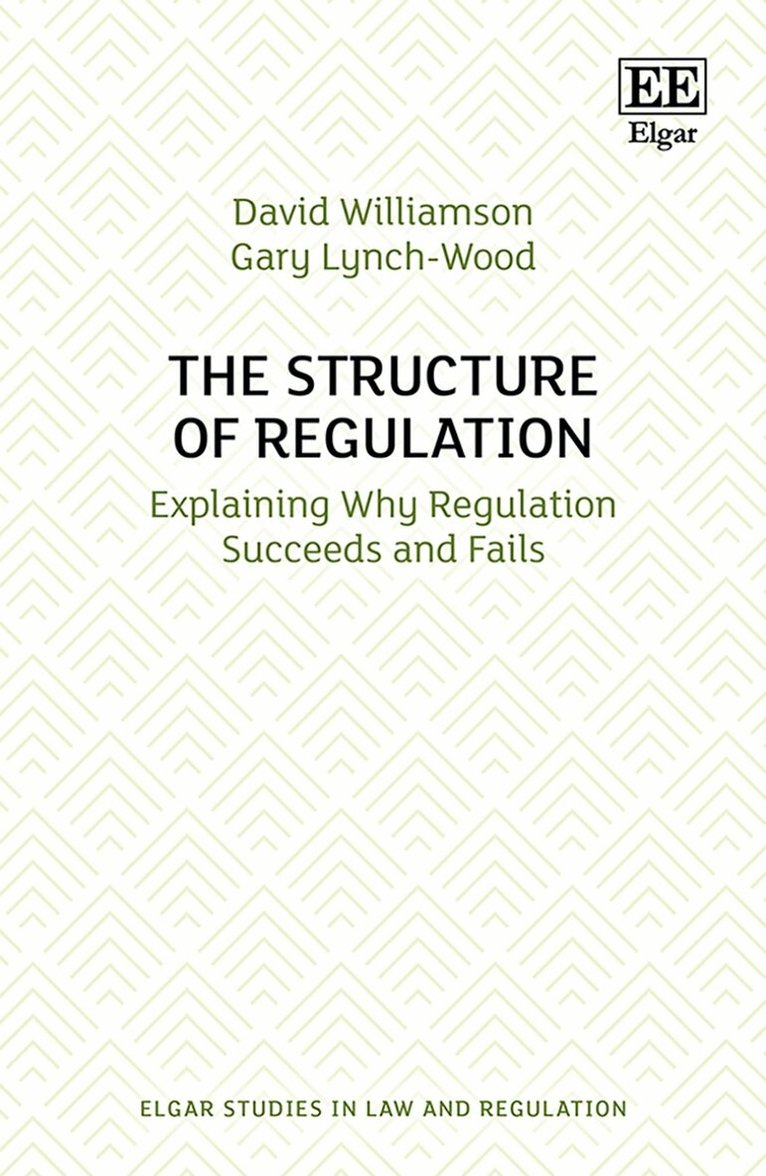
This timely and original book provides an exploration of the factors that combine to determine the form of regulatory problems and the overall success or failure of regulation. Using environmental regulation as a basis for analysis, this book puts forward a theoretical framework for the design of effective regulation and demonstrates how businesses’ compliance with environmental regulation, in particular, could be improved.The authors address previous shortcomings in regulatory explanations, which have frequently overlooked the structural character of regulation and underplayed how the factors involved work together to determine regulatory shape and performance. In seeking to address this deficit, the authors develop a compliance line to demonstrate how different choices on how to regulate will affect compliance outcomes. Chapters include a review of how regulation has changed and sought to improve over the years, the relationship between rule following and regulation, how regulation incorporates and relies on necessary conditions, an identification of the trade-offs involved in regulating, and a discussion of why regulation is, by necessity and to a degree, unfair.Providing theories for how regulation can be structured to improve compliance, The Structure of Regulation will be a key resource for students and academics in the fields of law and regulation, environment studies, public policy and political science.
1 245 kr
Skickas inom 7-10 vardagar
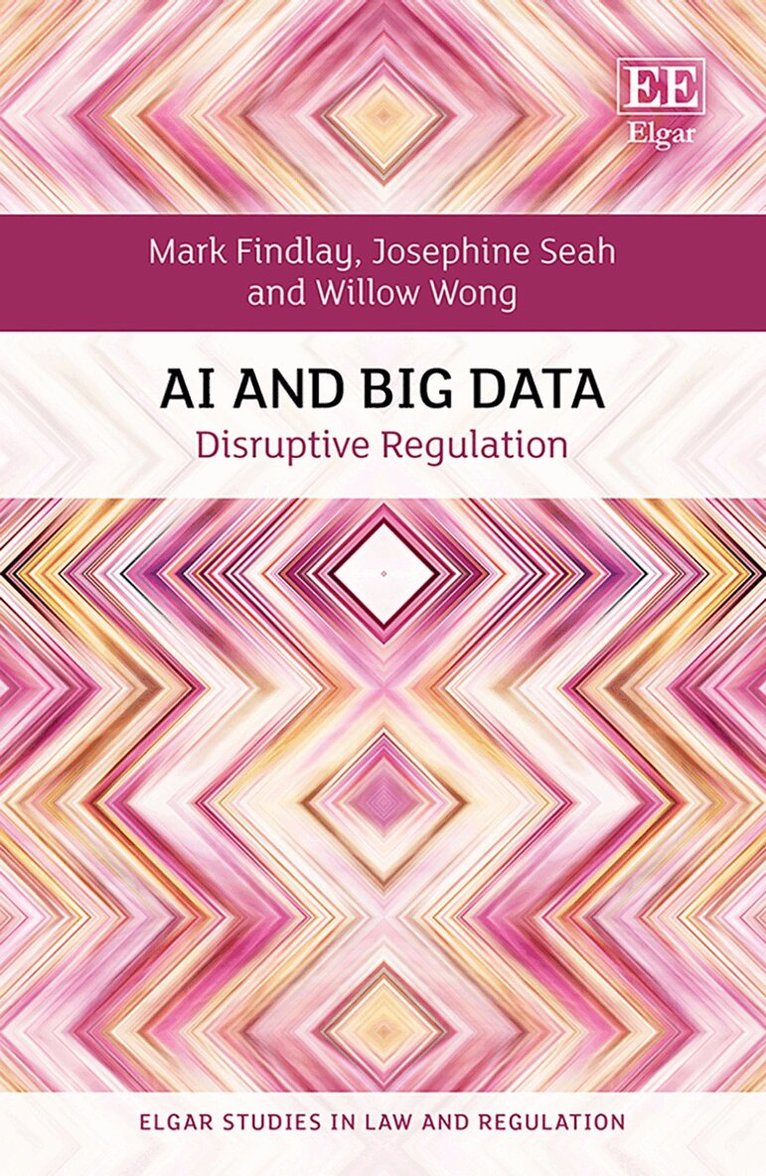
This provocative and timely book identifies and disrupts the conventional regulation and governance discourses concerning AI and big data. It suggests that, instead of being used as tools for exclusionist commercial markets, AI and big data can be employed in governing digital transformation for social good. Analysing the ways in which global technology companies have colonised data access, the book reveals how trust, ethics, and digital self-determination can be reconsidered and engaged to promote the interests of marginalised stakeholders in data arrangement. Chapters examine the regulation of labour engagement in digital economies, the landscape of AI ethics, and a multitude of questions regarding participation, costs, and sustainability. Presenting several informative case studies, the book challenges some of the accepted qualifiers of frontier tech and data use and proposes innovative ways of actioning the more conventional regulatory components of big data. Scholars and students in information and media law, regulation and governance, and law and politics will find this book to be critical reading. It will also be of interest to policymakers and the AI and data science community.
1 872 kr
Skickas inom 7-10 vardagar
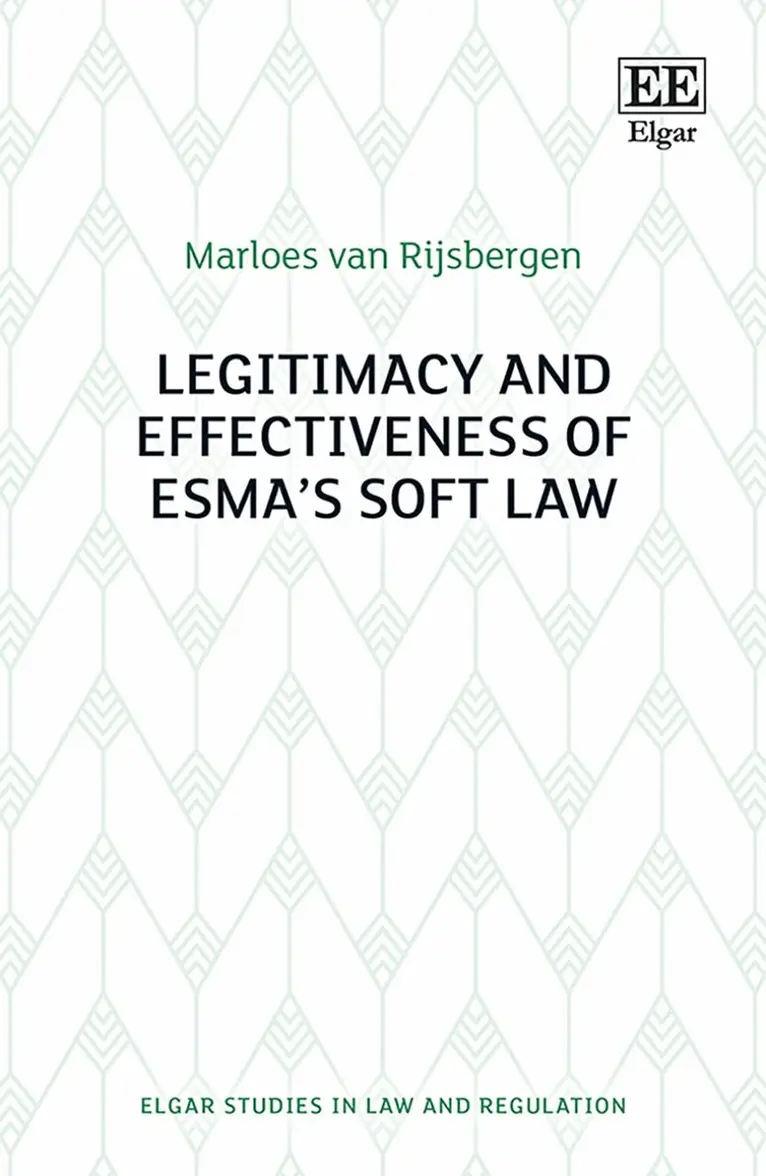
This timely book explores pertinent questions around the legitimacy and effectiveness of EU agencies’ soft law, with a particular focus on the European Securities and Markets Authority (ESMA). It examines the variety of ESMA’s existing and newly granted soft law-making powers, which were intended to deal with the lack of effectiveness of its predecessor but are now called into question due to the ‘hard’ effect of these soft laws.Built on a combination of theoretical analysis and first-hand practical experience, Marloes van Rijsbergen tests the framework for each category of ESMA’s soft law instruments at each stage of the policy cycle, demonstrating that the framework can be applied to other EU agencies with similar soft law-making powers. This unique framework assesses which procedural and institutional safeguards regarding EU agencies' soft law would reflect an adequate balancing of both legitimacy and effectiveness concerns.Comprehensive yet accessible, this book will be a key resource for students and scholars of EU financial law, constitutional law, public administration and governance. Providing an evaluation of the legal nature of ESMA’s soft law acts in the context of the financial sector, it will also prove valuable for practitioners, compliance officers and parties establishing other EU agencies.