Josephine Seah – författare
Visar alla böcker från författaren Josephine Seah. Handla med fri frakt och snabb leverans.
4 produkter
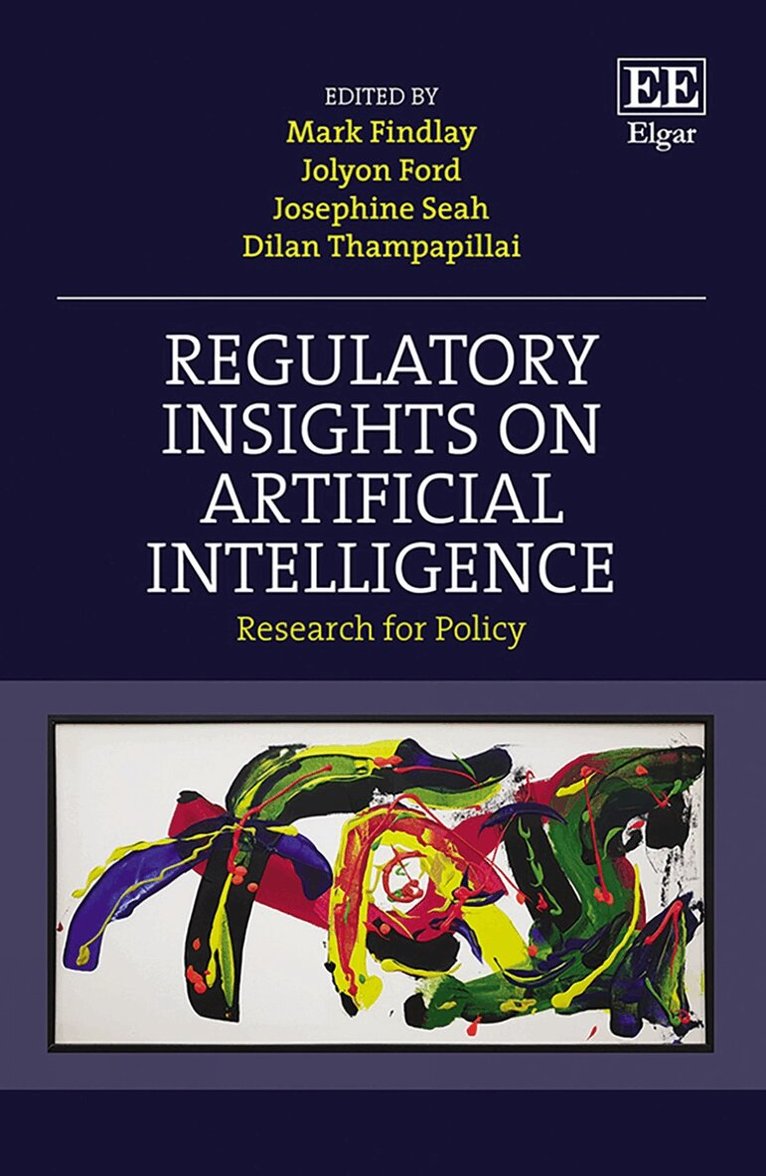
Regulatory Insights on Artificial Intelligence
Research for Policy
Av Mark Findlay, Jolyon Ford m. fl.
Inbunden, 2022
1843 kr
Lägg i varukorg
This provocative book investigates the relationship between law and artificial intelligence (AI) governance, and the need for new and innovative approaches to regulating AI and big data in ways that go beyond market concerns alone and look to sustainability and social good. Taking a …
Regulatory Insights on Artificial Intelligence
Research for Policy
Av Dilan Thampapillai, Josephine Seah m. fl.
E-bok, 2022
422 kr
Lägg i varukorg
This provocative book investigates the relationship between law and artificial intelligence (AI) governance, and the need for new and innovative approaches to regulating AI and big data in ways that go beyond market concerns alone and look to sustainability and social good. Taking a …
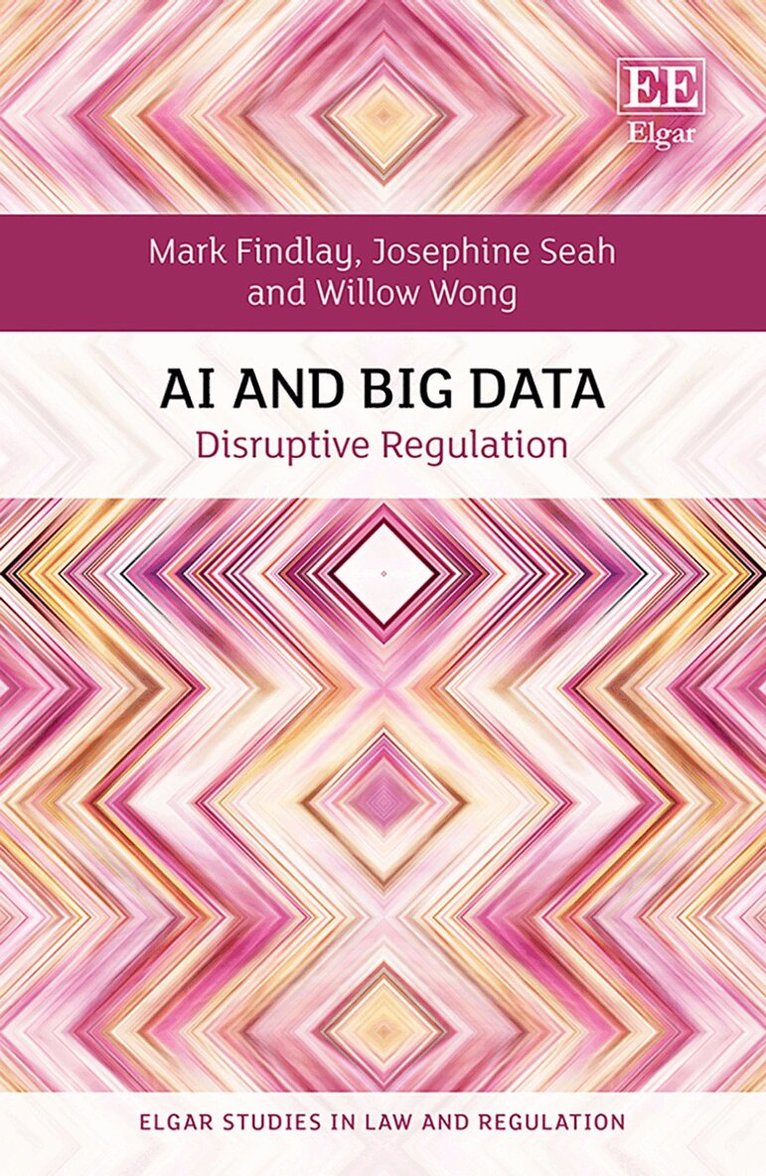
AI and Big Data
Disruptive Regulation
Av Mark Findlay, Josephine Seah m. fl.
Inbunden, 2023
1321 kr
Lägg i varukorg
This provocative and timely book identifies and disrupts the conventional regulation and governance discourses concerning AI and big data. It suggests that, instead of being used as tools for exclusionist commercial markets, AI and big data can be employed in governing digital transformation for …
AI and Big Data
Disruptive Regulation
Av Willow Wong, Josephine Seah m. fl.
E-bok, 2023
422 kr
Lägg i varukorg
This provocative and timely book identifies and disrupts the conventional regulation and governance discourses concerning AI and big data. It suggests that, instead of being used as tools for exclusionist commercial markets, AI and big data can be employed in governing digital transformation for …