Empire and Frontiers – serie
Visar alla böcker i serien Empire and Frontiers. Handla med fri frakt och snabb leverans.
6 produkter
6 produkter
2 182 kr
Skickas inom 10-15 vardagar
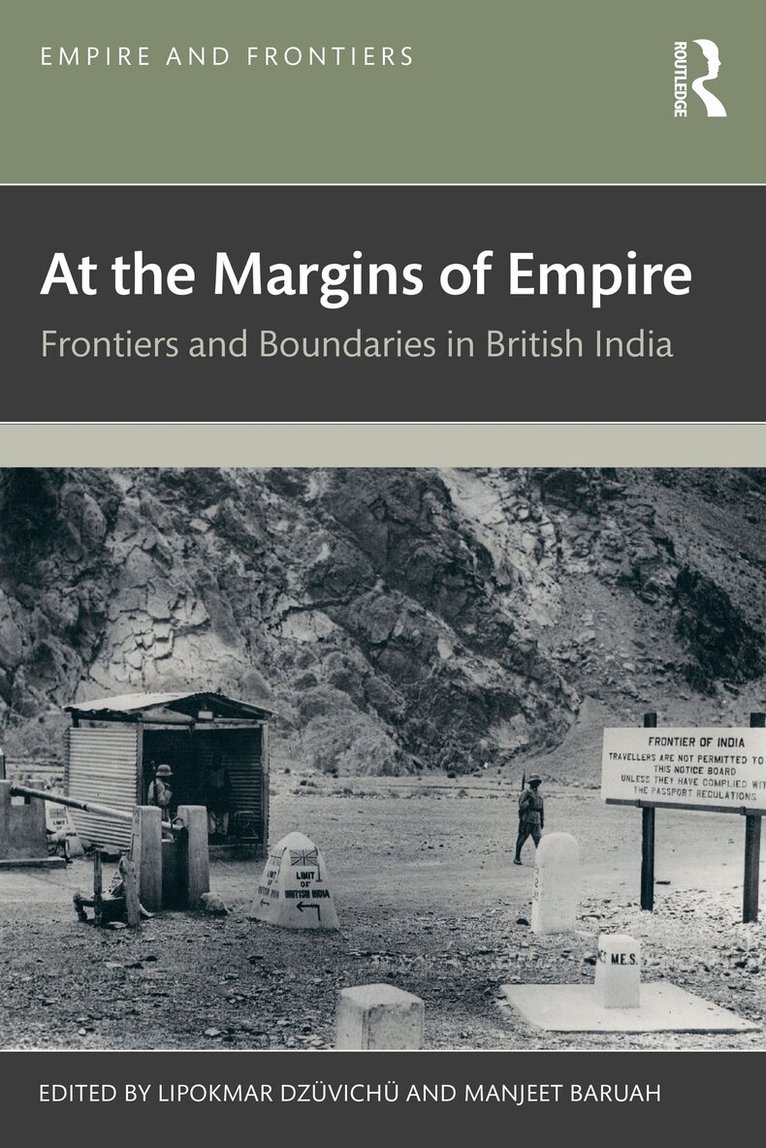
Empire building in British India was inseparably tied to the processes of frontier-making and the creation of boundaries. Through a range of complex practices and developments, the constitution of these spaces took shape at various historical conjunctures. The making of these spaces was also shaped by a variety of imperial concerns, including local and global processes, connections, and entanglements. Focusing on the period between the 19th and the early 20th centuries, this book looks at how the dynamics of frontier and boundary creation were shaped by a variety of agents, institutions, infrastructure and technologies, events, economy, travel, forms of representation, and imperial rivalries. The role of capital, war, and violence was also intrinsic to the creation of such spaces. Further, societies in these spaces responded to these processes in various ways. The book examines how they negotiated and mediated these complex developments of modern space-making in multiple ways at the margins of empire.Part of the Empire and Frontiers series, this book will be of interest to researchers and readers of history, anthropology, cultural studies, social and cultural history, frontiers, boundaries and borderland studies, Himalayan studies, and studies of commodities and circulations.
2 252 kr
Skickas inom 10-15 vardagar
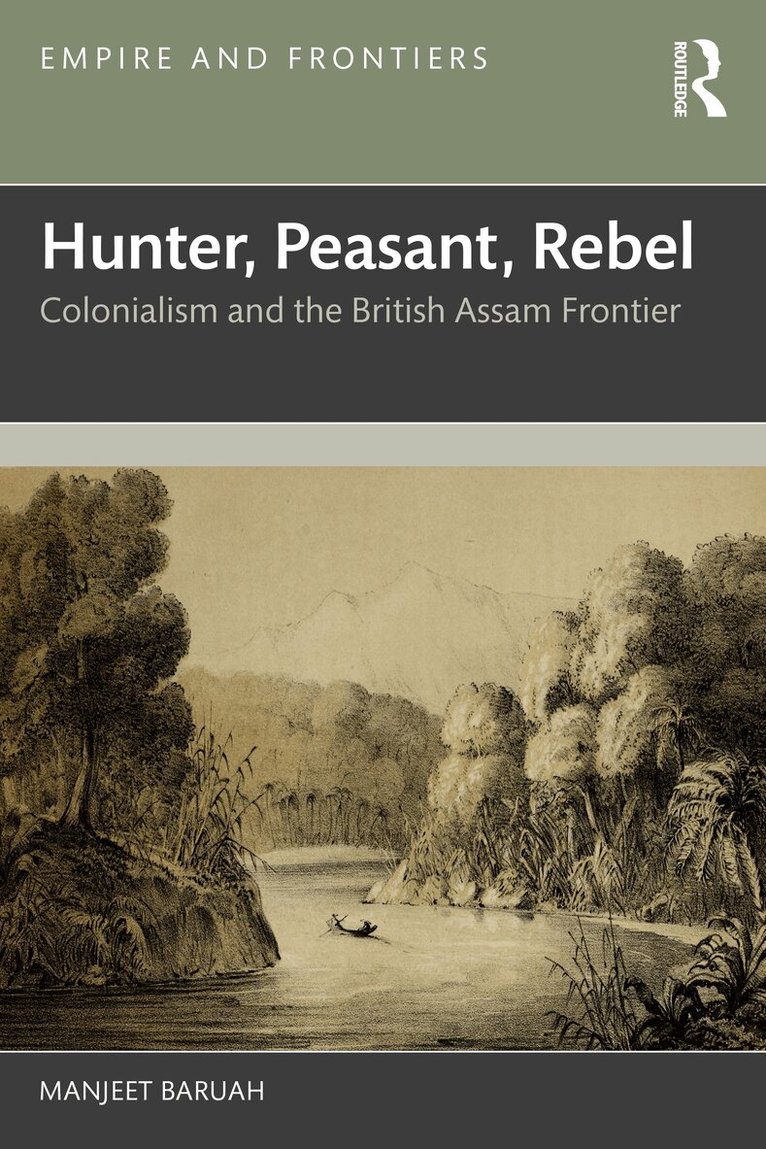
British Assam holds an important place in the history of the British Empire in South Asia. This is especially so in the context of colonial frontier- making. It is in this regard that the book examines what it culturally meant to be a hunter, peasant or rebel between the late nineteenth and mid-twentieth centuries in the British Assam frontier. The book highlights that these figures are of conceptual significance. While the figures were of contrastive nature, the complexity of underlying relations through and in which British colonialism constituted and reproduced itself in Assam could be uncovered from a study of these contrastive figures. Using a wide spectrum of archival sources, the hunters’ memoirs, the peasants’ ballads and a rebel’s worldview are examined as the cultural forms through which one can study these relations that generated the sense of colonial reality in these figures. Through these issues, the book examines what constituted the nature of the British Assam frontier, and how colonialism and capitalism shaped and reproduced an imperial frontier.Part of the Empire and Frontiers book series, this book will be of great interest to students and researchers of history, cultural studies, anthropology, literary studies, frontiers and borderland studies and South Asian studies.
2 312 kr
Kommande
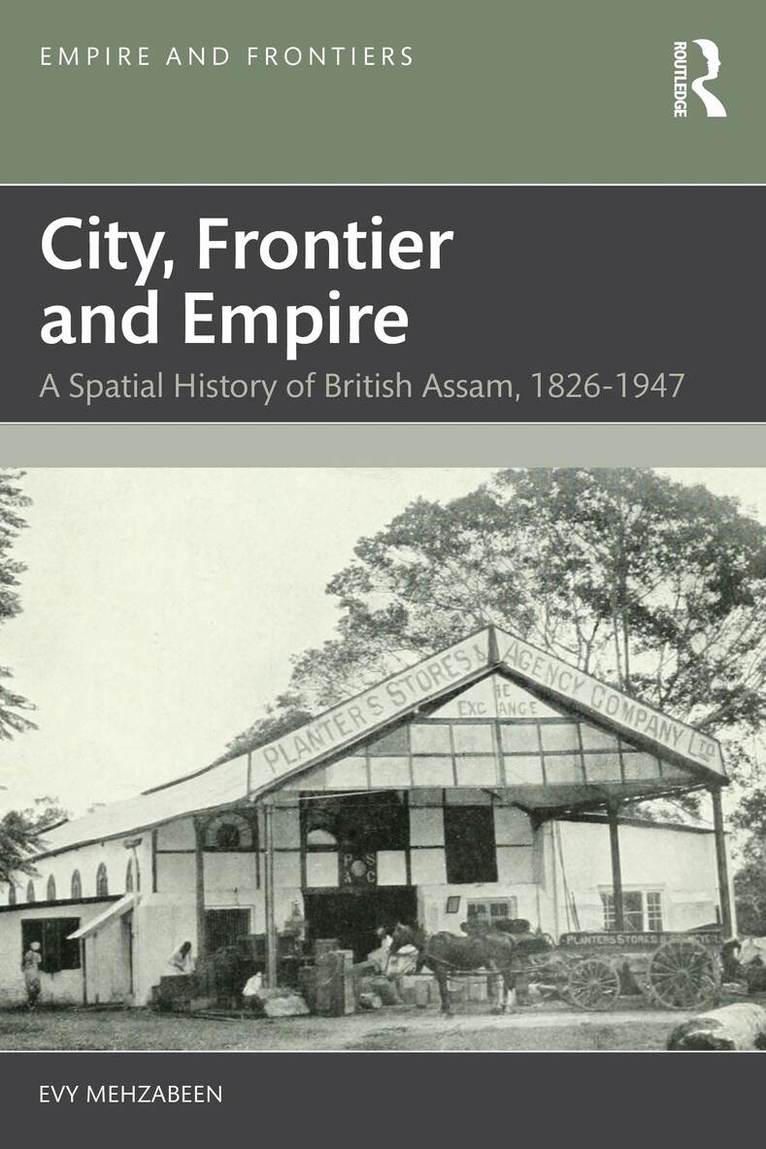
Frontiers are dynamic geographical spaces where state-building and geopolitical control continuously shape complex social imaginations. The British Empire's construction of frontiers in South Asia represents one of history's most consequential exercises in territorial control and cultural transformation. The eastern Himalayas, a natural frontier separating China from South Asia, became a site of contested ambitions enacted, imposed, and resisted both within and beyond imperialist control. This geographical region remains a critical focus for understanding the interplay of imperial forces and frontier dynamics.Set in British India's Northeastern Frontier Region, this book examines urban emergence from colonial annexation in 1826 through independence in 1947. Drawing on archival sources and colonial cartography, it traces how key towns materialized along India's northeastern frontier as instruments of imperial control. The study reveals how British perceptions of the Brahmaputra valley as a navigable corridor through the formidable Eastern Himalayas drove strategic urbanization. Through an in-depth analysis of Dibrugarh, the book illuminates frontier urbanism shaped by resource extraction, military conflict, and racialized spatial segregation—introducing the concept of ‘frontier urbanism’ to explain how peripheral towns functioned within imperial networks.Part of the Empire and Frontiers series, this book is essential for scholars and students of history, anthropology, borderland studies, cultural studies, imperial history, and the humanities. It offers critical perspectives on how colonial spatial practices continue to influence contemporary geopolitics in Asia's borderlands, making it valuable for researchers examining empire, territoriality, and the enduring legacies of colonial urbanism.
596 kr
Skickas inom 10-15 vardagar
British Assam holds an important place in the history of the British Empire in South Asia. This is especially so in the context of colonial frontier- making. It is in this regard that the book examines what it culturally meant to be a hunter, peasant or rebel between the late nineteenth and mid-twentieth centuries in the British Assam frontier. The book highlights that these figures are of conceptual significance. While the figures were of contrastive nature, the complexity of underlying relations through and in which British colonialism constituted and reproduced itself in Assam could be uncovered from a study of these contrastive figures. Using a wide spectrum of archival sources, the hunters’ memoirs, the peasants’ ballads and a rebel’s worldview are examined as the cultural forms through which one can study these relations that generated the sense of colonial reality in these figures. Through these issues, the book examines what constituted the nature of the British Assam frontier, and how colonialism and capitalism shaped and reproduced an imperial frontier.Part of the Empire and Frontiers book series, this book will be of great interest to students and researchers of history, cultural studies, anthropology, literary studies, frontiers and borderland studies and South Asian studies.
632 kr
Kommande
Frontiers are dynamic geographical spaces where state-building and geopolitical control continuously shape complex social imaginations. The British Empire's construction of frontiers in South Asia represents one of history's most consequential exercises in territorial control and cultural transformation. The eastern Himalayas, a natural frontier separating China from South Asia, became a site of contested ambitions enacted, imposed, and resisted both within and beyond imperialist control. This geographical region remains a critical focus for understanding the interplay of imperial forces and frontier dynamics.Set in British India's Northeastern Frontier Region, this book examines urban emergence from colonial annexation in 1826 through independence in 1947. Drawing on archival sources and colonial cartography, it traces how key towns materialized along India's northeastern frontier as instruments of imperial control. The study reveals how British perceptions of the Brahmaputra valley as a navigable corridor through the formidable Eastern Himalayas drove strategic urbanization. Through an in-depth analysis of Dibrugarh, the book illuminates frontier urbanism shaped by resource extraction, military conflict, and racialized spatial segregation—introducing the concept of ‘frontier urbanism’ to explain how peripheral towns functioned within imperial networks.Part of the Empire and Frontiers series, this book is essential for scholars and students of history, anthropology, borderland studies, cultural studies, imperial history, and the humanities. It offers critical perspectives on how colonial spatial practices continue to influence contemporary geopolitics in Asia's borderlands, making it valuable for researchers examining empire, territoriality, and the enduring legacies of colonial urbanism.
596 kr
Skickas inom 10-15 vardagar
Empire building in British India was inseparably tied to the processes of frontier-making and the creation of boundaries. Through a range of complex practices and developments, the constitution of these spaces took shape at various historical conjunctures. The making of these spaces was also shaped by a variety of imperial concerns, including local and global processes, connections, and entanglements. Focusing on the period between the 19th and the early 20th centuries, this book looks at how the dynamics of frontier and boundary creation were shaped by a variety of agents, institutions, infrastructure and technologies, events, economy, travel, forms of representation, and imperial rivalries. The role of capital, war, and violence was also intrinsic to the creation of such spaces. Further, societies in these spaces responded to these processes in various ways. The book examines how they negotiated and mediated these complex developments of modern space-making in multiple ways at the margins of empire.Part of the Empire and Frontiers series, this book will be of interest to researchers and readers of history, anthropology, cultural studies, social and cultural history, frontiers, boundaries and borderland studies, Himalayan studies, and studies of commodities and circulations.