Environment & Chemistry – serie
Visar alla böcker i serien Environment & Chemistry. Handla med fri frakt och snabb leverans.
4 produkter
4 produkter
Inbunden, Engelska, 1995
1 620 kr
Skickas inom 10-15 vardagar
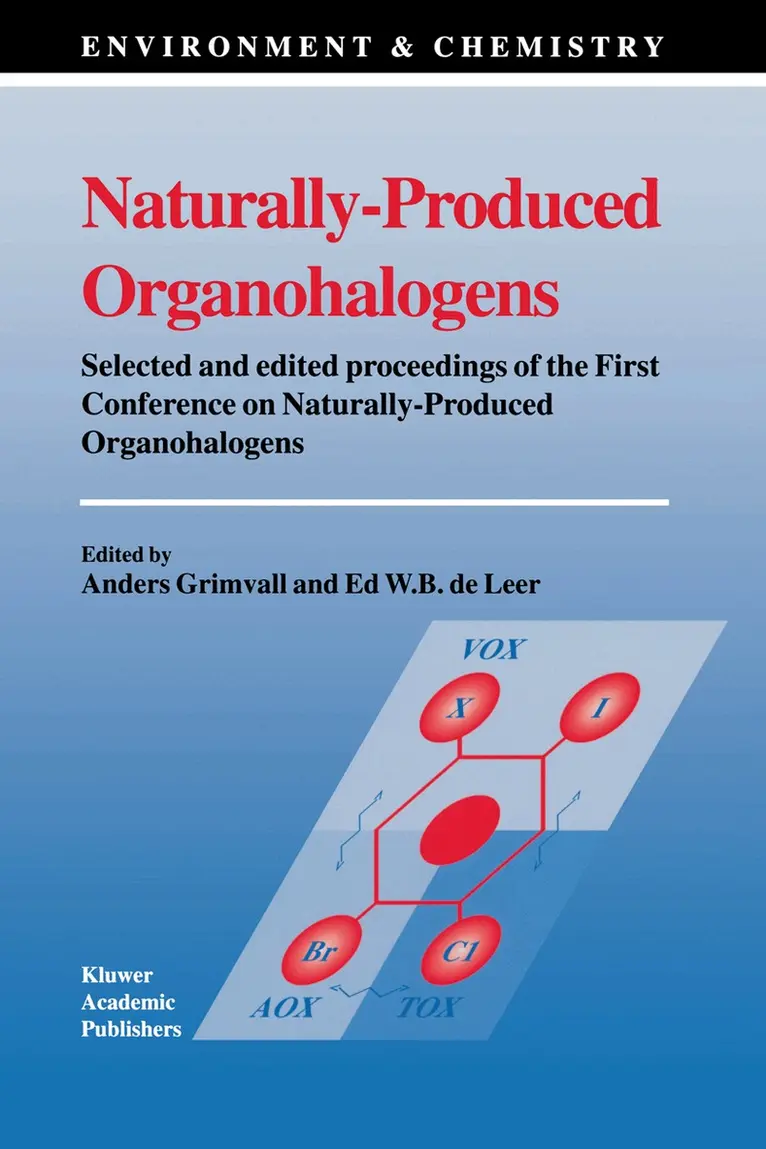
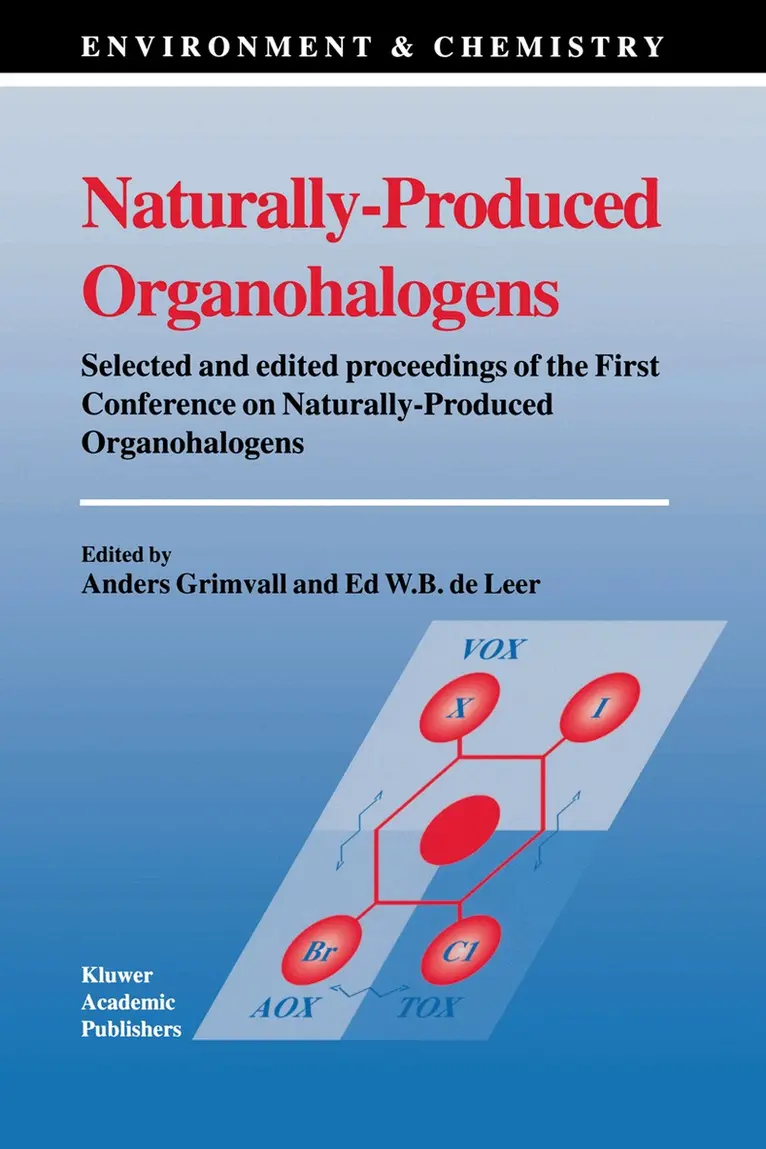
Should the production and use of chlorine and all chlorinated organic compounds be halted, in view of their adverse effects on the environment and human health? Those in favour argue that certain chlorinated compounds (PCBs, DDT, CFCs, and so forth) have large negative environmental effects. The use of chlorine in disinfectants leads to the production of chloroform, while bulk products (PVC) contribute to the production of chlorinated dibenzo-p-dioxins and dibenzofurans when they are burned. Those against argue that chlorine and many chlorinated compounds are essential in the control of human health (the prevention of disease transmitted through drinking water that has not been disinfected), and that chlorinated compounds are indispensable intermediates in many production processes, representing a vast economic value. But such discussions often ignore the fact that nature contributes significantly to the production of chlorinated organic compounds. More than 1000 such compounds are known, and their contribution to the biogeochemical cycling of chlorine is underestimated.Chlorine is organically bound in large quantities to humic materials, and natural production mechanisms are known for low molecular weight compounds (methyl chloride, chloroform, chlorinated dibenzo-p-dioxins and dibenzofurans). The role of these compounds in the environment is largely unknown. This text gives a complete overview of the present state of knowledge on the subject of chlorine and chlorinated compounds, giving a balance to the argument sketched out above.
Inbunden, Engelska, 1998
3 234 kr
Skickas inom 10-15 vardagar
The removal of chemical pollutants in biological treatment systems and during bioremediation activities is dependent on the capacity of micro-organisms to degrade synthetic chemicals. This book presents, for more than 100 synthetic compounds, an overview of the biodegradation processes and pathways that yield detoxification and mineralization. Results on the removal of synthetic pollutants in treatment systems are summarized. The book aims to help engineers to understand the potential and the possible limitations of biological treatment techniques for soil, groundwater, waste water and air.
Häftad, Engelska, 2010
3 234 kr
Skickas inom 10-15 vardagar
The removal of chemical pollutants in biological treatment systems and during bioremediation activities is dependent on the capacity of microorganisms to degrade synthetic chemicals. This book presents, for more than 100 synthetic compounds, an overview of the biodegradation processes and pathways that yield detoxification and mineralisation. Results on the removal of synthetic pollutants in treatment systems are summarized. The book aims to help engineers to understand the potential and the possible limitations of biological treatment techniques for soil, groundwater, waste water and air.Features: summarizes the physico-chemical parameters important for biodegradation; reviews the behavior and biodegradation of synthetic compounds in the natural environment; presents an overview of the possibilities for aerobic and anaerobic degradation, and summarizes the microorganisms involved; identifies limitations and bottlenecks for degradation; reviews and evaluates the possibilities for removal in biological treatment processes; includes information on dozens of aliphatic, aromatic, chlorinated, and nitrogen-containing compounds; to be used by engineers for judging the feasibility and prospects of biological treatment in practical situations.
Häftad, Engelska, 2012
1 620 kr
Skickas inom 10-15 vardagar
Should the production and use of chlorine and all chlorinated organic compounds be halted, in view of their adverse effects on the environment and human health? Those in favour argue that certain chlorinated compounds (PCBs, DDT, CFCs, etc.) have large negative environmental effects. The use of chlorine in disinfectants leads to the production of chloroform, while bulk products (PVC) contribute to the production of chlorinated dibenzo-p-dioxins and dibenzofurans when they are burned. Those against argue that chlorine and many chlorinated compounds are essential in the control of human health (the prevention of disease transmitted through drinking water that has not been disinfected), and that chlorinated compounds are indispensable intermediates in many production processes, representing a vast economic value. But such discussions often ignore the fact that Nature contributes significantly to the production of chlorinated organic compounds. More than 1000 such compounds are known, and their contribution to the biogeochemical cycling of chlorine is underestimated. Chlorine is organically bound in large quantities to humic materials, and natural production mechanisms are known for low molecular weight compounds (methyl chloride, chloroform, chlorinated dibenzo-p-dioxins and dibenzofurans). The role of these compounds in the environment is largely unknown. Naturally-Produced Organohalogens gives a complete overview of the present state of knowledge on the subject, giving a much needed balance to the argument sketched out above.