Anders Grimvall – författare
Visar alla böcker från författaren Anders Grimvall. Handla med fri frakt och snabb leverans.
3 produkter
3 produkter
Inbunden, Engelska, 1995
1 620 kr
Skickas inom 10-15 vardagar
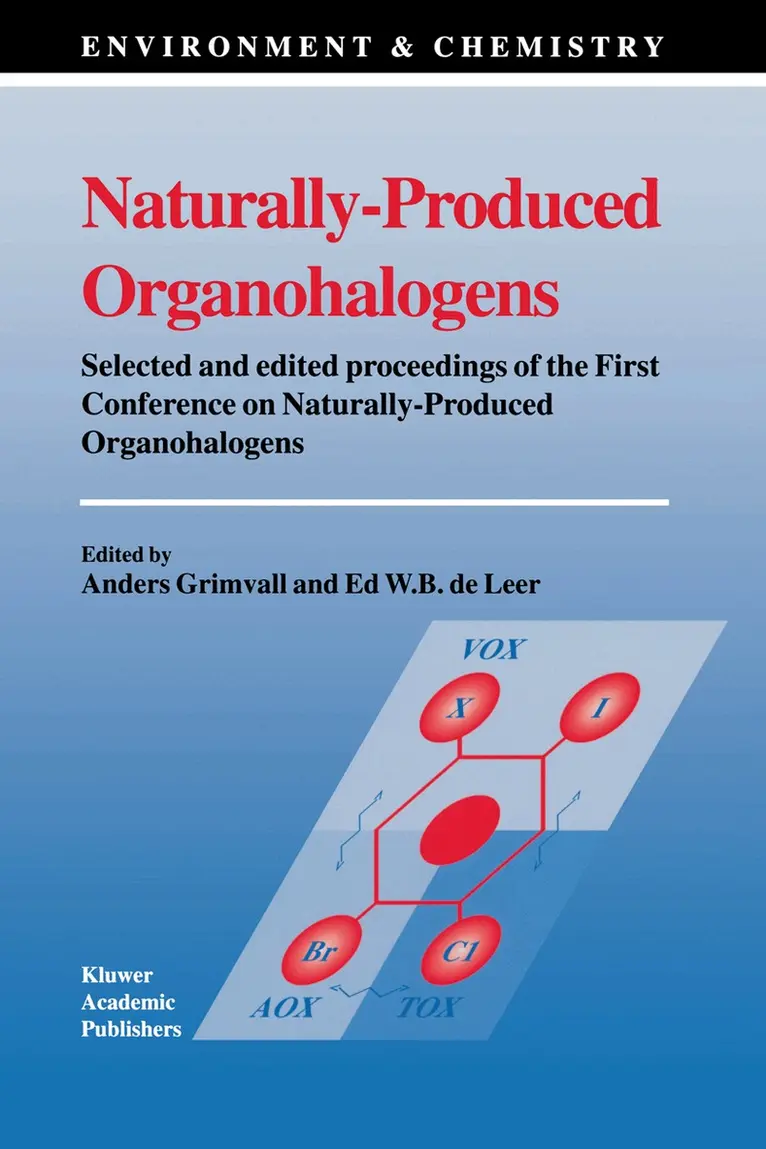
Should the production and use of chlorine and all chlorinated organic compounds be halted, in view of their adverse effects on the environment and human health? Those in favour argue that certain chlorinated compounds (PCBs, DDT, CFCs, and so forth) have large negative environmental effects. The use of chlorine in disinfectants leads to the production of chloroform, while bulk products (PVC) contribute to the production of chlorinated dibenzo-p-dioxins and dibenzofurans when they are burned. Those against argue that chlorine and many chlorinated compounds are essential in the control of human health (the prevention of disease transmitted through drinking water that has not been disinfected), and that chlorinated compounds are indispensable intermediates in many production processes, representing a vast economic value. But such discussions often ignore the fact that nature contributes significantly to the production of chlorinated organic compounds. More than 1000 such compounds are known, and their contribution to the biogeochemical cycling of chlorine is underestimated.Chlorine is organically bound in large quantities to humic materials, and natural production mechanisms are known for low molecular weight compounds (methyl chloride, chloroform, chlorinated dibenzo-p-dioxins and dibenzofurans). The role of these compounds in the environment is largely unknown. This text gives a complete overview of the present state of knowledge on the subject of chlorine and chlorinated compounds, giving a balance to the argument sketched out above.
Häftad, Engelska, 1991
542 kr
Skickas inom 10-15 vardagar
This volume reviews recent advances in isolation techniques, ion binding theory and biological activity in the aquatic and terrestrial environments as well as the formation of mutagenic compounds from chlorination. Additional essays describe current research on isolation, fractionation and characterization, biological and chemical transformation and degradation, complex formation and interactions with solids, and the halogenation of humic substances.
Häftad, Engelska, 2012
1 620 kr
Skickas inom 10-15 vardagar
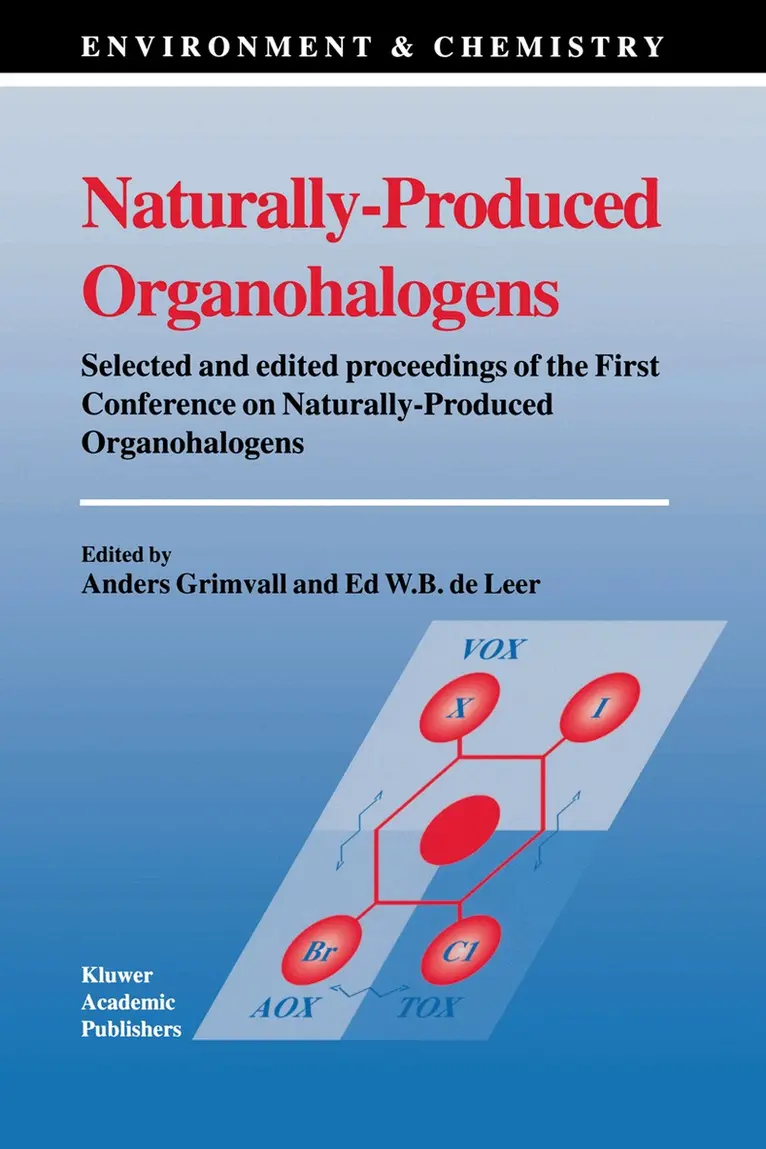
Should the production and use of chlorine and all chlorinated organic compounds be halted, in view of their adverse effects on the environment and human health? Those in favour argue that certain chlorinated compounds (PCBs, DDT, CFCs, etc.) have large negative environmental effects. The use of chlorine in disinfectants leads to the production of chloroform, while bulk products (PVC) contribute to the production of chlorinated dibenzo-p-dioxins and dibenzofurans when they are burned. Those against argue that chlorine and many chlorinated compounds are essential in the control of human health (the prevention of disease transmitted through drinking water that has not been disinfected), and that chlorinated compounds are indispensable intermediates in many production processes, representing a vast economic value. But such discussions often ignore the fact that Nature contributes significantly to the production of chlorinated organic compounds. More than 1000 such compounds are known, and their contribution to the biogeochemical cycling of chlorine is underestimated. Chlorine is organically bound in large quantities to humic materials, and natural production mechanisms are known for low molecular weight compounds (methyl chloride, chloroform, chlorinated dibenzo-p-dioxins and dibenzofurans). The role of these compounds in the environment is largely unknown. Naturally-Produced Organohalogens gives a complete overview of the present state of knowledge on the subject, giving a much needed balance to the argument sketched out above.