Comparative, European and International Criminal Justice – serie
Visar alla böcker i serien Comparative, European and International Criminal Justice. Handla med fri frakt och snabb leverans.
6 produkter
6 produkter
Del 1 - Comparative, European and International Criminal Justice
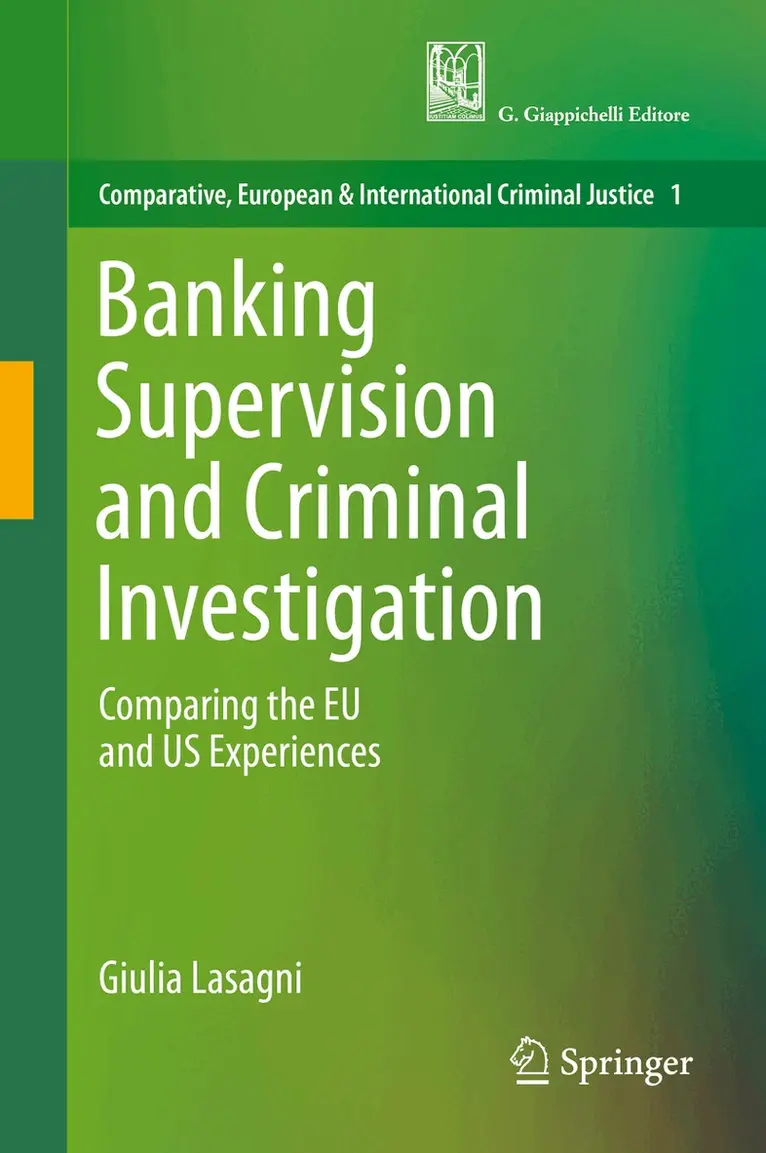
Banking Supervision and Criminal Investigation
Comparing the EU and US Experiences
Inbunden, Engelska, 2019
1 171 kr
Skickas inom 10-15 vardagar
In the aftermath of the last financial crisis, on both sides of the Atlantic banking supervisors were given new supervisory and enforcement powers, which are often of a substantially punitive-criminal nature. In Europe in particular, the establishment of the Single Supervisory Mechanism within the European Central Bank substantially increased centralised investigatory and sanctioning powers. This major innovation, together with the development of forms of real-time monitoring of banking (often digital) records, challenges traditional banking criminal investigations in their national-based and analogue dimension.The book offers a comprehensive account and perspective analysis of the interactions between the criminal and administrative nature of such new powers, highlighting their “punitive” overall nature and their impact on fundamental rights. Covering both the US and the EU regulatory frameworks, it presents unprecedented, trans-systemic research between criminal law and procedure, and between regulatory and administrative law, at the international, European and national level.The book also includes a rich and detailed selection of case law from the US and the European supreme courts, with a specific focus on CJEU and ECtHR decisions.
Del 1 - Comparative, European and International Criminal Justice
Banking Supervision and Criminal Investigation
Comparing the EU and US Experiences
Häftad, Engelska, 2020
831 kr
Skickas inom 10-15 vardagar
In the aftermath of the last financial crisis, on both sides of the Atlantic banking supervisors were given new supervisory and enforcement powers, which are often of a substantially punitive-criminal nature. In Europe in particular, the establishment of the Single Supervisory Mechanism within the European Central Bank substantially increased centralised investigatory and sanctioning powers. This major innovation, together with the development of forms of real-time monitoring of banking (often digital) records, challenges traditional banking criminal investigations in their national-based and analogue dimension.The book offers a comprehensive account and perspective analysis of the interactions between the criminal and administrative nature of such new powers, highlighting their “punitive” overall nature and their impact on fundamental rights. Covering both the US and the EU regulatory frameworks, it presents unprecedented, trans-systemic research between criminal law and procedure, and between regulatory and administrative law, at the international, European and national level.The book also includes a rich and detailed selection of case law from the US and the European supreme courts, with a specific focus on CJEU and ECtHR decisions.
1 365 kr
Skickas inom 10-15 vardagar
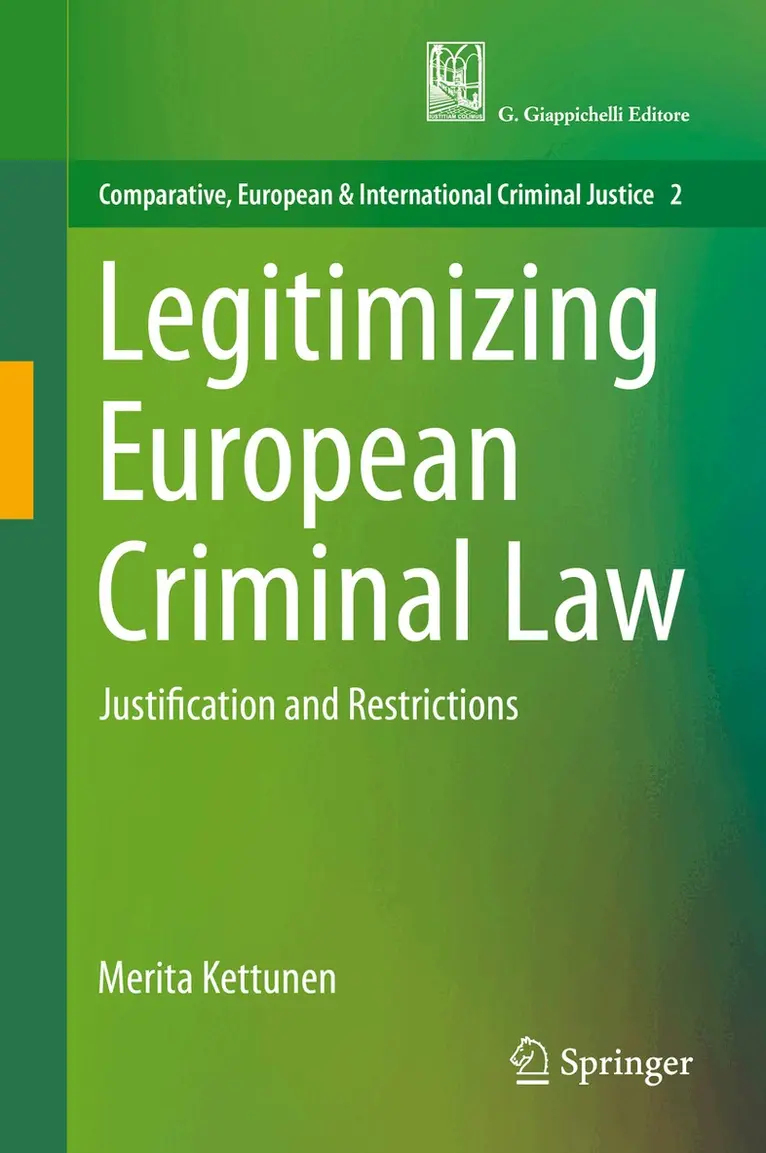
The book examines how and according to which principles the enactment of European criminal legislation is legitimate. The approach adopted here focuses on the constitutionalization of criminal law (i.e., the growing importance of constitutional elements of the EU legal order and the ECHR regime within criminal law). Further, it shows how and why criminal law has a unique nature, and why it should not be equated with other fields of EU law.The book explains the basic research questions and methodologies, before turning to the nature of criminal law at the level of national law, and addressing the different levels of justification for criminal law. Further, it examines the most prominent features of European criminal law and the difference between general EU law and EU criminal law, as well as the theoretical ideals for European constitutional structures and criminal law. Examples of how the law in practice might not always be in keeping with these normative ideals serveto round out the coverage.
1 365 kr
Skickas inom 10-15 vardagar
Further, it examines the most prominent features of European criminal law and the difference between general EU law and EU criminal law, as well as the theoretical ideals for European constitutional structures and criminal law.
1 365 kr
Skickas inom 10-15 vardagar
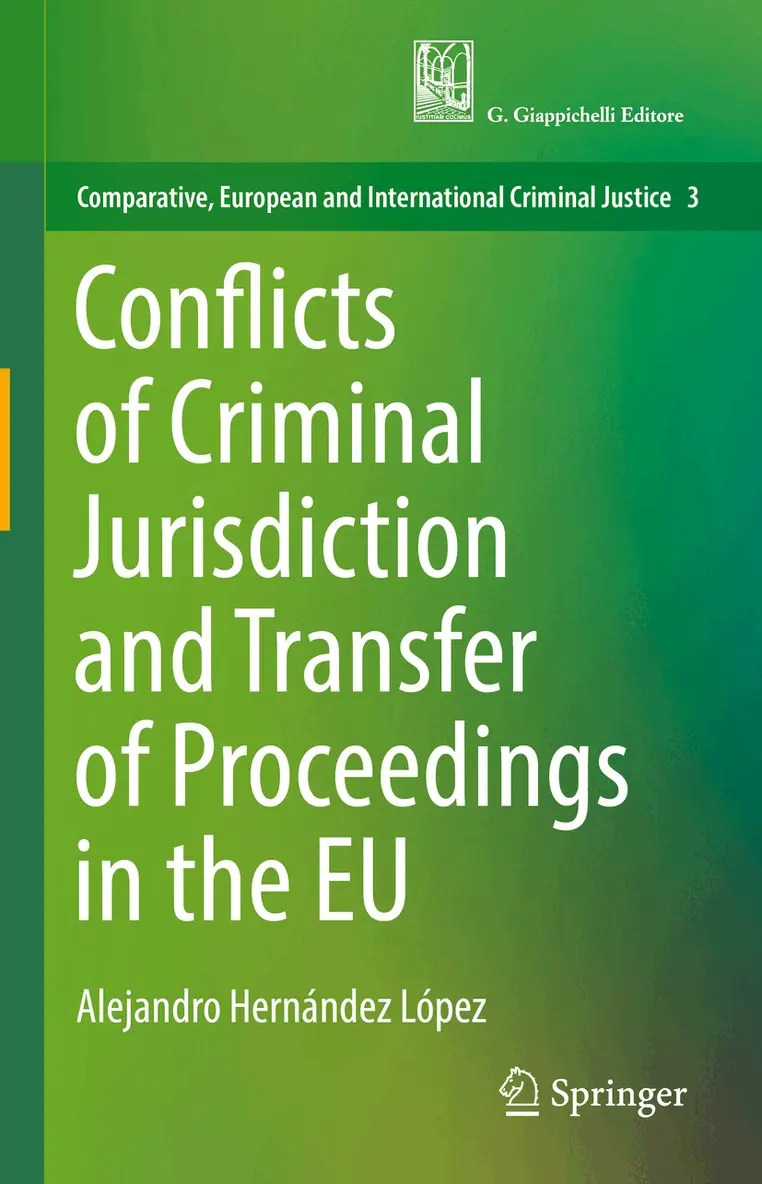
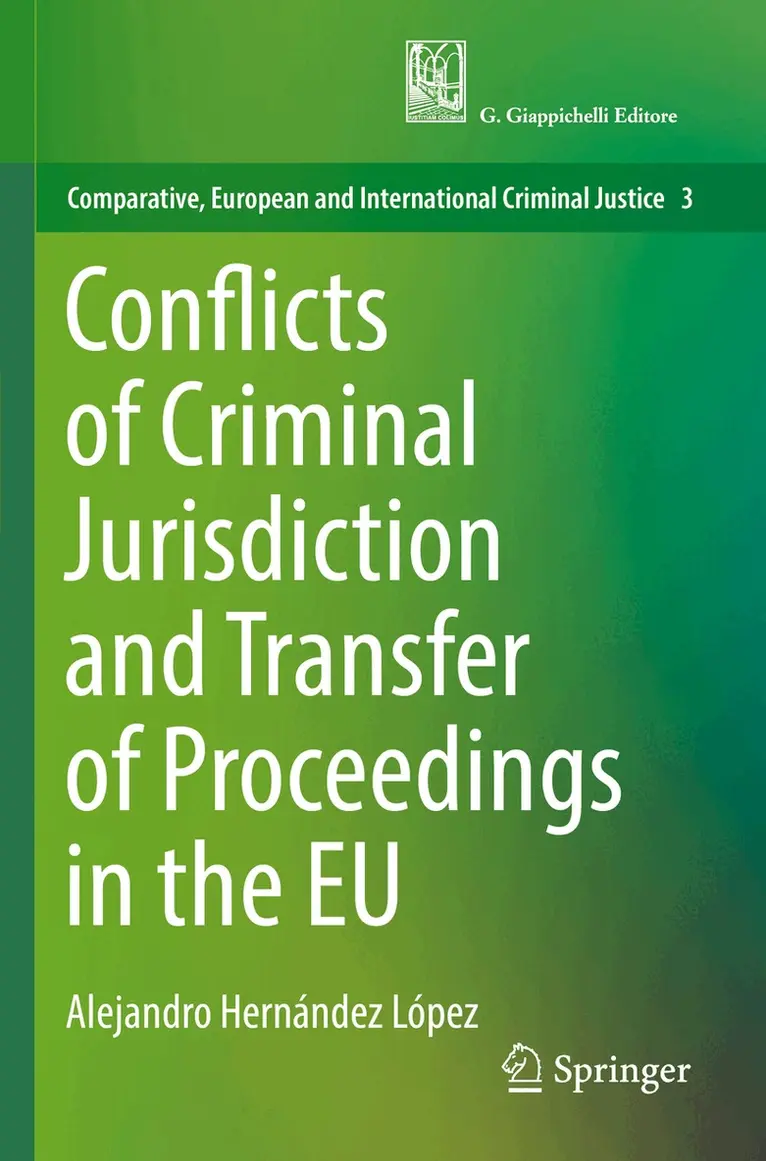
Framework Decision 2009/948/JHA on the prevention and settlement of conflicts of exercise of jurisdiction in criminal proceedings established an ad hoc procedure for settling conflicts of criminal jurisdiction based on the mutual exchange of information and the establishment of direct consultations between the competent authorities with a view to reaching consensus on an effective solution. However, neither common legally binding criteria for deciding the best jurisdiction nor specific rules for the transfer of proceedings (which can occur after parallel proceedings have been identified) were established in this instrument, or in any other instrument adopted by the EU to date.This book analyses the current EU legal framework on conflicts of jurisdiction and transfer of criminal proceedings, paying special attention to its numerous shortcomings and loopholes from a fundamental rights and due process of law perspective. The book begins with an assessment of the variousprinciples and grounds used by Member States for claiming criminal jurisdiction. Secondly, de lege lata EU procedure on the settlement of conflicts of criminal jurisdiction, as well as its implementation in Spain and Italy, are thoroughly examined. After discussing the main principles and fundamental rights at stake, the author proposes two alternative and original de lege ferenda models for the prevention and settlement of conflicts of criminal jurisdiction and transfer of criminal proceedings, exploring the different possibilities offered by the EU’s primary law.
1 365 kr
Skickas inom 10-15 vardagar
Framework Decision 2009/948/JHA on the prevention and settlement of conflicts of exercise of jurisdiction in criminal proceedings established an ad hoc procedure for settling conflicts of criminal jurisdiction based on the mutual exchange of information and the establishment of direct consultations between the competent authorities with a view to reaching consensus on an effective solution. However, neither common legally binding criteria for deciding the best jurisdiction nor specific rules for the transfer of proceedings (which can occur after parallel proceedings have been identified) were established in this instrument, or in any other instrument adopted by the EU to date.This book analyses the current EU legal framework on conflicts of jurisdiction and transfer of criminal proceedings, paying special attention to its numerous shortcomings and loopholes from a fundamental rights and due process of law perspective. The book begins with an assessment of the variousprinciples and grounds used by Member States for claiming criminal jurisdiction. Secondly, de lege lata EU procedure on the settlement of conflicts of criminal jurisdiction, as well as its implementation in Spain and Italy, are thoroughly examined. After discussing the main principles and fundamental rights at stake, the author proposes two alternative and original de lege ferenda models for the prevention and settlement of conflicts of criminal jurisdiction and transfer of criminal proceedings, exploring the different possibilities offered by the EU’s primary law.