Explorations in Theological Interpretation – serie
Visar alla böcker i serien Explorations in Theological Interpretation. Handla med fri frakt och snabb leverans.
3 produkter
3 produkter
Inbunden, Engelska, 2024
1 075 kr
Skickas inom 3-6 vardagar
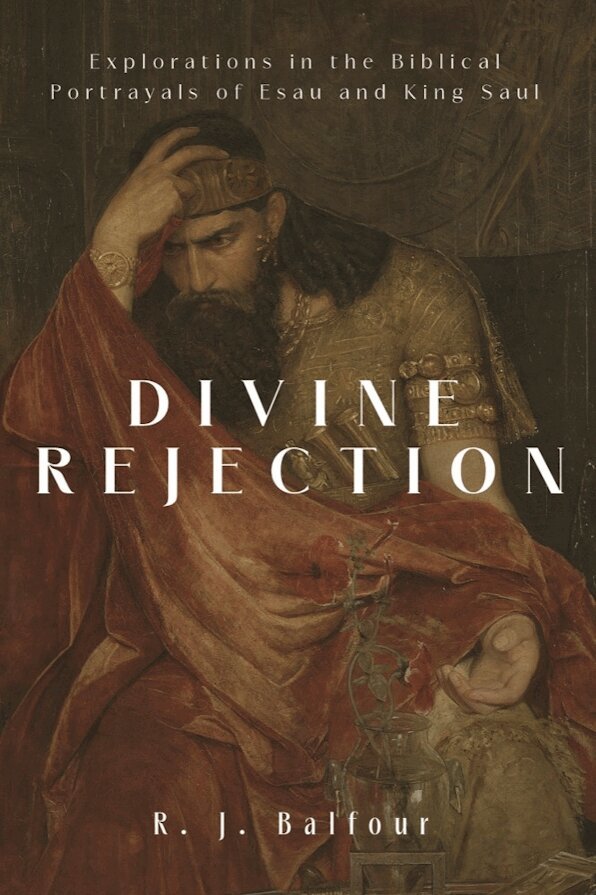
Among the most enigmatic passages in the Bible are those featuring God's election of some and rejection of others. While many interpreters appeal to mystery or divine sovereignty as solutions to these difficult passages, intensive evaluation and sustained reflection on these passages and their implications can benefit both the church and the academy. In Divine Rejection, R. J. Balfour provides such evaluation and reflection on the notion of divine rejection in Christian theology through close readings of two paradigmatic biblical accounts of divine rejection, namely, the narratives of Esau and Saul.Balfour contributes to the scholarly understanding of these narratives in their received form while providing extensive Christian theological reflection on the notion of divine rejection. Balfour's reading is carried out in conversation with significant historic and contemporary interpreters in order to exemplify what sustained theological interpretation might look like. By adopting this structure, Balfour seeks to model a retrieval of historic theological interpretations that is sensitive to the concerns and interests of the contemporary academy.Balfour ultimately argues that these two narratives display differing accounts of divine decision-making. In the narrative of Saul's rejection, YHWH rejects Saul in an explicit fashion in response to his actions. By contrast, the grammatical ambiguity of the oracle at the outset of the Esau narrative (Gen 25:23), combined with the inversion of roles in the narrative's climax (Gen 32–33), prevents the reader from drawing strong conclusions as to the terms and nature of Esau's rejection. The book concludes with a series of reflections on how both aspects of divine decision-making have been incorporated into a Christian doctrine of election and how they might stimulate fresh Christian theological reflection on this important doctrine.
Inbunden, Engelska, 2025
483 kr
Skickas inom 5-8 vardagar
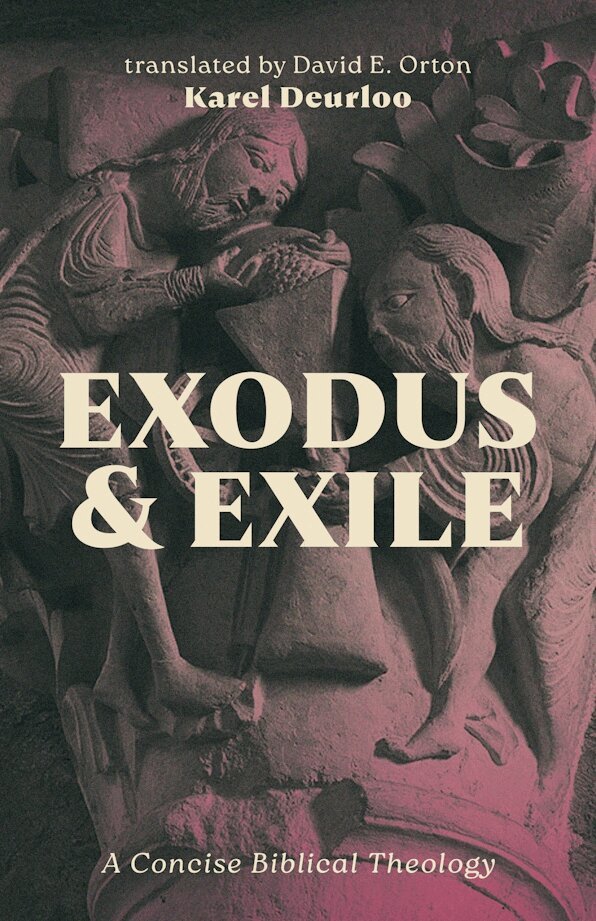
Exodus and Exile is a masterpiece of biblical theology, newly available in English. The capstone work of legendary Dutch teacher Karel Deurloo, the book makes a brief and accessible argument: that the themes of exodus and exile constitute the dual center of all Scripture. These events disclose the person of God, the One who is powerful to liberate and merciful to restore. The book begins with a focus on the Name of God. Over against prepackaged, default, and ambient knowledge of God, Deurloo restarts, theologically, from presentations of Yhwh in Hebrew Scripture. The book then provides a birds'-eye view of the Law and the Prophets, rereading these canonical units according to the major event at the heart of each, namely, exodus and exile. Through careful mapping of these texts, Deurloo uncovers what the disparate voices of Scripture tell us about Yhwh.Intended for a wide readership of scholars, pastors, pastors-in-training, and interested Christians, the bold and distinctive vision of Exodus and Exile will provoke and inspire biblical theology and theological interpretation of Scripture. A key feature of the book's appeal is the way it draws together threads that typically remain separate: it attends to the texture of the Hebrew language, à la Robert Alter. It takes up the mantle of Franz Rosenzweig and Martin Buber. It prioritizes the canonical form of scripture, à la Brevard Childs. In the wake of Karl Barth, the book further assumes a dialectical and dissident interest. With post-supersessionist theology, it shares a keen awareness of Israel's priority and gentile ingrafting. This then carries the story of Scripture—of God's dealings with the people of God—forward into the life of the church today.
Inbunden, Engelska, 2026
443 kr
Kommande
In the story of the Garden of Eden, God thought it would be a bad idea for Adam and Eve to eat the fruit of the knowledge of good and evil. But they could not resist. Was eating the fruit a good idea? Their newfound knowledge sparked amazing technological and cultural inventions. However, it also enhanced their capacity for deception, betrayal, and violence. Humans became like gods, YHWH declared--but all too often they act like the most capricious and destructive deities ever imagined. It is as if they (we!) were lacking the wisdom necessary for using their divine knowledge well.Another part of the Bible, the Book of Proverbs, likens wisdom to a Tree of Life. The Tree of Life was, of course, the other enchanted tree in the Garden, the one our biblical ancestors did not taste. This volume offers a "Proverbian" interpretation of the Eden story, suggesting that while the Tree of Life represents wisdom, the art of humble dependence, the Tree of the Knowledge of Good and Evil stands for something similar yet distinct: a form of rationality, the power to set goals, solve problems, and claim independence. While the latter is a wonderful ability, without wisdom it becomes a loaded weapon in the hands of humans playing god.Today, our eyes are fixed again on a fruit that promises rational powers of divine proportions: artificial superintelligence. Should we reach out and take it? The ancient story of Eden may teach us a thing or two about our modern-day dilemmas.