GeoHealth: The Impact of Geology on Environment and Human Health – serie
Visar alla böcker i serien GeoHealth: The Impact of Geology on Environment and Human Health. Handla med fri frakt och snabb leverans.
3 produkter
3 produkter
Inbunden, Engelska, 2026
2 578 kr
Kommande
Climate Change and Infectious Disease presents a timely and critical examination of how a warming planet is transforming global health dynamics. The book unpacks the far-reaching consequences of greenhouse gas emissions, extreme weather events, deforestation, ocean changes, and rapid urbanization, revealing how environmental upheaval fuels the spread and resurgence of infectious diseases. It examines the intricate connections between shifting insect patterns, evolving pathogens, and the reawakening of ancient microbes from thawing permafrost—while also shedding light on cascading impacts, including mental health crises, displacement of vulnerable populations, and the erosion of traditional medicine. Beyond diagnosis, the book highlights solutions: cutting-edge early warning systems, biotechnological breakthroughs, and the complex policy decisions needed to mitigate risks. Bridging science, medicine, and policy, it provides a comprehensive yet accessible perspective on the climate-health crisis. An indispensable guide for researchers, students, healthcare leaders, and policymakers, this work balances stark realities with a vision for resilience—emphasizing the power of innovation, adaptation, and international collaboration in safeguarding our collective future.
Inbunden, Engelska, 2026
2 578 kr
Kommande
Mining is often associated with the “resource curse,” where the promise of mineral wealth is accompanied by environmental degradation and human health risks. This book “Environmental Toxicology Volume 2- Mines and Metals: A Geohealth Perspective” presents an integrated geohealth perspective on mining, examining how contaminants move through air, water, and soil, and how they influence environmental and occupational health. Bringing together interdisciplinary research and real-world case studies, the book explores toxic metals, mine dust, exposure pathways, and their health effects, while addressing occupational risks, mental health, and community level impacts, including those on indigenous populations. By combining scientific ideas with sustainable solutions and policy perspectives, this book advocates safer and more responsible mining practices. This book is an indispensable reference for students, researchers, and professionals working in the domains of mining, geology, health sciences environmental sciences, toxicology and allied disciplines by offering a comprehensive yet accessible resource for understanding the intricate relationship between mining, environment, and human health. Overall, this book is a call to see the broader picture of the impact of mining - not just in the pits and quarries, but in the lives, laws, and lands that surround them.
Inbunden, Engelska, 2026
2 578 kr
Kommande
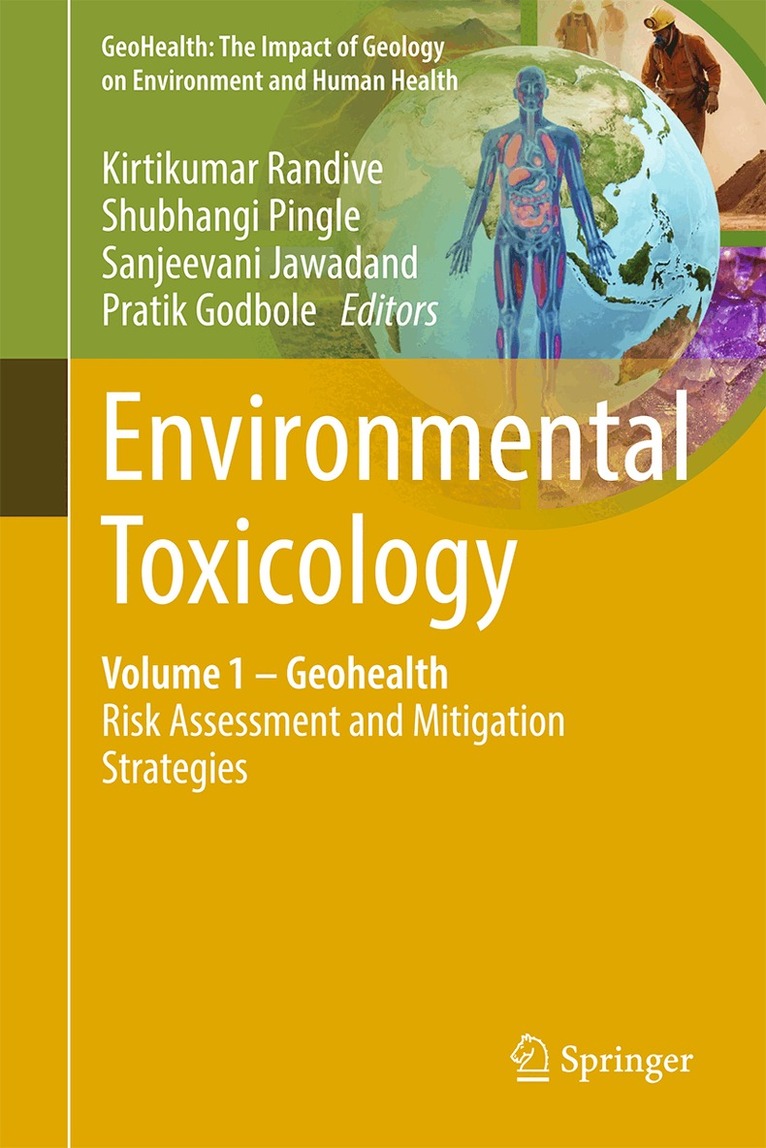
“What the ground releases, the body inherits.” This central idea shapes Geohealth: Risk Assessment and Mitigation Strategies, which explores the deep and often unseen connections between geological processes and human health. The book explains how materials mobilised during mining and natural processes move through air, water, soil, and food systems, and reaches human body through these mediums. Their form, mobility, time of exposure and bioavailability decide their hazard potential ultimate effects on the human body. It brings together carefully selected case studies with advances in risk assessment, biomonitoring, and toxicological research to present a clear and evidence-based understanding of exposure and impact. Particular attention is paid to occupational and community health risks, including those associated with mine dust and respirable silica. This book also provides practical and forward-looking solutions for these menaces such as microbial and plant-based remediation, emerging nanotechnologies, and real-time monitoring approaches. By bridging the compartments of geology, environmental science, health and medicine, and policy perspectives, this book offers a balanced and scientifically grounded document that is both useful and accessible. This book will serve as a reference not only to the scientific community of researchers, academicians and students, but also serves as a guide for policy and decision makers, as well as administrators, particularly in the light of the United Nation’s Sustainable Development Goals.