Sesan Abiodun Aransiola – författare
1 618 kr
Skickas inom 10-15 vardagar
Microbial Biotechnology for Bioenergy presents emerging biotechnological and microbiological approaches in bioenergy and their economic, social, and environmental implications.Section 1 of this book includes an overview of bioenergy, global statistics and projections for future bioenergy development, the role of biotechnology and bioprocesses in bioenergy, feedstock sources, challenges, decarbonisation, and emerging innovations and technologies. Section 2 examines biotechnology and microbiology for bioenergy, including chapters on bioconversion of biomass energy and biological residues, utilizing organic waste, the biotechnology of biofuels including bioethanol, biodiesel, and biohydrogen, the sustainability of cellulosic ethanol energy and artificial photosynthesis, Power-to-X and integrating energy storage innovation, and microbial fuel cell sustainability. Finally, Section 3 explores policy and environmental aspects, providing a global perspective and impact projections based on present-day global statistics.Combining fundamentals and cutting-edge data, Microbial Biotechnology for Bioenergy is a valuable reference for biotechnologists, environmental engineers, and microbiologists working in bioenergy.Also included are ideas for new product development and possible improvement of existing products, as are insights into the unique nature of graphene and its types, including morphology and thickness, mechanical properties, electrical conductivity, elastic properties of 2D and 3D structures, and more.
Critically reviews past, present, and future bioenergy technologies, including global statistics, policies, and emerging approachesHighlights opportunities to improve quality of life and mitigate energy dependence, reducing air/water pollution and creating renewable resources in local communitiesExplores environmental benefits of incorporating microbial remediation into bioenergy production2 302 kr
Läs direkt efter köp
1 329 kr
Skickas inom 10-15 vardagar
1 680 kr
Läs direkt efter köp
1 906 kr
Skickas inom 10-15 vardagar
2 412 kr
Läs direkt efter köp
1 666 kr
Kommande
2 036 kr
Skickas inom 10-15 vardagar
2 736 kr
Skickas inom 10-15 vardagar
945 kr
Skickas inom 10-15 vardagar
1 826 kr
Skickas inom 10-15 vardagar
749 kr
Skickas inom 10-15 vardagar
2 876 kr
Skickas inom 10-15 vardagar
1 686 kr
Skickas inom 10-15 vardagar
2 386 kr
Skickas inom 10-15 vardagar
2 423 kr
Läs direkt efter köp
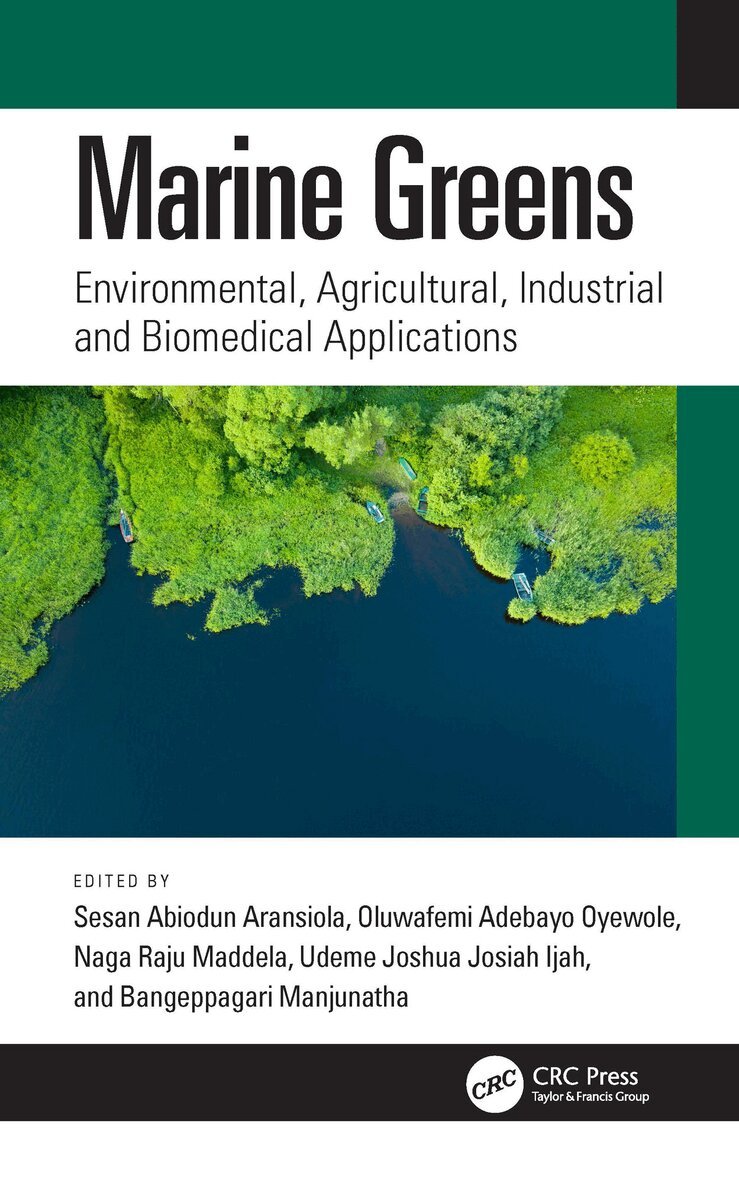
This book provides an in-depth overview of marine greens and their environmental and biotechnological applications. It addresses concepts such as the niche adaptation strategies of marine greens in their natural habitats, as well as their global distribution, and factors affecting their distribution and proliferation.
Marine greens are posited as an alternative to fossil fuels, mitigating global climate change and thereby fostering future environmental sustainability. In addition, the book explains the remediation of xenobiotics, wastewater, microplastics, marine debris and marine green contamination. Expert authors from around the world explore the industrial and agricultural applications of marine greens in the production of enzymes and marine bioenergy, and what is needed to improve its production potential.
This is important reading for government and non-governmental organizations as well as industries and research institutions looking for ways to combat current industrial and environmental challenges.
2 423 kr
Läs direkt efter köp
This book provides an in-depth overview of marine greens and their environmental and biotechnological applications. It addresses concepts such as the niche adaptation strategies of marine greens in their natural habitats, as well as their global distribution, and factors affecting their distribution and proliferation.
Marine greens are posited as an alternative to fossil fuels, mitigating global climate change and thereby fostering future environmental sustainability. In addition, the book explains the remediation of xenobiotics, wastewater, microplastics, marine debris and marine green contamination. Expert authors from around the world explore the industrial and agricultural applications of marine greens in the production of enzymes and marine bioenergy, and what is needed to improve its production potential.
This is important reading for government and non-governmental organizations as well as industries and research institutions looking for ways to combat current industrial and environmental challenges.
3 258 kr
Läs direkt efter köp
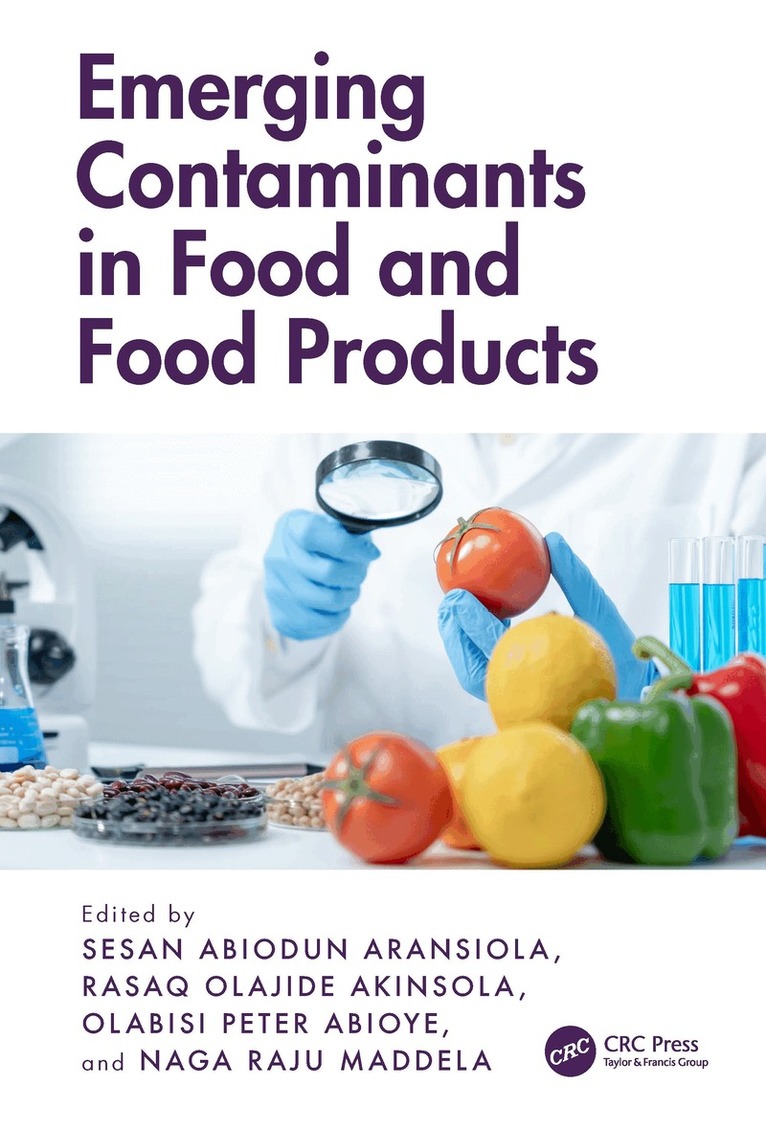
In recent years, a wide variety of new chemicals have continued to be developed as a result of industrial development and associated anthropogenic activities. The microbial contaminants in the environment, more precisely, antibiotic-resistant genes/bacteria produced as a result of mutation due to antibacterial drugs, are also considered emerging contaminants and specifically called emerging microbial contaminants such as sapoviruses, Waddlia chondrophila and Streptococcus parauberis. Additionally, pharmaceuticals and personal care products are a diverse group of compounds that include ibuprofen, diclofenac, triclosan, antibiotics, anti-inflammatory agents, steroidal hormones and active ingredients in soaps, detergents and perfumes which could find their way into food materials, are tagged as emerging contaminants.
Given this, Emerging Contaminants in Food and Food Products discusses issues around the emerging contaminants in food and food products. Different types of contaminants, such as biological, chemical, organic, inorganic and microbial contaminants in foods, ways of detecting them and regulations surrounding global food safety, are all covered.
Key features:
Discusses all the categories of contaminants in food and food products. Biological, chemical, organic, inorganic and microbial contaminants. Provides full information on emerging food contaminants, their effect on human and animal health, and how it affects global food security and emerging technological applications in solving this global problem. Gives detection and prevention strategies and guideline policies on emerging contaminants of foods. Brings into account global perspectives on food contaminants and health implications.This volume will serve as an information hub of emerging contaminants for scientists/researchers and professionals globally. This book is a good collection of independent chapters, which presents full insights into the study of emerging contamination in food and the effects of these contaminants in humans and animals.
3 258 kr
Läs direkt efter köp
In recent years, a wide variety of new chemicals have continued to be developed as a result of industrial development and associated anthropogenic activities. The microbial contaminants in the environment, more precisely, antibiotic-resistant genes/bacteria produced as a result of mutation due to antibacterial drugs, are also considered emerging contaminants and specifically called emerging microbial contaminants such as sapoviruses, Waddlia chondrophila and Streptococcus parauberis. Additionally, pharmaceuticals and personal care products are a diverse group of compounds that include ibuprofen, diclofenac, triclosan, antibiotics, anti-inflammatory agents, steroidal hormones and active ingredients in soaps, detergents and perfumes which could find their way into food materials, are tagged as emerging contaminants.
Given this, Emerging Contaminants in Food and Food Products discusses issues around the emerging contaminants in food and food products. Different types of contaminants, such as biological, chemical, organic, inorganic and microbial contaminants in foods, ways of detecting them and regulations surrounding global food safety, are all covered.
Key features:
Discusses all the categories of contaminants in food and food products. Biological, chemical, organic, inorganic and microbial contaminants. Provides full information on emerging food contaminants, their effect on human and animal health, and how it affects global food security and emerging technological applications in solving this global problem. Gives detection and prevention strategies and guideline policies on emerging contaminants of foods. Brings into account global perspectives on food contaminants and health implications.This volume will serve as an information hub of emerging contaminants for scientists/researchers and professionals globally. This book is a good collection of independent chapters, which presents full insights into the study of emerging contamination in food and the effects of these contaminants in humans and animals.
2 109 kr
Läs direkt efter köp
Phytoremediation is the process that uses plants to remove pollutants from soils. These pollutants are stored in the edible parts of plants and, if they are consumed above a certain level, they become a health risk for humans and animals. This book is a critical review of phytoremediation, its direct or indirect effects on food products, and the risks posed by this cost-effective technology in food safety. It shows how different plants are suited for phytoremediation, explains the role of toxicants in the environment, and analyses their effects and risks in the food chain at a global level. It also reviews the extraction methods of toxicants from plants after they are exposed to phytoremediation.
Features:
Summarizes the phytoremediation technology for effective remediation Describes different types of pollutants in soils that render food products useless Identifies the role of phytoremediation in the environment and its advantages and disadvantages Explains the role of phytoexclusion and phytostabilization in foods and food safety Includes many case studies to describe the extraction protocols in postharvest for food safetyThis book is intended for practitioners in public and private companies involved in soil remediation and food production, as well as graduate students and academics, in both developed and developing countries, who are involved in soil and environmental sciences, the food industry, agriculture, and biotechnology.
2 109 kr
Läs direkt efter köp
Phytoremediation is the process that uses plants to remove pollutants from soils. These pollutants are stored in the edible parts of plants and, if they are consumed above a certain level, they become a health risk for humans and animals. This book is a critical review of phytoremediation, its direct or indirect effects on food products, and the risks posed by this cost-effective technology in food safety. It shows how different plants are suited for phytoremediation, explains the role of toxicants in the environment, and analyses their effects and risks in the food chain at a global level. It also reviews the extraction methods of toxicants from plants after they are exposed to phytoremediation.
Features:
Summarizes the phytoremediation technology for effective remediation Describes different types of pollutants in soils that render food products useless Identifies the role of phytoremediation in the environment and its advantages and disadvantages Explains the role of phytoexclusion and phytostabilization in foods and food safety Includes many case studies to describe the extraction protocols in postharvest for food safetyThis book is intended for practitioners in public and private companies involved in soil remediation and food production, as well as graduate students and academics, in both developed and developing countries, who are involved in soil and environmental sciences, the food industry, agriculture, and biotechnology.
3 326 kr
Läs direkt efter köp
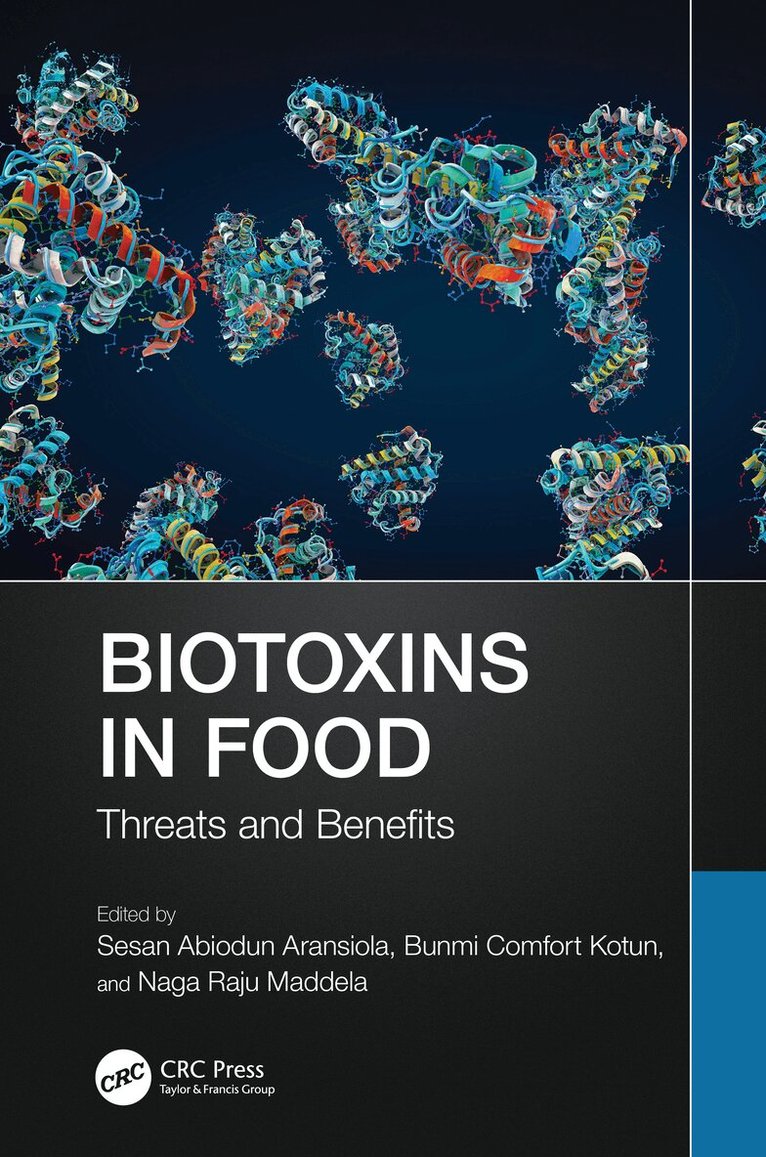
Biotoxins are naturally occurring substances present in living organisms as a way of conferring biological defense or protection on such organisms. But their presence in food has been found to be a threat to unsuspecting food consumers. While they are exploited as biocontrol agents and as a biological defense mechanism against pests and predators in the field, biotoxins are implicated in foodborne illness in humans if consumed. Naturally occurring substances present in food include glycoalkaloids found in potatoes and lectins (phytohemagglutinin) in green beans and red kidney beans. Biotoxins in Food: Threats and Benefits discusses the natural poisons present in food, the threats posed, and the possible detection methods. This book assesses the implications of these biotoxins in food by evaluating the threats posed by the consumption of these naturally occurring poisons and the various emerging detection procedures available in the food industry. Several reports from contributing authors focus on the various threats linked to various food products and offer solutions in terms of removal. Early detection of these biotoxins to prevent food illnesses is well documented.
Key Features:
Discusses the emerging concepts of types, sources, and distribution of biotoxins in food Addresses the prevalence and applications of biotoxins in food products Analyzes the current detection technology of biotoxins in foods3 326 kr
Läs direkt efter köp
Biotoxins are naturally occurring substances present in living organisms as a way of conferring biological defense or protection on such organisms. But their presence in food has been found to be a threat to unsuspecting food consumers. While they are exploited as biocontrol agents and as a biological defense mechanism against pests and predators in the field, biotoxins are implicated in foodborne illness in humans if consumed. Naturally occurring substances present in food include glycoalkaloids found in potatoes and lectins (phytohemagglutinin) in green beans and red kidney beans. Biotoxins in Food: Threats and Benefits discusses the natural poisons present in food, the threats posed, and the possible detection methods. This book assesses the implications of these biotoxins in food by evaluating the threats posed by the consumption of these naturally occurring poisons and the various emerging detection procedures available in the food industry. Several reports from contributing authors focus on the various threats linked to various food products and offer solutions in terms of removal. Early detection of these biotoxins to prevent food illnesses is well documented.
Key Features:
Discusses the emerging concepts of types, sources, and distribution of biotoxins in food Addresses the prevalence and applications of biotoxins in food products Analyzes the current detection technology of biotoxins in foods2 537 kr
Läs direkt efter köp
2 537 kr
Läs direkt efter köp
3 326 kr
Läs direkt efter köp
3 244 kr
Läs direkt efter köp
860 kr
Läs direkt efter köp
811 kr
Läs direkt efter köp
3 244 kr
Läs direkt efter köp