Greystone Nature Classics – serie
Visar alla böcker i serien Greystone Nature Classics. Handla med fri frakt och snabb leverans.
3 produkter
3 produkter
Häftad, Engelska, 2026
178 kr
Kommande
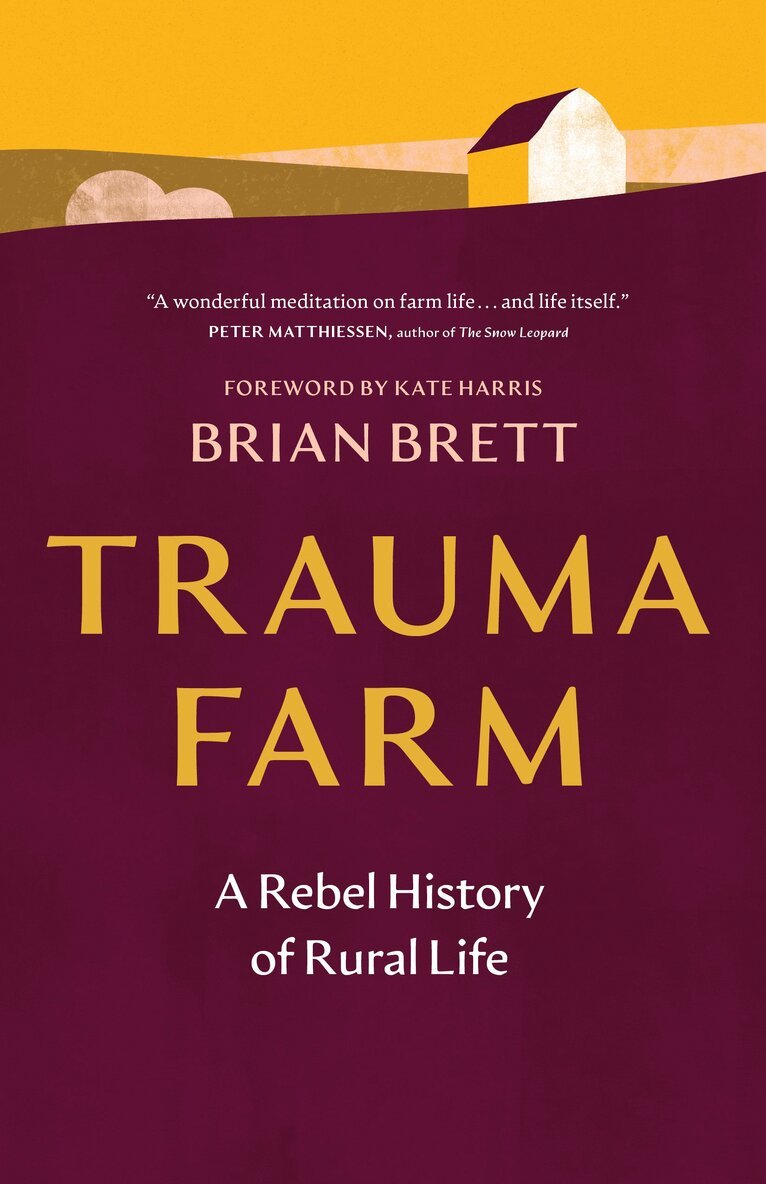
A Times Literary Supplement and Globe and Mail Book of the YearWinner of the Hilary Weston Writers’ Trust Canadian Non-Fiction Prize“A wonderful meditation on farm life and by extension life itself … told intelligently and often humorously, by a writer with a welcome fresh sharp eye.”—Peter Matthiessen, author of Shadow Country and The Snow LeopardIn this new special edition of a beloved rural memoir, a farmer’s intimate bond with his land and animals reveals hard-won truths about trauma, endurance, and belonging.From the straining of muscles at dawn chores to the last check of the animals under a darkening sky, Brian Brett brings readers along as he moves through a day on his farm, tending to animals, soil, and machinery while reckoning with the quiet weight of trauma that saturates the land.Both an unflinching memoir and an irreverent natural history of the small mixed farm, Trauma Farm wanders backward and forward in time, from childhood chores to present scars, from ancient Babylonian planting cycles to the pressures of globalization. Brett lingers on the feel of earth in his hands, the steam of breath from cattle in winter, the small decisions that mean life or death for vulnerable creatures. Along the way, Brett reflects on the costs of such a life—the scars etched into bodies, the grief carried for animals and people lost, and the fierce bonds that hold a rural community together.Meditating on the nature of care, the ethics of killing, the strange tenderness of routine, and the cycles of planting, harvest, and decay, the book balances raw realism with lyrical wonder. It offers a fierce critique of romanticized visions of the countryside while celebrating the miracles of birth, weather, and endurance that confront the farm every day.Passionate, practical, and frequently hilarious, this is an unforgettable portrait of one farm and the people and animals who live there. Trauma Farm is a powerful reminder of our entanglement with the natural world, and of the quiet heroism required simply to go on.
Häftad, Engelska, 2026
178 kr
Kommande
Winner of the Hilary Weston Writers' Trust Prize for NonfictionA Globe and Mail Top 100 Book of the YearBestselling author Candace Savage embarks on a profound and dramatic journey through the eloquent landscape of the northern Great Plains to reveal the haunting untold history of the land.When Candace Savage and her partner buy a house in the romantic little town of Eastend, Saskatchewan, she has no idea what awaits her. From their home on the edge of Eastend, they look out over the tawny sweep of the Frenchman River valley, watch swallows skim the water and deer graze at dusk, and wander among dinosaur bones. The prairie, which once seemed empty, begins to reveal itself as a living archive of history and fragile life.As Savage explores further, she uncovers a darker reality. Archaeological shards, old police forts, and Métis wintering sites lead her into the buried history of the northern plains: the deliberate slaughter of the buffalo, the Cypress Hills Massacre, whiskey forts and starvation camps, the forced herding of Indigenous Peoples onto reserves. Listening to Blackfoot and Assiniboine elders, Métis descendants, and the Nekaneet people who still claim the hills as home, she is compelled to confront the violence that made her own homesteading ancestry possible—and to rethink everything she thought she knew about “pioneer” courage and prairie progress.Beautifully written, impeccably researched, and imbued with Savage's passion for this place, A Geography of Blood braids memoir, natural history, and Indigenous testimony. Savage’s unforgettable portrait of the Cypress Hills and the surrounding plains offers both a shocking retelling of western Canadian history and an invitation to see the prairies with new eyes.
Häftad, Engelska, 2026
178 kr
Kommande
Winner of the BC National Award for Non-FictionShortlisted for the Charles Taylor Prize for Literary Non-Fiction and the Hilary Weston Writers' Trust Prize for NonfictionA vivid, intimate look at the life of a tree planter on the Pacific Northwest coast, exposing the brutal, exhilarating realities of modern reforestation, a unique subculture, and the importance and wonders of forests.In the remote rain-drenched forests of Cascadia, an eclectic group of tree planters rises before dawn to replace the trees loggers have felled. Over Charlotte Gill’s 20-year, million-tree career, she came to know these clearcuts as a collision site between human civilization and the natural world—a working frontier where chainsaws go quiet and a different kind of crew moves in to stitch the ground back together.In Eating Dirt, Gill offers up a slice of tree planting life in all its soggy, gritty exuberance. She traces the life of a seedling from cone picker to greenhouse to helicopter sling, and asks what is really restored when a razored hillside is replanted in tight ranks of conifers. Along the way, she braids in the deep history of forests from ancient redwoods and Indigenous cedar cultures to the clear-cut empires of Rome, Britain, and North America. She looks at logging's environmental impact and its boom-and-bust history, and reveals how thoroughly our cities, wars, and daily comforts have been carved from wood.More than a memoir, Eating Dirt is a meditation on resilience: of ecosystems, of seasonal workers, and of trees themselves. Gill celebrates the wonder and stubborn beauty of forests and confronts the moral tangle of trying to mend them. Most of all, the book joyously celebrates the priceless value of forests and the ancient, ever-changing relationship between humans and trees.