Indigenous Archaeologies Series – serie
Visar alla böcker i serien Indigenous Archaeologies Series. Handla med fri frakt och snabb leverans.
6 produkter
6 produkter
Inbunden, Engelska, 2001
1 580 kr
Skickas inom 10-15 vardagar
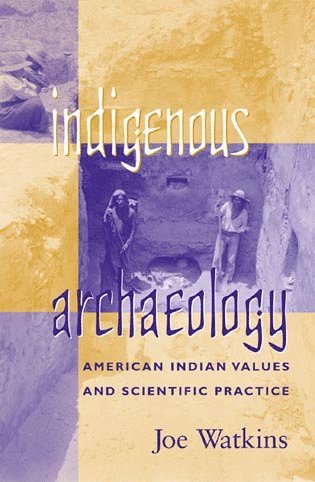
As a practicing archaeologist and a Choctaw Indian, Joe Watkins is uniquely qualified to speak about the relationship between American Indians and archaeologists. Tracing the often stormy relationship between the two, Watkins highlights the key arenas where the two parties intersect: ethics, legislation, and archaeological practice. Watkins describes cases where the mixing of indigenous values and archaeological practice has worked well—and some in which it hasn't—both in the United States and around the globe. He surveys the attitudes of archaeologists toward American Indians through an inventive series of of hypothetical scenarios, with some eye-opening results. And he calls for the development of Indigenous Archaeology, in which native peoples are full partners in the key decisions about heritage resources management as well as the practice of it. Watkins' book is an important contribution in the contemporary public debates in public archaeology, applied anthropology, cultural resources management, and Native American studies.
Häftad, Engelska, 2001
622 kr
Skickas inom 10-15 vardagar
As a practicing archaeologist and a Choctaw Indian, Joe Watkins is uniquely qualified to speak about the relationship between American Indians and archaeologists. Tracing the often stormy relationship between the two, Watkins highlights the key arenas where the two parties intersect: ethics, legislation, and archaeological practice. Watkins describes cases where the mixing of indigenous values and archaeological practice has worked well—and some in which it hasn't—both in the United States and around the globe. He surveys the attitudes of archaeologists toward American Indians through an inventive series of of hypothetical scenarios, with some eye-opening results. And he calls for the development of Indigenous Archaeology, in which native peoples are full partners in the key decisions about heritage resources management as well as the practice of it. Watkins' book is an important contribution in the contemporary public debates in public archaeology, applied anthropology, cultural resources management, and Native American studies.
Häftad, Engelska, 2008
722 kr
Skickas inom 10-15 vardagar
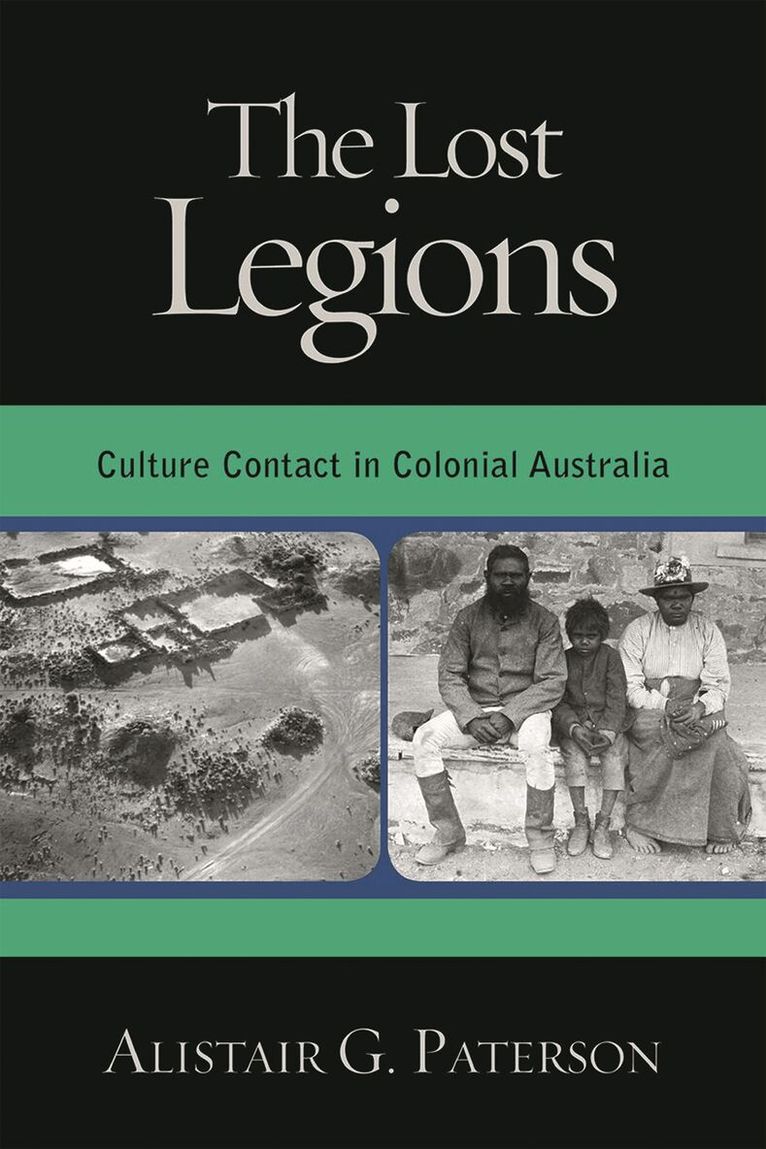
The Lost Legions explores the cultural interactions between Indigenous peoples and European settlers. Paterson draws especially on archaeological evidence from central Australia, where European pastoralists found themselves in the heart of the territory of the Aborigine Arabana people. Paterson also considers other sources of information—such as oral histories, onomastics, and evidence of culture contact in the Americas and South Africa—to develop a broad understanding of what happens when such different civilizations encounter one another.
E-bok
Engelska, 20091 451 kr
Läs direkt efter köp
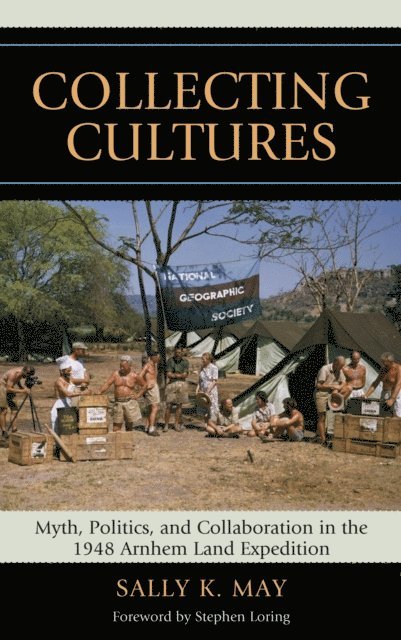
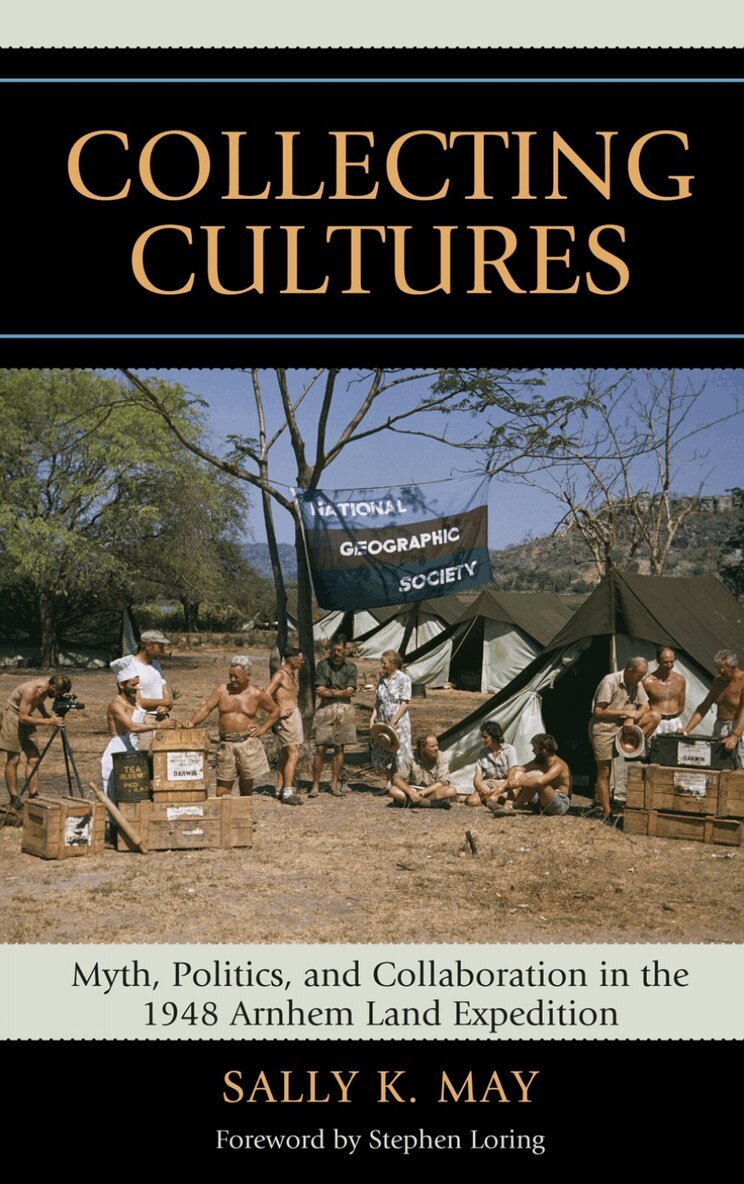
In February 1948, a team of Australians and Americans embarked upon one of the largest scientific expeditions that had ever taken place in Australia. Seventeen men and women journeyed across northern Australia for nine months, investigating the people and environment of the remote region known as Arnhem Land. Today, the Arnhem Land Expedition remains one of the most significant, most ambitious, and least understood expeditions ever mounted. Collecting Cultures draws together diverse strands of evidence to investigate the events and consequences of the 1948 Arnhem Land Expedition. In the wake of the expedition came volumes of scientific publications, kilometers of film, thousands of photographs, tens of thousands of scientific specimens, and a vast array of artifacts and artwork from across Arnhem Land. Collecting Cultures explores the complex and, at times, contentious legacy of this ethnographic fieldwork and artifact collection, revealing how the cross-cultural encounters transformed and continue to transform our understanding of people and places.
E-bok
Engelska, 2004701 kr
Läs direkt efter köp
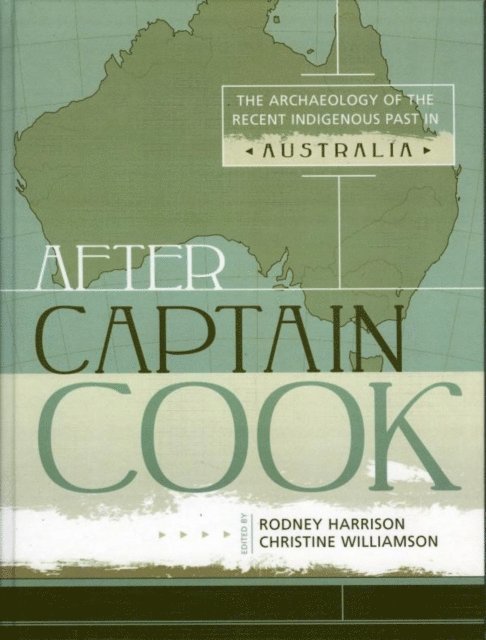
The original papers collected in this pioneering volume address the historical archaeology of Aboriginal Australia and its application in researching the shared history of Aboriginal and settler Australians. The authors draw on case studies from across the continent to show how archaeology can illuminate the continuum of responses by indigenous Australians to European settlement and colonization. Taking an innovative approach to the relationship between archaeological theory and contemporary Australian history, the book also examines the role of archaeology in current debates over Aboriginal land rights and the role of ''post-contact'' archaeology in cultural heritage management. An introduction by the series editors places the Australian material in the context of indigenous archaeological studies worldwide. The volume will be of interest to academic and public archaeologists, indigenous people, anthropologists, historians, and heritage managers who deal with indigenous communities.
Inbunden, Engelska, 2009
1 248 kr
Tillfälligt slut
In February 1948, a team of Australians and Americans embarked upon one of the largest scientific expeditions that had ever taken place in Australia. Seventeen men and women journeyed across northern Australia for nine months, investigating the people and environment of the remote region known as Arnhem Land. Today, the Arnhem Land Expedition remains one of the most significant, most ambitious, and least understood expeditions ever mounted. Collecting Cultures draws together diverse strands of evidence to investigate the events and consequences of the 1948 Arnhem Land Expedition. In the wake of the expedition came volumes of scientific publications, kilometers of film, thousands of photographs, tens of thousands of scientific specimens, and a vast array of artifacts and artwork from across Arnhem Land. Collecting Cultures explores the complex and, at times, contentious legacy of this ethnographic fieldwork and artifact collection, revealing how the cross-cultural encounters transformed and continue to transform our understanding of people and places.