Innovations in Environmental Engineering - Böcker
Visar alla böcker i serien Innovations in Environmental Engineering. Handla med fri frakt och snabb leverans.
5 produkter
5 produkter
1 366 kr
Skickas inom 10-15 vardagar
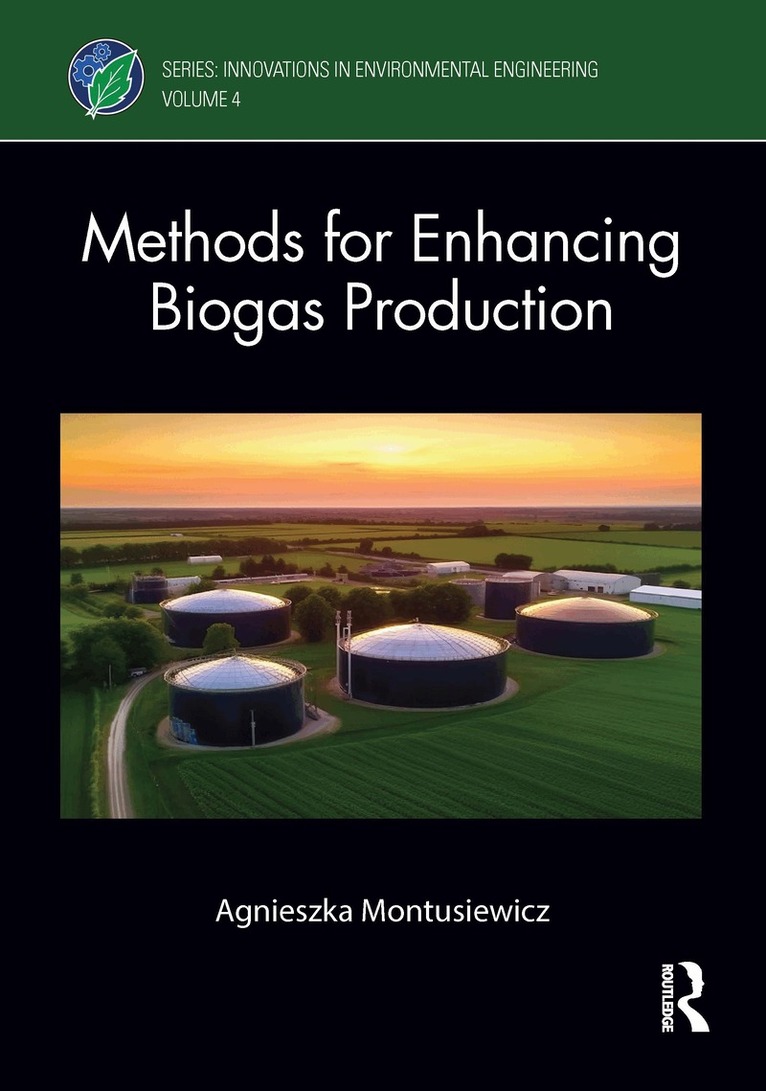
The concern about using organic waste as a renewable energy source is a critical worldwide issue. In this area, anaerobic digestion (AD) seems to be a promising solution because of the significant reduction of waste quantity and generation of valuable products such as biogas, regarded as being a good energy carrier and digestate with high nutritional potential for agriculture. The current trends in AD focus on improving the efficiency of the process to make this a cost-effective treatment. Depending on the source (agricultural, municipal, or industrial), organic waste varies considering both its composition and structure, and thus the bioaccessibility and biodegradability.Accordingly, materials rich in carbohydrates, proteins, and fats require different operational conditions to overcome technological problems and minimize the risk of disruption or failure of the anaerobic systems.Different strategies can be used to enhance biogas production, including waste pretreatment (physical, chemical, physico-chemical, biological, and combined), two-stage AD (temperaturephased AD and two-phase AD), anaerobic co-digestion (two-substrate and multi-substrate systems), and bioaugmentation (with natural strains or specialized consortia of microorganisms and genetically modified microorganisms or their consortia). Some of them enhance its accessibility and digestibility, while others improve nutritional balance, metabolic properties, and operational factors, facilitating synergistic effect of microorganisms. This book covers the current developments in the area of enhancing biogas production.
2 113 kr
Skickas inom 10-15 vardagar
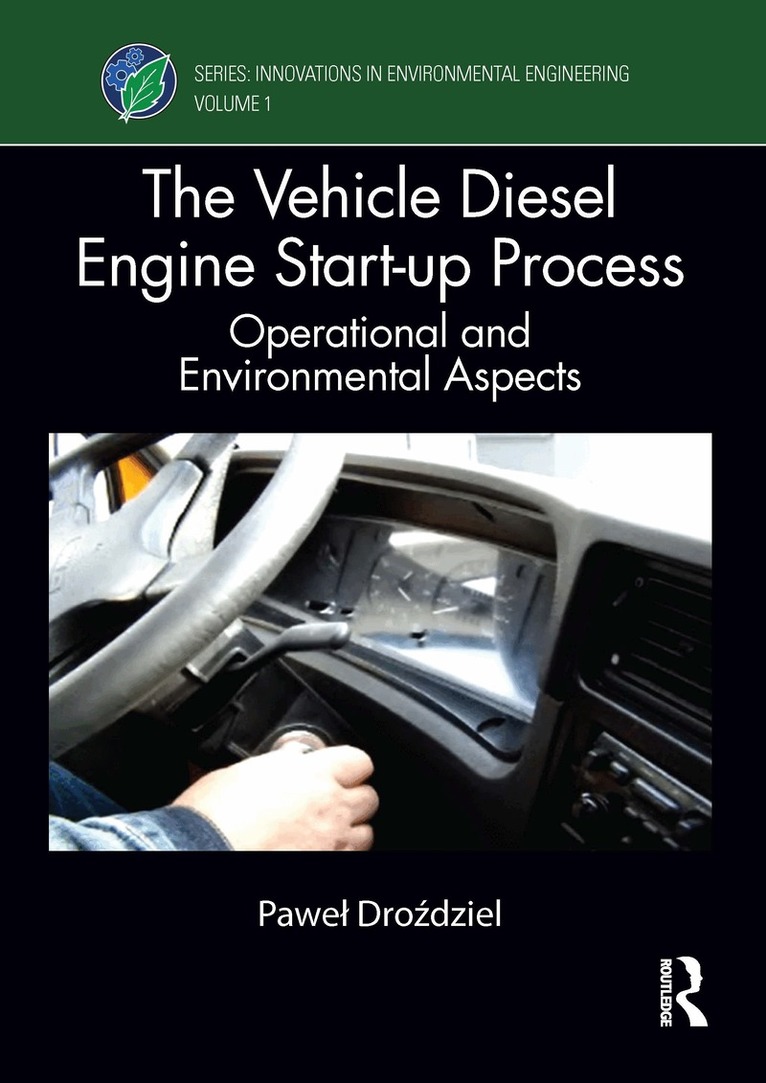
The start-up process constitutes one of the most important states of vehicle internal combustion engine operation. It enables the internal combustion engine to run autonomously in neutral gear. Increased emission of toxic components of exhaust gases, significant wear intensity of friction pairs of the engine, and occurrence of sudden overloads in the vehicle electrical start-up system can be observed during the start-up process. The Vehicle Diesel Engine Start-up Process: Operational and Environmental Aspects offers insight into the start-up process of a vehicle's diesel engine and is the result of the author’s academic research carried out for more than 25 years. The book discusses the impact of road transport on the natural environment of humans, with special attention to toxic emissions from diesel engines in particular. The multi-stage start-up process of an internal combustion engine is analyzed in terms of actual operation of vehicles in a selected transport system. Attention is also paid to the main factors that influence the start-up parameters of a diesel engine. The book is aimed at professionals and academics in mechanical engineering with an interest in environmental and operational aspects of internal combustion engines.
2 317 kr
Skickas inom 10-15 vardagar
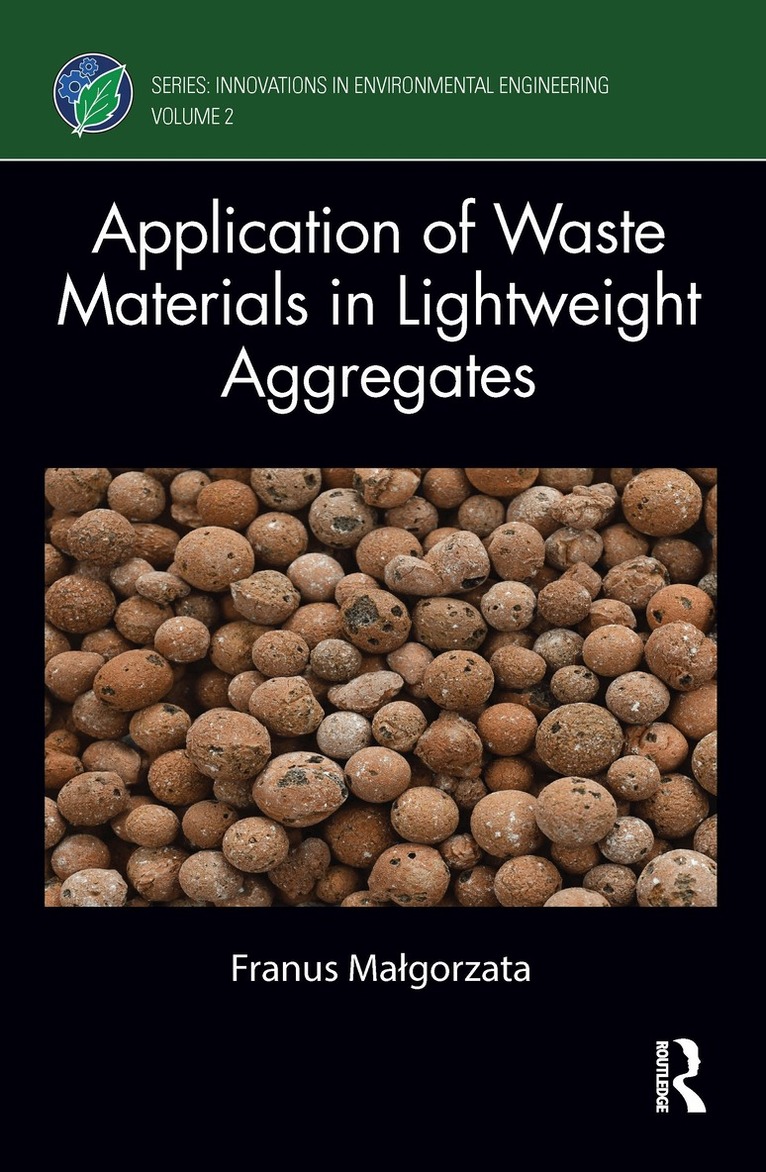
Application of Waste Materials in Lightweight Aggregates presents the current state of knowledge on aggregates production methods, their characteristics, current standards and legal regulations. In addition, the book briefly discusses the issue of the presence of different types of waste in the environment (including municipal, agricultural, energy and mining industries), their characteristics and uses for the production of lightweight aggregates. This book serves as a source of academic information on the course and conditions of using various waste treatment processes for academics, engineers, professionals and students interested in environmental engineering, as well as for companies dealing with recycling and disposal of waste.
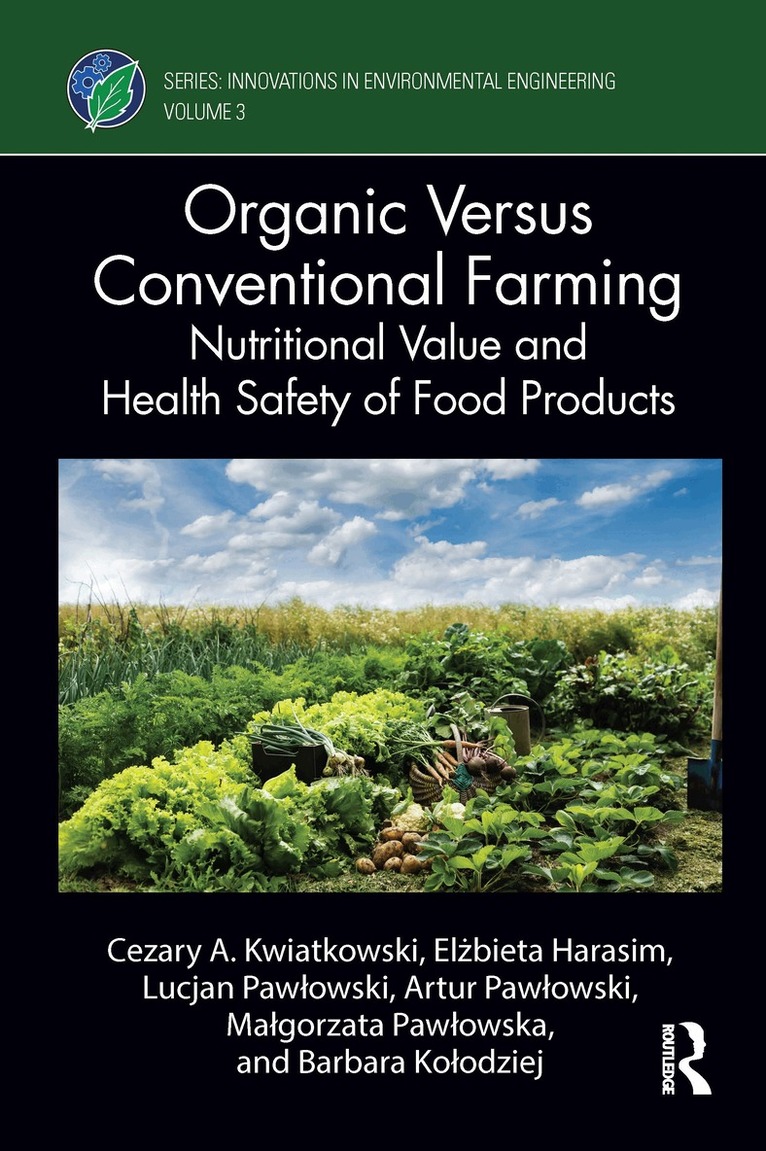
Organic Versus Conventional Farming
Nutritional Value and Health Safety of Food Products
Inbunden, Engelska, 2023
1 366 kr
Skickas inom 10-15 vardagar
This book presents the results of a comparison of the quality of food products and raw materials, such as vegetables, fruits and honey, produced in organic and conventional farming systems. The comparison, which was based on literature data and the results of our own research, included not only the chemical parameters important for assessing the nutritional and health-promoting values, but also the stability of the ingredients in the fruits, which is important from a food storage perspective. The ecological, social and economic aspects of organic food production, which are crucial from the perspective of sustainable development, are also discussed in the book.Organic Versus Conventional Farming aims at academics and farmers, but also to anyone looking for the answer to the question of whether organic farming ensures high-quality food, the production of which is safe for the environment.
2 403 kr
Kommande
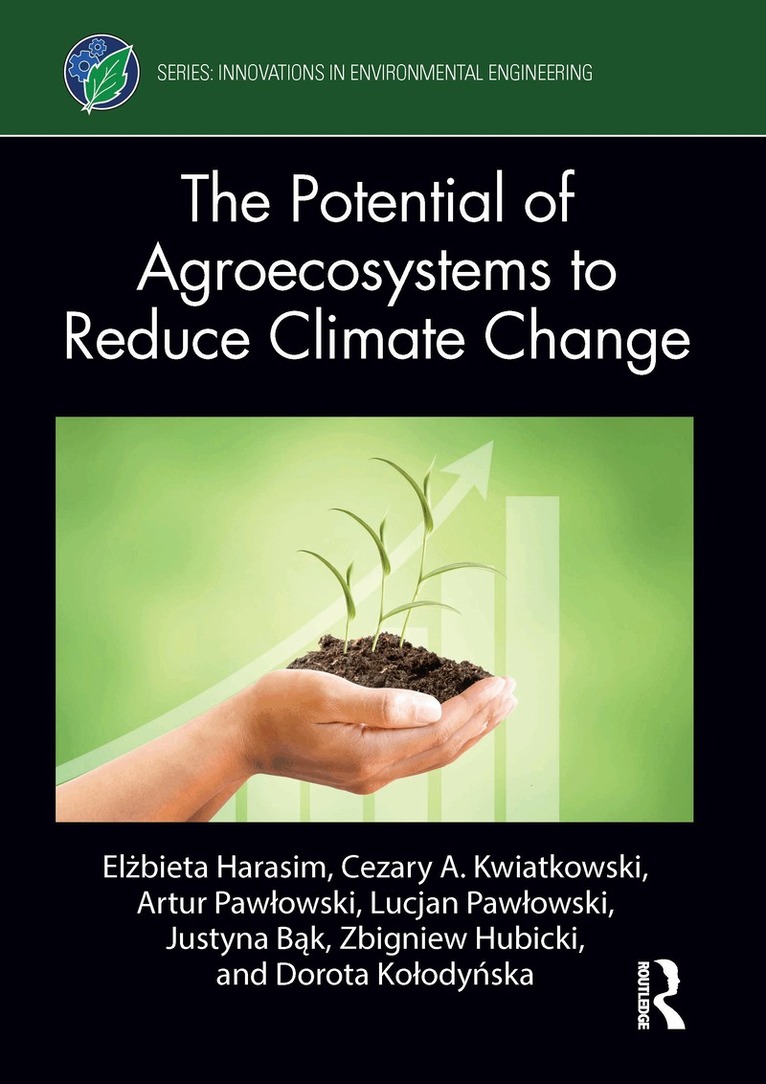
As agricultural systems bear the brunt of global population growth, the world faces an unprecedented challenge: meeting rising food demands while mitigating environmental degradation and climate change. The agricultural intensification methods pioneered since the 1960s have exacted a significant environmental toll in the form of diminishing biodiversity, reducing carbon storage capacity, depleting water resources, degrading soil quality, and increasing greenhouse gas emissions.This comprehensive monograph presents innovative solutions for transforming agroecosystems from environmental liabilities into powerful climate mitigation tools. The authors examine cutting-edge agrotechnical treatments, environmental engineering technologies, and circular economy principles that enable agricultural waste to serve as effective soil improvers and fertilizers. Particular emphasis is placed on the physicochemical properties of biochar and its critical role in carbon sequestration, offering readers both theoretical foundations and practical applications.This is a valuable resource for agricultural scientists, environmental engineers, sustainability professionals, policymakers, graduate students in environmental sciences, and anyone committed to understanding and addressing the intersection of food security and climate change.