iResearch - Böcker
Visar alla böcker i serien iResearch. Handla med fri frakt och snabb leverans.
6 produkter
6 produkter
1 257 kr
Kommande
This book provides students, researchers and practitioners with real examples of applied qualitative research from research design to dissemination. It combines theory and practice to provide readers with the theoretical underpinnings of different approaches to qualitative research whilst also providing a clear example of how and why it was used.
1 289 kr
Skickas inom 5-8 vardagar
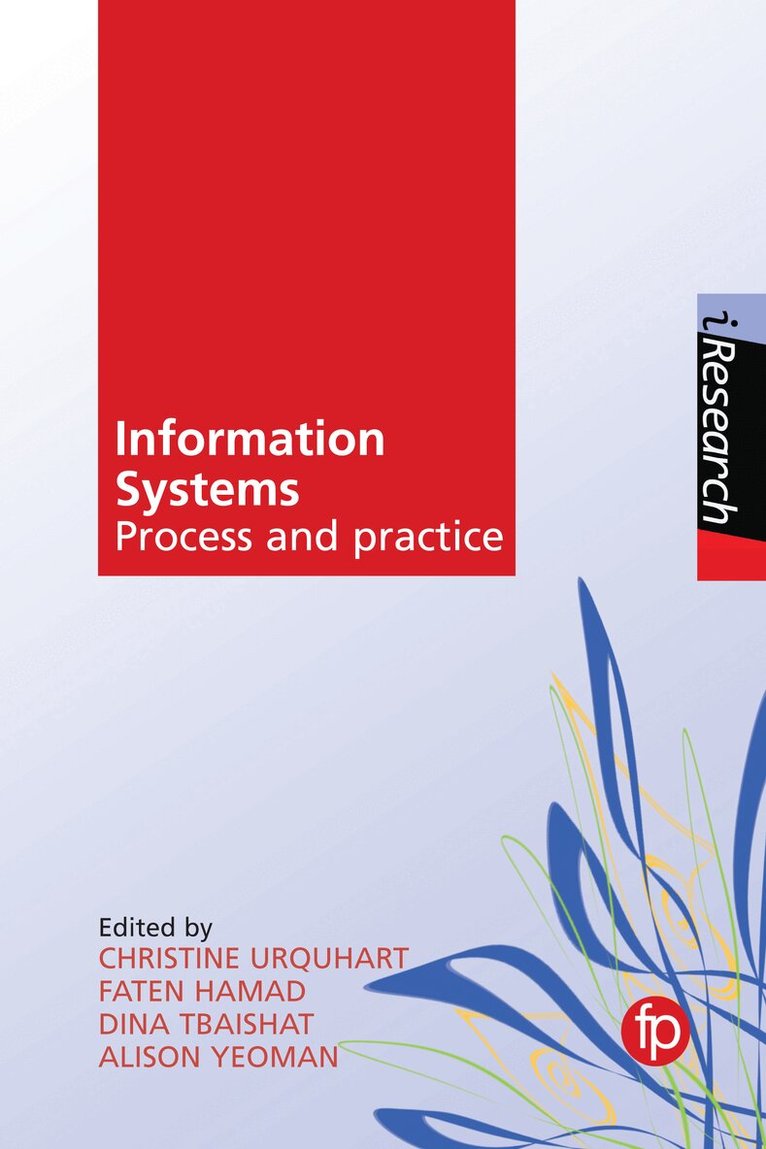
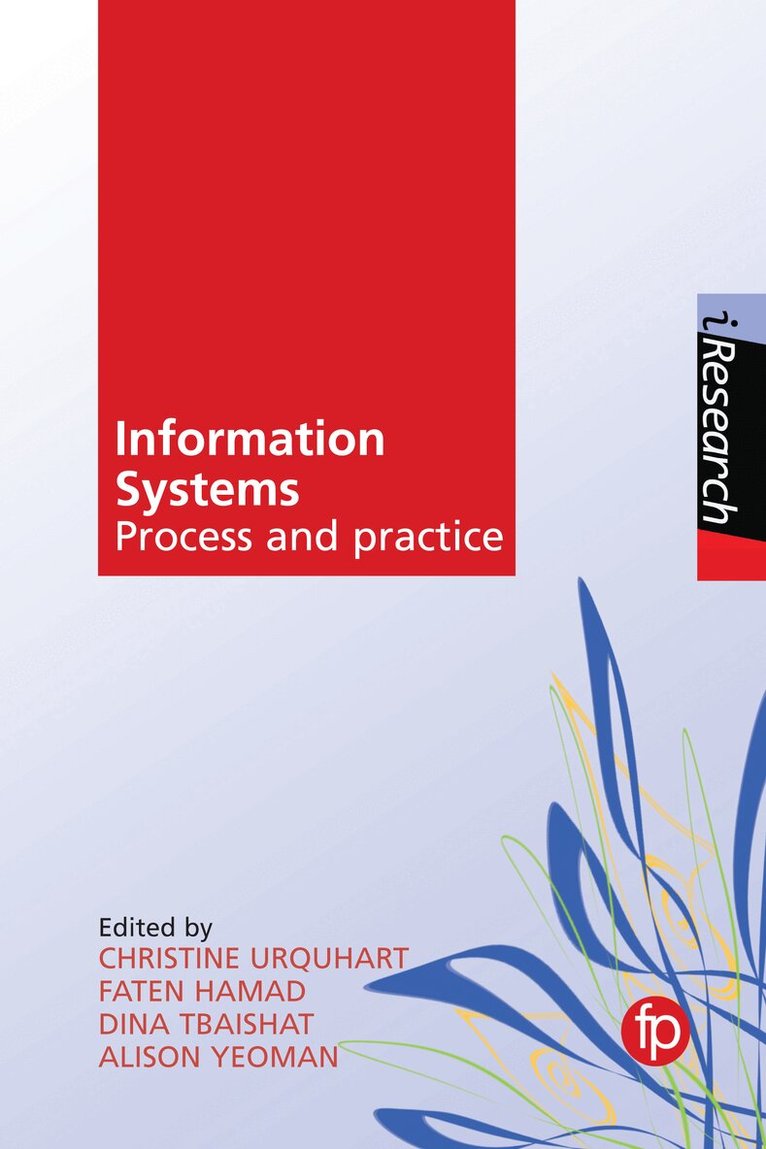
This book adopts a holistic interpretation of information architecture, to offer libraries and information professionals a variety of methods, tools, and techniques that may be used when designing websites and information systems that support workflows and what people require when “managing information”. The editors argue that information architecture for libraries has largely been the study of content architecture and that, on the other hand, library assessment literature has dealt with performance measurement and change management strategies. There is a gap in the middle for information services, with little on the ways of looking at the process architecture of a library and information service and on methods for business process analysis. Information Systems: Process and practice aims to fill that gap with a combination of theory and supporting case studies written by an international line-up of contributors, including Sally Burford, Fernando Loizides, Catherine Burns and Adam Euerby. Case studies cover a wide variety of settings, from discrete resource discovery projects for academic and cultural institutions, through design for large organizational websites, the research evidence about user experience for semi-structured document design on websites, to the health sector with examples including patient support websites and clinical document management. This book:takes a holistic view and interpretation of Information architecture in the context of libraries across the sector, globallydiscusses research and methods that help libraries and information services work from strategic business objectives through the organisation of processes that support the information services offered, and information management functions supportedopens a new area of research/investigation on the link between information behaviour research and information systems and architecture, supported by case studies and projectsincludes contributions from an international range of experts from diverse backgroundsuses introductory sections and chapter commentary from the editors to draw the discussions together.This will be essential reading for researchers in information science specifically in the areas of digital libraries, information architecture and information systems. It will also be useful for practitioners and students in these areas who want to know the different research issues and challenges and learn how they have been handled in course of various research projects in these areas.
2 356 kr
Kommande
This book adopts a holistic interpretation of information architecture, to offer libraries and information professionals a variety of methods, tools, and techniques that may be used when designing websites and information systems that support workflows and what people require when “managing information”. The editors argue that information architecture for libraries has largely been the study of content architecture and that, on the other hand, library assessment literature has dealt with performance measurement and change management strategies. There is a gap in the middle for information services, with little on the ways of looking at the process architecture of a library and information service and on methods for business process analysis. Information Systems: Process and practice aims to fill that gap with a combination of theory and supporting case studies written by an international line-up of contributors, including Sally Burford, Fernando Loizides, Catherine Burns and Adam Euerby. Case studies cover a wide variety of settings, from discrete resource discovery projects for academic and cultural institutions, through design for large organizational websites, the research evidence about user experience for semi-structured document design on websites, to the health sector with examples including patient support websites and clinical document management. This book:takes a holistic view and interpretation of Information architecture in the context of libraries across the sector, globallydiscusses research and methods that help libraries and information services work from strategic business objectives through the organisation of processes that support the information services offered, and information management functions supportedopens a new area of research/investigation on the link between information behaviour research and information systems and architecture, supported by case studies and projectsincludes contributions from an international range of experts from diverse backgroundsuses introductory sections and chapter commentary from the editors to draw the discussions together.This will be essential reading for researchers in information science specifically in the areas of digital libraries, information architecture and information systems. It will also be useful for practitioners and students in these areas who want to know the different research issues and challenges and learn how they have been handled in course of various research projects in these areas.
2 732 kr
Tillfälligt slut
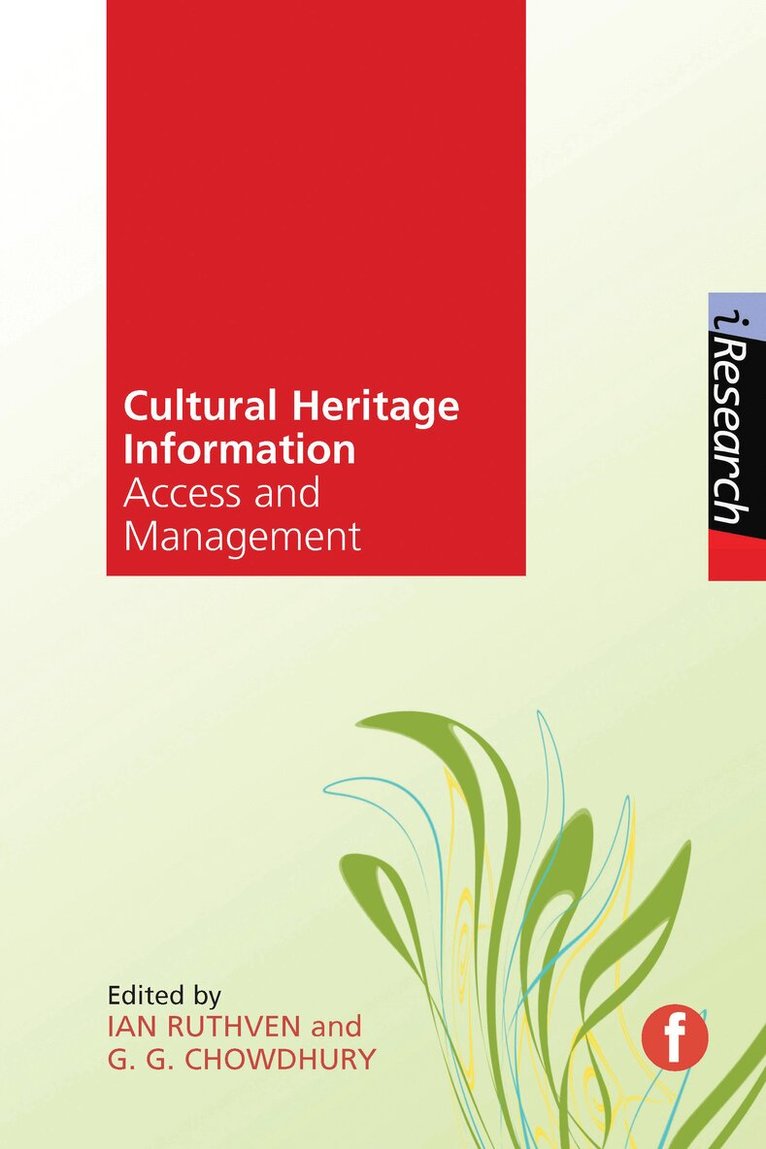
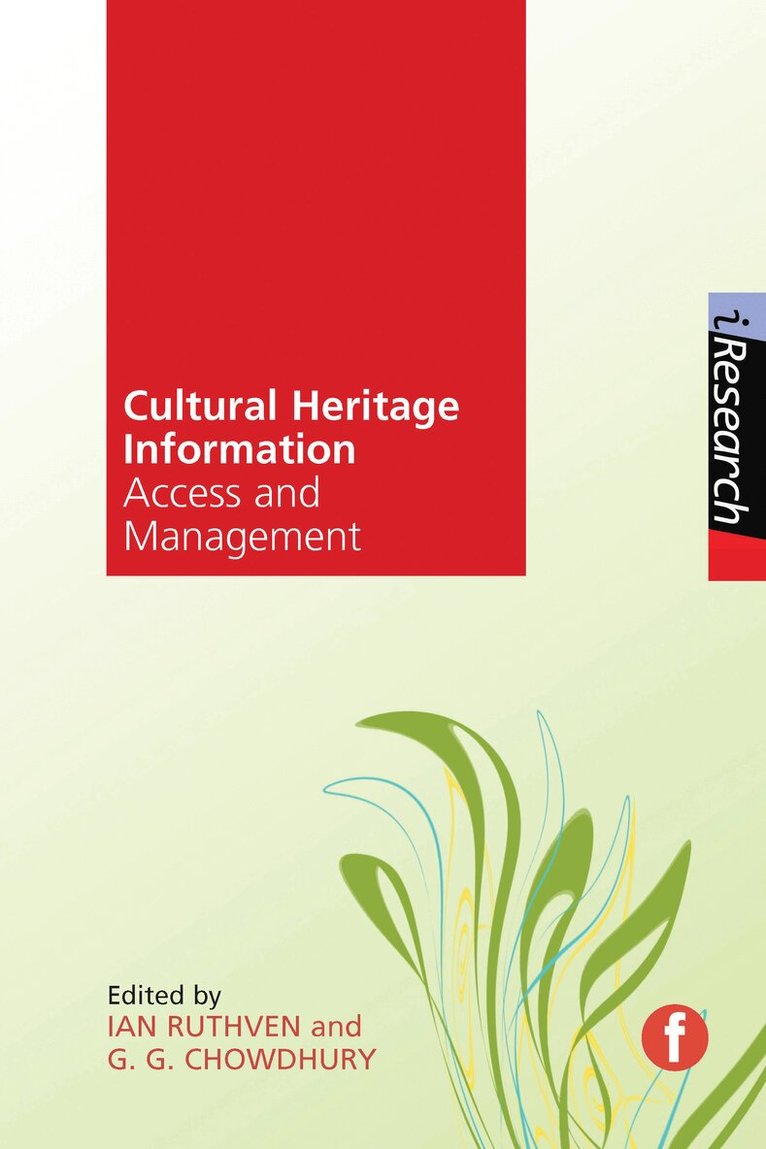
This book provides an overview of various challenges and contemporary research activities in cultural heritage information focusing particularly on the cultural heritage content types, their characteristic and digitization challenges; cultural heritage content organization and access issues; users and usability as well as various policy and sustainability issues associated with digital cultural heritage information systems and services. Cultural Heritage Information, the first book in the peer-reviewed i-Research series, contains eleven chapters that have been contributed by seventeen leading academics from six countries. The book begins with an introductory chapter that provides a brief overview of the topic of digital cultural heritage information with the subsequent chapters addressing specific issues and research activities in this topic. The ordering of the chapters moves from scene setting on policies and infrastructures, through considerations of interaction, access and objects, through to concrete system implementations. The book concludes by looking forward to issues around sustainability, in the widest sense, that are necessary to think about in order to maximize the availability and longevity of our digital cultural heritage. The key topics covered are:Managing digital cultural heritage information Digital humanities and digital cultural heritage (alt-history and future directions)Management of cultural heritage information: policies and practicesCultural heritage information: artefacts and digitization technologiesMetadata in cultural contexts – from manga to digital archives in linked open data environmentManaging cultural heritage: information systems architectureCultural heritage information users and usabilityA framework for classifying and comparing interactions in cultural heritage information systemsSemantic access and exploration in cultural heritage digital librariesSupporting exploration and use of digital cultural heritage materials: the PATHS perspectiveCultural heritage information services: sustainability issues. Readership: This will be essential reading for researchers in Information Science specifically in the areas of digital libraries, digital humanities and digital culture. It will also be useful for practitioners and students in these areas who want to know the different research issues and challenges and learn how they have been handled in course of various research projects in these areas.
2 544 kr
Kommande
This book provides students, researchers and practitioners with real examples of applied qualitative research from research design to dissemination. It combines theory and practice to provide readers with the theoretical underpinnings of different approaches to qualitative research whilst also providing a clear example of how and why it was used.
1 367 kr
Skickas inom 11-20 vardagar
This book provides an overview of various challenges and contemporary research activities in cultural heritage information focusing particularly on the cultural heritage content types, their characteristic and digitization challenges; cultural heritage content organization and access issues; users and usability as well as various policy and sustainability issues associated with digital cultural heritage information systems and services. Cultural Heritage Information, the first book in the peer-reviewed i-Research series, contains eleven chapters that have been contributed by seventeen leading academics from six countries. The book begins with an introductory chapter that provides a brief overview of the topic of digital cultural heritage information with the subsequent chapters addressing specific issues and research activities in this topic. The ordering of the chapters moves from scene setting on policies and infrastructures, through considerations of interaction, access and objects, through to concrete system implementations. The book concludes by looking forward to issues around sustainability, in the widest sense, that are necessary to think about in order to maximize the availability and longevity of our digital cultural heritage. The key topics covered are:Managing digital cultural heritage information Digital humanities and digital cultural heritage (alt-history and future directions)Management of cultural heritage information: policies and practicesCultural heritage information: artefacts and digitization technologiesMetadata in cultural contexts – from manga to digital archives in linked open data environmentManaging cultural heritage: information systems architectureCultural heritage information users and usabilityA framework for classifying and comparing interactions in cultural heritage information systemsSemantic access and exploration in cultural heritage digital librariesSupporting exploration and use of digital cultural heritage materials: the PATHS perspectiveCultural heritage information services: sustainability issues. Readership: This will be essential reading for researchers in Information Science specifically in the areas of digital libraries, digital humanities and digital culture. It will also be useful for practitioners and students in these areas who want to know the different research issues and challenges and learn how they have been handled in course of various research projects in these areas.