G. G. Chowdhury - Böcker
Visar alla böcker från författaren G. G. Chowdhury. Handla med fri frakt och snabb leverans.
16 produkter
16 produkter
1 738 kr
Kommande
2 732 kr
Tillfälligt slut
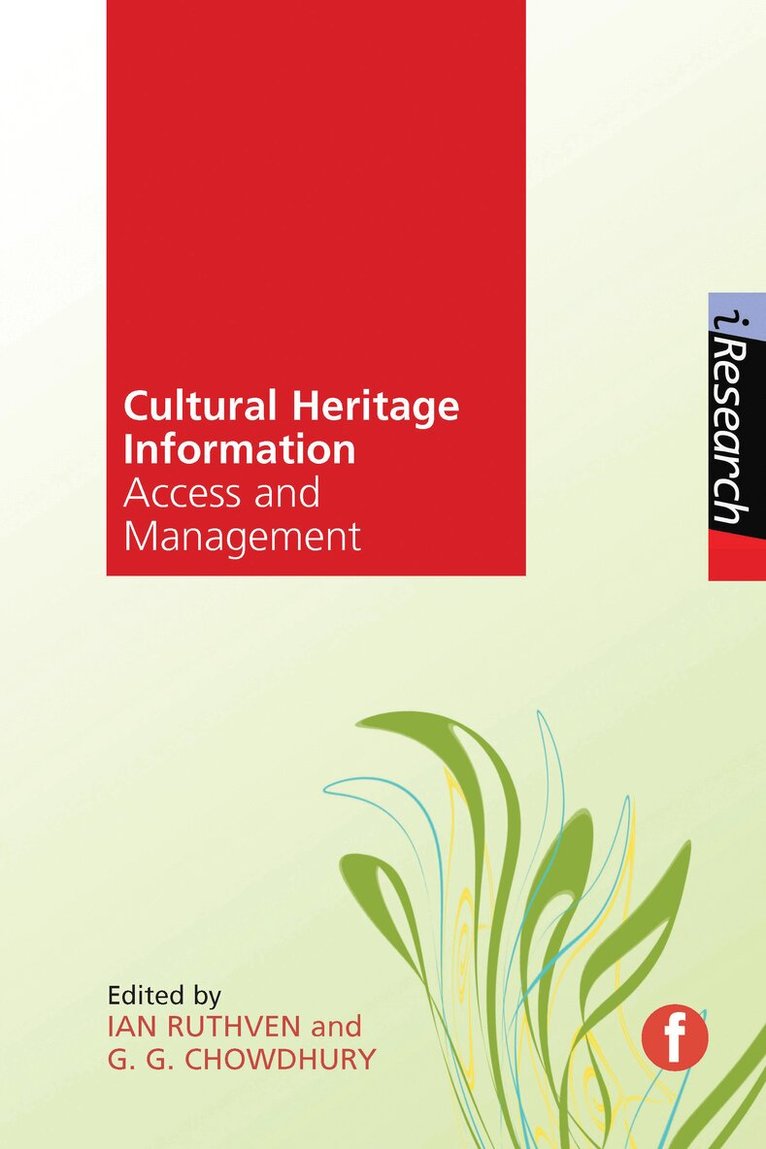
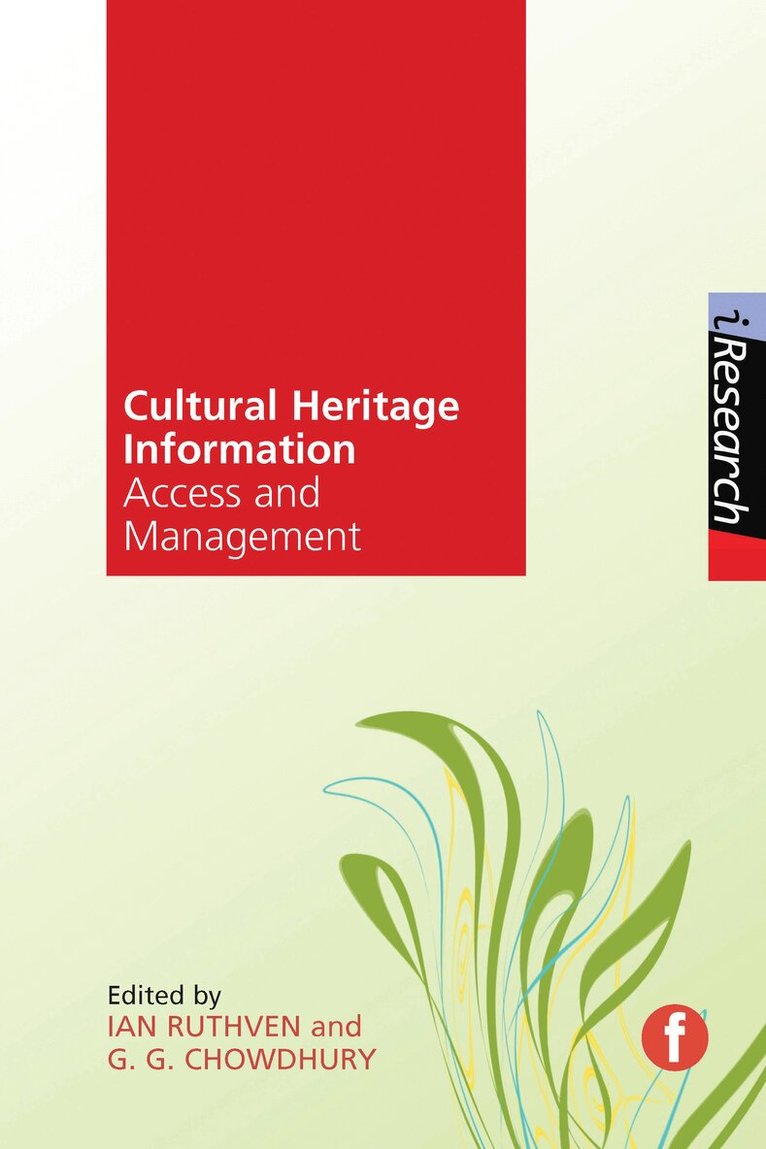
This book provides an overview of various challenges and contemporary research activities in cultural heritage information focusing particularly on the cultural heritage content types, their characteristic and digitization challenges; cultural heritage content organization and access issues; users and usability as well as various policy and sustainability issues associated with digital cultural heritage information systems and services. Cultural Heritage Information, the first book in the peer-reviewed i-Research series, contains eleven chapters that have been contributed by seventeen leading academics from six countries. The book begins with an introductory chapter that provides a brief overview of the topic of digital cultural heritage information with the subsequent chapters addressing specific issues and research activities in this topic. The ordering of the chapters moves from scene setting on policies and infrastructures, through considerations of interaction, access and objects, through to concrete system implementations. The book concludes by looking forward to issues around sustainability, in the widest sense, that are necessary to think about in order to maximize the availability and longevity of our digital cultural heritage. The key topics covered are:Managing digital cultural heritage information Digital humanities and digital cultural heritage (alt-history and future directions)Management of cultural heritage information: policies and practicesCultural heritage information: artefacts and digitization technologiesMetadata in cultural contexts – from manga to digital archives in linked open data environmentManaging cultural heritage: information systems architectureCultural heritage information users and usabilityA framework for classifying and comparing interactions in cultural heritage information systemsSemantic access and exploration in cultural heritage digital librariesSupporting exploration and use of digital cultural heritage materials: the PATHS perspectiveCultural heritage information services: sustainability issues. Readership: This will be essential reading for researchers in Information Science specifically in the areas of digital libraries, digital humanities and digital culture. It will also be useful for practitioners and students in these areas who want to know the different research issues and challenges and learn how they have been handled in course of various research projects in these areas.
3 038 kr
Skickas inom 11-20 vardagar
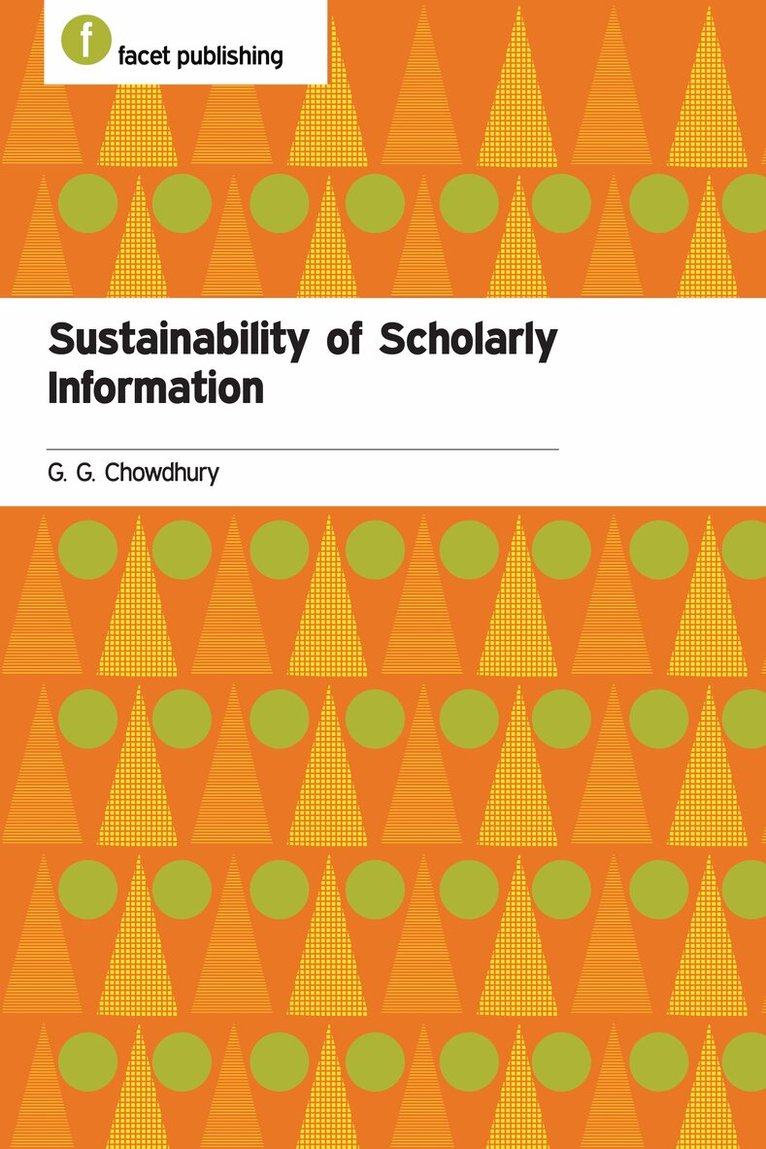
This is the first book to discuss the sustainable development of digital scholarly information in three key aspects: economic, social and environmental sustainability. Taking as its starting point the premise that digital information systems and services form the backbone of a knowledge society and digital economy, this book explores the challenges of ensuring sustainability of information in an evolving digital world. Author Gobinda Chowdhury attempts to find answers to five key questions in the context of scholarly information systems and services; 1) How sustainable are today’s information systems and services?; 2) How can we ensure the sustainability of information throughout its lifetime?; 3) Can today’s information systems and services face the new economic challenges while providing easy and equitable access to information for everyone?; 4) Can the level and quality of information services be sustained over a long period of time?; 5) Can all these activities be performed in an environment-friendly manner? Chowdhury takes the approach of a research monograph based on literature review and meta-analysis of the issues and challenges associated with the various forms of sustainability of digital information systems and services. He proposes new models for study and research based on the critical analysis of developments in related areas. Illustrated with case studies and informed by the latest research, the chapters cover, economic sustainability of information, environmental sustainability of information, social sustainability of information, sustainability of digital libraries and information services, emerging issues and policies, sustainability of information models, research issues and challenges. This cutting-edge text is a must-read for those involved in setting policy and direction for information institutions, digital library managers and developers, researchers and students on LIS and digital information courses.
2 500 kr
Skickas inom 5-8 vardagar
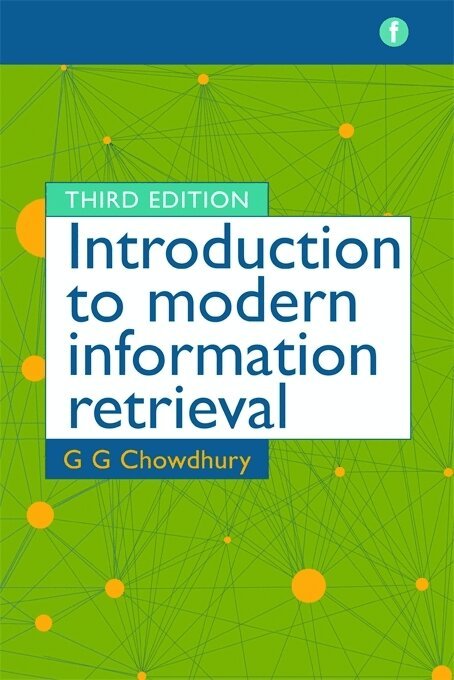
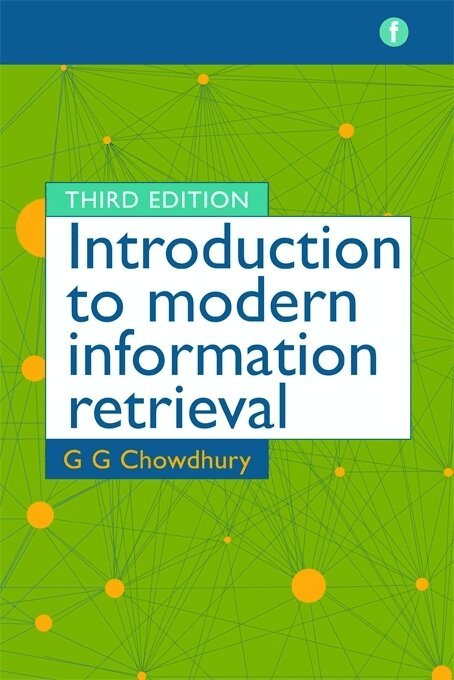
An information retrieval (IR) system is designed to analyse, process and store sources of information and retrieve those that match a particular user's requirements. A bewildering range of techniques is now available to the information professional attempting to successfully retrieve information. It is recognized that today's information professionals need to concentrate their efforts on learning the techniques of computerized IR. However, it is this book's contention that it also benefits them to learn the theory, techniques and tools that constitute the traditional approaches to the organization and processing of information. In fact much of this knowledge may still be applicable in the storage and retrieval of electronic information in digital library environments. The fully revised third edition of this highly regarded textbook has been thoroughly updated to incorporate major changes in this rapidly expanding field since the second edition in 2004, and a complete new chapter on citation indexing has been added. Unique in its scope, the book covers the whole spectrum of information storage and retrieval, including: users of IR and IR options; database technology; bibliographic formats; cataloguing and metadata; subject analysis and representation; automatic indexing and file organization; vocabulary control; abstracts and indexing; searching and retrieval; user-centred models of IR and user interfaces; evaluation of IR systems and evaluation experiments; online and CD-ROM IR; multimedia IR; hypertext and mark-up languages; web IR; intelligent IR; natural language processing and its applications in IR; citation analysis and IR; IR in digital libraries; and trends in IR research. Illustrated with many examples and comprehensively referenced for an international audience, this is an indispensable textbook for students of library and information studies. It is also an invaluable aid for information practitioners wishing to brush up on their skills and keep up to date with the latest techniques.
1 049 kr
Skickas inom 5-8 vardagar
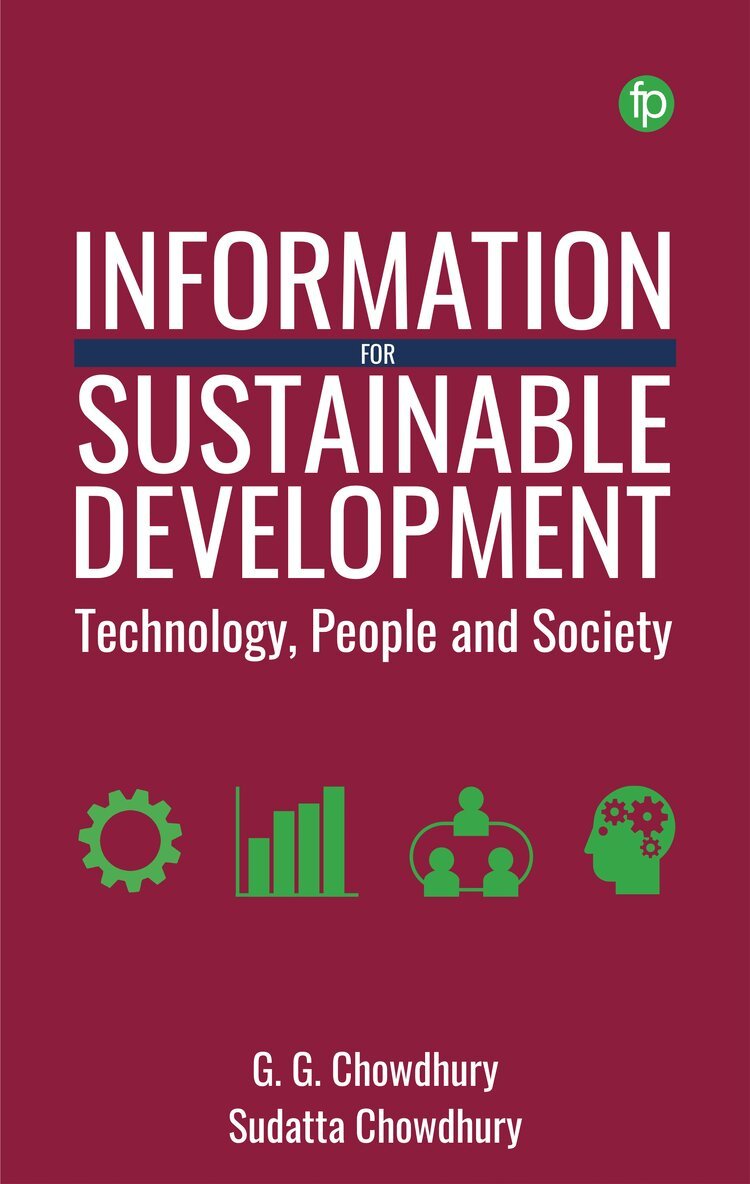
Information for Sustainable Development is a landmark publication that examines the perspectives, challenges and progress towards achieving the targets of the UN sustainable development goals (SDGs), through the lens of information science. Written by an author team with extensive experience in the research and practice of information and sustainability, the book provides a thorough introduction to the SDGs and the impact of information, data, people and society on measuring performance and assessing progress in achieving the SDG goals.Split into four distinct sections, the book provides an introduction to the landscape for information, data and metadata in the context of the SDGs, before exploring key topics such as:how metadata is used in measuring progress and success, and the challenges and complexities of calculation methods and the interpretation of datadigital literacy and the digital divide across different countries and regions, and how critical information skills are in achieving success in the SDGsspecific human and social challenges associated with the SDGseducation for sustainable development and the role of environmental literacyan examination of the research and development in the information sector around green libraries, climate change and sustainability, including a proposed research and training framework for future information science research.This book will be a valuable resource for researchers, students and professionals in information and computer sciences as well as disciplines such as politics, business and education. It will provide inspiration and new discussion on how the information, data, people and societal elements of the SDGs should be considered and embedded in future research and training activity.
2 083 kr
Skickas inom 5-8 vardagar
Information for Sustainable Development is a landmark publication that examines the perspectives, challenges and progress towards achieving the targets of the UN sustainable development goals (SDGs), through the lens of information science. Written by an author team with extensive experience in the research and practice of information and sustainability, the book provides a thorough introduction to the SDGs and the impact of information, data, people and society on measuring performance and assessing progress in achieving the SDG goals.Split into four distinct sections, the book provides an introduction to the landscape for information, data and metadata in the context of the SDGs, before exploring key topics such as:how metadata is used in measuring progress and success, and the challenges and complexities of calculation methods and the interpretation of datadigital literacy and the digital divide across different countries and regions, and how critical information skills are in achieving success in the SDGsspecific human and social challenges associated with the SDGseducation for sustainable development and the role of environmental literacyan examination of the research and development in the information sector around green libraries, climate change and sustainability, including a proposed research and training framework for future information science research.This book will be a valuable resource for researchers, students and professionals in information and computer sciences as well as disciplines such as politics, business and education. It will provide inspiration and new discussion on how the information, data, people and societal elements of the SDGs should be considered and embedded in future research and training activity.
949 kr
Skickas inom 5-8 vardagar
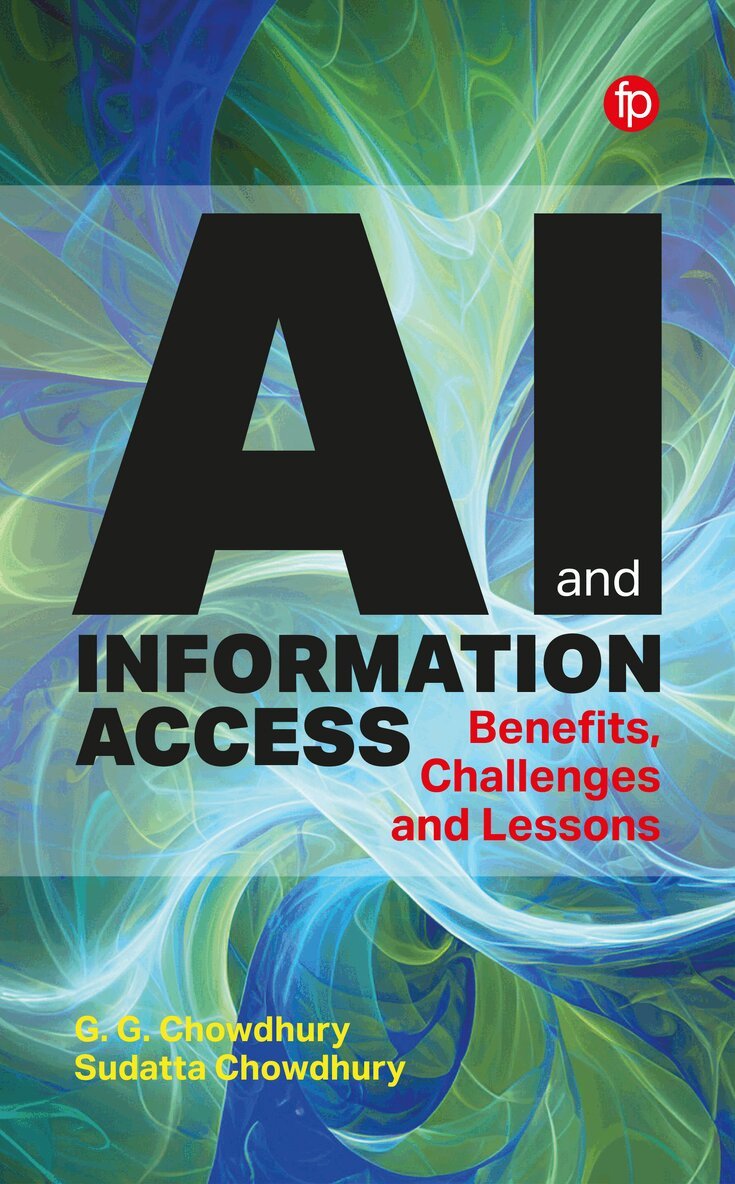
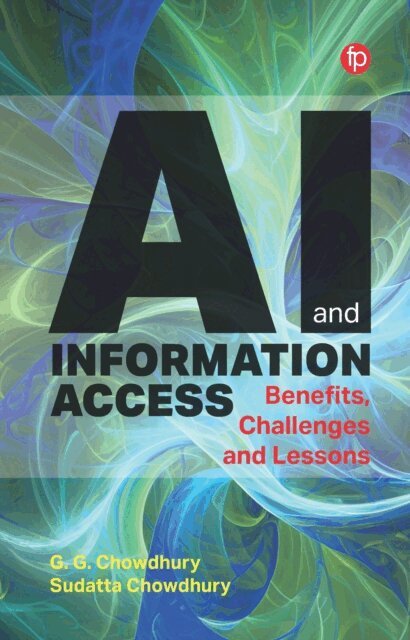
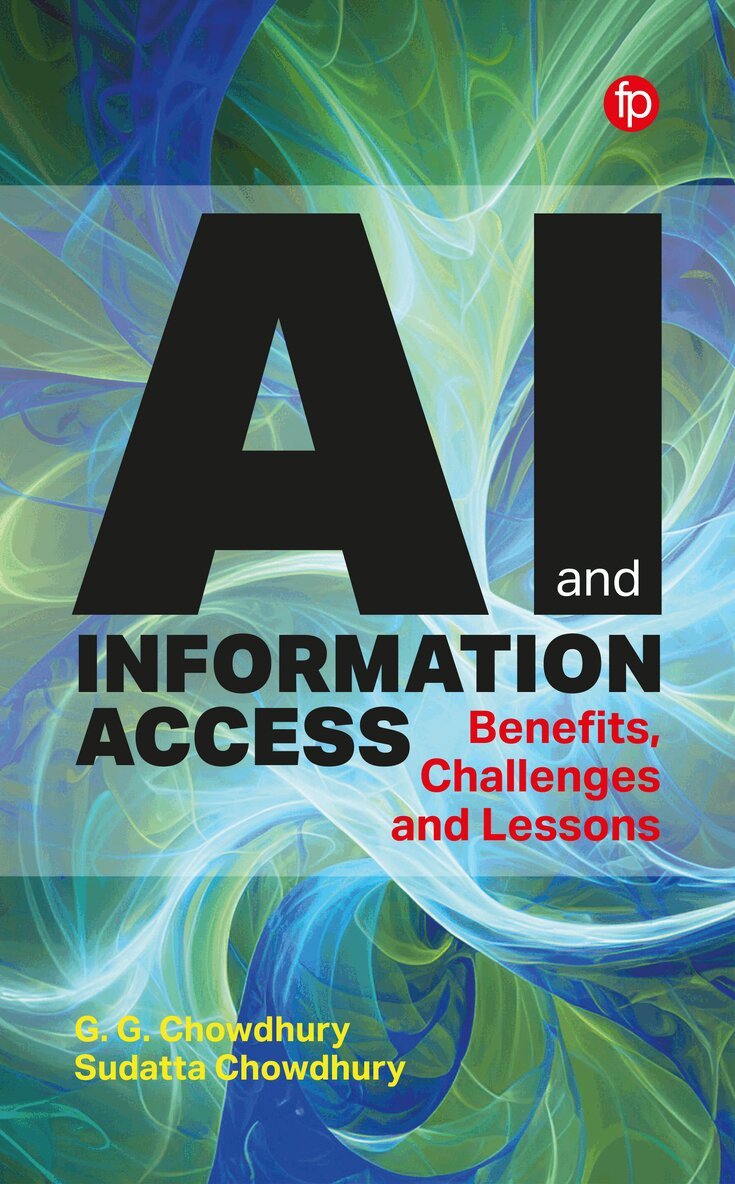
Libraries and information services are constantly evolving and adapting to the capacity and capabilities offered by emerging technologies. With the emergence of Generative AI (Gen AI), what is the impact of these tools for access to information?By undertaking an evidence-based approach and analysing and comparing the output generated by a range of Gen AI tools for access to specific information in everyday life, research and scholarly contexts, this book discusses the implications of these technologies for the end-users, as well as education and professional practice in the library and information sciences.Designed for students, academics, researchers and professionals in library science, information science and computer science, this authoritative work takes a practical approach to demonstrate and critically analyse the benefits offered by emerging Gen AI tools for information access, as well as the potential challenges and questions associated with the use of these tools. Legal and ethical issues of using Gen AI are discussed as well as the skills needed in order to use these tools effectively to find data and information for research and in everyday life.
2 001 kr
Skickas inom 11-20 vardagar
Libraries and information services are constantly evolving and adapting to the capacity and capabilities offered by emerging technologies. With the emergence of Generative AI (Gen AI), what is the impact of these tools for access to information?By undertaking an evidence-based approach and analysing and comparing the output generated by a range of Gen AI tools for access to specific information in everyday life, research and scholarly contexts, this book discusses the implications of these technologies for the end-users, as well as education and professional practice in the library and information sciences.Designed for students, academics, researchers and professionals in library science, information science and computer science, this authoritative work takes a practical approach to demonstrate and critically analyse the benefits offered by emerging Gen AI tools for information access, as well as the potential challenges and questions associated with the use of these tools. Legal and ethical issues of using Gen AI are discussed as well as the skills needed in order to use these tools effectively to find data and information for research and in everyday life.
1 033 kr
Tillfälligt slut
Recent developments in ICT, especially the web, have led to the creation of a growing number of digital library projects in the UK, USA and elsewhere. This new phenomenon is designed to bring a paradigm shift in the ways we create, access and use information. The design and development of digital libraries depend on computer, communication and other technical skills, and the dream of successful digital libraries leading to a global digital environment can only be fulfilled when sufficient practitioners have the skills to design, build and manage them. This book presents a holistic view of the new digital library scene. Supported by a wealth of international examples, it is an essential guide to good digital practice and techniques. The authors have experience both in teaching courses on digital libraries and in actively researching them, and the text is based on evidence provided by models of major digital library research projects around the globe. Key topics include: • digital libraries: definition and characteristics • features of some digital libraries • digital library design • digital library research • collection management • digitization • information organization • information access and user interface • information retrieval in digital libraries • digital archiving and preservation • digital library services • social, economic and legal issues • digital library evaluation • digital libraries and the information profession • trends in digital library research and development. Readership: This invaluable textbook offers an all-round view of digital libraries and is a core text for students of digital librarianship and related courses at departments of information science and computer science. It is also essential reading for practitioners and researchers who need to get a good grasp of issues and developments in the field.
1 033 kr
Skickas inom 5-8 vardagar
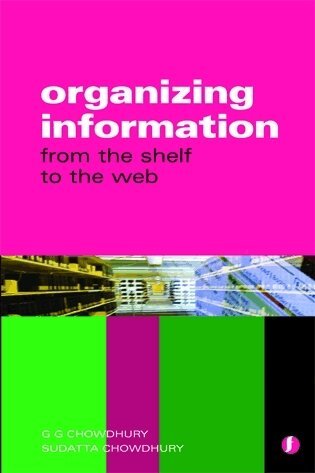
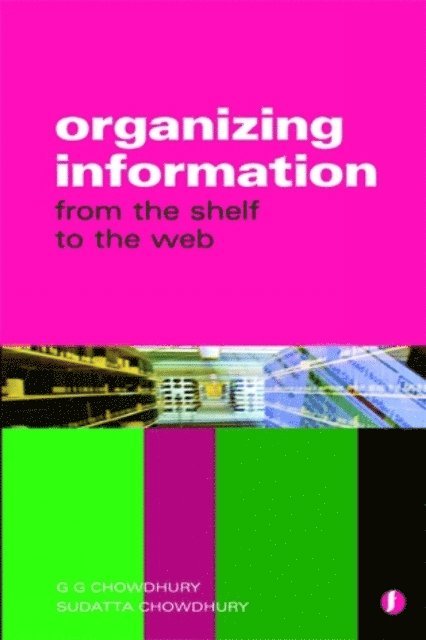
Tomorrow's LIS professionals will have to be conversant with all the tools and techniques for organizing information in different domains - from the library's shelves to the web and digital libraries. This core text covers the organization of the entire spectrum of information, and the principles, tools and techniques needed to do this effectively. The most up-to-date textbook yet available on this subject, this comprehensive book covers everything from traditional cat & class, through to metadata, information architecture and the semantic web. Written by experienced lecturers in the subject, who have authored several other successful textbooks, this book provides both an overview of the whole field of information organization, as well as an easy-to-understand introduction to each of the individual topics, which can be followed up with further study by following the references at the end of each chapter. The chapters cover: • cataloguing • bibliographic format • classification • subject indexing and vocabulary control • organization of digital information • metadata • mark-up languages • ontology • information architecture • the semantic web • current research, issues and trends. Readership: A key student text for all information and library studies courses, the book is also useful for practising LIS professionals who need an understanding of the various tools and techniques they need to master to effectively organize information.
1 289 kr
Tillfälligt slut
Information users and usability constitute the main building blocks of today's electronic information world. This important new text is the first to give a holistic overview of all of the necessary issues relating to information users and the usability of information services in the digital world, including user-centred design, and the characteristics and behaviour of information users. This book helps readers understand why information users and the usability of information services are important and equips them to play a proper role in designing user-centred information systems and services and to properly exploit information services for the maximum benefit of users. It covers all of the major issues, the current situation and what the various research studies from around the world show. The chapters are:An introduction to information users and usabilityInformation needs and user studiesHuman information behaviour studies and modelsUsability study basics Usability study participants Usability data analysis Web usability The usability of digital libraries Digital divide, digital natives and usability Issues and trends in usability research. Readership: The is essential reading for researchers and practitioners interested in the design and evaluation of digital information systems and services, as well as for students on library, information, and digital library courses.
1 033 kr
Tillfälligt slut
Every profession needs an introductory text to its core body of knowledge. This definitive textbook is the most up-to-date introduction to the profession of librarianship for students and new entrants to the profession available. It is also the first to give a complete overview of all aspects of professional librarianship in the 21st century, and to offer authoritative analysis of modern libraries and librarianship. Key areas covered include: • libraries and information services: evolution or revolution? • information resources and services • information organization and access • library and Information users and society • library technologies • library and information management • LIS education and training. Each chapter in this user-friendly text features clear learning aims and objectives and a list of revision questions to test and consolidate knowledge and understanding. Readership: Mapping onto course content for library and information studies in the US, UK and Australasia, this textbook also supports CILIP's Body of Knowledge and provides a single source of introductory explanations of library and information concepts for students. It is also the quintessential primer for new professionals.
1 333 kr
Skickas inom 11-20 vardagar
An information retrieval (IR) system is designed to analyse, process and store sources of information and retrieve those that match a particular user's requirements. A bewildering range of techniques is now available to the information professional attempting to successfully retrieve information. It is recognized that today's information professionals need to concentrate their efforts on learning the techniques of computerized IR. However, it is this book's contention that it also benefits them to learn the theory, techniques and tools that constitute the traditional approaches to the organization and processing of information. In fact much of this knowledge may still be applicable in the storage and retrieval of electronic information in digital library environments. The fully revised third edition of this highly regarded textbook has been thoroughly updated to incorporate major changes in this rapidly expanding field since the second edition in 2004, and a complete new chapter on citation indexing has been added. Unique in its scope, the book covers the whole spectrum of information storage and retrieval, including: users of IR and IR options; database technology; bibliographic formats; cataloguing and metadata; subject analysis and representation; automatic indexing and file organization; vocabulary control; abstracts and indexing; searching and retrieval; user-centred models of IR and user interfaces; evaluation of IR systems and evaluation experiments; online and CD-ROM IR; multimedia IR; hypertext and mark-up languages; web IR; intelligent IR; natural language processing and its applications in IR; citation analysis and IR; IR in digital libraries; and trends in IR research. Illustrated with many examples and comprehensively referenced for an international audience, this is an indispensable textbook for students of library and information studies. It is also an invaluable aid for information practitioners wishing to brush up on their skills and keep up to date with the latest techniques.
1 289 kr
Tillfälligt slut
An authoritative and truly global exploration of current research in digital libraries. Internationally-renowned academics discuss what has been achieved with digital libraries and what we can expect in the future through the prism of research. The increasing number of digital libraries in all sectors and the pressure of ever demanding and diverse user needs has encouraged development of user-centred interfaces, intelligent search and retrieval capabilities, effective metadata description and contents organization. In addition to the two editors who are renowned for their works in digital library research, this collection brings together established international names in the field to analyse these developments in relation to users and information access and the future trends and challenges that practitioners will face. Readership: LIS students, academics and researchers interested in digital libraries and access and those developing, managing or just starting out with digital libraries.
1 367 kr
Skickas inom 11-20 vardagar
This book provides an overview of various challenges and contemporary research activities in cultural heritage information focusing particularly on the cultural heritage content types, their characteristic and digitization challenges; cultural heritage content organization and access issues; users and usability as well as various policy and sustainability issues associated with digital cultural heritage information systems and services. Cultural Heritage Information, the first book in the peer-reviewed i-Research series, contains eleven chapters that have been contributed by seventeen leading academics from six countries. The book begins with an introductory chapter that provides a brief overview of the topic of digital cultural heritage information with the subsequent chapters addressing specific issues and research activities in this topic. The ordering of the chapters moves from scene setting on policies and infrastructures, through considerations of interaction, access and objects, through to concrete system implementations. The book concludes by looking forward to issues around sustainability, in the widest sense, that are necessary to think about in order to maximize the availability and longevity of our digital cultural heritage. The key topics covered are:Managing digital cultural heritage information Digital humanities and digital cultural heritage (alt-history and future directions)Management of cultural heritage information: policies and practicesCultural heritage information: artefacts and digitization technologiesMetadata in cultural contexts – from manga to digital archives in linked open data environmentManaging cultural heritage: information systems architectureCultural heritage information users and usabilityA framework for classifying and comparing interactions in cultural heritage information systemsSemantic access and exploration in cultural heritage digital librariesSupporting exploration and use of digital cultural heritage materials: the PATHS perspectiveCultural heritage information services: sustainability issues. Readership: This will be essential reading for researchers in Information Science specifically in the areas of digital libraries, digital humanities and digital culture. It will also be useful for practitioners and students in these areas who want to know the different research issues and challenges and learn how they have been handled in course of various research projects in these areas.
1 346 kr
Tillfälligt slut
This is the first book to discuss the sustainable development of digital scholarly information in three key aspects: economic, social and environmental sustainability. Taking as its starting point the premise that digital information systems and services form the backbone of a knowledge society and digital economy, this book explores the challenges of ensuring sustainability of information in an evolving digital world. Author Gobinda Chowdhury attempts to find answers to five key questions in the context of scholarly information systems and services; 1) How sustainable are today’s information systems and services?; 2) How can we ensure the sustainability of information throughout its lifetime?; 3) Can today’s information systems and services face the new economic challenges while providing easy and equitable access to information for everyone?; 4) Can the level and quality of information services be sustained over a long period of time?; 5) Can all these activities be performed in an environment-friendly manner? Chowdhury takes the approach of a research monograph based on literature review and meta-analysis of the issues and challenges associated with the various forms of sustainability of digital information systems and services. He proposes new models for study and research based on the critical analysis of developments in related areas. Illustrated with case studies and informed by the latest research, the chapters cover, economic sustainability of information, environmental sustainability of information, social sustainability of information, sustainability of digital libraries and information services, emerging issues and policies, sustainability of information models, research issues and challenges. This cutting-edge text is a must-read for those involved in setting policy and direction for information institutions, digital library managers and developers, researchers and students on LIS and digital information courses.