Sudatta Chowdhury - Böcker
Visar alla böcker från författaren Sudatta Chowdhury. Handla med fri frakt och snabb leverans.
8 produkter
8 produkter
1 738 kr
Kommande
1 049 kr
Skickas inom 5-8 vardagar
Information for Sustainable Development is a landmark publication that examines the perspectives, challenges and progress towards achieving the targets of the UN sustainable development goals (SDGs), through the lens of information science. Written by an author team with extensive experience in the research and practice of information and sustainability, the book provides a thorough introduction to the SDGs and the impact of information, data, people and society on measuring performance and assessing progress in achieving the SDG goals.Split into four distinct sections, the book provides an introduction to the landscape for information, data and metadata in the context of the SDGs, before exploring key topics such as:how metadata is used in measuring progress and success, and the challenges and complexities of calculation methods and the interpretation of datadigital literacy and the digital divide across different countries and regions, and how critical information skills are in achieving success in the SDGsspecific human and social challenges associated with the SDGseducation for sustainable development and the role of environmental literacyan examination of the research and development in the information sector around green libraries, climate change and sustainability, including a proposed research and training framework for future information science research.This book will be a valuable resource for researchers, students and professionals in information and computer sciences as well as disciplines such as politics, business and education. It will provide inspiration and new discussion on how the information, data, people and societal elements of the SDGs should be considered and embedded in future research and training activity.
2 083 kr
Skickas inom 5-8 vardagar
Information for Sustainable Development is a landmark publication that examines the perspectives, challenges and progress towards achieving the targets of the UN sustainable development goals (SDGs), through the lens of information science. Written by an author team with extensive experience in the research and practice of information and sustainability, the book provides a thorough introduction to the SDGs and the impact of information, data, people and society on measuring performance and assessing progress in achieving the SDG goals.Split into four distinct sections, the book provides an introduction to the landscape for information, data and metadata in the context of the SDGs, before exploring key topics such as:how metadata is used in measuring progress and success, and the challenges and complexities of calculation methods and the interpretation of datadigital literacy and the digital divide across different countries and regions, and how critical information skills are in achieving success in the SDGsspecific human and social challenges associated with the SDGseducation for sustainable development and the role of environmental literacyan examination of the research and development in the information sector around green libraries, climate change and sustainability, including a proposed research and training framework for future information science research.This book will be a valuable resource for researchers, students and professionals in information and computer sciences as well as disciplines such as politics, business and education. It will provide inspiration and new discussion on how the information, data, people and societal elements of the SDGs should be considered and embedded in future research and training activity.
949 kr
Skickas inom 5-8 vardagar
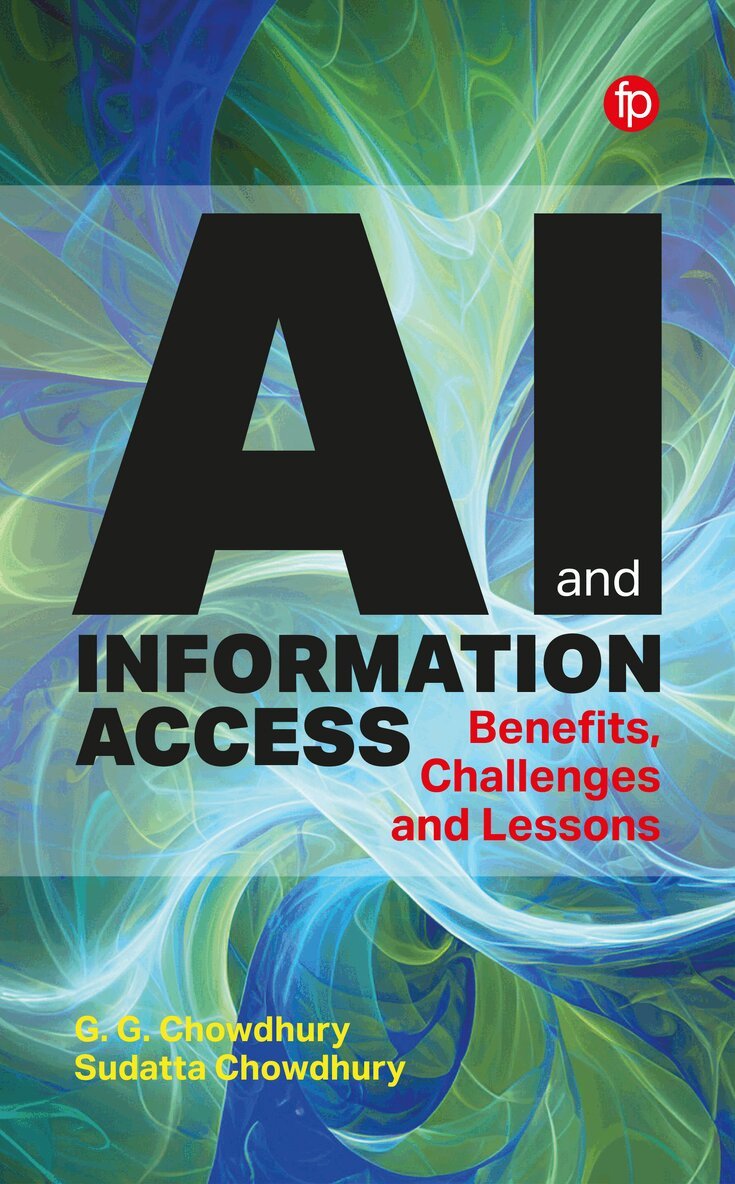
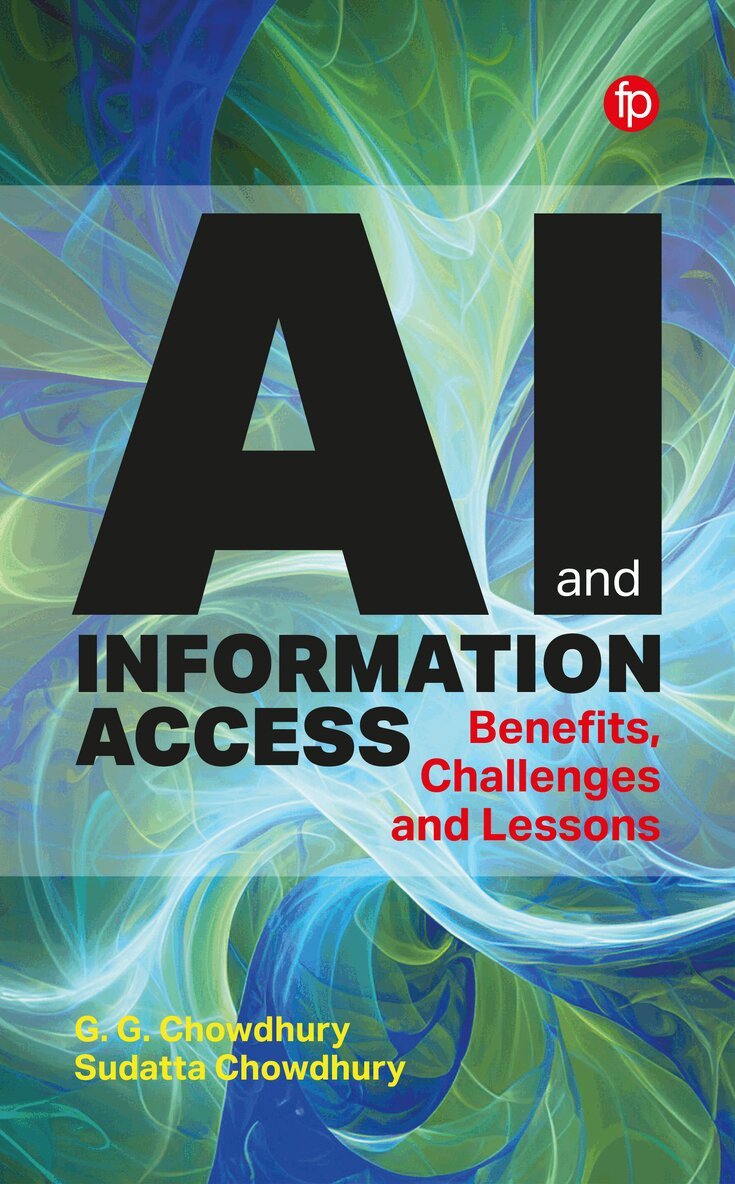
Libraries and information services are constantly evolving and adapting to the capacity and capabilities offered by emerging technologies. With the emergence of Generative AI (Gen AI), what is the impact of these tools for access to information?By undertaking an evidence-based approach and analysing and comparing the output generated by a range of Gen AI tools for access to specific information in everyday life, research and scholarly contexts, this book discusses the implications of these technologies for the end-users, as well as education and professional practice in the library and information sciences.Designed for students, academics, researchers and professionals in library science, information science and computer science, this authoritative work takes a practical approach to demonstrate and critically analyse the benefits offered by emerging Gen AI tools for information access, as well as the potential challenges and questions associated with the use of these tools. Legal and ethical issues of using Gen AI are discussed as well as the skills needed in order to use these tools effectively to find data and information for research and in everyday life.
2 001 kr
Skickas inom 11-20 vardagar
Libraries and information services are constantly evolving and adapting to the capacity and capabilities offered by emerging technologies. With the emergence of Generative AI (Gen AI), what is the impact of these tools for access to information?By undertaking an evidence-based approach and analysing and comparing the output generated by a range of Gen AI tools for access to specific information in everyday life, research and scholarly contexts, this book discusses the implications of these technologies for the end-users, as well as education and professional practice in the library and information sciences.Designed for students, academics, researchers and professionals in library science, information science and computer science, this authoritative work takes a practical approach to demonstrate and critically analyse the benefits offered by emerging Gen AI tools for information access, as well as the potential challenges and questions associated with the use of these tools. Legal and ethical issues of using Gen AI are discussed as well as the skills needed in order to use these tools effectively to find data and information for research and in everyday life.
1 033 kr
Tillfälligt slut
Recent developments in ICT, especially the web, have led to the creation of a growing number of digital library projects in the UK, USA and elsewhere. This new phenomenon is designed to bring a paradigm shift in the ways we create, access and use information. The design and development of digital libraries depend on computer, communication and other technical skills, and the dream of successful digital libraries leading to a global digital environment can only be fulfilled when sufficient practitioners have the skills to design, build and manage them. This book presents a holistic view of the new digital library scene. Supported by a wealth of international examples, it is an essential guide to good digital practice and techniques. The authors have experience both in teaching courses on digital libraries and in actively researching them, and the text is based on evidence provided by models of major digital library research projects around the globe. Key topics include: • digital libraries: definition and characteristics • features of some digital libraries • digital library design • digital library research • collection management • digitization • information organization • information access and user interface • information retrieval in digital libraries • digital archiving and preservation • digital library services • social, economic and legal issues • digital library evaluation • digital libraries and the information profession • trends in digital library research and development. Readership: This invaluable textbook offers an all-round view of digital libraries and is a core text for students of digital librarianship and related courses at departments of information science and computer science. It is also essential reading for practitioners and researchers who need to get a good grasp of issues and developments in the field.
1 033 kr
Skickas inom 5-8 vardagar
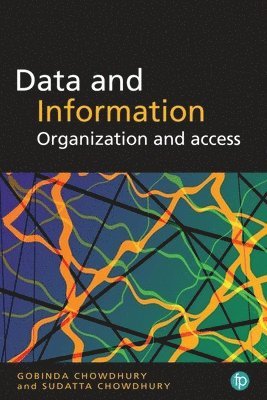
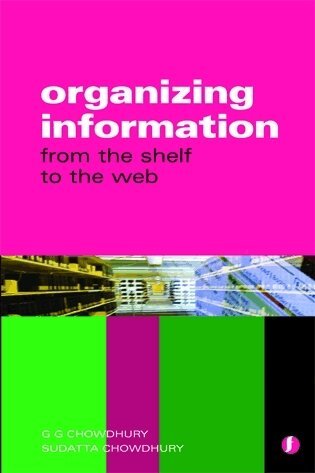
Tomorrow's LIS professionals will have to be conversant with all the tools and techniques for organizing information in different domains - from the library's shelves to the web and digital libraries. This core text covers the organization of the entire spectrum of information, and the principles, tools and techniques needed to do this effectively. The most up-to-date textbook yet available on this subject, this comprehensive book covers everything from traditional cat & class, through to metadata, information architecture and the semantic web. Written by experienced lecturers in the subject, who have authored several other successful textbooks, this book provides both an overview of the whole field of information organization, as well as an easy-to-understand introduction to each of the individual topics, which can be followed up with further study by following the references at the end of each chapter. The chapters cover: • cataloguing • bibliographic format • classification • subject indexing and vocabulary control • organization of digital information • metadata • mark-up languages • ontology • information architecture • the semantic web • current research, issues and trends. Readership: A key student text for all information and library studies courses, the book is also useful for practising LIS professionals who need an understanding of the various tools and techniques they need to master to effectively organize information.
1 289 kr
Tillfälligt slut
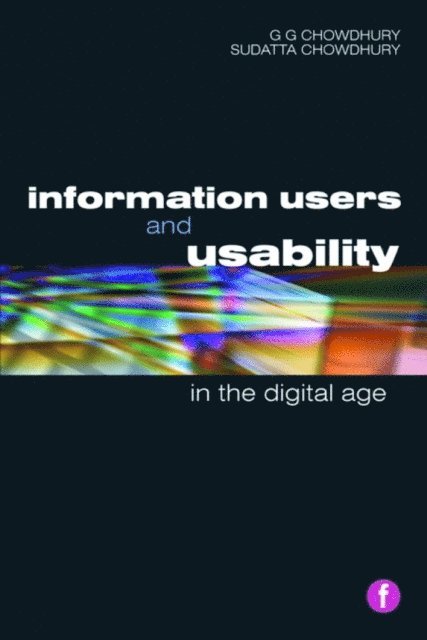
Information users and usability constitute the main building blocks of today's electronic information world. This important new text is the first to give a holistic overview of all of the necessary issues relating to information users and the usability of information services in the digital world, including user-centred design, and the characteristics and behaviour of information users. This book helps readers understand why information users and the usability of information services are important and equips them to play a proper role in designing user-centred information systems and services and to properly exploit information services for the maximum benefit of users. It covers all of the major issues, the current situation and what the various research studies from around the world show. The chapters are:An introduction to information users and usabilityInformation needs and user studiesHuman information behaviour studies and modelsUsability study basics Usability study participants Usability data analysis Web usability The usability of digital libraries Digital divide, digital natives and usability Issues and trends in usability research. Readership: The is essential reading for researchers and practitioners interested in the design and evaluation of digital information systems and services, as well as for students on library, information, and digital library courses.