Key Topics in Brain Research - Böcker
Visar alla böcker i serien Key Topics in Brain Research. Handla med fri frakt och snabb leverans.
7 produkter
7 produkter
550 kr
Skickas inom 10-15 vardagar
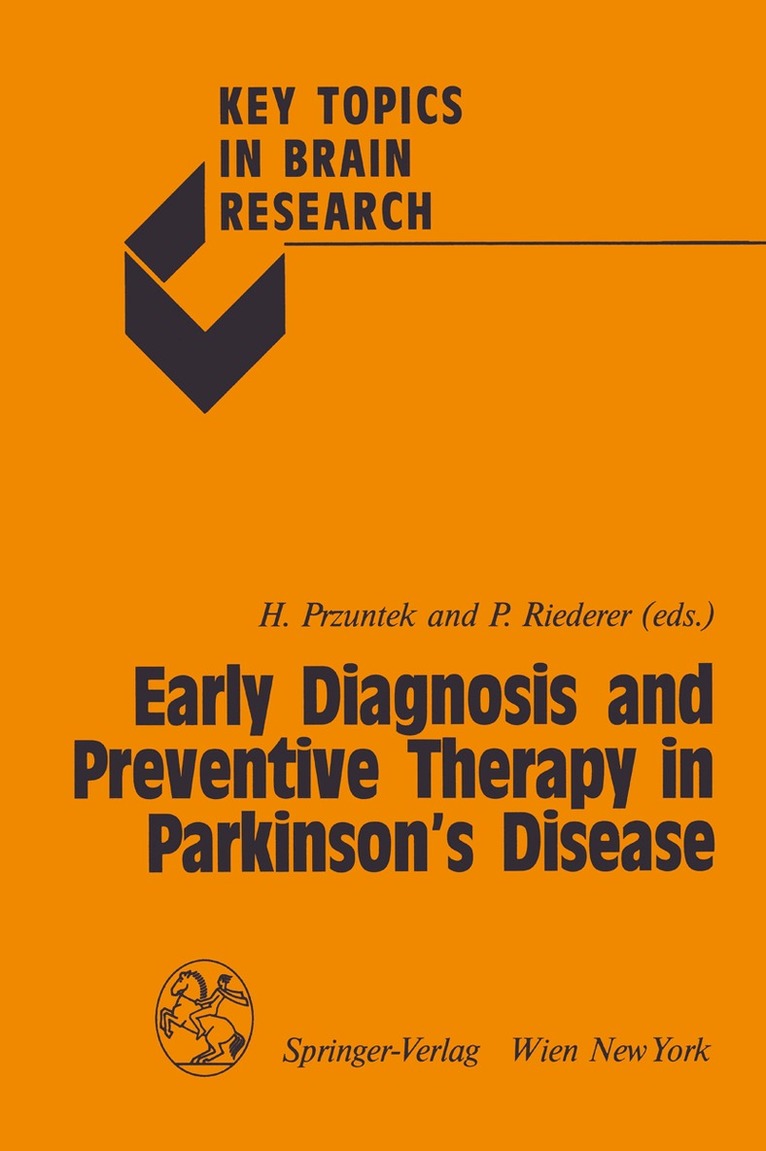
At the time when "Parkinson's Disease" is diagnosed in a patient, roughly two thirds of dopaminergic neurons of substantia nigra are already degenerated. The onset of the disease must, therefore, be much earlier. This book deals with early diagnosis and early preventive treatment which may sustain the process underlying the disease. By use of psychometric, kinesiologic, physiologic, histologic, biochemical, endocrinologic, pharmacologic and imaging techniques, including positron-emission tomography and brain mapping, specialists tried to focus on new diagnostic criteria. New methods including psychometric evaluation, apparative measurement of movement, analysis of peripheral blood and urinary constituents have supplemented this approach. It has been agreed that early preventive therapy consists of low dosis of L-DOPA plus benserazide, L-deprenyl and dopaminergic agonists.
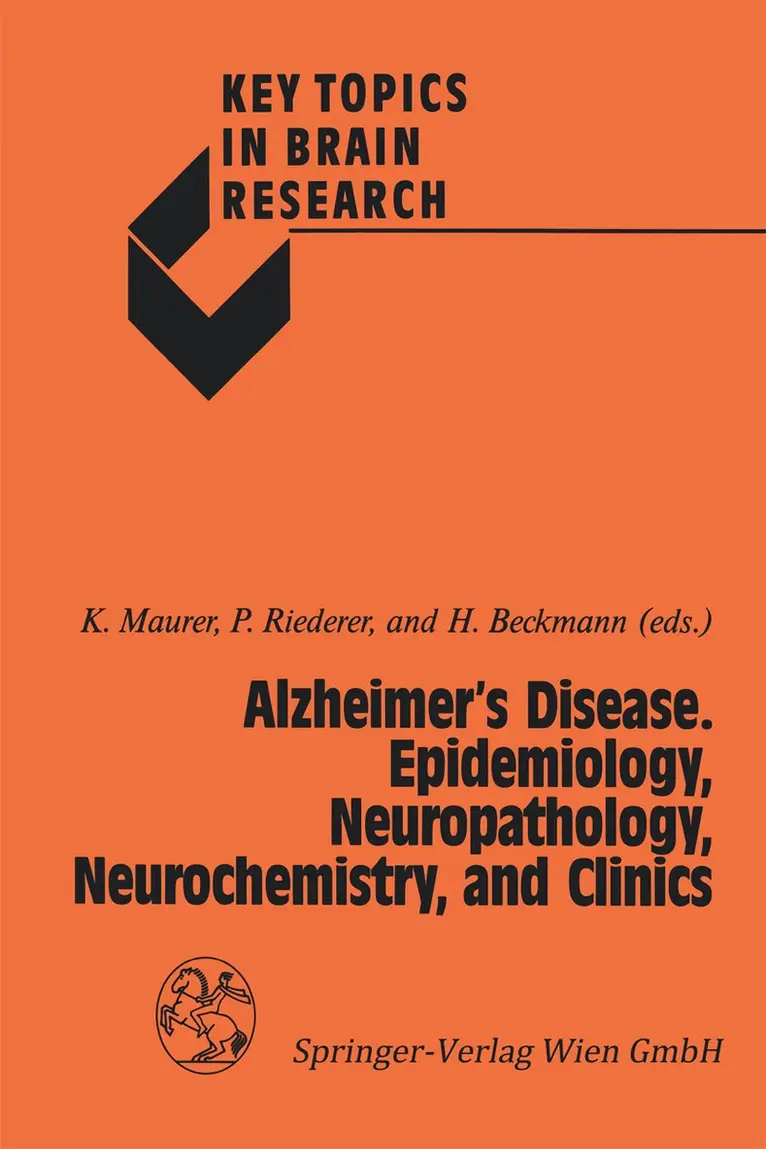
Alzheimer’s Disease. Epidemiology, Neuropathology, Neurochemistry, and Clinics
Häftad, Engelska, 1990
550 kr
Skickas inom 10-15 vardagar
Dementia of Alzheimer type (DAT), multiinfarct dementia (MID) and dementia occurring in the course of Parkinson's disease (PD +D) now make up one of the largest categories of chronic diseases in the elderly. In addition to the burden those illnesses impose on the affected individuals and their families they consume large socio-economic re- sources. In the light of all the above mentioned features, it seemed to us that a Symposium on behalf of the 125th Anniversary of Birth of Aloys Alzheimer was particularly well-suited to help to advance research on Alzheimer's disease and other dementias. This International Symposium combined with a Satellite Symposium about "Clinical Aspects of Alz- heimer Dementias" took place in June 1989 in Wiirzburg and has been organized by the Psychiatric Departments of the Universities of Wiirzburg and Munich (H. Beckmann, K. Maurer, P. Riederer, H. Hippius and H. Lauter) and the Department of Pathochemistry and General Neurochemistry of the University of Heidelberg (S. Hoyer).In the chapters which follow, thorough reviews of recognized authorities in the field of dementia are given in the four main fields of epidemiology, neuropathology, neurochemistry and clinics. This Symposium and the edition of this book would not have been possible without the generous support of E. Merck, Darmstadt. In particular we gratefully acknowledge the efforts undertaken by Mr. Hernandez-Meyer to organizing this symposium and to publish this book. Furthermore we are grateful to the secretarial help by Mrs. Moeslein, Miss Philipp and Miss Grabner.
550 kr
Skickas inom 10-15 vardagar
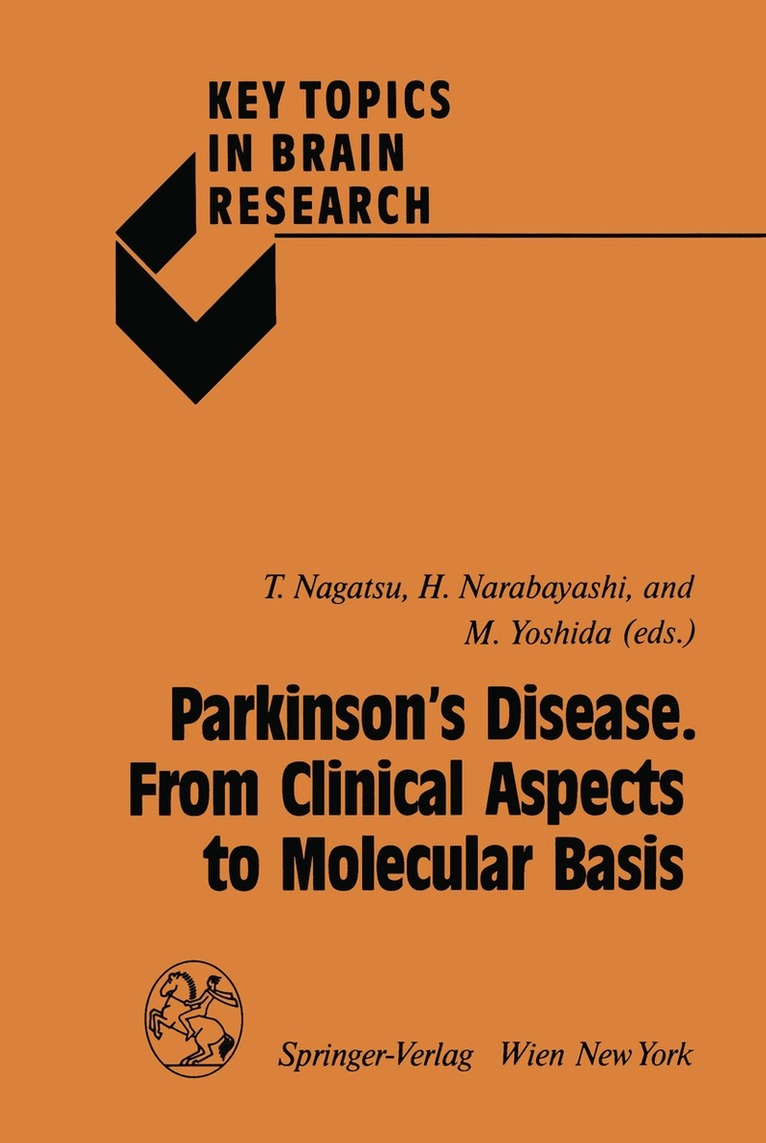
This b00k reviews the recent advances in the research on Parkinson's disease. It contains review articles from basic to clinical researches including the historical introduction and the molecular biological approach to Parkinson's disease. Parkinson's disease is the most representative, age-related neurodegenerative disease. It is clinically characterized by movement disorders such as muscle rigidity, akinesia and tremor. The elucidation of its biochemical and molecular mechanisms has rapidly been progressing and is expected to contribute to the understanding of normal brain aging in general. This project is supported by a Grant-in-Aid for Scientific Research on Priority Areas, "Molecular Biology of the Motor System", Ministry of Education, Science and Culture, Japan, for 3 years from 1987 to 1989. We are grateful for the support. These reviews are a part of the works which have been supported by this Grant-in-Aid. The characteristics of this research project on Parkinson's disease are interdisciplinary approach from basic, molecular biology to clinical medicine, and the molecular biological approach is expected to be the most promising for the elucidation of the pathogenesis. The collaboration and discussion between basic and clinical researchers in this Priority Area Project has been efficient and productive. We hope that this book can mark another new milestone in the studies on Park,oson's disease and in neuroscience. We are very grateful to Nippon Schering for their generous support for the publication of this book. Last but not least, we thank Springer-Verlag Wien New York for the excellent production of this book and the excellent cooperation.
550 kr
Skickas inom 10-15 vardagar
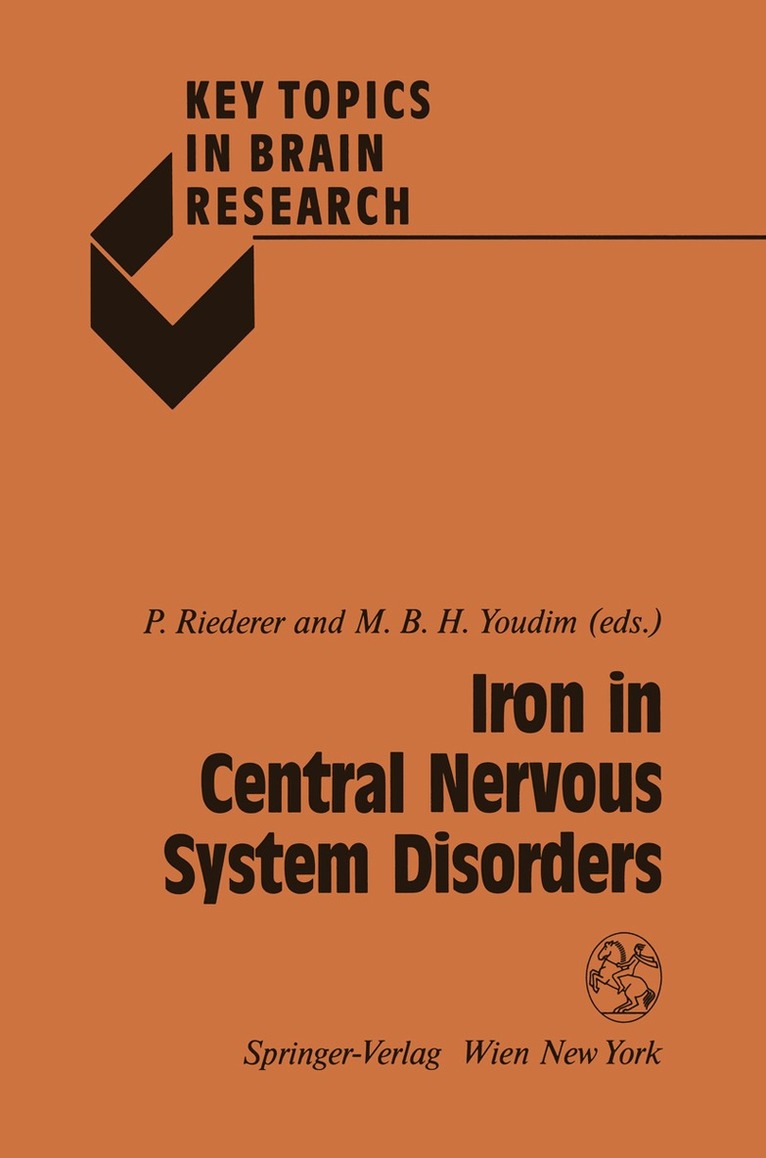
The role of the metals copper, zinc, magnesium, lead, manganese, mercury, lithium and aluminium in neuropsychiatric disease are well known and has been discussed on several occasions. Yet little attention has been paid to iron, the most abundant transitional metal in the body and the earth's crust. Iron plays a major role as a cofactor of numerous metabolic enzymes, it is important for DNA and protein synthesis, and has a crucial role in the oxygen carrying capacity of haemoglobin. Some of the most devastating diseases of systemic organs are associated with abnormal iron metabolism. Yet only very recently its role in the central nervous system has been considered. Thus nutritional iron defi ciency and iron overload afflict some 500-600 million people. It is also well recognized that too little or too much iron can produce profound effects on the metabolic state of the cell, and therefore the regulation of iron uptake and disposition is tightly relegated by the cell. Its transport into the cell and storage are handled by transferrin, ferritin and haemo siderin. Nowhere are these processes so well recognized as in the case of brain iron metabolism. Iron does not have ready access to the adult brain as it does to other tissues, since it does not cross the blood brain barrier (BBB). All the iron present in brain is deposited before the closure of BBB at an early age where it is sequestered and conserved. Therefore its turnover is extremely slow.
1 092 kr
Skickas inom 10-15 vardagar
Alzheimer's disease (AD), the most frequent cause of mental decline in the elderly, represents one of the major health problems facing modern society. Despite considerable progress in the clinical diagnosis, epidemiology, structural basis, biochemistry, molecular genetics and pharmacological aspects of AD, its aetiology, molecular backgrounds and treatment challenges are still poorly understood. This volume, based on the 2nd International Symposium on EBEWE Research Initiative in October 1993 in Salzburg, Austria, is conceived as a review of the current knowledge of morphology, diagnostic clinical and imaging techniques, methodological approaches of cognitive assessment, trial designs, outcome variables and possibilities of therapy of AD and other neurodegenerative disorders. The book's coverage is broad, and should be of interest to investigators, clinicians and researchers involved in the problems of AD.
550 kr
Skickas inom 10-15 vardagar
This book is based on lectures held at the In- ternational Expert Meeting "Current Update on Psychoimmunology" (September 26-28, 1996, Graz, Austria), which was organized by "Ver- ein zur Forderung der Wissenschaft und For- schung an der Universitatsklinik fUr Psychia- trie Graz" (Chairman: H. -G. Zapotoczky; Coor- dinators: M. Lux, G. Wieselmann; Local Orga- nizing Committee: E. Braun, M. Bretterklieber, H. Hausler, G. Herzog, S. Kriechbaum, S. Sper- lich). The book tries to close the gap between immunological findings on one hand, psychological, psychopathological, electrophysiological and neuroimaging aspects on the other. It also deals with the issue of "cause and effect" (of immunological alternatives) in different or- ganic and/or mental disorders, and emphasizes the necessity of consid- ering a variety of treatment strategies. There are dynamic interactions and several important similarities between the immune system and the central nervous system, which help to lay the rational basis for "psy- choimmunology". Both systems have the capacity for memory and both play vital roles in adaptation and defence.Furthermore, in each system pathological changes can occur in the event of inappropriate responses to internal or external stimuli, leading to psychiatric as well as organic illnesses and autoimmune diseases could also arise as a consequence of dysfunction and maladaptation, respectively. Finally, the editor is grateful to all the authors and experts for their contributions to the meeting and for preparing their manuscripts for this publication. Graz, November 1997 G.
1 092 kr
Skickas inom 10-15 vardagar
The contributions in this book deal with basic research in psychoneuroimmunology, dysfunctions of the immune system in psychiatric disorders and the possible role of viruses in psychoneuroimmunological processes. Growing knowledge about the reciprocal relationship between psychic processes and the immune system is interest to clinical psychiatrists in this field because immunological dysfunction is found in depression and schizophrenia, but also in other psychiatric syndromes like anxiety disorders. The chapter authors, all active researchers in the field, describe the results of their scientific work. The interdisciplinary character of this book is outlined by the broad international and disciplinary range of the authors which represent a spectrum from basic scientists such as pharmacologists and immunologists, to clinical psychiatrists and neurologists. Findings regarding the role of the immune system in sleep and in headache are discussed. Special emphasis is placed on methodological pitfalls in immunological studies of psychiatric disorders. Perspectives for future therapeutical strategies are outlined.