
Landmarks of Swiss Art - Böcker
Visar alla böcker i serien Landmarks of Swiss Art. Handla med fri frakt och snabb leverans.
2 produkter
2 produkter
306 kr
Skickas inom 7-10 vardagar
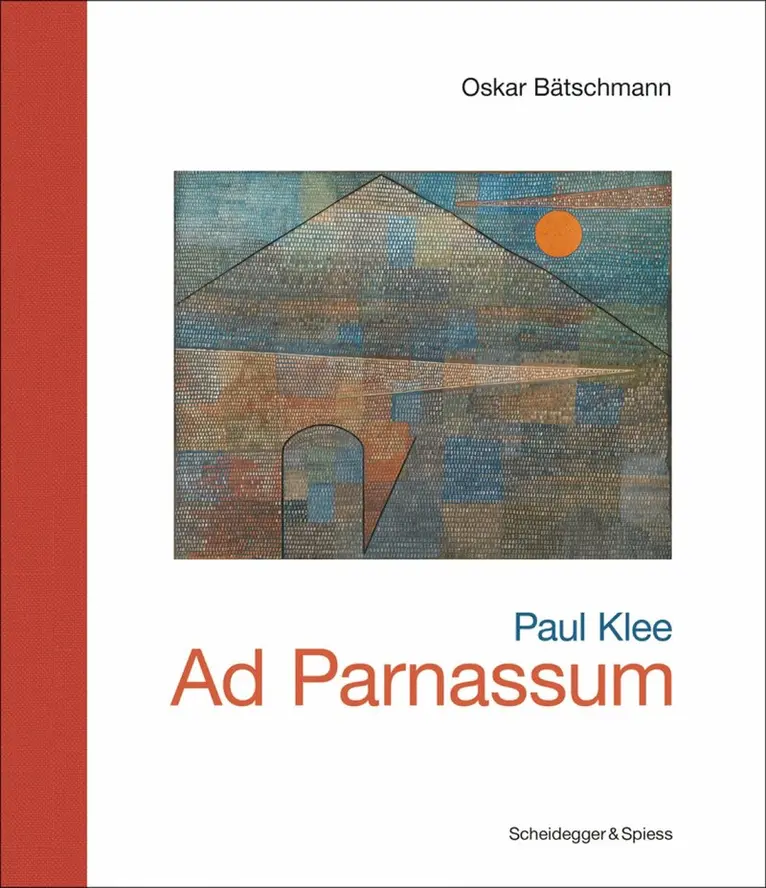
In the 1920s, German-Swiss artist Paul Klee (1879–1940) began his long-lasting engagement with polyphonic art—multi-voiced way of painting analogous to music. A relentless experimenter, Klee began these studies while teaching at the Bauhaus in Dessau, developed them further during his tenure at the art academy in Düsseldorf, and brought them to conclusion after his return to Switzerland in 1933. In this book, distinguished art historian Oskar Bätschmann explores Klee’s seminal painting Ad Parnassum (1932). Painted shortly after the artist’s departure from the Bauhaus, it symbolises a new era, also one of Klee’s own self-discovery. Bätschmann documents how the artist strove for a connection of music and painting in his colour hues and in the rhythmic movement of coloured dots.Richly illustrated, this book places Klee’s polyphonic understanding of art in an art-historical context by using this key work and offers insight into the synesthetic thinking that emerged in the art world during that time.Text in English and German.
434 kr
Skickas inom 5-8 vardagar
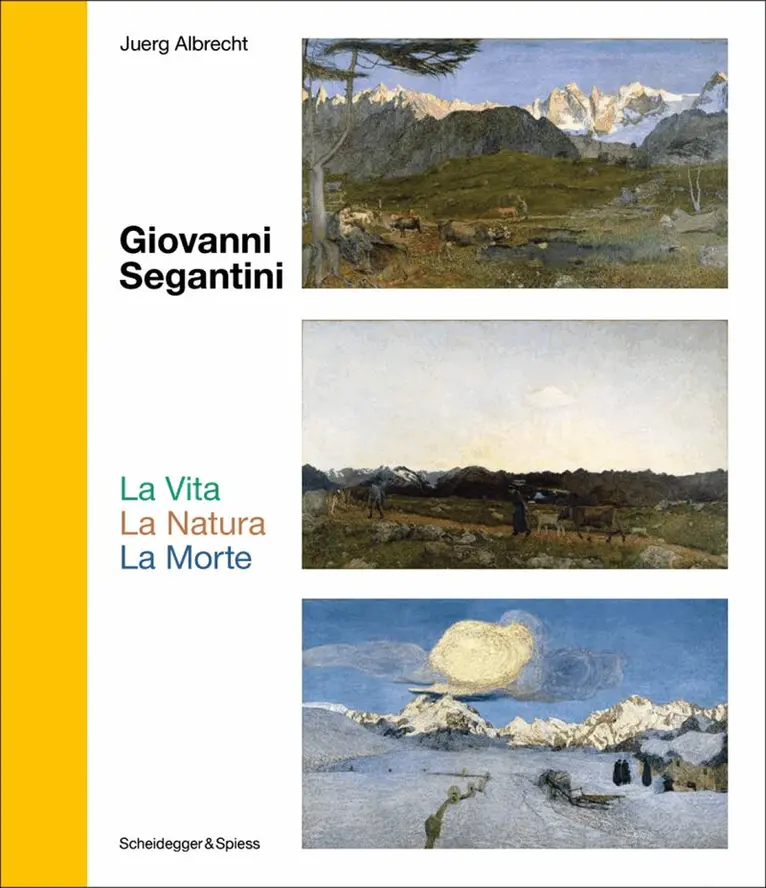
Giovanni Segantini’s (1858–99) three paintings La Vita—La Natura—La Morte (Becoming—Being—Passing) of 1898/99 do not reveal at first glance anything about their equally complex and interesting background. Originally planned for the 1900 Paris Exposition of 1900 as a gigantic, multimedia “Alpine symphony” panorama 722 ft long and 66 ft high, Segantini was forced to reduce his work to three purely pictorial main paintings, owing to a lack of financial means. When he died in 1899, whilst still working on it, he left behind an incomplete triptych that was intended to embody “the spirit of nature, of life, and of death.”In this book, Swiss art historian and Segantini-expert Juerg Albrecht traces this monumental landmark piece in the artist’s oeuvre as one of the last programmatic works of fin de siècle art. Apart from its genesis, the book explains, as well the cycle of life and death that the three paintings visualise, whose origins Segantini sought both privately and creatively in the mountains of the upper Engadine valley during his lifetime.Text in English and German.