Angelika Affentranger-Kirchrath - Böcker
Visar alla böcker från författaren Angelika Affentranger-Kirchrath. Handla med fri frakt och snabb leverans.
4 produkter
4 produkter
306 kr
Skickas inom 7-10 vardagar
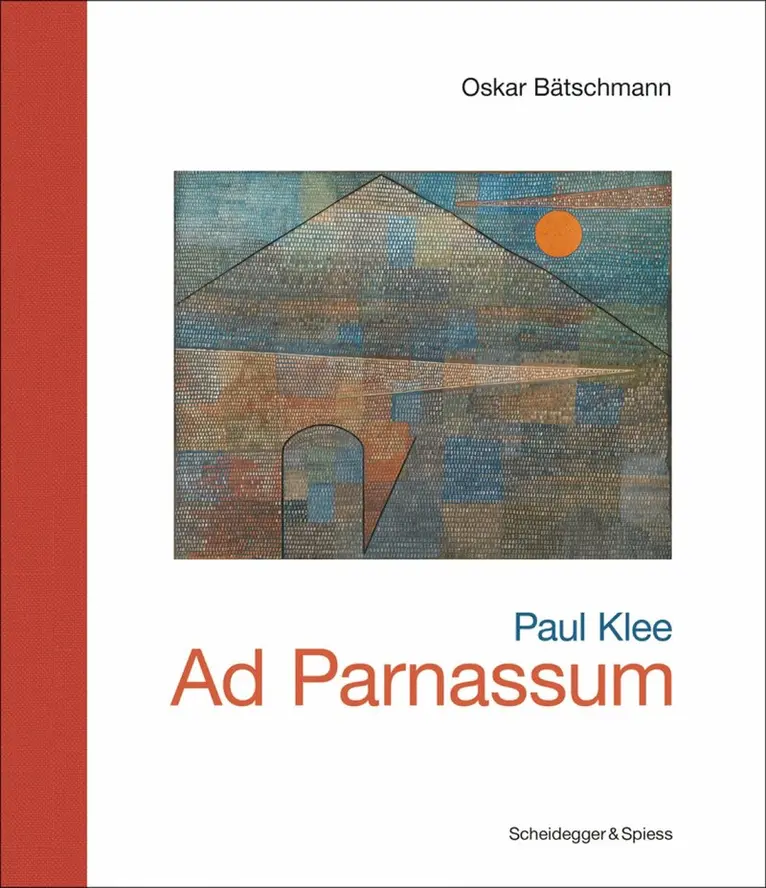
In the 1920s, German-Swiss artist Paul Klee (1879–1940) began his long-lasting engagement with polyphonic art—multi-voiced way of painting analogous to music. A relentless experimenter, Klee began these studies while teaching at the Bauhaus in Dessau, developed them further during his tenure at the art academy in Düsseldorf, and brought them to conclusion after his return to Switzerland in 1933. In this book, distinguished art historian Oskar Bätschmann explores Klee’s seminal painting Ad Parnassum (1932). Painted shortly after the artist’s departure from the Bauhaus, it symbolises a new era, also one of Klee’s own self-discovery. Bätschmann documents how the artist strove for a connection of music and painting in his colour hues and in the rhythmic movement of coloured dots.Richly illustrated, this book places Klee’s polyphonic understanding of art in an art-historical context by using this key work and offers insight into the synesthetic thinking that emerged in the art world during that time.Text in English and German.
434 kr
Skickas inom 5-8 vardagar
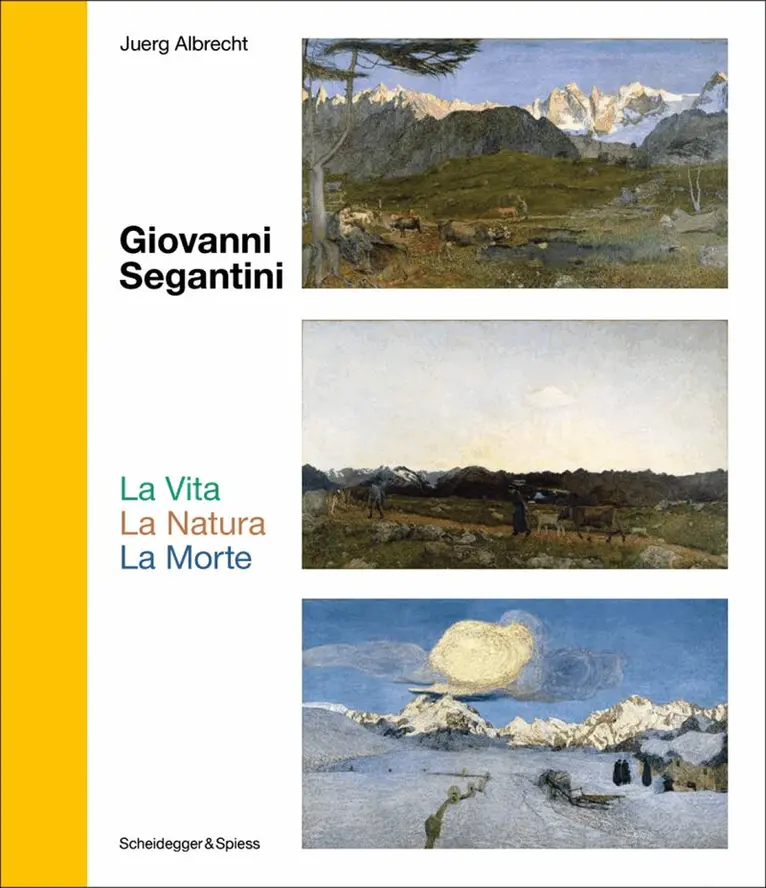
Giovanni Segantini’s (1858–99) three paintings La Vita—La Natura—La Morte (Becoming—Being—Passing) of 1898/99 do not reveal at first glance anything about their equally complex and interesting background. Originally planned for the 1900 Paris Exposition of 1900 as a gigantic, multimedia “Alpine symphony” panorama 722 ft long and 66 ft high, Segantini was forced to reduce his work to three purely pictorial main paintings, owing to a lack of financial means. When he died in 1899, whilst still working on it, he left behind an incomplete triptych that was intended to embody “the spirit of nature, of life, and of death.”In this book, Swiss art historian and Segantini-expert Juerg Albrecht traces this monumental landmark piece in the artist’s oeuvre as one of the last programmatic works of fin de siècle art. Apart from its genesis, the book explains, as well the cycle of life and death that the three paintings visualise, whose origins Segantini sought both privately and creatively in the mountains of the upper Engadine valley during his lifetime.Text in English and German.
306 kr
Skickas inom 7-10 vardagar
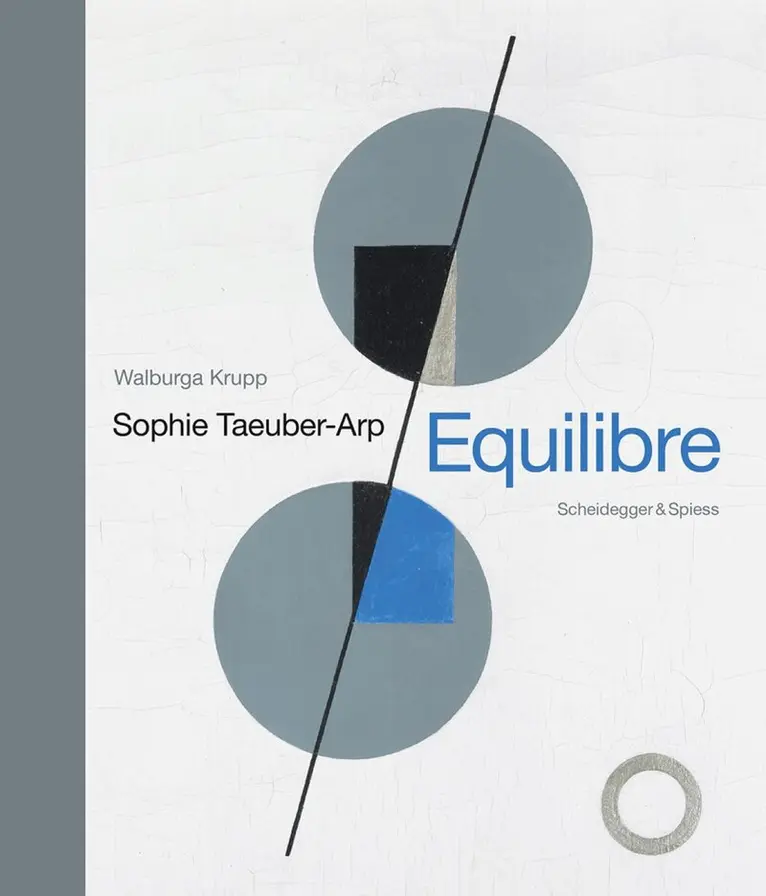
Swiss artist Sophie Taeuber-Arp (1889-1943) was a pioneer of 20th-century avant-garde. Remarkably versatile and immensely gifted, she produced an oeuvre that encompasses the entire range of the modernist movement from applied and fine art anddance to architecture, interior design, and teaching.Equlibre,created in 1931, marks the beginning of Taeuber-Arp's career as an accomplished painter. She moves away from figuration to focus on shape and colour. Circle, square, and rectangle define her future vocabulary. While in her earlier textiles she used multiple shades and hues, she nowreduces her palette to primary colours alongside black and white, signalling a markedly changed sense of colour.The painting's posthumous title emphasises Taeuber-Arp's constant striving for an idealbalance of colour, shape, and indeed all the elements in her paintings.From here, she sets out to explore movement, circles, and spaces, and later gradations and lines. Equilibre, a landmark of Taeuber-Arp's oeuvre, looks ahead to her future subject matter, while at the same time referencing her earlier work.Text in English and German.
306 kr
Skickas inom 7-10 vardagar
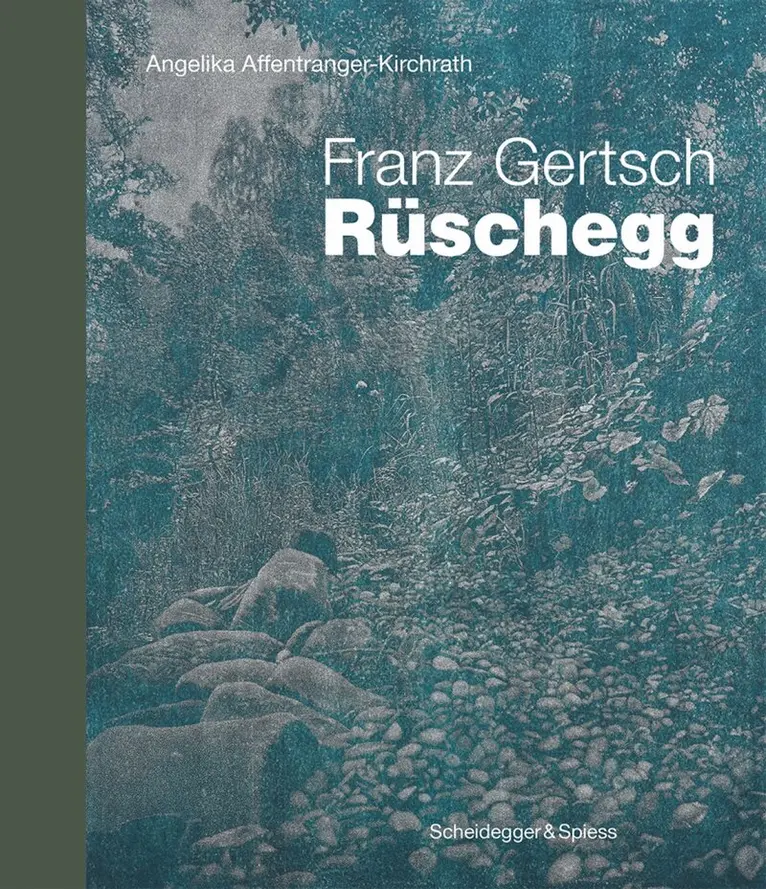
Swiss artist Franz Gertsch, born 1930, is one of the most important exponents of photorealism worldwide. Yet unlike many of his fellow artists, he takes liberties when translating a photograph into one of his large-format paintings or prints, thus animating his depictions of human faces or landscapes.Rüschegg,created in 1988, represents a landmark in Gertsch's oeuvre. It is both his first attempt in woodcut for a landscape, and his first large-formatwork in that genre. Abandoning painting for nearly a decade as of 1986,he developed a special woodcut technique. Having worked in portraiture almost exclusively for many years, Gertsch now begins his exploration ofnature.Starting from a view of his garden in the Swiss village of Rüschegg, Gertsch singles out some of its elements, such as a footpath, rocks, shrubs and trees, grass and leaves, taking them as individual motifs first for woodcuts and later for monumental 'portraits' of such pieces of nature. Thus, Rüschegg also stands for Gertsch's movement away from the representation of humans to that of nature, just as it links his later work with the landscape studies of his early years.Text in English and German.