Least Developed Countries Report – serie
Visar alla böcker i serien Least Developed Countries Report. Handla med fri frakt och snabb leverans.
13 produkter
Least Developed Countries Report 2023
Crisis-resilient Development Finance
Av United Nations Conference on Trade and Development, United Nations
Häftad, 2024
1014 kr
Lägg i varukorg
In 2023, the combined GDP of the LDCs was 10 per cent below the level it would have reached had the pre-pandemic (2010-2019) growth trend been sustained. As a result, at least an additional 15 million people in LDCs are now living in extreme poverty, with their governments severely constrained in …
Least Developed Countries Report 2024
Leveraging Carbon Markets for Development
Av United Nations Conference on Trade and Development
Häftad, 2026
1107 kr
Lägg i varukorg
Policymakers in the least developed countries are under pressure to transform carbon markets into a viable pathway to deliver on the Sustainable Development Goals and low-carbon structural transformation. This begs the question of whether and how these markets can both address the unique challenges …
Least Developed Countries Report 2016
The Path to Graduation and Beyond: Making the Most of the Process
Av United Nations Conference on Trade and Development, United Nations Publications
Häftad, 2017
1027 kr
Lägg i varukorg
Graduation is the process through which least developed countries (LDCs) cease to be members of the LDC category, in recognition of their advances in development. In principle, it marks a shift from dependency to a greater degree of self-sufficiency and emergence from the development ""traps"" …
Least Developed Countries Report 2021
The Least Developed Countries in the Post-covid World – Learning from 50 Years of Experience
Av Least Developed Countries and Special Programmes, United Nations Conference on Trade and Development / Division for Africa, United Nations
Häftad, 2022
871 kr
Lägg i varukorg
This publication takes stock of 50 years of development experience since the establishment of the LDC category in 1971. Most LDCs growth has been erratic, and they have not closed the income gap with other developing countries. This stems largely from the inefficacy of domestic and international …
Least Developed Countries Report 2025
Are Services the New Path to Structural Transformation?
Av United Nations Conference on Trade and Development
Häftad, 2026
1014 kr
Lägg i varukorg
The Least Developed Countries Report is a comprehensive annual publication from the UN Trade and Development (UNCTAD). It offers a detailed socio-economic analysis and data on the world's Least Developed Countries (LDCs), as designated by the United Nations. The report is written for a wide …
Least Developed Countries Report 2011
The Potential Role of South-South Cooperation for Inclusive and Sustainable Development (United Nations Conference on Trade and Development)
Häftad, 2012
566 kr
Tillfälligt slut
In light of the current economic difficulties facing traditional development partners and the non-sustainable and non-inclusive nature of performance of the Least Developed Countries (LDCs) over the last decade, LDC governments need new development paths to tap into dynamic growth poles in the …
Least Developed Countries Report 2012
Harnessing Remittances and Diaspora Knowledge for Productive Capacities
Häftad, 2013
583 kr
Tillfälligt slut
This Report reviews the LDCs' recent economic performance and examines how to enhance developmental impact of remittances and tap into the knowledge pool of its citizens abroad. Given the increasing magnitude of remittances in LDCs, the Report explores both the beneficial as well as possible …
Least Developed Countries Report 2014
Growth with Structural Transformation - Post-2015 Development Agenda for LDCs
Av United Nations Conference on Trade and Development
Häftad, 2015
583 kr
Tillfälligt slut
As we reach the target date to meet the Millennium Development Goals (MDGs), the LDC Report analyses the performance of the LDCs in progressing towards these goals and provides a framework for their development policies in the post-2015 period. The Report shows that there is a high degree of …
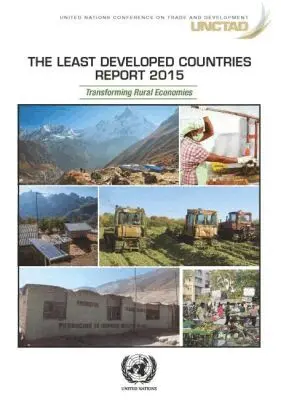
Least Developed Countries Report 2015
Transforming Rural Economies
Häftad, 2016
734 kr
Tillfälligt slut
This report documents the importance of the rural sector and agriculture in least developed countries (LDCs), through employment generation and economic activity. The discussion is placed in the perspective of the post-2015 development agenda, in which rural economic transformation will be vital …
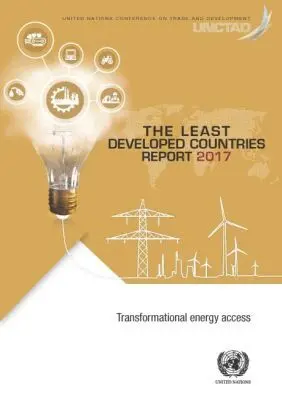
Least Developed Countries Report 2017
Transformational Energy Access
Av United Nations Conference on Trade and Development, United Nations Publications
Häftad, 2018
756 kr
Tillfälligt slut
This report focuses on the role of access to modern energy in economic structural transformation - a critical issue both for the least developed countries (LDCs) and for the 2030 Agenda for Sustainable Development. The report focuses on the particular circumstances, challenges and experiences of …
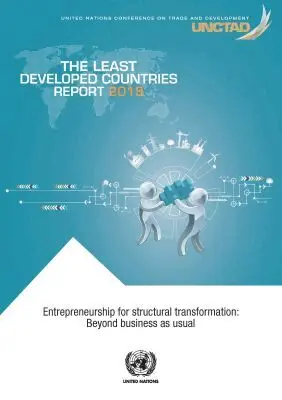
Least Developed Countries Report 2018
Entrepreneurship for Structural Transformation - Beyond Business As Usual
Av United Nations Conference on Trade and Development, United Nations
Häftad, 2019
756 kr
Tillfälligt slut
For Least Developed Countries (LDCs) to progress towards the Sustainable Development Goals, they need to transform the structure of their economy. This, in turn, requires entrepreneurship that innovates. The entrepreneurial landscape in LDCs is dominated by micro and small enterprises with low …
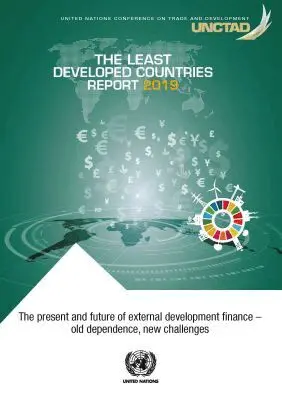
Least Developed Countries Report 2019
The Present and Future of External Development Finance - Old Dependence, New Challenges
Av United Nations Conference on Trade and Development, United Nations
Häftad, 2020
756 kr
Tillfälligt slut
This report provides a comprehensive source of socio-economic analysis and data on the world's most impoverished countries. It calls for least developed countries (LDCs) to ensure that external finance from all sources is directed to national development priorities, and urges the international …
Least Developed Countries Report 2020
Productive Capacities for the New Decade
Av United Nations Conference on Trade and Development, United Nations
Häftad, 2021
846 kr
Tillfälligt slut
LDCs have so far been spared by the worst effects of the health emergency, yet the fallout from COVID-19 has taken its toll on their economies, threatening to roll back progress towards sustainable development, worsening entrenched inequalities, and possibly leading to long-term damage. The ongoing …