Literary Geography: Theory and Practice – serie
Visar alla böcker i serien Literary Geography: Theory and Practice. Handla med fri frakt och snabb leverans.
3 produkter
3 produkter
Inbunden, Engelska, 2024
1 239 kr
Skickas inom 5-8 vardagar
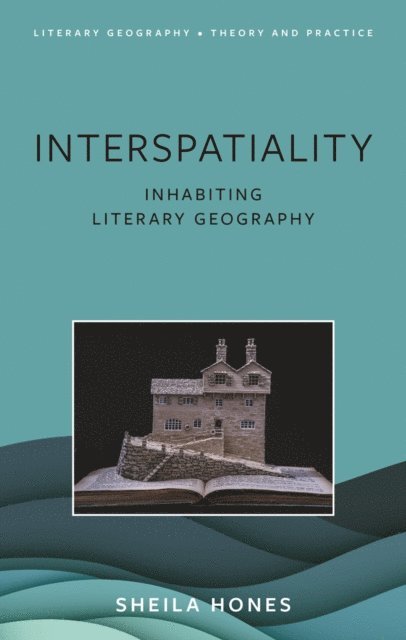
Interspatiality is a book about the language, theory and practice of a literary geography that takes as its subject matter the inseparability of writing, reading and living. It explores ways of engaging with interrelated textual-social-spatial processes, working with the problem of how to appreciate these processes as inseparable, how to articulate the complex spatialities they generate, and how to convey their presence, power and significance in literary texts. With a focus on literary geography as something inhabited as well as studied, the book draws attention to the interspatiality of routine daily life – a mundane literary geography – in surroundings that are made up of the real and imagined, of stories as well as locations, storied locations and located stories.
Inbunden, Engelska, 2026
1 228 kr
Skickas inom 5-8 vardagar
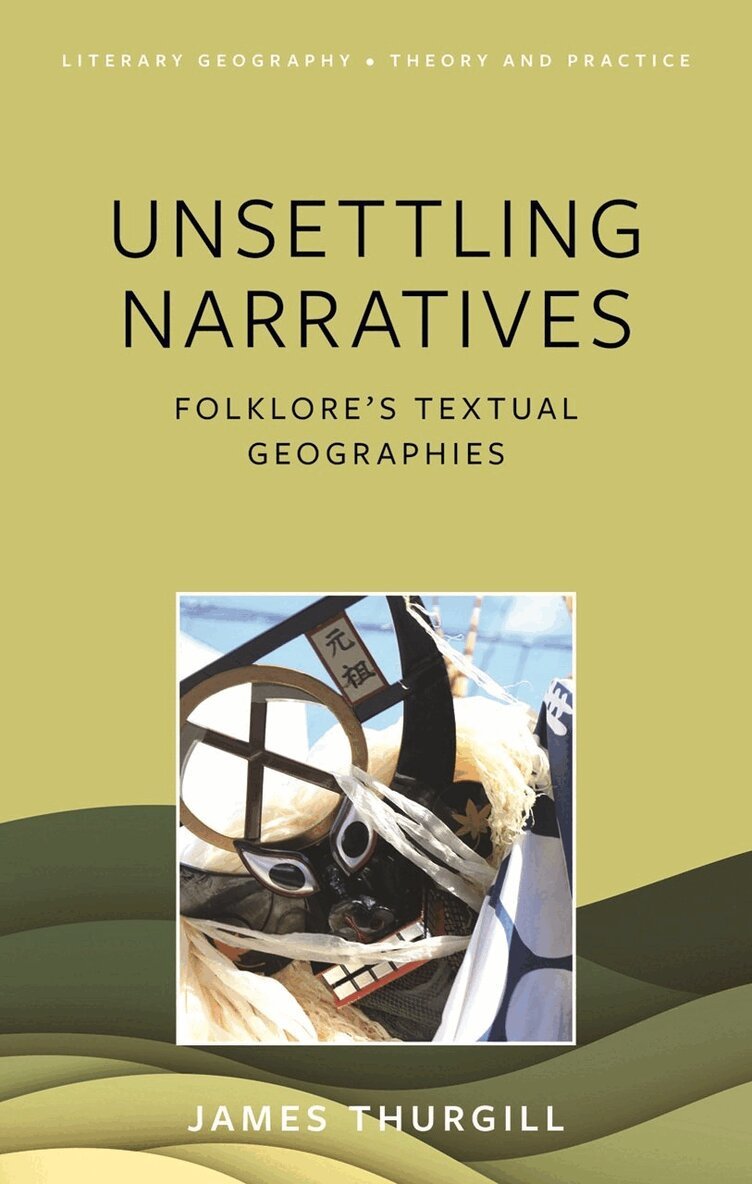
This book takes a literary geographical approach to the study of folklore, exploring the complex relationships between people, narratives and places as they emerge through belief, storytelling and ritual practice. Drawing on human geography, folkloristics and literary studies, it demonstrates how folk narratives inform and shape geographical imaginings, influencing lived experiences of actual-world environments. An examination of Yanagita Kunio’s (1910) Tōno Monogatari, a volume of 119 folktales from the northeast of Japan, highlights the formative role folk narratives play in shaping regional identities and cultural memory. Unsettling Narratives identifies folklore as a key process through which place acquires meaning, thereby facilitating a deeper engagement with the intersections of text, space and communal narratives. By emphasising the spatial significance of folkloric storytelling, this book provides new methodological and theoretical pathways for literary geographers to explore the co-constitution of narrative and place across local, regional and global scales.
Inbunden, Engelska, 2024
1 228 kr
Tillfälligt slut
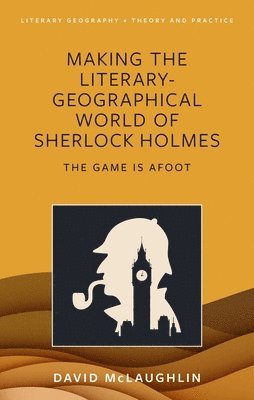
In the second half of the twentieth century, American readers of Arthur Conan Doyle’s Sherlock Holmes stories – known as Sherlockians – worked together to create a ‘world of Sherlock Holmes’ that crossed the boundary between reality and fiction. This book applies an innovative literary-geographical lens, informed both by geographical theories of spatiality as a process and literary scholarship readers’ active roles in making stories happen, to define the contours of a world in which the ontological boundary ordinarily assumed between the actual and the fictional bend, blur and break. Drawing extensively on the University of Minnesota’s Sherlock Holmes Collections, the world’s largest archive of Sherlockiana, this book aims to shine light on Sherlockian activities in the mid- to late-twentieth century. This is a relatively understudied but creatively rich period, in which the imaginative foundations of the fandom as we know it were laid. In these years, the world of Sherlock Holmes was collectively created by readers through a variety of textual and embodied practices: writing, mapping, playing and walking.