Louisiana True – serie
Visar alla böcker i serien Louisiana True. Handla med fri frakt och snabb leverans.
5 produkter
5 produkter
Häftad, Engelska, 2022
247 kr
Skickas inom 5-8 vardagar
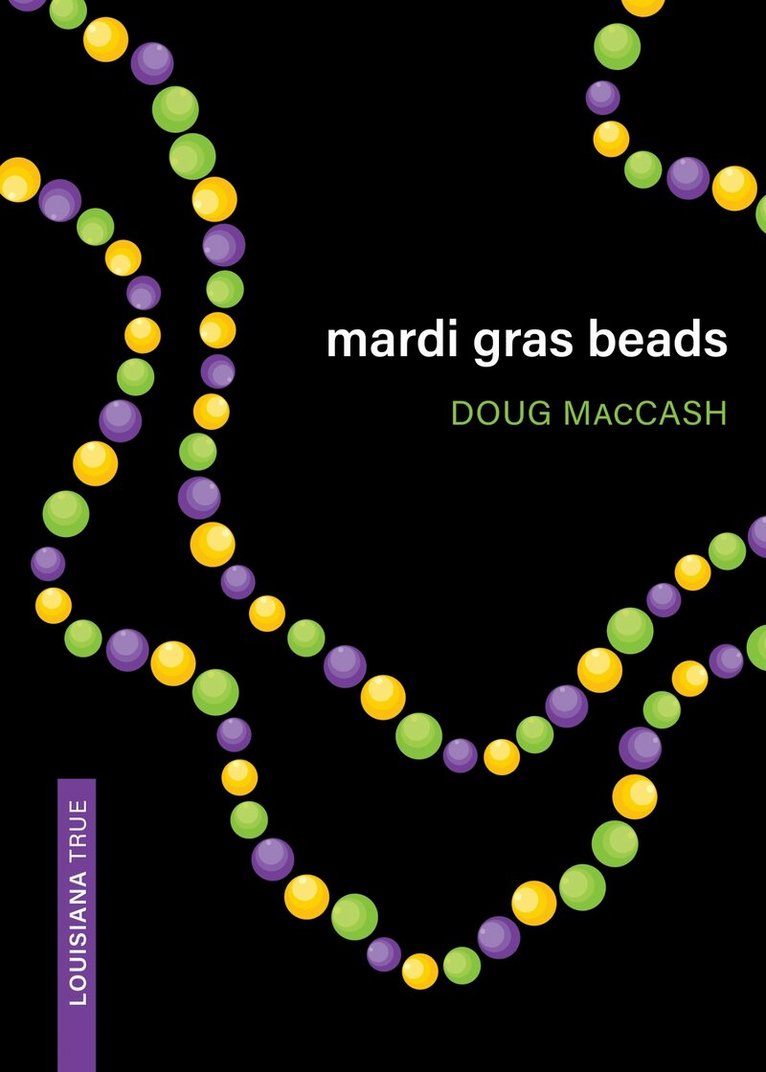
Beads are one of the great New Orleans symbols, as much a signifier of the city as a pot of scarlet crawfish or a jazzman's trumpet. They are Louisiana's version of the Hawaiian lei, strung around tourists' and conventioneers' necks to demonstrate enthusiasm for the city. The first in a new LSU Press series exploring facets of Louisiana's iconic culture, Mardi Gras Beads delves into the history of this celebrated New Orleans artefact, explaining how Mardi Gras beads came to be in the first place and how they grew to have such an outsize presence in New Orleans celebrations.Beads are a big business based on valuelessness. Approximately 130 shipping containers, each filled with 40,000 pounds of Chinese-made beads and other baubles, arrive at New Orleans's biggest Mardi Gras throw importer each Carnival season. Beads are an unnatural part of the natural landscape, persistently dangling from the trees along parade routes like Spanish moss. They clutter the doorknobs of the city, sway behind its rearview mirrors, test the load-bearing strength of its attic rafters, and clog its all-important rainwater removal system.Mardi Gras Beads traces the history of these parade trinkets from their origins in Twelfth Night festivities through their ascent to the premier parade catchable by the Depression era. Veteran Mardi Gras reporter Doug MacCash explores the manufacture of Mardi Gras beads in places as far-flung as the Sudetenland, India, and Japan, and traces the shift away from glass beads to the modern, disposable plastic versions. Mardi Gras Beads concludes in the era of coronavirus, when parades (and therefore bead throwing) were temporarily suspended because of health concerns, and considers the future of biodegradable Mardi Gras beads in a city ever more threatened by the specter of climate change.
Häftad, Engelska, 2022
270 kr
Skickas inom 3-6 vardagar
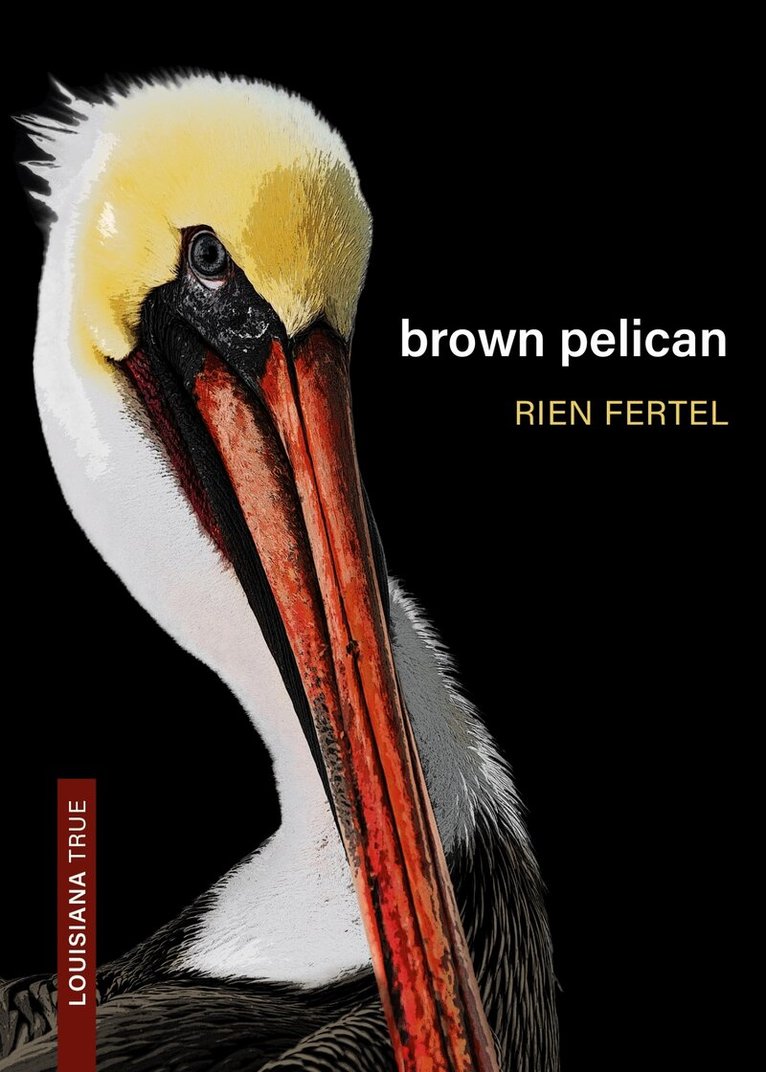
In this compelling book, Rien Fertel tells the story of humanity's complicated and often brutal relationship with the brown pelican over the past century. This beloved bird with the mythically bottomless belly—to say nothing of its prodigious pouch—has been deemed a living fossil and the most dinosaur-like of creatures. The pelican adorns the Louisiana state flag, serves as a religious icon of sacrifice, and stars in the famous parting shot of Jurassic Park, but, most significantly, spotlights our tenuous connection with the environment in which it flies, feeds, and roosts—the coastal United States.In 1903, Theodore Roosevelt inaugurated the first national wildlife refuge at Pelican Island, Florida, in order to rescue the brown pelican, among other species, from the plume trade. Despite such protections, the ubiquity of synthetic "agents of death," most notably DDT, in the mid-twentieth century sent the brown pelican to the list of endangered species. By the mid-1960s, not one viable pelican nest remained in all of Louisiana. Authorities declared the state bird locally extinct.Conservation efforts—including an outlandish but well-planned birdnapping—saved the brown pelican, generating one of the great success stories in animal preservation. However, the brown pelican is once again under threat, particularly along Louisiana's coast, due to land loss and rising seas. For centuries, artists and writers have portrayed the pelican as a bird that pierces its breast to feed its young, symbolizing saintly piety. Today, the brown pelican gives itself in other ways, sacrificed both by and for the environment as a bellwether bird—an indicator species portending potential disasters that await.Brown Pelican combines history and first-person narrative to complicate, deconstruct, and reassemble our vision of the bird, the natural world, and ourselves.
Häftad, Engelska, 2022
247 kr
Skickas inom 5-8 vardagar
Mardi Gras Indians explores how sacred and secular expressions of Carnival throughout the African diaspora came together in a gumbo-sized melting pot to birth one of the most unique traditions celebrating African culture, Indigenous peoples, and Black Americans. Williams ties together the fragments of the ancient traditions with the expressed experiences of the contemporary. From the sangamentos of the Kongolese and the calumets of the various tribes of the lower Mississippi River valley to one-on-one interviews with today's Black masking tribe members, this book highlights the spirit of resistance and rebellion upon which this culture was built.
Häftad, Engelska, 2024
247 kr
Skickas inom 5-8 vardagar
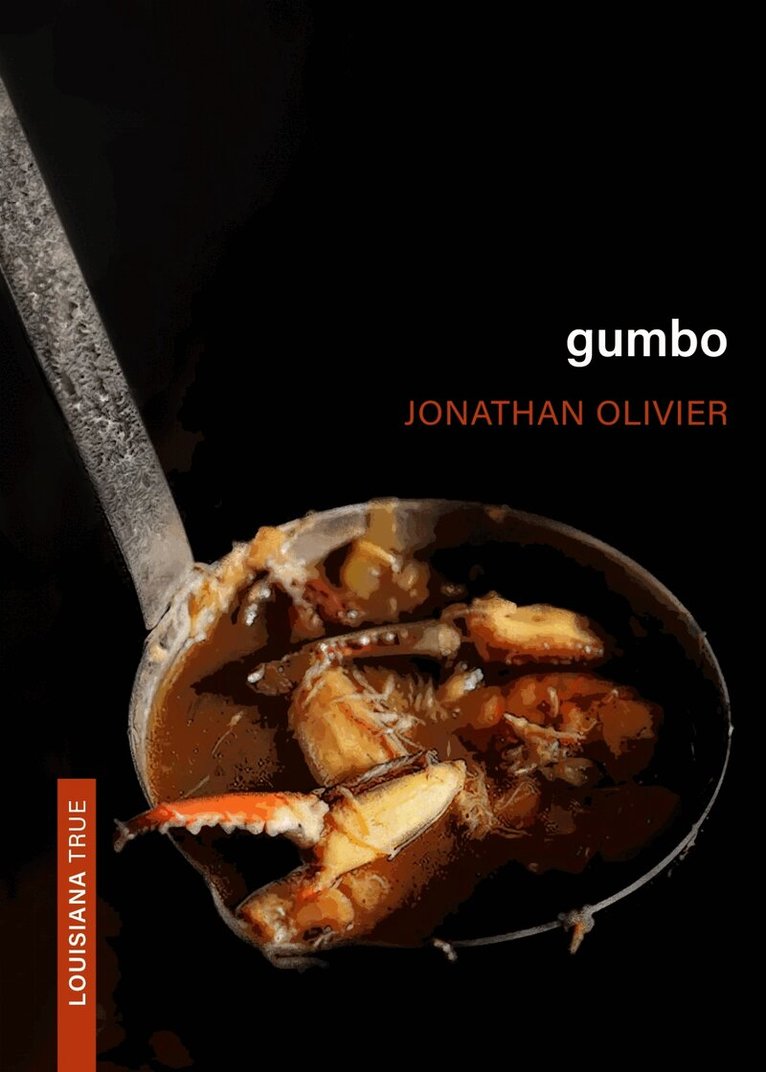
Gumbo adorns menus from New Orleans to New York to New Delhi, appearing in variations such as chicken and sausage gumbo, gombo z'herbes, and seafood gumbo. Some cooks use roux, others okra, and adding tomatoes to the pot can provide extra flavor or start a fight. Within this spirit of diversity lies the beauty of gumbo.Two culinary creations--West African okra stew and Choctaw soup--helped birth Louisiana gumbo. The Choctaw ground up sassafras, called filé, while West Africans like the Bambara provided okra and rice. From there, Spanish Caribbean influences introduced hot peppers and spices, the Germans pioneered smoked sausage and andouille, and the French devised the roux. Gumbo traces the history of how colonization, slavery, immigration, industry, and seasonality all had an impact on which ingredients wound up in the gumbo pot.
Häftad, Engelska, 2026
224 kr
Skickas
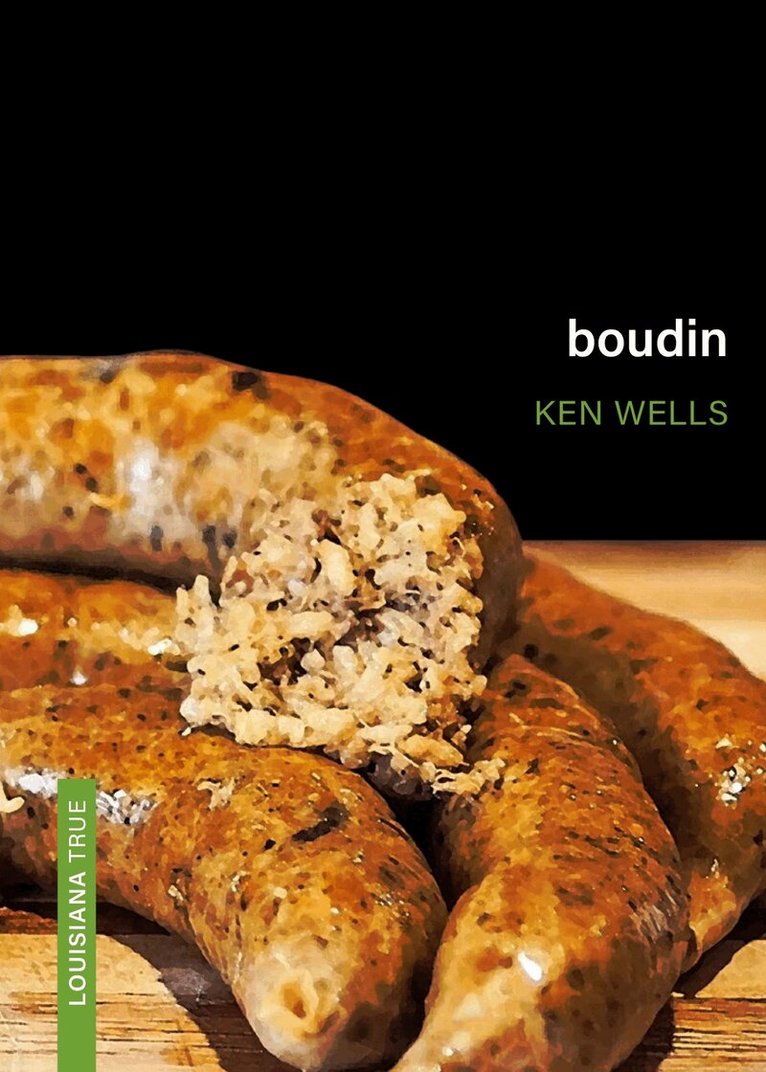
"Boudin is what the gods would eat if the gods were looking for the transcendent; a dish as satisfying to the soul as it is to the palate." So writes Ken Wells, Louisiana native and boudin hound, in this lively travelogue through the aromatic precincts of the makers, sellers, and connoisseurs of what one noted Louisiana chef calls the world's most versatile sausage. Sure, boudin is just pork, rice, veggies, and spices in a casing. Yet in creative hands—and there are many in Louisiana—the link becomes a transformative dish, as at home at breakfast as it is as a lunchtime snack in the car. This book tells you where to find boudin in any cuisine: boudin tacos and burritos, boudin eggrolls and wonton, boudin sushi rolls, and more. Boudin isn't so much a guide as a journey that explains how a sausage created in the humble rural kitchens of Cajun and Creole "maw-maws" and "paw-paws" has been reimagined into a national food sensation. We observe the boudin-making rites of the state's oldest existing boudin producer where old-school blood sausage is still made. We travel to the Boudin Capital of the World to delve into how the Cormier family has gone from selling boudin out of a rice cooker in a tiny store to creating the Best Stop boudin juggernaut—making tons of boudin a day and shipping it all over America. Boudin examines the Continental French roots of Louisiana boudin, unveiling some surprises such as a crawfish boudin recipe in an 1824 French cookbook. Readers will learn how the fabled Lewis and Clark expedition of 1804 came to feast on buffalo boudin. There are mysteries to be plumbed, some unresolvable, as in the question of when rice entered the Louisiana boudin recipe. And, yes, there is a personalized tour along the Boudin Trail, where Wells discovers some extremely rare boudin as he eats his way across Louisiana.