New German-American Studies/Neue Deutsch-Amerikanische Studien – serie
Visar alla böcker i serien New German-American Studies/Neue Deutsch-Amerikanische Studien. Handla med fri frakt och snabb leverans.
4 produkter
Thomas Mann’s Addresses Delivered at the Library of Congress
Av Thomas Mann, Don Heinrich Tolzmann
Häftad, 2003
713 kr
Lägg i varukorg
After coming to the United States, Thomas Mann was appointed Consultant in Germanic Languages and Literatures at the Library of Congress, which has one of the largest German collections in the world. Part of his responsibilities was to present an annual lecture at the Library of Congress. This …
Dialect Emergence in Waumandee English
Häftad, 2008
568 kr
Lägg i varukorg
This book examines how a new dialect emerges. It is based on empirical research carried out in Waumandee, Wisconsin, a small community set in a linguistically uncharted territory in North America. Waumandee English is influenced by the native languages of settlers who arrived from different parts …
National Monuments and Nationalism in 19th Century Germany
Häftad, 2008
1312 kr
Lägg i varukorg
No century in modern European history has built monuments with more enthusiasm than the 19th. Of the hundreds of monuments erected, those which sprang from a nation-wide initiative and addressed themselves to a nation, rather than part of a nation, we may call national monuments. Nelson’s Column in …
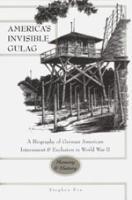
America's Invisible Gulag
A Biography of German American Internment & Exclusion in World War II : Memory and History
Av Stephen Fox, Don Heinrich Tolzmann
Häftad, 2000
369 kr
Tillfälligt slut
One of the least-known aspects of World War II is the internment of German «enemy aliens» in the United States. This narrative goes beyond other internment studies in its use of internee interviews and access to Justice and War Department personnel files. Fox concludes that rather than offering a …