New Technologies in Medieval and Renaissance Studies – serie
Visar alla böcker i serien New Technologies in Medieval and Renaissance Studies. Handla med fri frakt och snabb leverans.
3 produkter
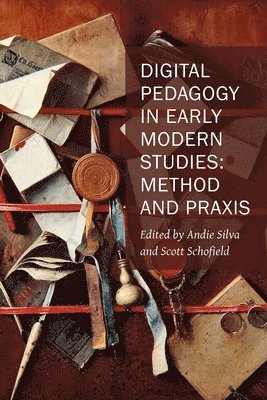
Digital Pedagogy in Early Modern Studies – Method and Praxis
Av Andie Silva, Scott Schofield m. fl.
Häftad, 2024
696 kr
Lägg i varukorg
A collection of essays on early modern digital humanities by leading scholars in the field. This collection of essays focuses on teaching at the intersection of early modern literature, book history, and digital media. It considers how teaching different fields and methods of study can be enhanced …
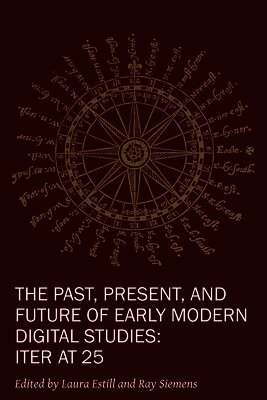
Past, Present, and Future of Early Modern Di – Iter at 25
Av Laura Estill, Raymond G. Siemens m. fl.
Häftad, 2025
647 kr
Lägg i varukorg
A collection of essays considering developing models and new research possibilities in early modern digital studies. Early modern digital studies is a thriving field that draws in strands from publishing, textual studies, digital humanities, and more. Yet it is also rapidly changing. This volume …
New Technologies and Renaissance Studies IV
The Changing Shape of Digital Early Modern Studies
Av Randa El Khatib, Caroline Winter
Häftad, 2025
974 kr
Lägg i varukorg
A collection of essays engaging with digital scholarship and new technologies.Contributors to this volume engage with digital scholarship in several ways: by creating digital projects, often in multidisciplinary, collaborative environments; by applying digital methodologies and tools to explore …